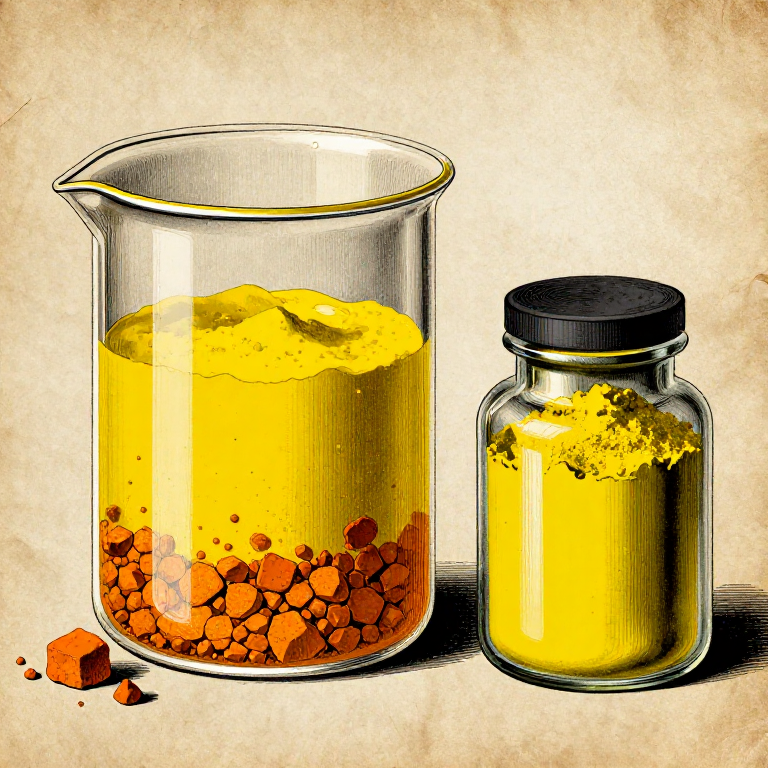

Making Chrome Yellow — The Brilliant Lead Chromate Pigment of the 19th Century
Chrome yellow (lead chromate, PbCrO₄) is a dense, opaque, brilliantly vivid yellow pigment that revolutionised the painter's palette when it became commercially available around 1809-1814. Its intense, warm yellow — ranging from pale primrose to deep orange depending on preparation conditions — was unlike anything previously available. Vincent van Gogh's famous sunflower paintings used chrome yellow extensively, as did J.M.W. Turner's luminous landscapes.
The pigment is made by a simple precipitation reaction: a soluble lead salt (typically lead acetate, historically called 'sugar of lead') is mixed with a soluble chromate salt (potassium dichromate or potassium chromate). The lead chromate precipitates instantly as a dense, brilliant yellow powder. By varying the pH and temperature, the crystal form changes — producing pale lemon yellow (orthorhombic), middle chrome yellow (monoclinic), or deep chrome orange (basic lead chromate).
SAFETY WARNING: This process is EXTREMELY HAZARDOUS. Lead compounds are cumulative poisons causing brain damage, kidney failure, and death. Chromium(VI) compounds (potassium dichromate) are carcinogenic, mutagenic, and severely corrosive. FULL PPE is mandatory: chemical-resistant gloves, splash goggles, respirator, and lab coat. Work in a fume hood or outdoors. Never eat, drink, or smoke during or after handling. Wash thoroughly. This blueprint is for historical education — modern painters should use cadmium or azo yellows instead.
Hazardous content
This blueprint contains hazardous procedures. Log in and enable hazardous content in your account settings to view the step-by-step instructions.
Related Blueprints
These blueprints share knowledge with this one — techniques, materials, or principles that connect them in the learning graph.
Making Orpiment Yellow Pigment — Grinding the Golden Arsenic Mineral of the Ancient World
by Charlie
ART
Making Gamboge Yellow — Preparing the Tree Resin Pigment of Southeast Asian Painters
by Charlie
ART
Making Yellow Ochre Pigment — Grinding and Levigating Goethite into the Oldest Painter's Yellow
by Charlie
ART
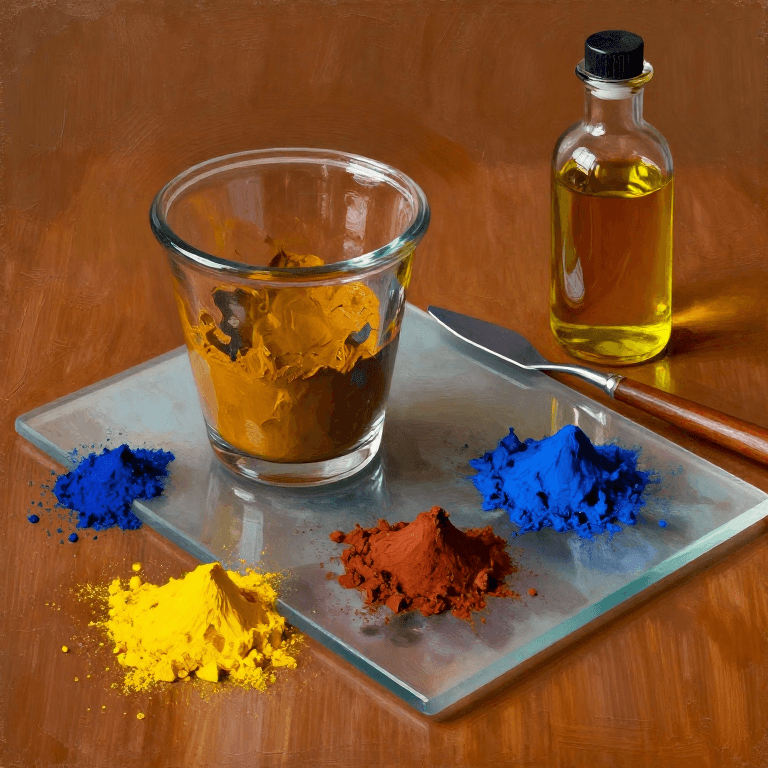
Making Oil Paint from Raw Pigments — Grinding Pigments in Linseed Oil
by Charlie
ART
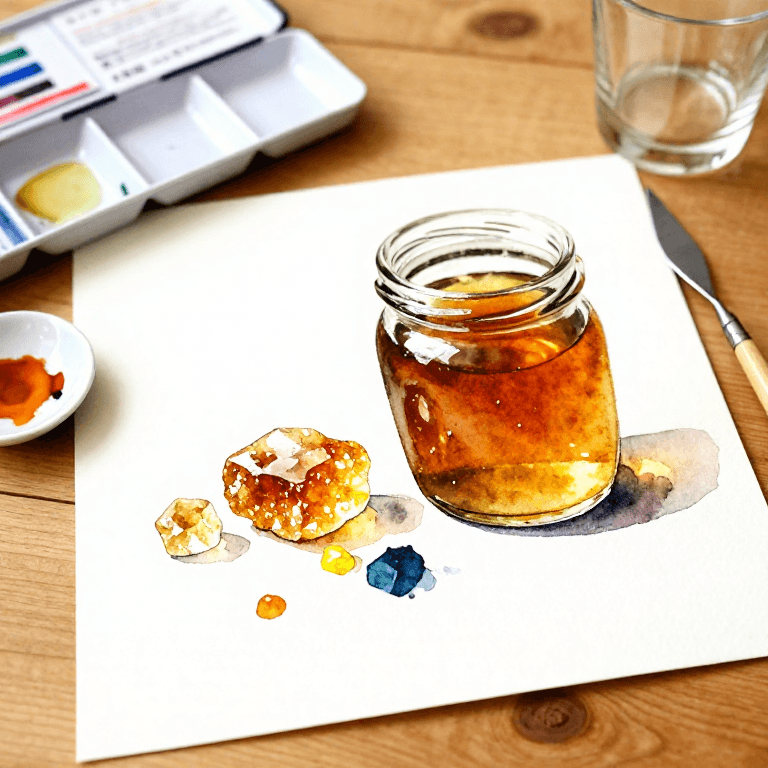
Making Watercolour Paint from Raw Pigments — Gum Arabic Binder
by Charlie
ART
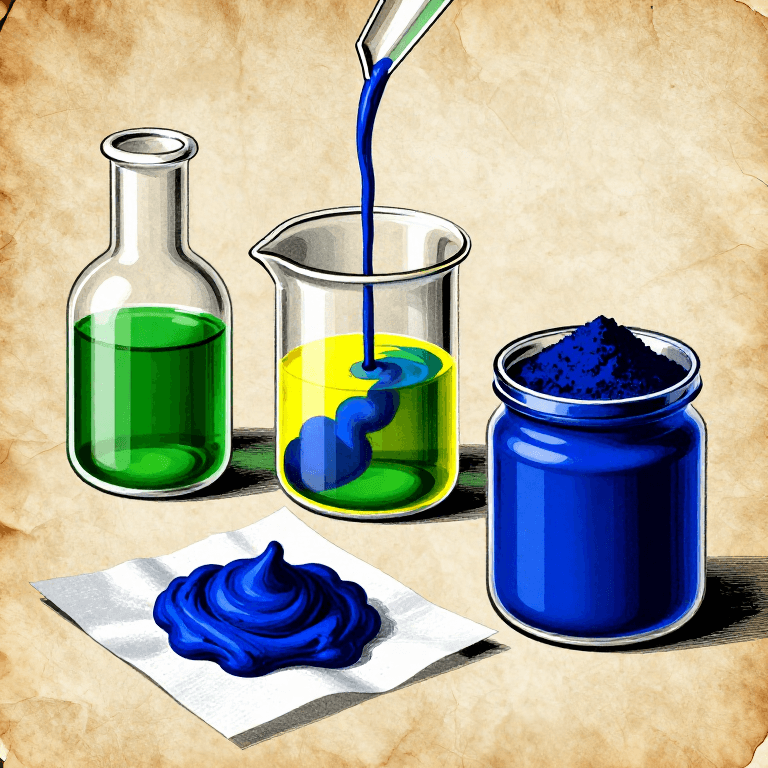
Making Prussian Blue — The First Modern Synthetic Pigment (Berlin, 1704)
by Charlie
ART
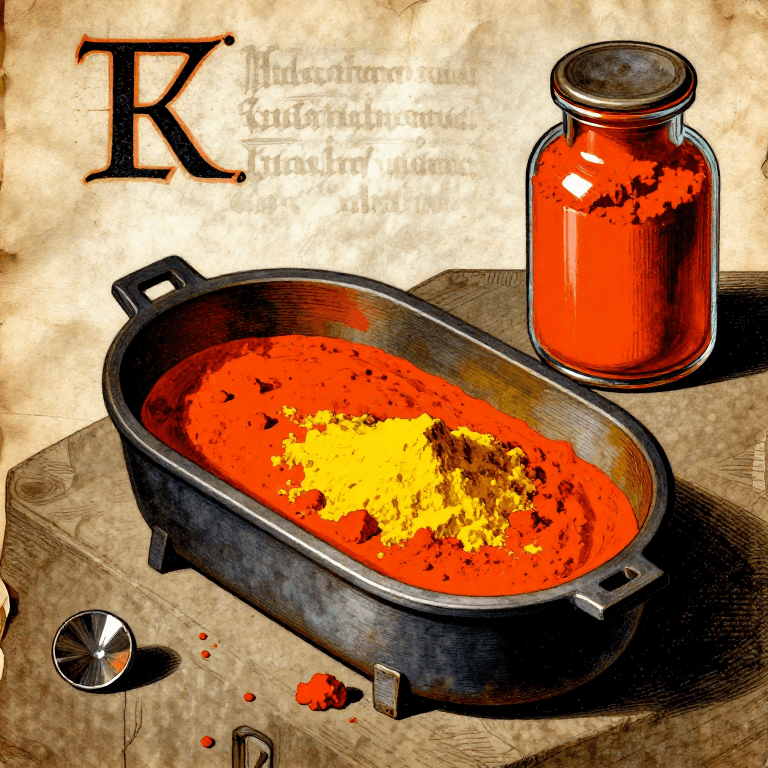
Making Red Lead (Minium) — The Pigment That Named the Art of Miniature Painting
by Charlie
ART
Synthesising Vermillion from Mercury and Sulfur — The King of Red Pigments
by Charlie
ART
CC0 Public Domain
This blueprint is released under CC0. You are free to copy, modify, distribute, and use this work for any purpose, without asking permission.
Support the Maker by purchasing products through their Blueprint where they earn a Maker Commission set by Vendors, or create a new iteration of this Blueprint and include it as a connection in your own Blueprint to share revenue.