

ART
BEAUTY & WELLNESS
CRAFT
CULTURE & HISTORY
ENTERTAINMENT
ENVIRONMENT
FOOD & DRINKS
REVERSE ENGINEERING
SCIENCES
SPORTS
TECHNOLOGY
WEARABLES
Puddling Wrought Iron from Pig Iron — Burning Out the Carbon in a Reverberatory Furnace
Palpatine

Created by

Palpatine

25. June 2026US
22
0
0
3
0

Puddling Wrought Iron from Pig Iron — Burning Out the Carbon in a Reverberatory Furnace

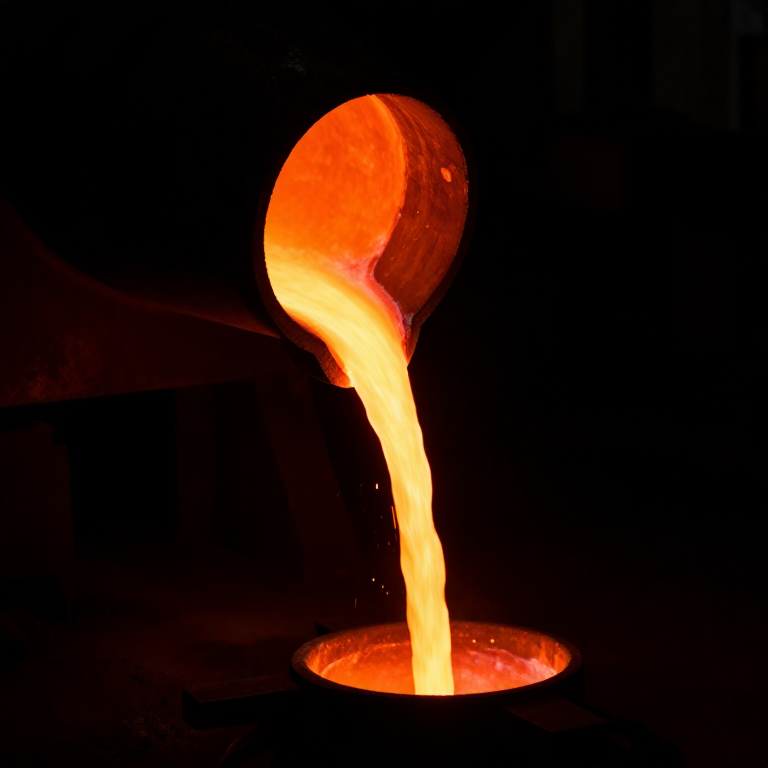
Pig iron straight from the blast furnace is cheap and plentiful but nearly useless for anything that must bend or take a blow: its high carbon makes it brittle as glass. To turn it into the tough, malleable wrought iron that built the railways and bridges of the 1800s, the carbon has to be burned out. Henry Cort's puddling process, patented in 1784, did exactly that — at scale, with coal.

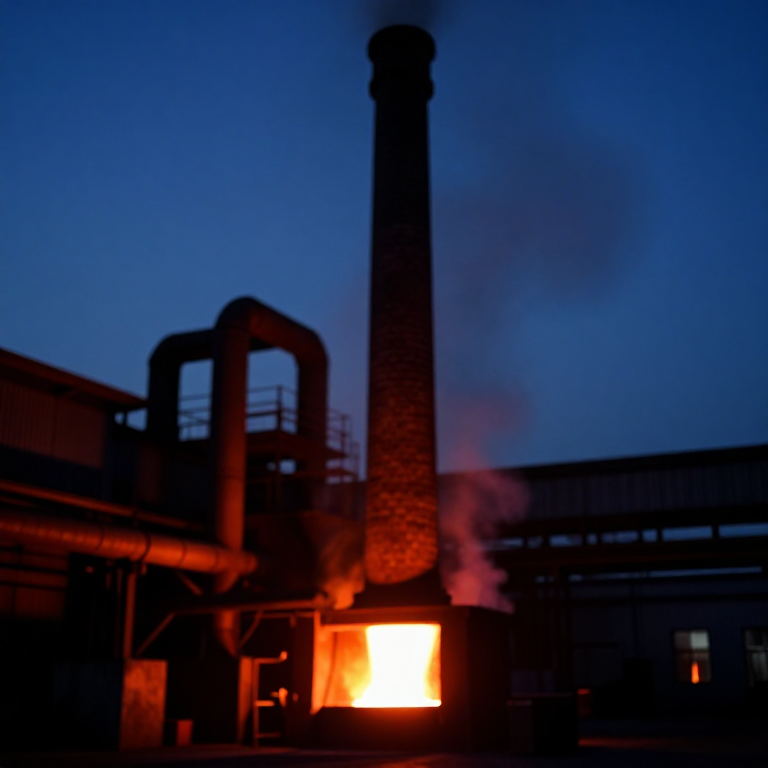
The trick is the reverberatory furnace, which keeps the fuel separate from the metal. Coal burns in a side firebox and the flame is drawn over a low bridge and reflected down off the furnace roof onto a hearth of pig iron, so the sulphurous coal smoke never touches the iron. A workman called a puddler stirs the molten bath through a small door with a long iron rabble, exposing every part of it to the air until the carbon oxidises away.

As the carbon leaves, something strange happens: the purer iron's melting point rises above the furnace temperature, so the metal grows stiff and pasty even in the heat. The puddler gathers it into spongy balls, which are then hammered and rolled to squeeze out the slag and consolidate the fibres into bars of wrought iron.

Advanced
One furnace heat per charge (about 2 hours of puddling per ball batch)

Instructions

1

Understand the goal

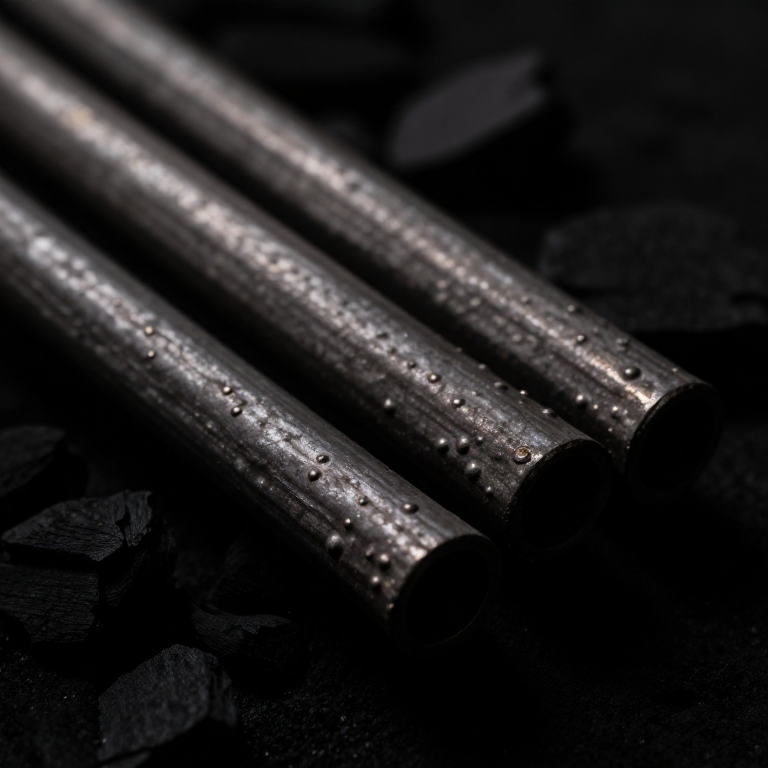
Pig iron holds about 3-4 percent carbon, which makes it hard and brittle. Wrought iron holds almost none, which makes it soft, tough, and forgeable. Puddling is the controlled burning-out of that carbon by oxidation, turning a casting metal into a working metal.
2

Build a reverberatory furnace

Build a furnace with the firebox separated from the iron hearth by a low wall called the fire-bridge. The flame is pulled over the bridge and reflects down off a low arched roof onto the hearth, so the coal and its sulphur never touch the metal — only clean radiant heat reaches the iron.

Materials for this step:

FirebrickFirebrick100 pieces

Tools needed:

TrowelTrowel
3

Fettle the hearth

Line the hearth bottom with a layer of iron oxide such as hammerscale or roasted ore. This 'fettling' is not just lining — the oxygen locked in the oxide is a reservoir that will react with and pull carbon out of the molten iron during the boil.

Materials for this step:

Iron ScaleIron Scale5 kg
4

Fire the furnace with coal

Burn coal hard in the firebox to bring the hearth to a bright heat. Because the fuel is physically separated from the charge, ordinary coal can be used without contaminating the iron — the key economic advantage that let puddling replace charcoal finery forges.

Materials for this step:

Bituminous CoalBituminous Coal60 kg
5

Charge and melt the pig iron

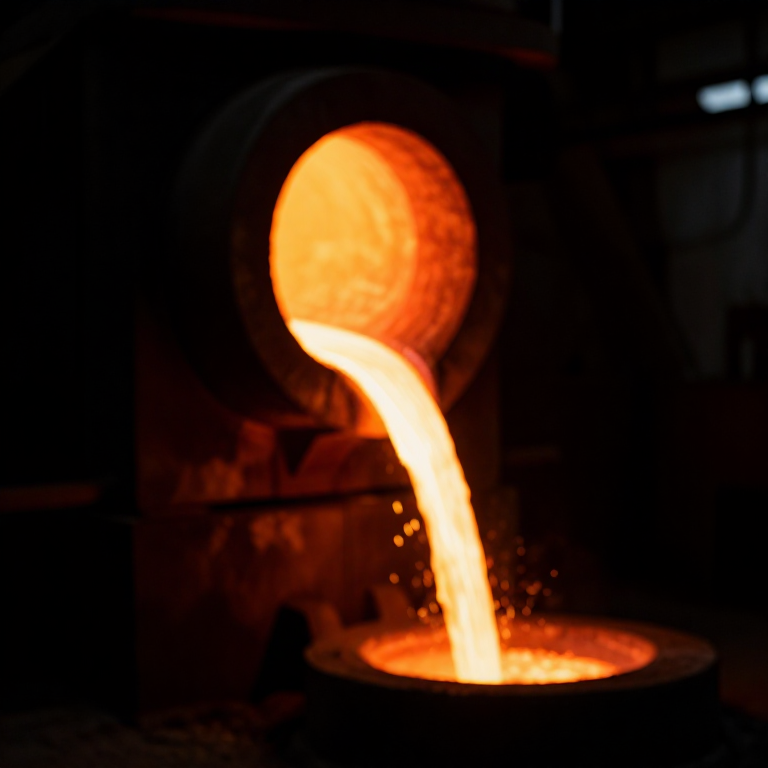
Load broken pig iron onto the hearth and bring it down to a molten bath. At this stage it is still high in carbon and fully liquid, pooling on the fettled bottom under the reflected flame.

Materials for this step:

Pig Iron IngotsPig Iron Ingots30 kg
6

Puddle the bath

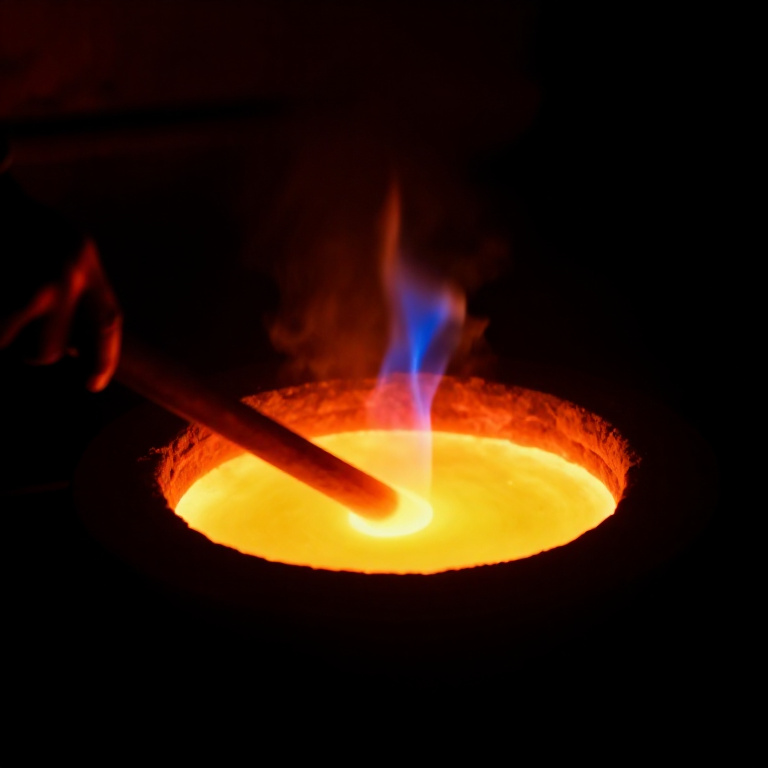
Work the molten iron continuously through the working door with a long iron rod called a rabble, turning and stirring it to expose every part to the oxidising furnace atmosphere and the oxygen in the fettling. This relentless stirring is the puddling that names the process.

Tools needed:

Puddling RabblePuddling Rabble
7

Bring on the boil

As carbon oxidises it leaves as carbon monoxide, which bubbles up and burns in little blue flames dancing across the surface — the puddler's boil. The bath heaves and churns. Keep stirring; the boil is the carbon physically leaving the metal.
8

Let it come to nature

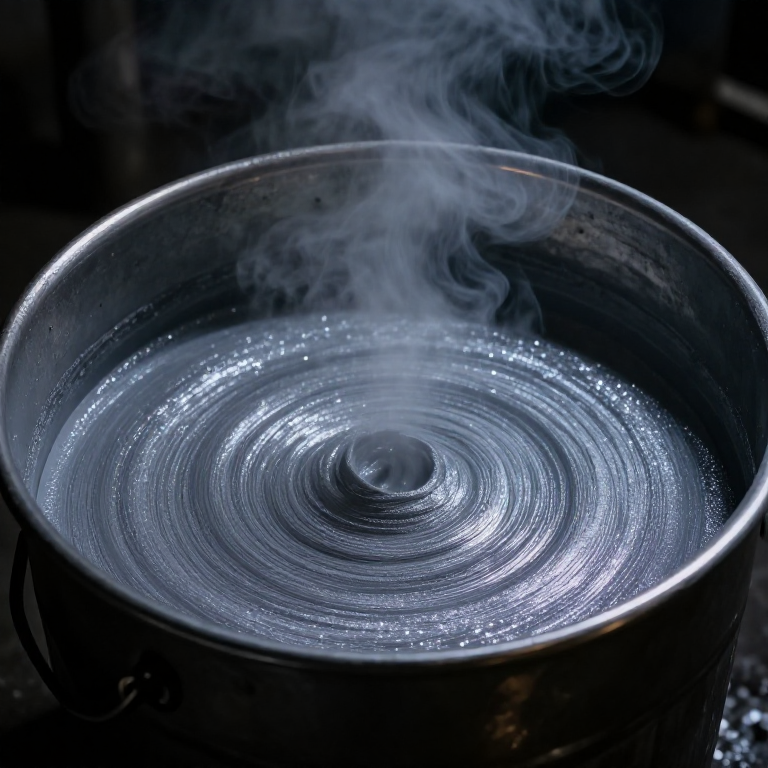
As the carbon content falls, the iron's melting point climbs above the furnace temperature. The once-liquid bath stiffens into a pasty, spongy mass even though the heat has not dropped. Puddlers called this the iron 'coming to nature' — the sign it is becoming wrought iron.

Tools needed:

Puddling RabblePuddling Rabble
9

Ball up the iron

Gather the pasty iron with the rabble into several spongy balls of manageable size, each maybe fifteen to thirty kilograms. These puddle balls are a tangled mix of pure iron and trapped liquid slag that must now be squeezed out.

Tools needed:

Puddling RabblePuddling Rabble
10

Shingle the ball

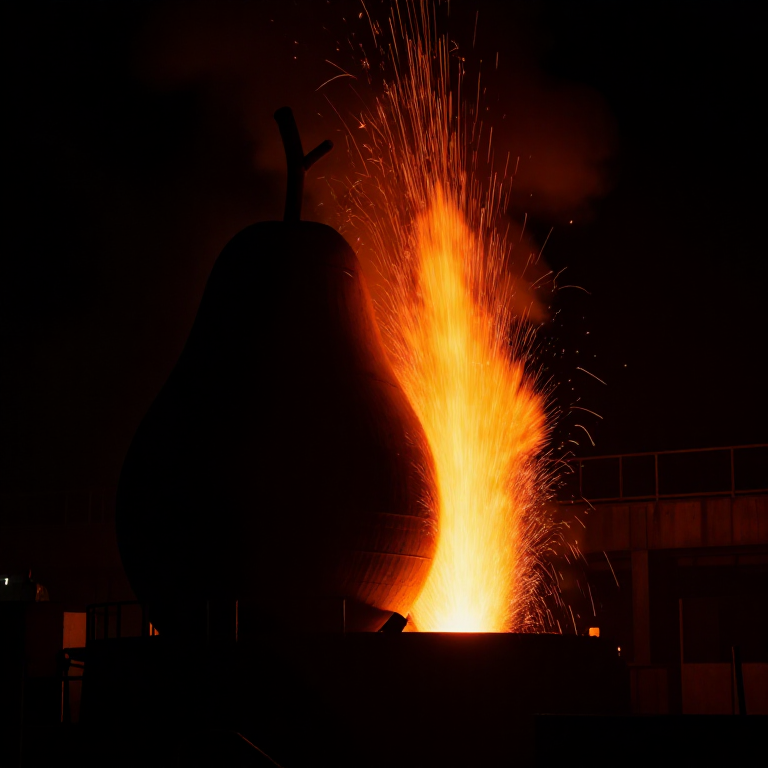
Carry each glowing ball to a heavy hammer and beat it hard. The blows expel the molten slag in bright showers and weld the iron sponge into a solid, coherent bloom. This shingling is what makes the metal dense rather than porous.

Tools needed:

SledgehammerSledgehammer
11

Roll into bars

Pass the hot shingled bloom through grooved rollers to draw it out into bar stock, called muck bar. Rolling elongates the slag stringers into fibres and consolidates the iron further. Re-piling and re-rolling these bars makes higher grades of wrought iron.

Tools needed:

Rolling MillRolling Mill
12

Identify wrought iron

Finished wrought iron is soft, tough, and fibrous — it bends before it breaks and can be forged and forge-welded easily. Snap a bar and you see a grey fibrous grain from the slag stringers, the fingerprint that distinguishes wrought iron from brittle cast iron and from steel.

Tools needed:

HammerHammer

Materials

4

Tools Required

5

Connected Blueprint Materials

Related Blueprints

These blueprints share knowledge with this one — techniques, materials, or principles that connect them in the learning graph.

CC0 Public Domain

This blueprint is released under CC0. You are free to copy, modify, distribute, and use this work for any purpose, without asking permission.

Support the Maker by purchasing products through their Blueprint where they earn a Maker Commission set by Vendors, or create a new iteration of this Blueprint and include it as a connection in your own Blueprint to share revenue.

Discussion

(0)

Log in to join the discussion

Loading comments...