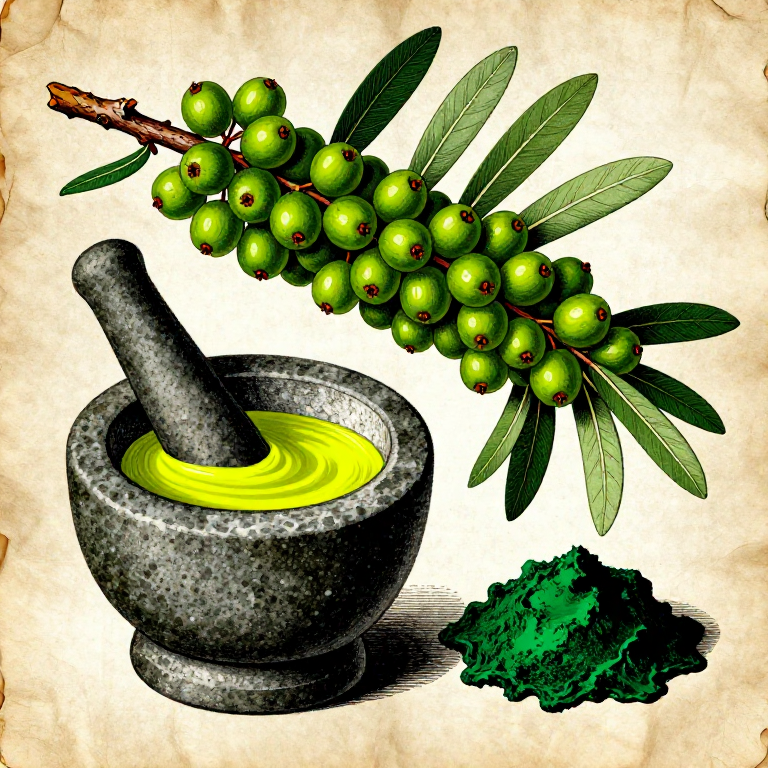

Making Sap Green from Buckthorn Berries — The Medieval Manuscript Painter's Green
Sap green (vert de vessie, Saftgrün) is a transparent yellow-green pigment made from the juice of unripe buckthorn berries (Rhamnus cathartica or R. saxatilis). It was one of the most widely used greens in medieval manuscript illumination and watercolour painting from the 12th century onward. The name 'sap green' derives from the plant sap (juice), and in French 'vert de vessie' ('bladder green') from the traditional practice of storing the concentrated juice in pig bladders.
Sap green is valued for its bright, natural, transparent yellow-green — a colour that is difficult to mix from other medieval pigments. It was used for painting foliage, landscapes, and decorative borders in illuminated manuscripts. Mixed with indigo or azurite blue, it produces the range of greens seen in medieval and Renaissance landscape painting.
The main limitation of sap green is poor lightfastness — it fades significantly in strong light over decades. Medieval manuscripts preserved in closed books retain vivid sap green; those displayed in light have faded. Despite this, the colour remained in use for centuries because of its unique bright yellow-green transparency. The pigment is entirely non-toxic — buckthorn berries are a traditional herbal purgative.
নির্দেশাবলি
Harvest unripe buckthorn berries
Harvest unripe buckthorn berries
Collect the berries of common buckthorn (Rhamnus cathartica) or rock buckthorn (R. saxatilis) in late summer, while they are still unripe and green to yellow-green. Unripe berries produce a yellow-green pigment; fully ripe black berries produce a different colour (a dull brownish-purple, much less useful). You need approximately 500 g of berries for a small batch. The berries should be firm and bright green — not soft, dark, or wrinkled. Buckthorn is common in hedgerows and woodland edges across Europe and temperate Asia.
এই ধাপের উপকরণ:
 Rhamnus-এর ফল (কাঁচা)500 গ্রা
Crush and extract the juice
Crush and extract the juice
Crush the berries thoroughly in a stone mortar or by pressing in a cloth bag. Extract as much juice as possible — the juice is a bright yellow-green liquid. Strain through fine cheesecloth to remove seeds, pulp, and skin. You should obtain approximately 200-300 ml of bright green juice from 500 g of berries. The colour comes from a mixture of flavonoid glycosides, primarily rhamnetin and quercetin derivatives, combined with chlorophyll.
প্রয়োজনীয় সরঞ্জাম:
 পাথরের হামানদিস্তা
 মিহি ছাঁকন কাপড়
Add alum to fix the colour
Add alum to fix the colour
Dissolve 15-20 g of alum (potassium aluminium sulfate) in the strained juice. The alum acts as a mordant/fixative, brightening the colour and helping to precipitate the pigment onto an alumina substrate — similar to the lake pigment process. Stir until the alum is fully dissolved. The colour may shift slightly — becoming more vivid and yellower as the pH changes. If you want a bluer-green, add a small pinch of potassium carbonate (potash) to raise the pH; if you want a yellower green, the acid alum alone is sufficient.
এই ধাপের উপকরণ:
 ফটকিরি (পটাশিয়াম অ্যালাম)20 গ্রা
প্রয়োজনীয় সরঞ্জাম:
 নাড়ানি দণ্ড
Concentrate the pigment
Concentrate the pigment
Gently heat the alum-juice mixture in a glass beaker to evaporate excess water — reduce to approximately one-quarter of the original volume. Do not boil vigorously — gentle simmering preserves the colour. The concentrated liquid becomes thick and deeply coloured. Historically, this concentrate was poured into a cleaned pig bladder, tied off, and hung to dry — hence the name 'bladder green.' For our purposes, pour the concentrate into a shallow ceramic dish and let it dry at room temperature in the shade. The dried pigment forms a hard, glossy, dark green-brown cake.
প্রয়োজনীয় সরঞ্জাম:
 তাপসহ কাচের বিকার
 বোরোসিলিকেট বিকার
Reconstitute and use
Reconstitute and use
To use, dissolve a small amount of the dried sap green cake in warm water with a few drops of gum arabic as a binder. The reconstituted pigment is a bright, transparent yellow-green — when diluted, it produces the most vivid, natural-looking foliage greens available from a single medieval pigment. For watercolour, dissolve with gum arabic. For egg tempera, dissolve in water first, then mix with egg yolk. Sap green mixes beautifully with blues (indigo, azurite) to produce deep forest greens, and with yellows (gamboge, ochre) for spring greens. Store the dried cake or liquid in sealed dark glass jars — light degrades the colour even in storage.
এই ধাপের উপকরণ:
 গঁদ (গাম অ্যারাবিক)5 গ্রা
প্রয়োজনীয় সরঞ্জাম:
 বায়ুরোধী ঢাকনাসহ গাঢ় কাচের বয়াম
উপকরণ
3- 500 গ্রাপ্লেসহোল্ডার
- 20 গ্রাপ্লেসহোল্ডার
- 5 গ্রাপ্লেসহোল্ডার
প্রয়োজনীয় সরঞ্জাম
6- প্লেসহোল্ডার
- প্লেসহোল্ডার
- প্লেসহোল্ডার
- প্লেসহোল্ডার
- প্লেসহোল্ডার
- প্লেসহোল্ডার
সংযুক্ত ব্লুপ্রিন্টের উপাদান
এই ব্লুপ্রিন্ট যা তৈরি করে

সম্পর্কিত ব্লুপ্রিন্ট
এই ব্লুপ্রিন্টগুলি জ্ঞান ভাগ করে — কৌশল, উপকরণ বা নীতি
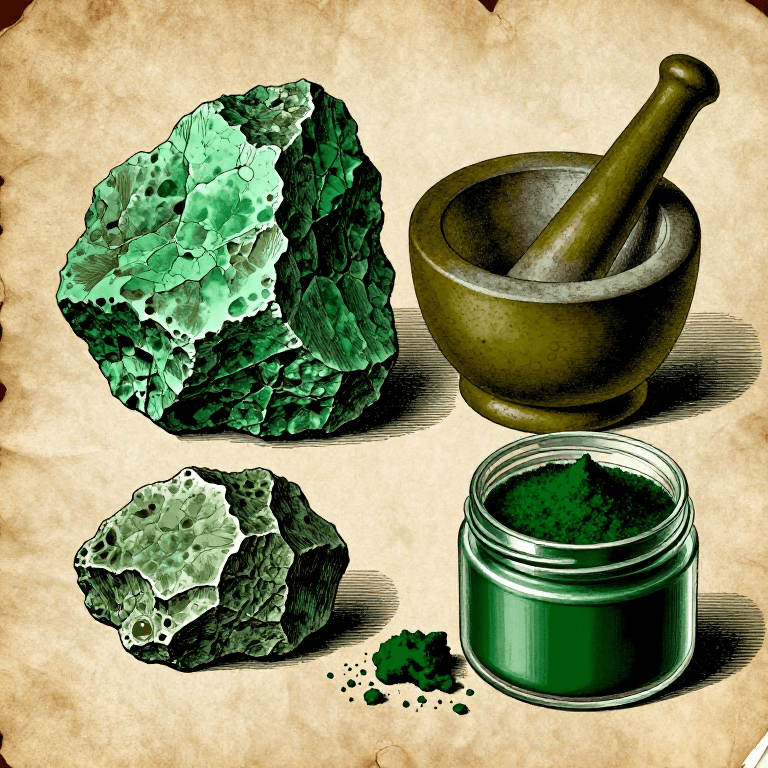
Making Malachite Green Pigment — Grinding the Copper Mineral into Painter's Green
Charlie দ্বারা
কলা
Making Verdigris — The Copper Acetate Green of Medieval Painters
Charlie দ্বারা
কলা
Making Woad Blue Pigment — Europe's Ancient Blue Before Indigo
Charlie দ্বারা
কলা
Making Indigo Pigment for Painting — Extracting the Blue Pigment Cake from Indigo Plant
Charlie দ্বারা
কলা
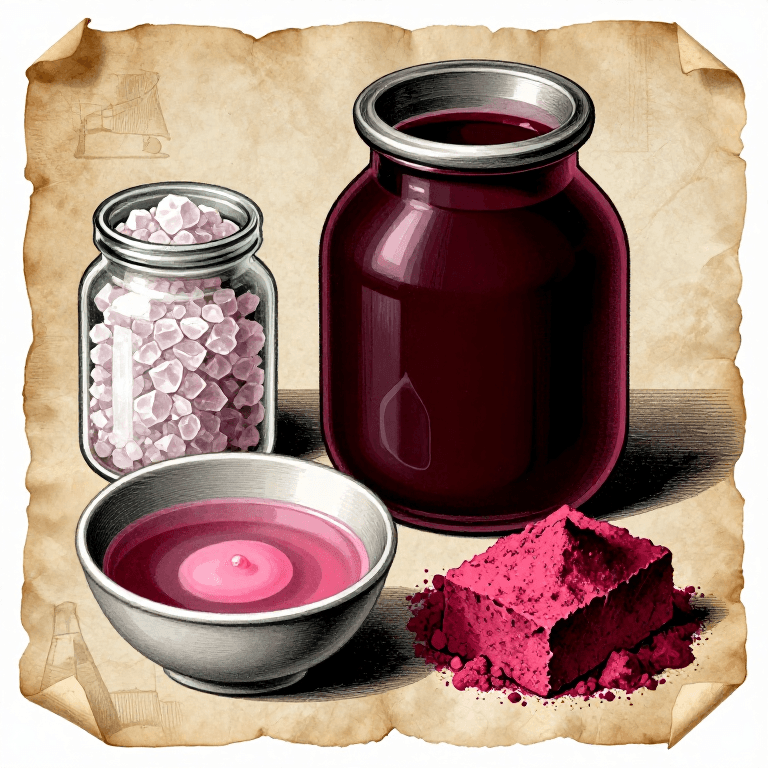
Making a Lake Pigment from Plant Dye — Precipitating Soluble Colour onto an Insoluble Substrate
Charlie দ্বারা
কলা
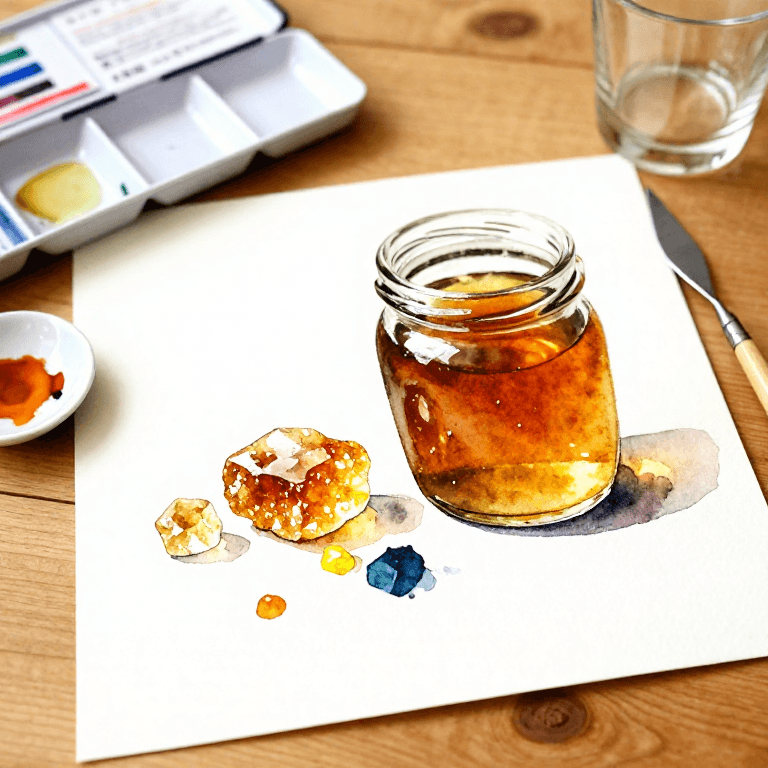
Making Watercolour Paint from Raw Pigments — Gum Arabic Binder
Charlie দ্বারা
কলা
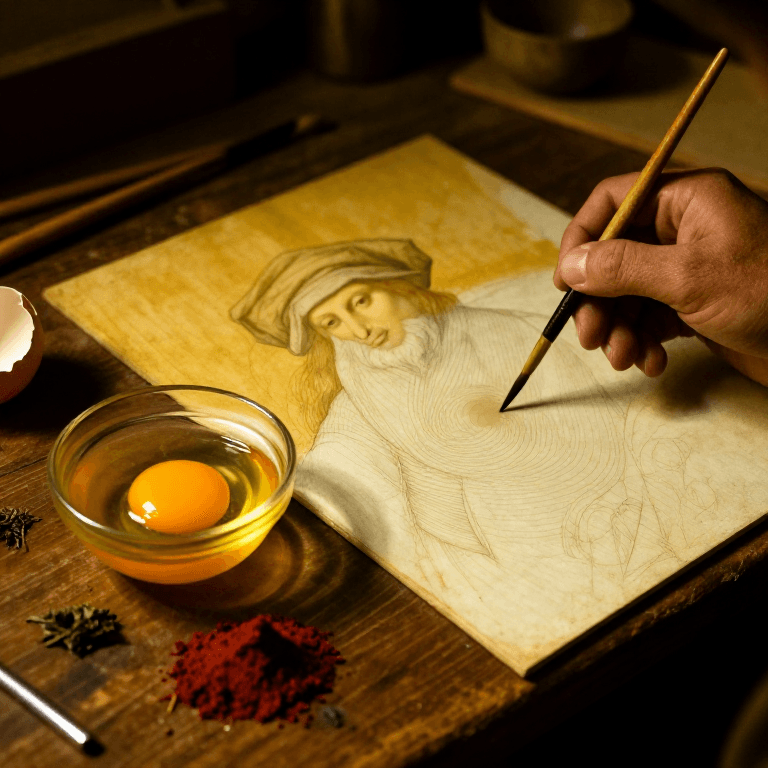
Making Egg Tempera Paint — The Medieval Panel Painting Medium
Charlie দ্বারা
কলা
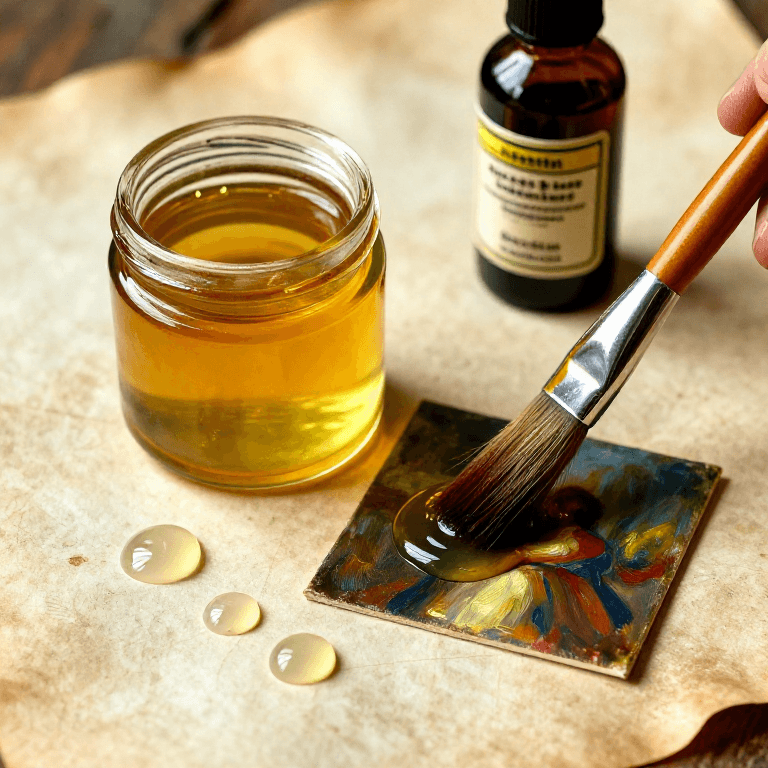
Making Dammar Varnish — The Clear Picture Varnish for Oil Paintings
Charlie দ্বারা
কলা
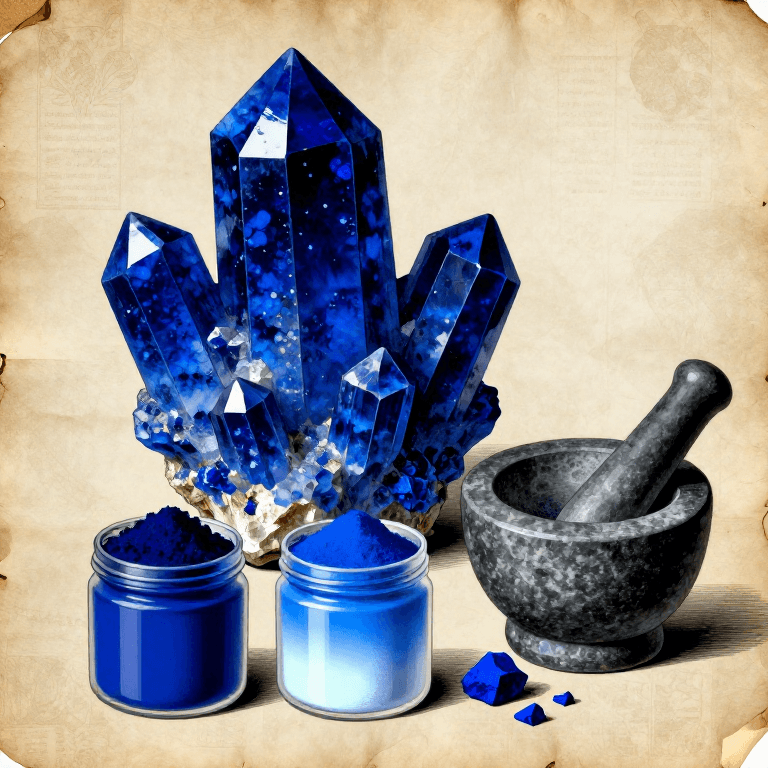
Making Azurite Blue Pigment — Grinding the Copper Mineral into the Blue of Medieval Painting
Charlie দ্বারা
কলা
CC0 পাবলিক ডোমেন
এই ব্লুপ্রিন্ট CC0-এর অধীনে প্রকাশিত। আপনি অনুমতি ছাড়াই যেকোনো উদ্দেশ্যে এটি অনুলিপি, পরিবর্তন, বিতরণ ও ব্যবহার করতে পারেন।
মেকারের ব্লুপ্রিন্টের মাধ্যমে পণ্য কিনে তাঁকে সমর্থন করুন, যেখানে তিনি আয় করেন মেকার কমিশন বিক্রেতাদের নির্ধারিত, অথবা এই ব্লুপ্রিন্টের একটি নতুন সংস্করণ তৈরি করে নিজের ব্লুপ্রিন্টে সংযোগ হিসেবে যুক্ত করে আয় ভাগ করুন।