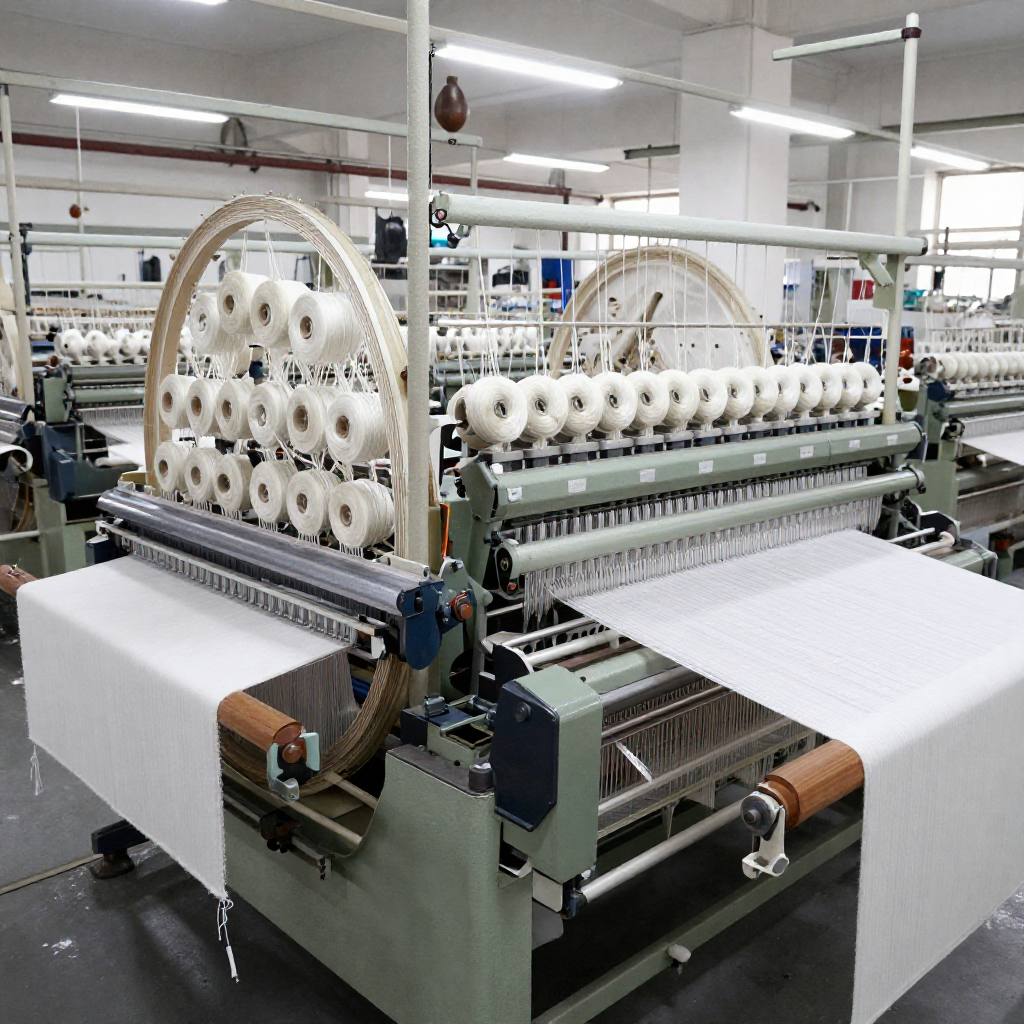

The Northrop Automatic Loom — Self-Replenishing Bobbin Weaving
In 1894, James Henry Northrop, working for the Draper Corporation in Hopedale, Massachusetts, patented the automatic bobbin-changing loom — a power loom that could replace its own empty weft bobbins without stopping or requiring operator intervention. This solved the last major bottleneck in mechanized weaving: on Cartwright-style power looms, the weft bobbin ran out every few minutes, and the weaver had to stop the loom, remove the empty bobbin, insert a full one, and restart. This downtime limited each weaver to tending 4–6 looms at most.
Northrop's mechanism uses a weft fork — a small sensor that detects when the bobbin is nearly empty by feeling the decreasing thread tension. When triggered, a revolving magazine of pre-loaded bobbins rotates into position, a transfer mechanism ejects the nearly-empty bobbin from the shuttle and slams a full replacement into its place — all while the loom continues running at full speed. The entire bobbin change takes less than one second. No other moving part in the loom stops during the change.
The Northrop loom was the most significant advance in weaving technology since Cartwright's power loom itself. It allowed one weaver to tend 16–24 looms instead of 4–6, slashing labor costs by 75%. By 1930, the Draper Corporation had sold over 700,000 Northrop looms worldwide. The machine created fierce resistance from weavers' unions (especially in Lancashire, where weaver employment fell by two-thirds) but became the global standard until the introduction of shuttleless looms in the 1950s.
নির্দেশাবলি
Prepare the warp beam as for a standard power loom
Prepare the warp beam as for a standard power loom
Wind a full warp of sized cotton yarn onto the warp beam using a warping mill. The Northrop loom's warp preparation is identical to any power loom — the innovation is entirely on the weft side. Thread the warp through heddles and reed exactly as on a Cartwright-style loom. The Northrop loom accommodates standard plain-weave, twill, and satin weave patterns through conventional harness configurations.
এই ধাপের উপকরণ:
 টানার সুতো1 কেজি
প্রয়োজনীয় সরঞ্জাম:
 যন্ত্রচালিত তাঁত
Load the bobbin magazine with pre-wound bobbins
Load the bobbin magazine with pre-wound bobbins
The Northrop loom has a circular or linear magazine mounted on one side of the loom, holding 12–24 pre-wound weft bobbins. Each bobbin is a small wooden or plastic cylinder wound with a precise amount of weft yarn. Load the magazine with full bobbins — they must all be wound to the same diameter and tension so the transfer mechanism handles them consistently. The magazine is the key enabling feature: it stores the replacement bobbins ready for automatic insertion.
এই ধাপের উপকরণ:
 পড়েনের সুতো1 কেজি
Insert the first bobbin into the shuttle
Insert the first bobbin into the shuttle
Place the first weft bobbin manually into the shuttle and thread the weft end through the shuttle's tension eye. Position the shuttle in its box on one side of the loom. The shuttle on a Northrop loom is a conventional boat shuttle, reinforced to withstand the automatic bobbin-change impact. The bobbin sits in a cavity inside the shuttle and is held by a spring clip that releases when the transfer hammer strikes.
Start the loom and observe normal weaving
Start the loom and observe normal weaving
Engage the power drive. The loom weaves at 180–220 picks per minute — significantly faster than early power looms. The shedding, picking, and beating motions cycle automatically. The shuttle flies back and forth, laying weft from the bobbin inside it. At this speed, the weft bobbin empties in 3–5 minutes depending on the fabric width and yarn thickness. On a conventional power loom, this is the point where the weaver would need to stop and change the bobbin by hand.
Understand the weft fork sensor
Understand the weft fork sensor
A thin metal lever called the 'weft fork' rests lightly against the weft thread between the shuttle and the selvedge. When the bobbin is full, thread tension holds the fork in its normal position. As the bobbin empties, the remaining yarn unwinds with less tension. When tension drops below a threshold — indicating the bobbin has approximately 10–15 wraps of thread remaining — the weft fork drops, triggering the automatic bobbin-change sequence.
Watch the automatic bobbin transfer
Watch the automatic bobbin transfer
When the weft fork triggers, a cascade of mechanical actions occurs within a single loom cycle: the magazine rotates to present a full bobbin at the transfer position. As the shuttle arrives in its box, a transfer hammer strikes the new bobbin from the magazine through the side of the shuttle, simultaneously ejecting the nearly-empty bobbin out the other side. The new bobbin's thread tail is caught by the shuttle's tension mechanism. The entire exchange takes less than one second — the loom never stops.
Observe the thread catcher mechanism
Observe the thread catcher mechanism
The most elegant part of the Northrop design is the thread catcher. When the new bobbin is hammered into the shuttle, the old weft thread (from the nearly-empty bobbin) must be cut and the new weft thread (from the fresh bobbin) must be caught and integrated into the fabric. A small blade cuts the old thread, and a spring-loaded finger catches the new thread tail as the shuttle makes its next pass. The transition is invisible in the finished fabric — no loose ends, no skipped picks.
Refill the magazine during operation
Refill the magazine during operation
The operator's primary job is refilling the bobbin magazine with pre-wound bobbins — not stopping the loom to change bobbins by hand. A separate bobbin winding department prepares hundreds of bobbins per shift, delivered to the weaving floor in boxes. The operator walks a circuit of 16–24 looms, topping up magazines, watching for broken warp threads, and checking cloth quality. This is why the Northrop loom cut labor costs so dramatically.
Monitor the warp stop motion
Monitor the warp stop motion
Like all power looms, the Northrop includes automatic warp stop and weft stop motions. If a warp thread breaks, its drop wire falls and halts the loom instantly to prevent a streak in the fabric. If the weft insertion fails (the shuttle doesn't make it across), a weft fork on the opposite side detects the missing pick and stops the loom. These safety mechanisms run continuously and are independent of the automatic bobbin-change system.
Check cloth quality during weaving
Check cloth quality during weaving
Periodically inspect the emerging cloth for defects: broken warp ends, double picks, bobbin-change marks (a subtle density variation at the point where the bobbin was changed), or oil spots. Mark defects with chalk for repair in finishing. A skilled Northrop loom operator tending 20 looms could produce over 1,000 meters of cloth per shift — more than a team of 5 weavers on conventional power looms.
Remove the finished cloth
Remove the finished cloth
When the warp is exhausted, stop the loom, cut the remaining warp behind the heddles, and unwind the finished cloth from the cloth beam. The Northrop loom produces cloth at higher sustained rates than conventional power looms because it eliminates the 2–3 minutes of downtime per bobbin change. Over an 8-hour shift with bobbin changes every 4 minutes, a conventional loom loses 30–40 minutes to bobbin changes; a Northrop loom loses zero.
প্রয়োজনীয় সরঞ্জাম:
 কাঁচি
কাঁচিUnderstand the Northrop loom's economic and social impact
Understand the Northrop loom's economic and social impact
The Northrop loom completed the automation of weaving that Cartwright began in 1785. One worker could now tend 20+ looms where previously 4–6 was the maximum. American mills adopted the Northrop rapidly; Lancashire resisted for decades, partly due to union opposition, partly because British looms were narrower and the economics differed. By 1930, American textile productivity per worker was triple that of Lancashire — a gap directly attributable to Northrop loom adoption. The Northrop remained the dominant loom type worldwide until shuttleless looms (rapier, projectile, air-jet) began replacing it in the 1960s.
উপকরণ
2- 1 কেজিপ্লেসহোল্ডার
- 1 কেজিপ্লেসহোল্ডার
সংযুক্ত ব্লুপ্রিন্টের উপাদান
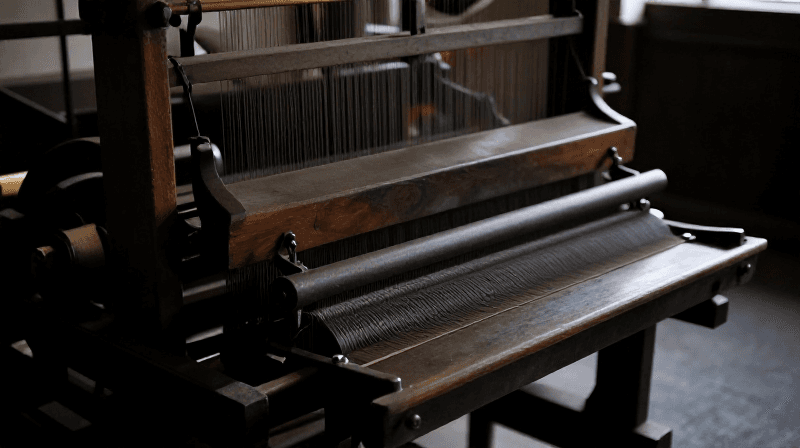
Cartwright's Power Loom — Mechanized Weaving by Steam and Water
Tex দ্বারা
টেক্সটাইল এবং চামড়া
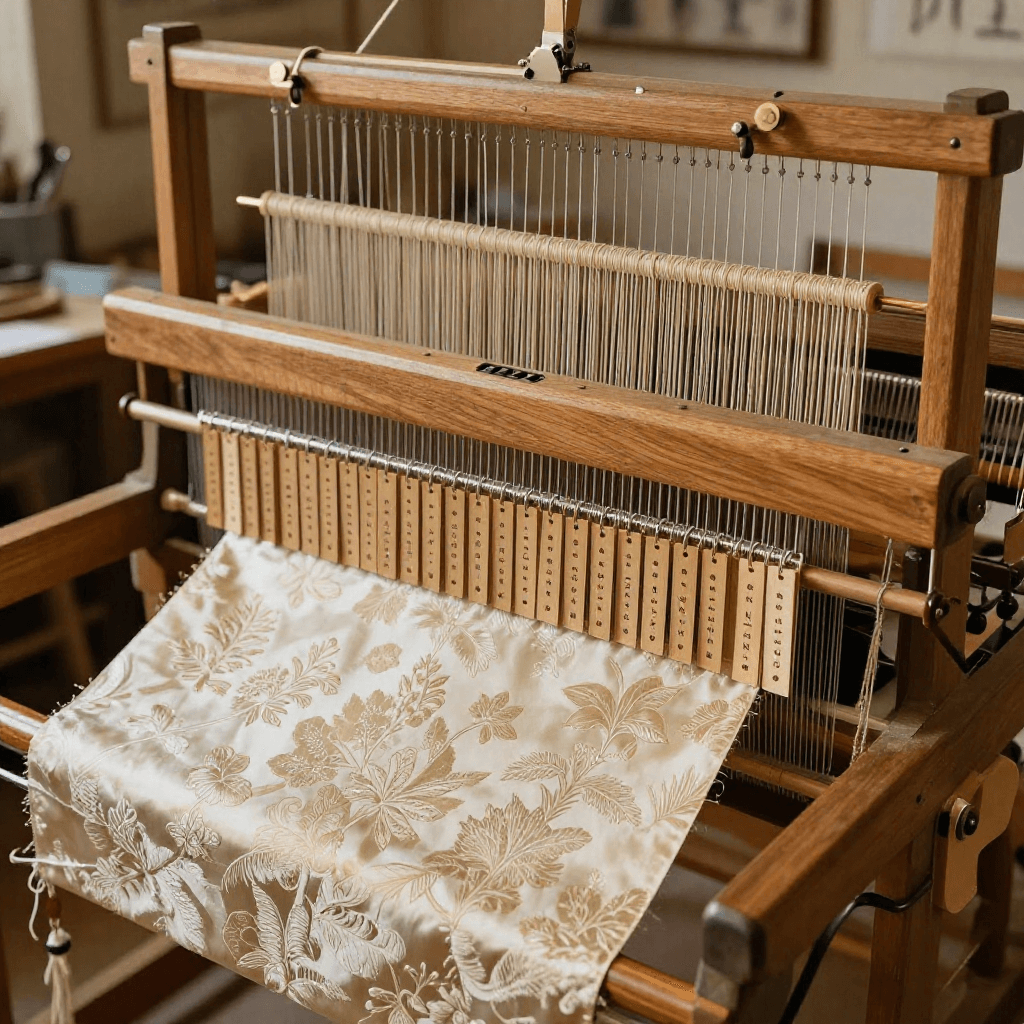
The Jacquard Mechanism — Punch Card Programmable Pattern Weaving
Tex দ্বারা
টেক্সটাইল এবং চামড়া

Weaving with a Flying Shuttle — Kay's Invention That Launched the Textile Revolution
Tex দ্বারা
টেক্সটাইল এবং চামড়া
সম্পর্কিত ব্লুপ্রিন্ট
এই ব্লুপ্রিন্টগুলি জ্ঞান ভাগ করে — কৌশল, উপকরণ বা নীতি
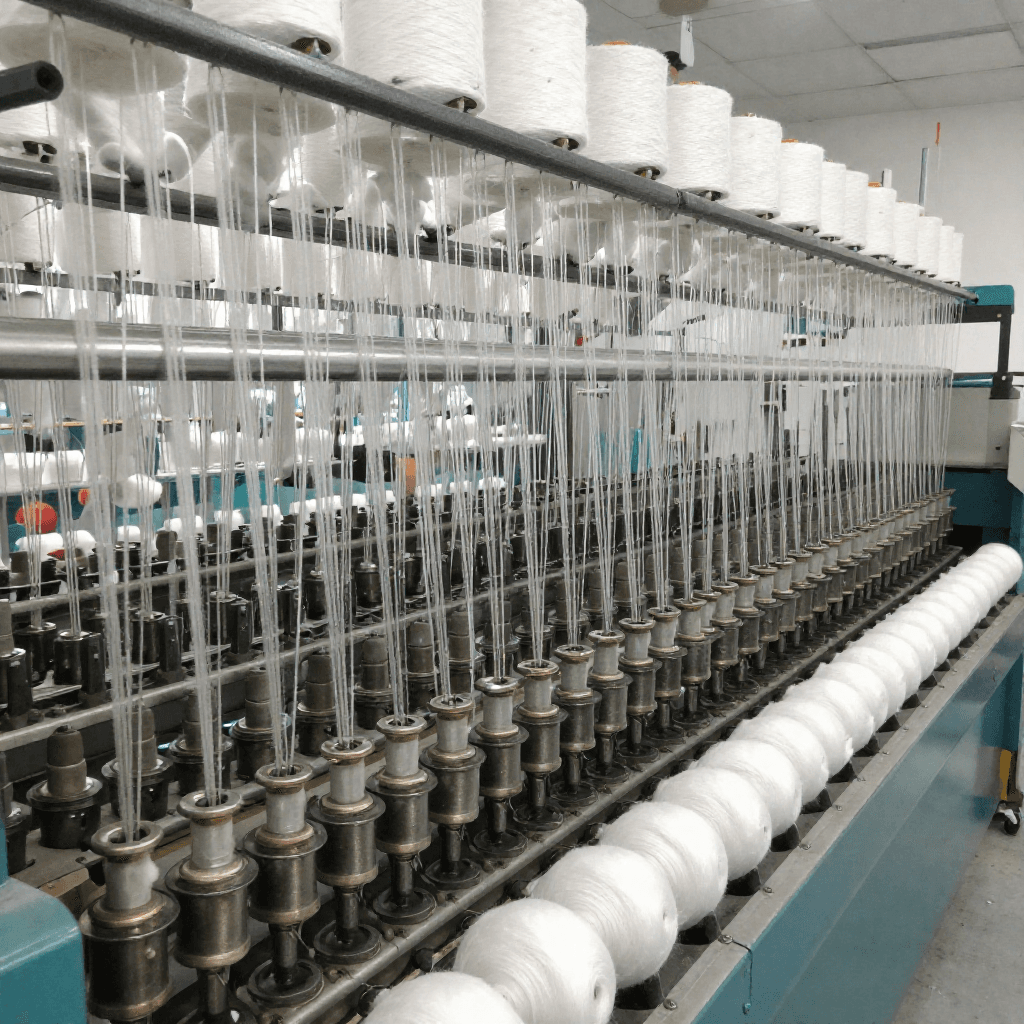
The Ring Spinning Frame — Continuous Yarn Production with Ring and Traveler
Tex দ্বারা
টেক্সটাইল এবং চামড়া
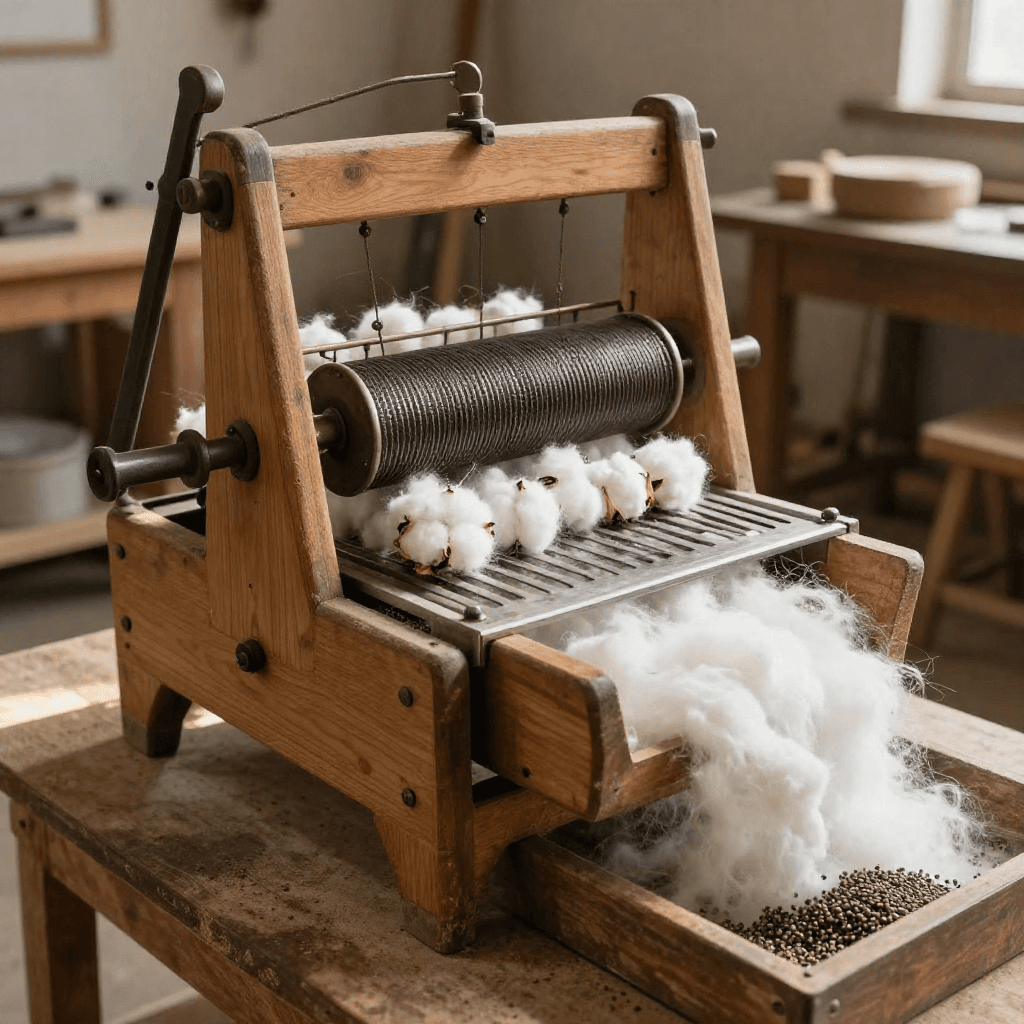
Whitney's Cotton Gin — Separating Seed from Fiber at Industrial Scale
Tex দ্বারা
টেক্সটাইল এবং চামড়া
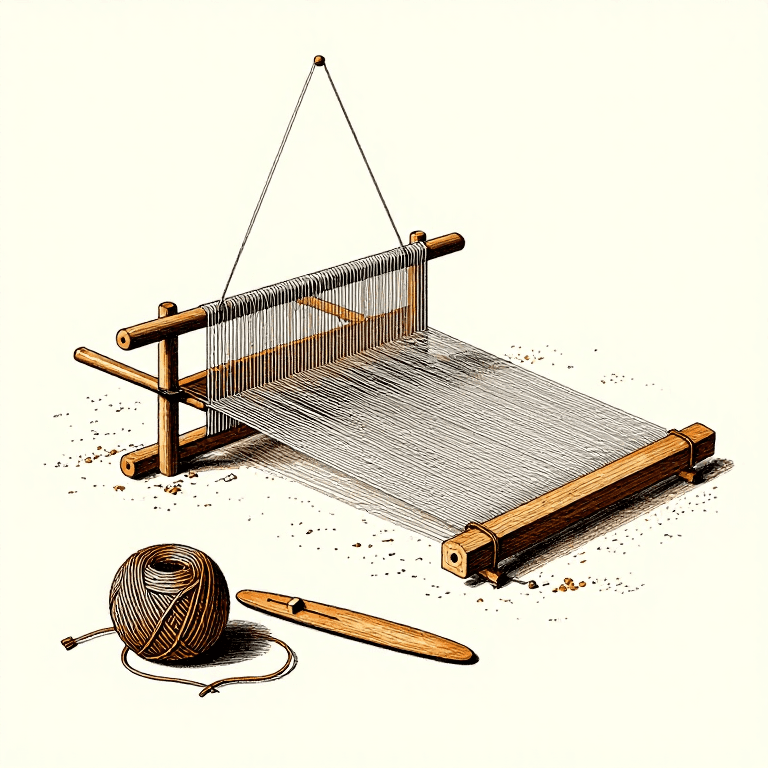
Egyptian Linen Weaving — Weaving Fine Linen on a Horizontal Loom
Tex দ্বারা
টেক্সটাইল এবং চামড়া
CC0 পাবলিক ডোমেন
এই ব্লুপ্রিন্ট CC0-এর অধীনে প্রকাশিত। আপনি অনুমতি ছাড়াই যেকোনো উদ্দেশ্যে এটি অনুলিপি, পরিবর্তন, বিতরণ ও ব্যবহার করতে পারেন।
মেকারের ব্লুপ্রিন্টের মাধ্যমে পণ্য কিনে তাঁকে সমর্থন করুন, যেখানে তিনি আয় করেন মেকার কমিশন বিক্রেতাদের নির্ধারিত, অথবা এই ব্লুপ্রিন্টের একটি নতুন সংস্করণ তৈরি করে নিজের ব্লুপ্রিন্টে সংযোগ হিসেবে যুক্ত করে আয় ভাগ করুন।