སྒྱུ་རྩལ
མཛེས་སྡུག་དང་བདེ་ཐང
བཟོ་རིག
རིག་གནས་དང་ལོ་རྒྱུས
དགའ་སྟོན
ཁོར་ཡུག
ཟས་དང་བཏུང་རྫས
ཕྱིར་འཕྲུལ་རིག
ཚན་རིག
རྩེད་འགྲན
རིག་རྩལ
གྱོན་རུང
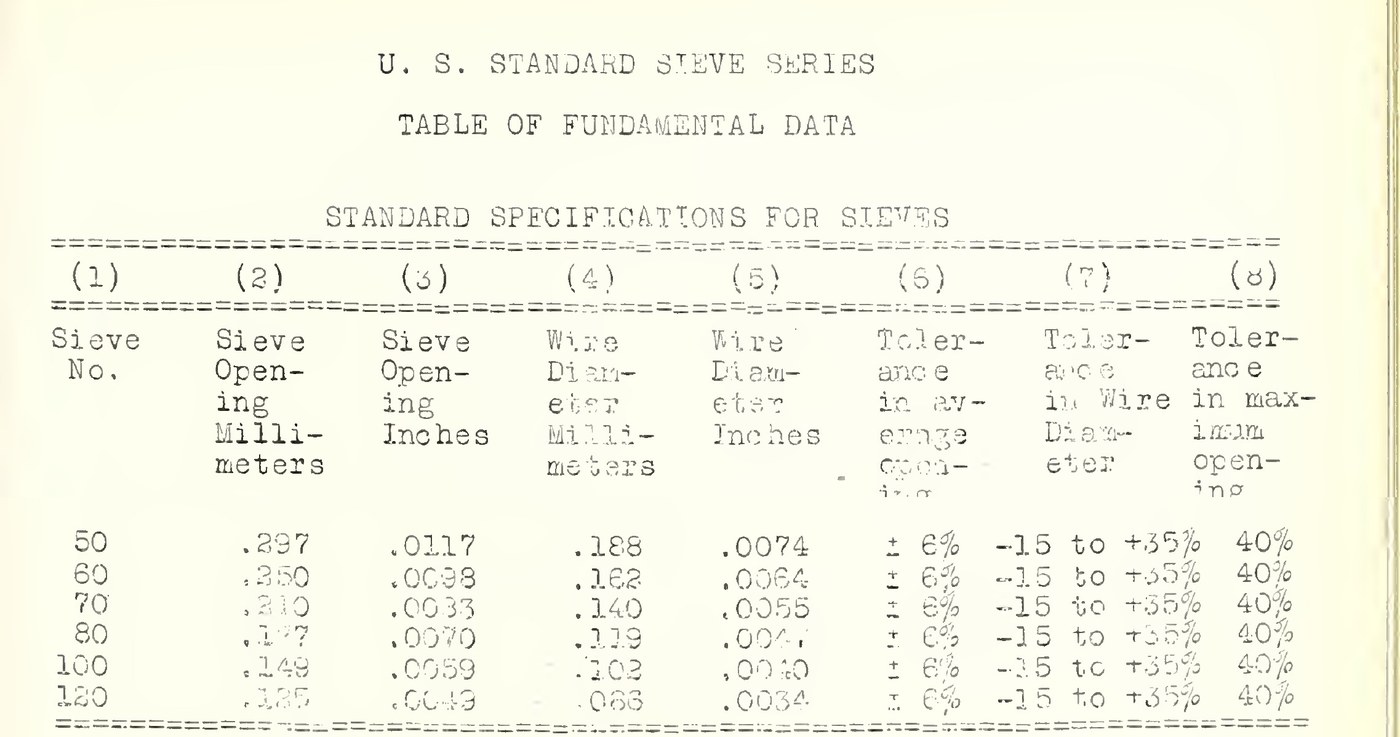


120-Mesh Sieve: U.S. Standard Sieve No. 120 (Bureau of Standards, 1924)
The standard testing sieve No. 120: plain-woven brass or bronze wire cloth with 0.125 mm (0.0049 in) openings and 0.086 mm (0.0034 in) wire, soldered smoothly into a round frame about 20 cm (8 in) across.
Result: a sieve that passes grains under 0.125 mm and holds back larger ones, made to the Bureau of Standards tolerances.
Source: Bureau of Standards, Letter Circular 74, Standard Specifications for Sieves (revised 1924). Unknown: the frame metal and the weaving. Picture: the Bureau's table.
བར་མ
Unknown
ལམ་སྟོན
1
1
Weave the wire cloth
Weave the wire cloth
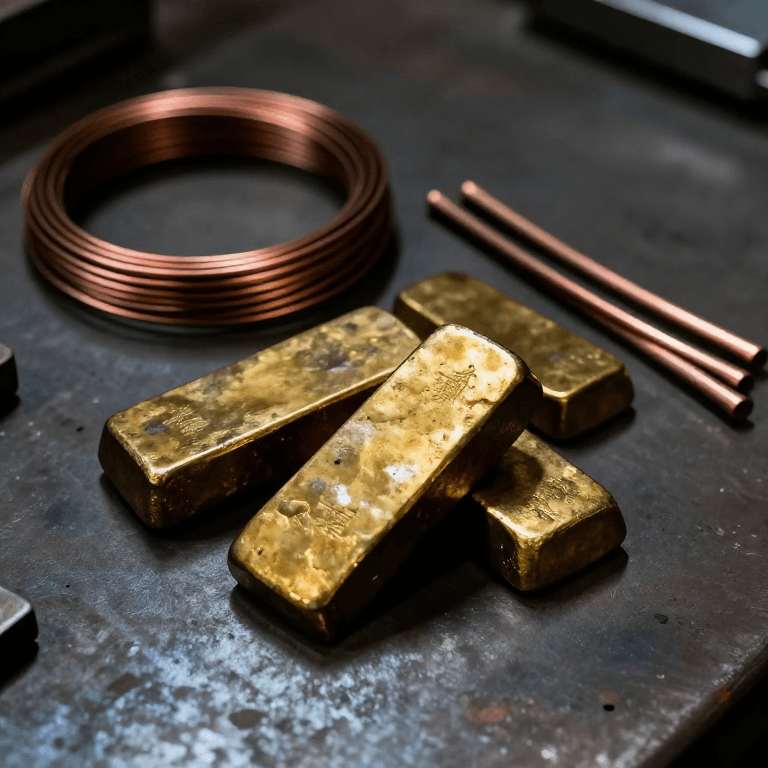
Weave plain (not twilled) cloth from brass, bronze or other suitable wire 0.086 mm (0.0034 in) thick, so the openings between adjacent wires are 0.125 mm (0.0049 in) each way, about 120 wires to the inch. Ours: bronze wire. Not given: how it is woven.
གོམ་པ་འདིའི་རྫས་རིགས:
 རག་གི་ཟངས་སྐུད།1 warp and shoot wires
ལག་ཆས་དགོས་མཁོ:
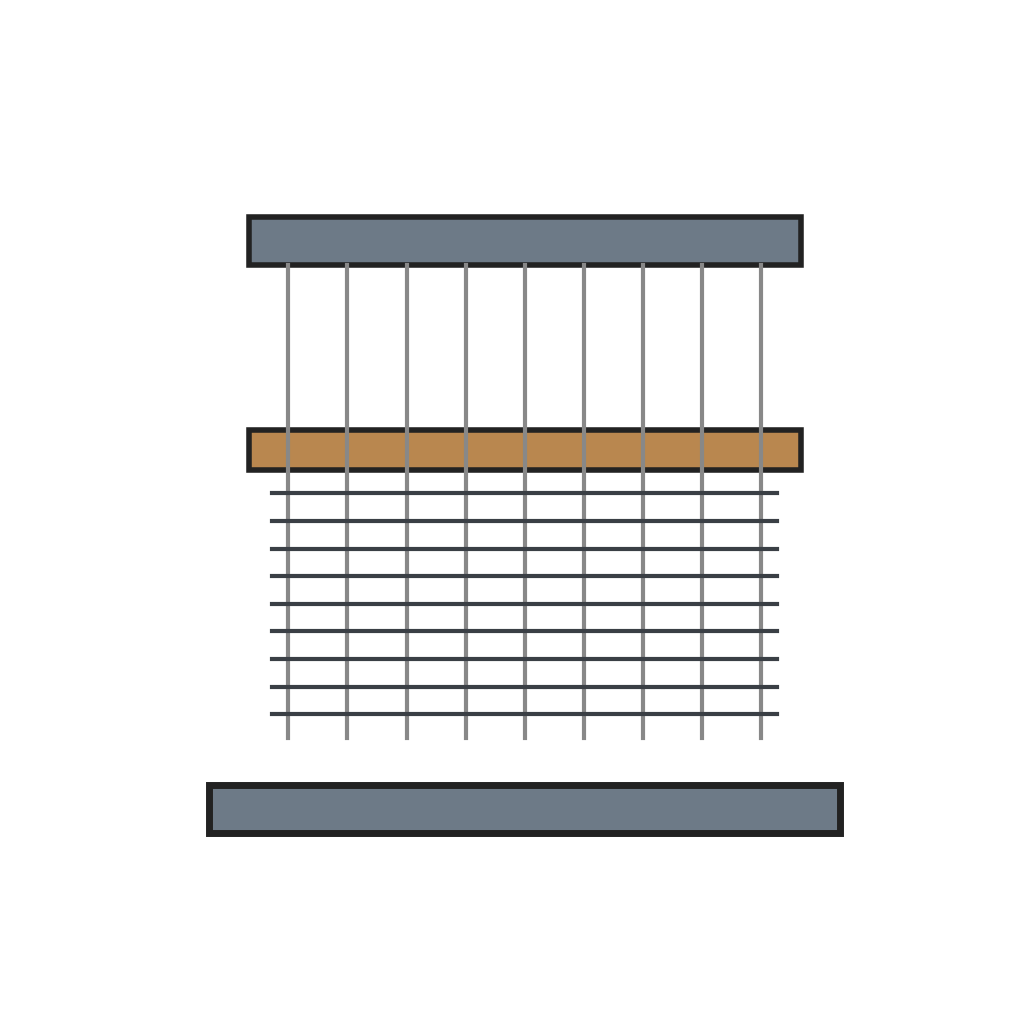 ལྕགས་སྐུད་དྲྭ་བ་ཐགས་ཆས།
2
2
Make the frame
Make the frame
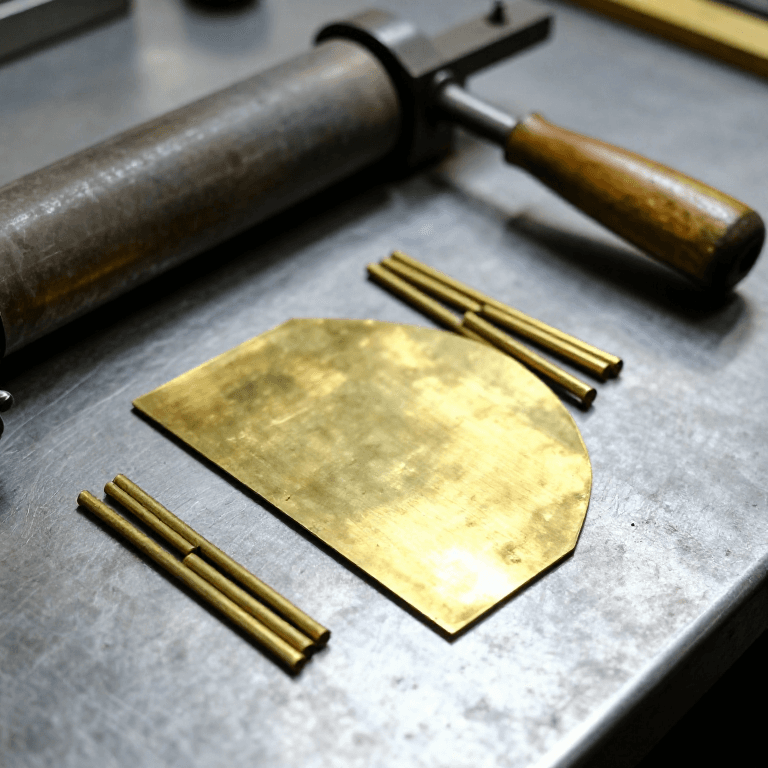
Make a circular frame about 20 cm (8 in) across, with about 5 cm (2 in), or 2.5 cm (1 in), between its top and the cloth. Ours: brass strip. Not given: the frame metal.
གོམ་པ་འདིའི་རྫས་རིགས:
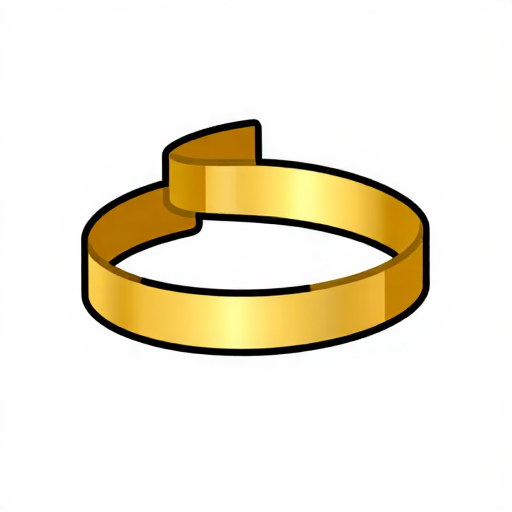 རག་གི་ཐིག་ལེབ།1 frame
ལག་ཆས་དགོས་མཁོ:
 ལྕགས་ལེབ་གཏུབ་ནིའི་ཇེམ་ཙི།
 ཞ་བཏབ་ནིའི་ལྕགས།
3
3
Mount the cloth
Mount the cloth
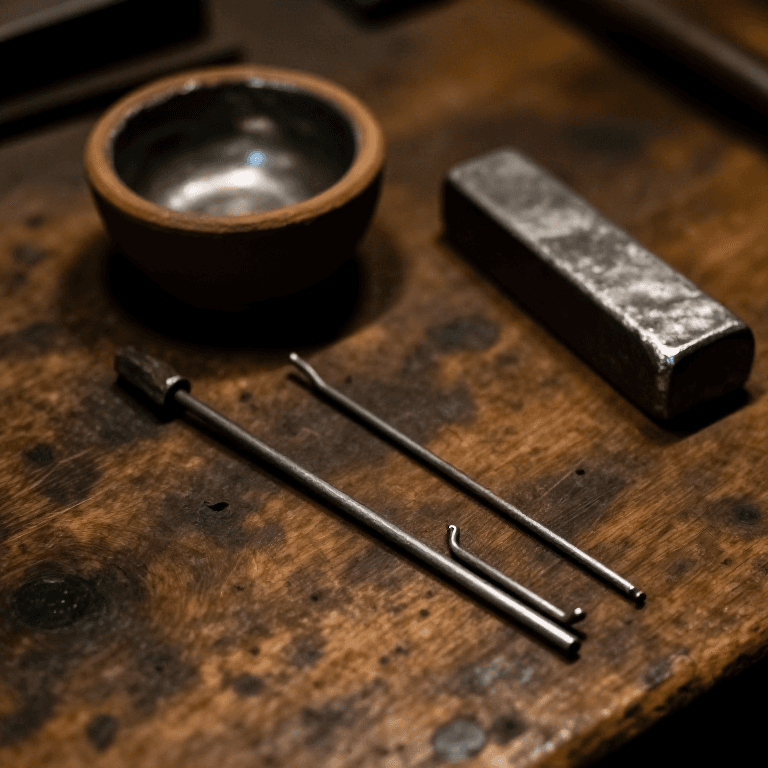
Mount the cloth on the frame without distorting it. Fill the joint between cloth and frame smoothly with solder, so the material being sieved cannot catch in it.
གོམ་པ་འདིའི་རྫས་རིགས:
 གསའ-ཞ་ཡི་ལྷ་ཡིག1 joint
 ཞུ་རོགས་རྫས1 joint
ལག་ཆས་དགོས་མཁོ:
ཞ་བཏབ་ནིའི་ལྕགས།4
4
Check it against the tolerances
Check it against the tolerances
Measure the warp and shoot wires separately. Their average opening must be 0.125 mm within ±6 %, their average diameter 0.086 mm within −15 to +35 %, and no opening may exceed 0.125 mm by more than 40 %. Reject a sieve with punctures, loose or wavy cloth, poor soldering, or too many large openings.
ལག་ཆས་དགོས་མཁོ:
 ཕྲ་འཇལ་ཆས།
 ཆེ་བཟོའི་ཤེལ་སྒོར།
རྫས་རིགས
4- 1 warp and shoot wiresས་ཆ་འཛིན
- 1 frameས་ཆ་འཛིན
- 1 jointས་ཆ་འཛིན
- 1 jointས་ཆ་འཛིན
ལག་ཆས་དགོས་མཁོ
5- ས་ཆ་འཛིན
- ས་ཆ་འཛིན
- 2 vendors sell this, none ship to you yetས་ཆ་འཛིན
- ས་ཆ་འཛིན
- ས་ཆ་འཛིན
མཐུད་སྦྲེལ་བིལུ་པིརིན་ཊི་རྫས་རིགས


བིལུ་པིརིན་ཊི་འདི་གིས་བཟོ་མི
CC0 སྤྱི་དབང
བིལུ་པིརིན་ཊི་འདི་CC0 འོག་བཀྲམས་ཡོད། ཁྱེད་རང་གིས་ཆོག་མཆན་མ་བཞེས་པར་ཕབ་ལེན་དང་བཟོ་བཅོས། བགོ་བཤའ། དགོས་མཁོ་གང་ལའང་བཀོལ་སྤྱོད་བྱས་ཆོག
བཟོ་མཁན་ལ་རྒྱབ་སྐྱོར་བྱེད་པའི་ཆེད་ཁོང་ཚོའི་བིལུ་པིརིན་ཊི་བརྒྱུད་ཐོན་སྐྱེད་ཉོ། བཟོ་མཁན་གྱིས བཟོ་མཁན་གྱི་ཁེ་ཕོགས ཚོང་པས་གཏན་འཁེལ་བྱས་པ། ཡང་ན་བིལུ་པིརིན་ཊི་འདིའི་པར་གསར་བཟོས་ཏེ་ཁྱེད་རང་གི་བིལུ་པིརིན་ཊི་ནང་མཐུད་སྦྲེལ་བྱས་ཏེ་ཡོང་སྒོ་བགོ་བཤའ་བྱེད།