སྒྱུ་རྩལ
མཛེས་སྡུག་དང་བདེ་ཐང
བཟོ་རིག
རིག་གནས་དང་ལོ་རྒྱུས
དགའ་སྟོན
ཁོར་ཡུག
ཟས་དང་བཏུང་རྫས
ཕྱིར་འཕྲུལ་རིག
ཚན་རིག
རྩེད་འགྲན
རིག་རྩལ
གྱོན་རུང
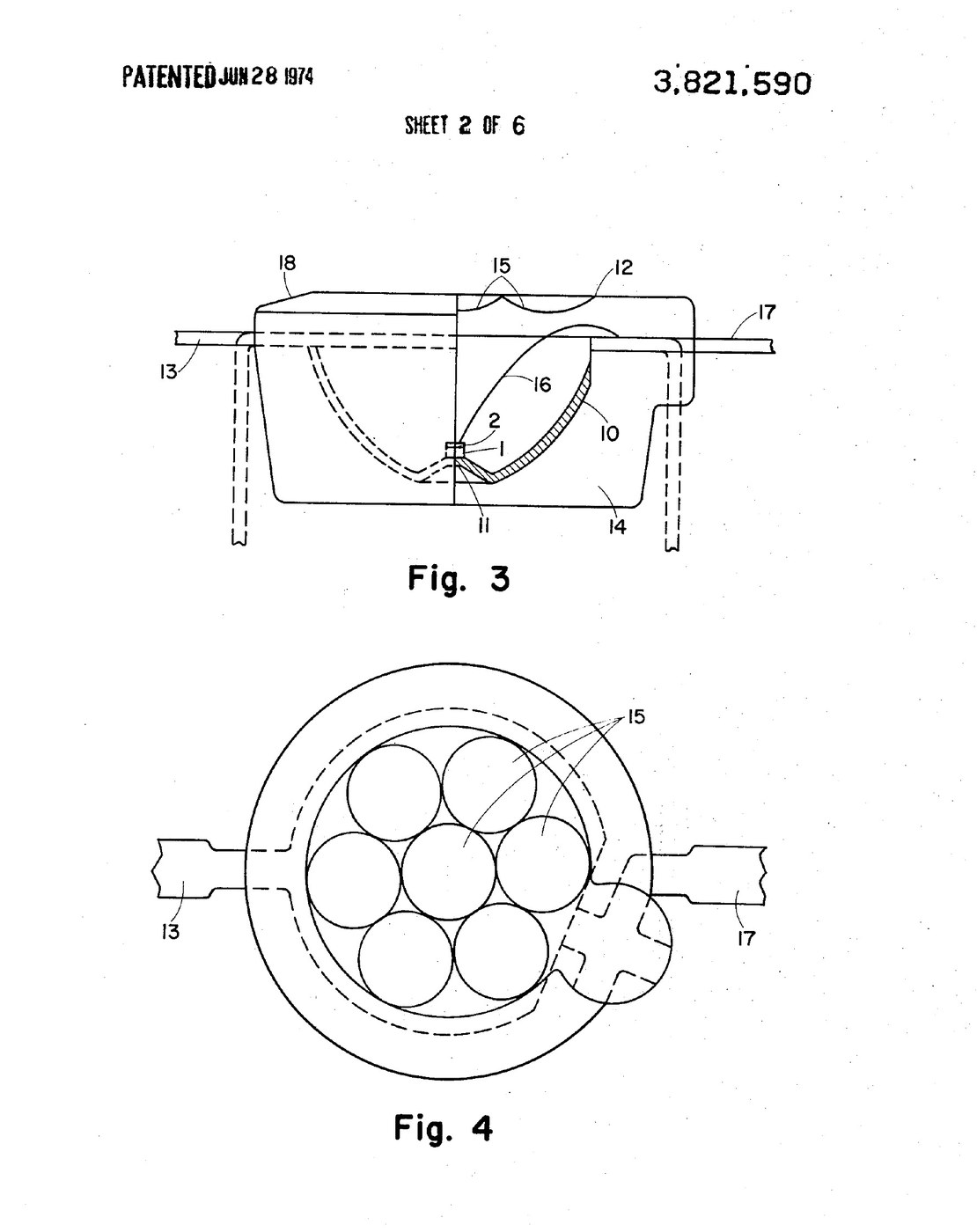

5mm LED: Epoxy Lamp with a Reflector-Cup Lead Frame (Kosman, US 3,821,590, 1974)
A round LED indicator lamp about 0.200 in (5 mm) across. A red GaP chip sits on a small pedestal at the focus of a paraboloid reflector cup that is part of the lead frame. A fine wire runs from the chip to the other lead. The whole is moulded in clear or tinted epoxy, with small lenses moulded into the front face to spread the light.
Result: an encapsulated LED lamp visible within about ±45°, moulded many at a time on one lead frame.
Source: K. J. W. Kosman and L.-P. Boivin (Northern Electric), US 3,821,590 (1974). Unknown: lead and wire metals, die attach and cure. Picture: the patent drawing.
ཆེས་མཁས་པ
Unknown
ལམ་སྟོན
1
1
Make the lead frame with its reflector
Make the lead frame with its reflector
Make a lead frame carrying many lamps. In each, the negative lead ends in a paraboloid reflector cup with a small pedestal at its focus, and the positive lead ends nearby. Not given: the metal, sizes beyond the lamp's 0.200 in diameter.
གོམ་པ་འདིའི་རྫས་རིགས:
 མ་ཤེས་པའི་ལྕགས་རིགས།1 lead frame
ལག་ཆས་དགོས་མཁོ:
 མ་ཤེས་པའི་ཚད།
2
2
Mount and bond the chip
Mount and bond the chip
Mount a light-emitting chip with a P-N junction, for example red GaP:Zn,O, on the pedestal, so the cup makes contact with one side of the junction. Connect the other side by a fine wire to the positive lead. About 0.015 in square is the junction size Kosman gives for best efficiency. Not given: the die attach, the wire metal.
གོམ་པ་འདིའི་རྫས་རིགས:
 ཨེལ་ཨི་ཌི་ ཅིབ།1 light-emitting chipམ་ཤེས་པའི་ལྕགས་རིགས།1 bond wire
ལག་ཆས་དགོས་མཁོ:
མ་ཤེས་པའི་ཚད།3
3
Transfer-mould the lamps
Transfer-mould the lamps
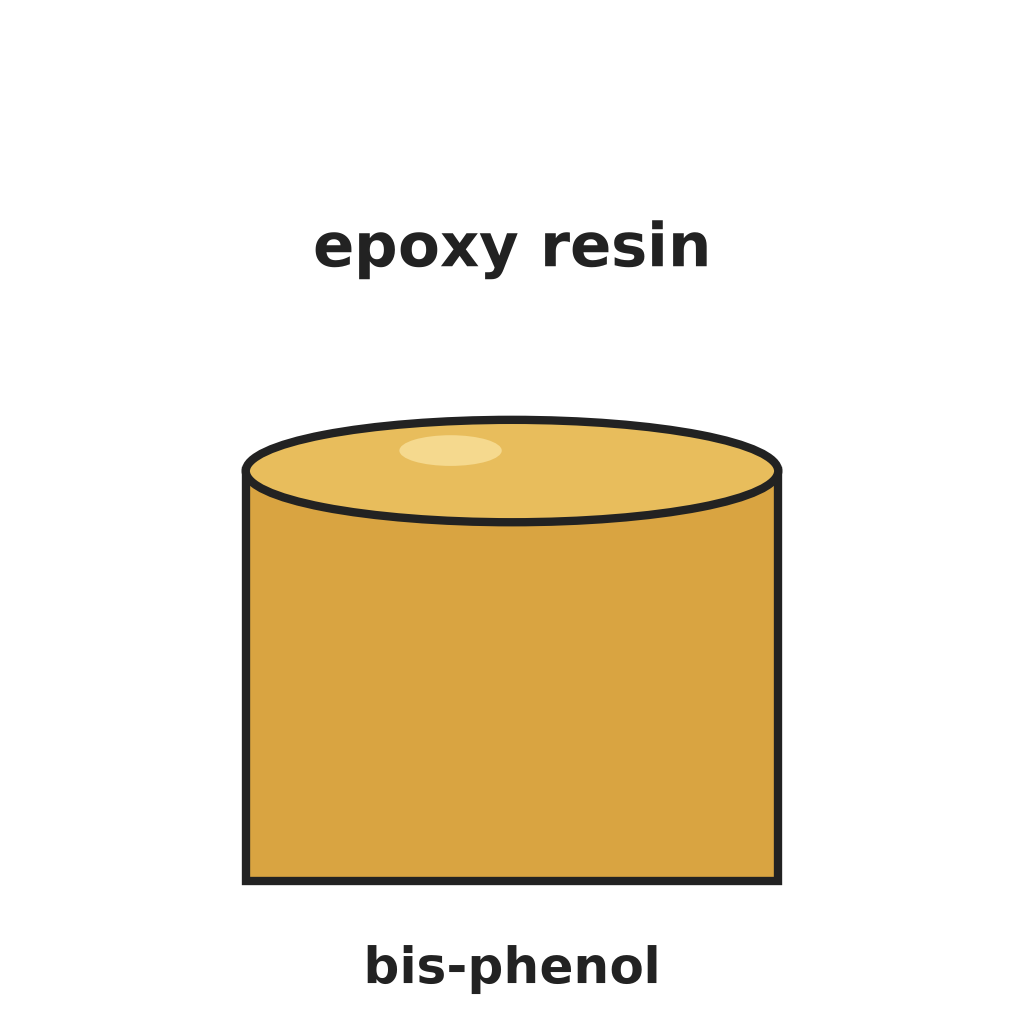
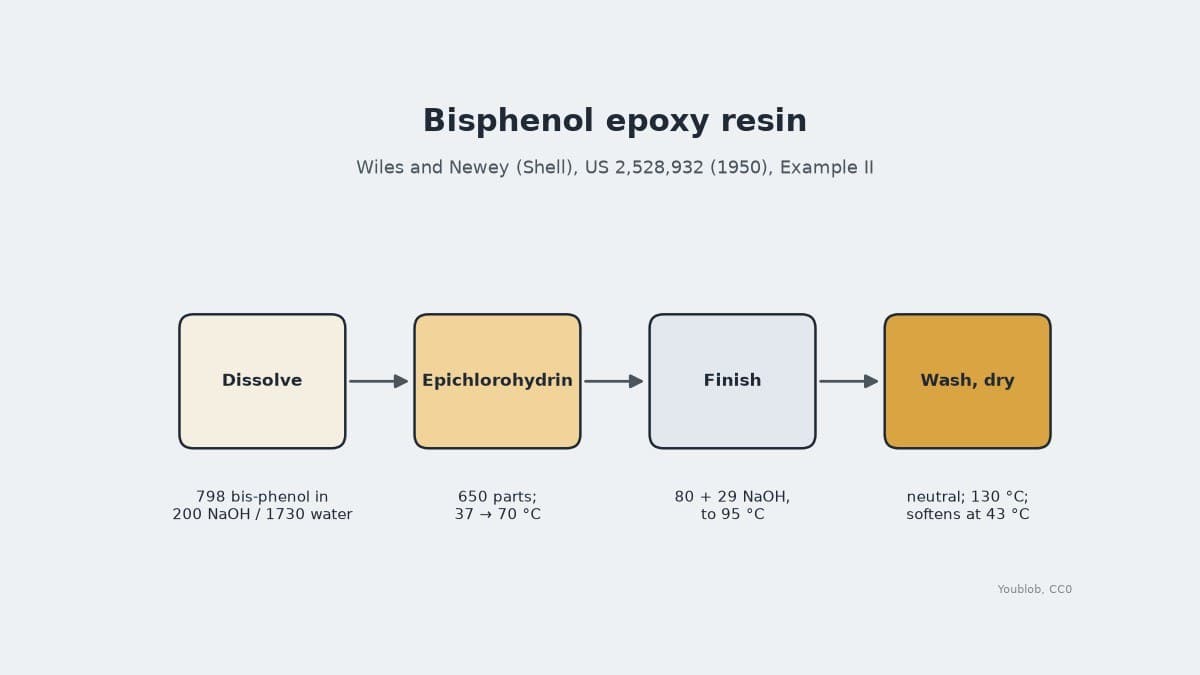
Set the bonded lead frame in a mould and transfer-mould clear or tinted thermosetting resin round all the lamps at once, front face down so any flaws fall at the back. The front face carries seven spherical lenses, six in a ring round one, each 0.045 in across with a radius about 0.8 times its width; an inclined edge sends some light out sideways. Ours: bisphenol epoxy (the patent lists epoxy, silicone, polyester or diallyl phthalate). Not given: the mould, the cure.
གོམ་པ་འདིའི་རྫས་རིགས:
 བི་སི་ཕི་ནཱོལ་ཨི་པོག་སི་ཞུན་ཤིང1 capsule resin
ལག་ཆས་དགོས་མཁོ:
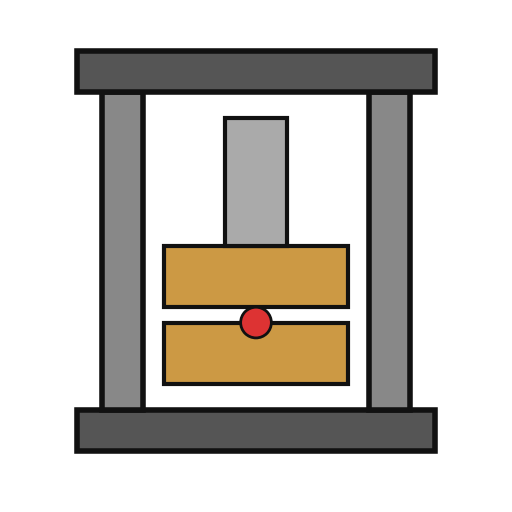 སྤོ་བཤུད་ཅན་གྱི་ དཔར་རྐོན་ཨེབ་ཆས།
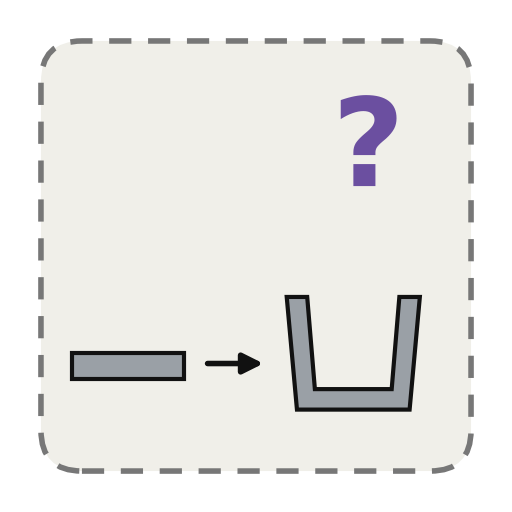 དབྱིབས་བཟོ་ཐངས་མ་ཤེས་པ།
4
4
Cut apart and test
Cut apart and test
Cut the lamps from the lead frame and light each one with current forward through the junction: the face shows seven bright spots in a 0.100 in image, visible up to about 45° off axis. Not given: the current.
ལག་ཆས་དགོས་མཁོ:
 ཐད་རྒྱུན་གློག་ཁུངས།
རྫས་རིགས
3- 1 bond wireས་ཆ་འཛིན
- 1 light-emitting chipས་ཆ་འཛིན
- 1 capsule resinས་ཆ་འཛིན
ལག་ཆས་དགོས་མཁོ
4- ས་ཆ་འཛིན
- ས་ཆ་འཛིན
- ས་ཆ་འཛིན
མཐུད་སྦྲེལ་བིལུ་པིརིན་ཊི་རྫས་རིགས

བིལུ་པིརིན་ཊི་འདི་གིས་བཟོ་མི
CC0 སྤྱི་དབང
བིལུ་པིརིན་ཊི་འདི་CC0 འོག་བཀྲམས་ཡོད། ཁྱེད་རང་གིས་ཆོག་མཆན་མ་བཞེས་པར་ཕབ་ལེན་དང་བཟོ་བཅོས། བགོ་བཤའ། དགོས་མཁོ་གང་ལའང་བཀོལ་སྤྱོད་བྱས་ཆོག
བཟོ་མཁན་ལ་རྒྱབ་སྐྱོར་བྱེད་པའི་ཆེད་ཁོང་ཚོའི་བིལུ་པིརིན་ཊི་བརྒྱུད་ཐོན་སྐྱེད་ཉོ། བཟོ་མཁན་གྱིས བཟོ་མཁན་གྱི་ཁེ་ཕོགས ཚོང་པས་གཏན་འཁེལ་བྱས་པ། ཡང་ན་བིལུ་པིརིན་ཊི་འདིའི་པར་གསར་བཟོས་ཏེ་ཁྱེད་རང་གི་བིལུ་པིརིན་ཊི་ནང་མཐུད་སྦྲེལ་བྱས་ཏེ་ཡོང་སྒོ་བགོ་བཤའ་བྱེད།