སྒྱུ་རྩལ
མཛེས་སྡུག་དང་བདེ་ཐང
བཟོ་རིག
རིག་གནས་དང་ལོ་རྒྱུས
དགའ་སྟོན
ཁོར་ཡུག
ཟས་དང་བཏུང་རྫས
ཕྱིར་འཕྲུལ་རིག
ཚན་རིག
རྩེད་འགྲན
རིག་རྩལ
གྱོན་རུང
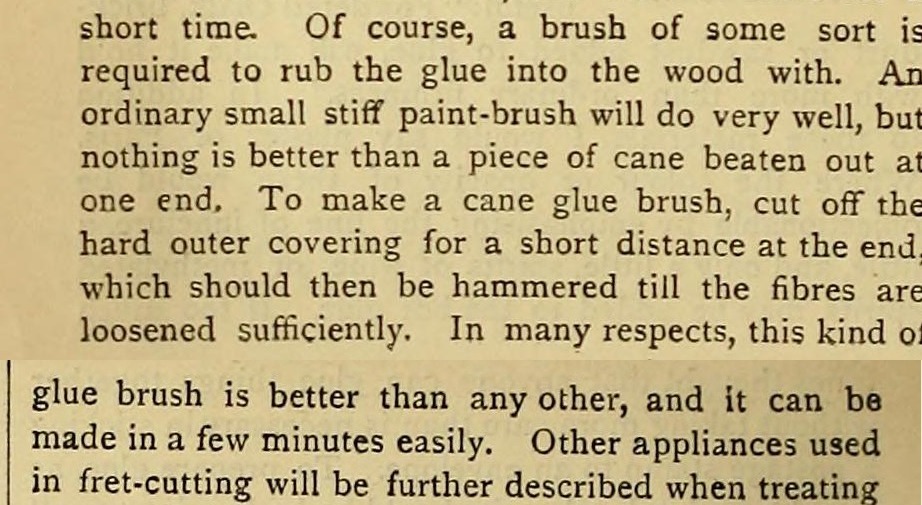


Cane Glue Brush: the Bark Stripped from One End and the Fibres Hammered Loose (Adamson, Amateur Work, 1887)
The fret-cutter's glue brush recommended by D. B. Adamson in Amateur Work (1887): a piece of cane with the hard outer skin cut away at one end and the end hammered until the fibres loosen into a stiff brush, "better than any other" for rubbing glue into wood.
འགོ་བཙུགས
A few minutes
ལམ་སྟོན
1
1
Read Adamson
Read Adamson
"Nothing is better than a piece of cane beaten out at one end."
2
2
Strip the end
Strip the end
Take a piece of cane (ours: about 15-20 cm) and cut off the hard outer covering for a short distance at one end (ours: about 2 cm).
གོམ་པ་འདིའི་རྫས་རིགས:
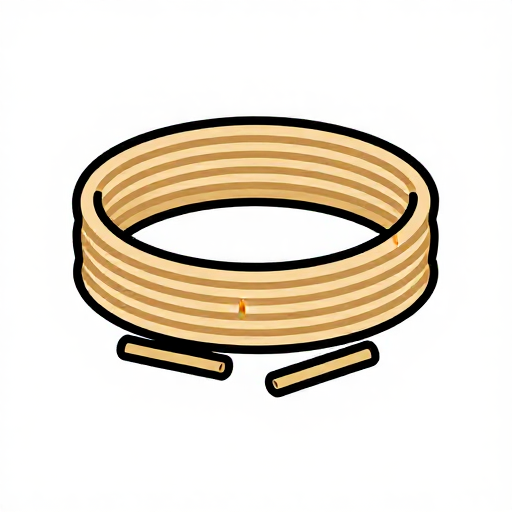 rattan1 དུམ་བུ།
ལག་ཆས་དགོས་མཁོ:
 ལས་ཀྱི་གྲི།
3
3
Beat out the fibres
Beat out the fibres
Lay the stripped end on a hard surface and hammer it until the fibres loosen into a brush.
ལག་ཆས་དགོས་མཁོ:
 ཐོ་བ།
4
4
Use it
Use it
Warm the glue by standing its can or bottle in a basin of hot water, then rub the glue well into the wood with the brush.
གོམ་པ་འདིའི་རྫས་རིགས:
 ཆུ།1 དུམ་བུ།
ལག་ཆས་དགོས་མཁོ:
 ཟོམ།
 སྤྱིན
5
5
Troubleshooting
Troubleshooting
Cane brush troubleshooting.
Flow
Loading...
6
6
History and honest limits
History and honest limits
From D. B. Adamson, "Fretsaw Work and Marquetry Cutting" III, **Amateur Work, Illustrated**, vol. VII (1887), p. 230 (checked on the archive.org scan amateurworkillus71887lond). He gives no lengths: those and the knife are ours.
བིལུ་པིརིན་ཊི་འདི་གིས་བཟོ་མི
CC0 སྤྱི་དབང
བིལུ་པིརིན་ཊི་འདི་CC0 འོག་བཀྲམས་ཡོད། ཁྱེད་རང་གིས་ཆོག་མཆན་མ་བཞེས་པར་ཕབ་ལེན་དང་བཟོ་བཅོས། བགོ་བཤའ། དགོས་མཁོ་གང་ལའང་བཀོལ་སྤྱོད་བྱས་ཆོག
བཟོ་མཁན་ལ་རྒྱབ་སྐྱོར་བྱེད་པའི་ཆེད་ཁོང་ཚོའི་བིལུ་པིརིན་ཊི་བརྒྱུད་ཐོན་སྐྱེད་ཉོ། བཟོ་མཁན་གྱིས བཟོ་མཁན་གྱི་ཁེ་ཕོགས ཚོང་པས་གཏན་འཁེལ་བྱས་པ། ཡང་ན་བིལུ་པིརིན་ཊི་འདིའི་པར་གསར་བཟོས་ཏེ་ཁྱེད་རང་གི་བིལུ་པིརིན་ཊི་ནང་མཐུད་སྦྲེལ་བྱས་ཏེ་ཡོང་སྒོ་བགོ་བཤའ་བྱེད།