སྒྱུ་རྩལ
མཛེས་སྡུག་དང་བདེ་ཐང
བཟོ་རིག
རིག་གནས་དང་ལོ་རྒྱུས
དགའ་སྟོན
ཁོར་ཡུག
ཟས་དང་བཏུང་རྫས
ཕྱིར་འཕྲུལ་རིག
ཚན་རིག
རྩེད་འགྲན
རིག་རྩལ
གྱོན་རུང
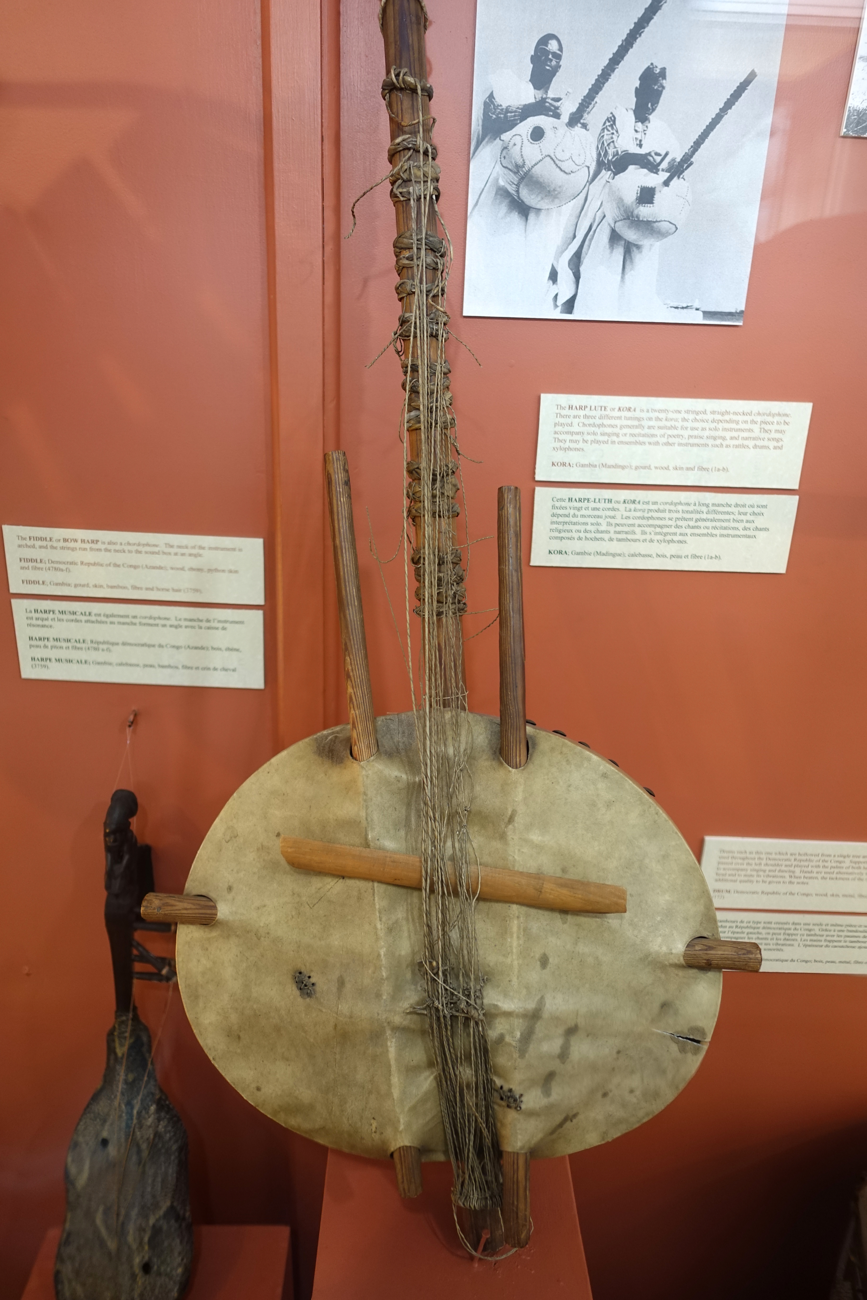
Redpath Museum, McGill University · Public Domain


Building a Kora — The West African Harp-Lute
Build a kora: the great 21-string harp-lute of the Mande griots — a huge calabash gourd faced with skin, a tall notched bridge, and strings running in TWO parallel rows up a long neck, plucked with the thumbs and forefingers. A serious maker build in the harp-lute, part harp and part lute.
བར་མ
Several hours over several sessions
ལམ་སྟོན
1
1
Half harp, half lute
Half harp, half lute
The kora is a 21-string harp-lute of the West African griots. A huge gourd faced with skin is the body; a long neck holds the strings, which run in two parallel rows and are plucked with the thumbs and forefingers.
2
2
Prepare the gourd body
Prepare the gourd body
Take a large calabash gourd and cut a wide flat opening across one side — the biggest gourd you can find, for a deep, full sound.
གོམ་པ་འདིའི་རྫས་རིགས:
 སྨིན་པའི་ཀུ་བཎྜ།1 དུམ་བུ།
ལག་ཆས་དགོས་མཁོ:
 སི་ལོཡིཌ་གྲི་གུ
3
3
Face it with skin
Face it with skin
Stretch cow-skin rawhide drum-tight over the flat opening and lash it down. This skin is the soundboard that radiates the strings.
གོམ་པ་འདིའི་རྫས་རིགས:
 ཀོ་རྗེན།1 དུམ་བུ།
 ཨ་བ་ཀའི་བསྡམ་ཐག1 དུམ་བུ།
4
4
Fit the neck
Fit the neck
Drive a long, straight hardwood neck right through the gourd, sticking out both ends. Two hand-posts either side of the neck give the player something to hold.
གོམ་པ་འདིའི་རྫས་རིགས:
 ཤིང་གི་གཟེར་ཤིང་།1 དུམ་བུ།
ལག་ཆས་དགོས་མཁོ:
 ཁབ་ཆེན།
5
5
Stand the tall bridge
Stand the tall bridge
Stand a tall wooden bridge upright on the skin with a row of notches down EACH edge — the strings will split into two rows, left and right, one for each thumb.
ལག་ཆས་དགོས་མཁོ:
སི་ལོཡིཌ་གྲི་གུ6
6
String it in two rows
String it in two rows
Run twenty-one strings from the base up over the notched bridge and to the neck, eleven in the left row and ten in the right, each held by a sliding leather tuning ring or a peg.
གོམ་པ་འདིའི་རྫས་རིགས:
 ལྕགས་ཀྱི་རོལ་ཐག ཨིན་ཅི་ ༠.༠༣༢1 དུམ་བུ།
 རོལ་ཐག་གི་བསྒྱུར་ཤིང་།9 དུམ་བུ།
7
7
Tune and play
Tune and play
Tune the two rows so they interleave into a scale, then pluck with the thumbs and forefingers of both hands, the left and right rows answering each other.
8
8
Compendium — the harp-lute
Compendium — the harp-lute
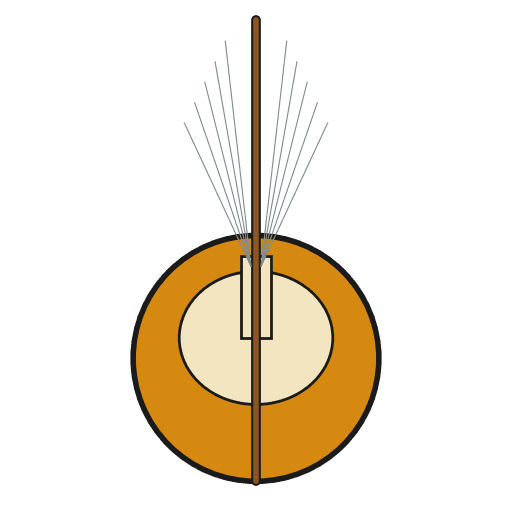
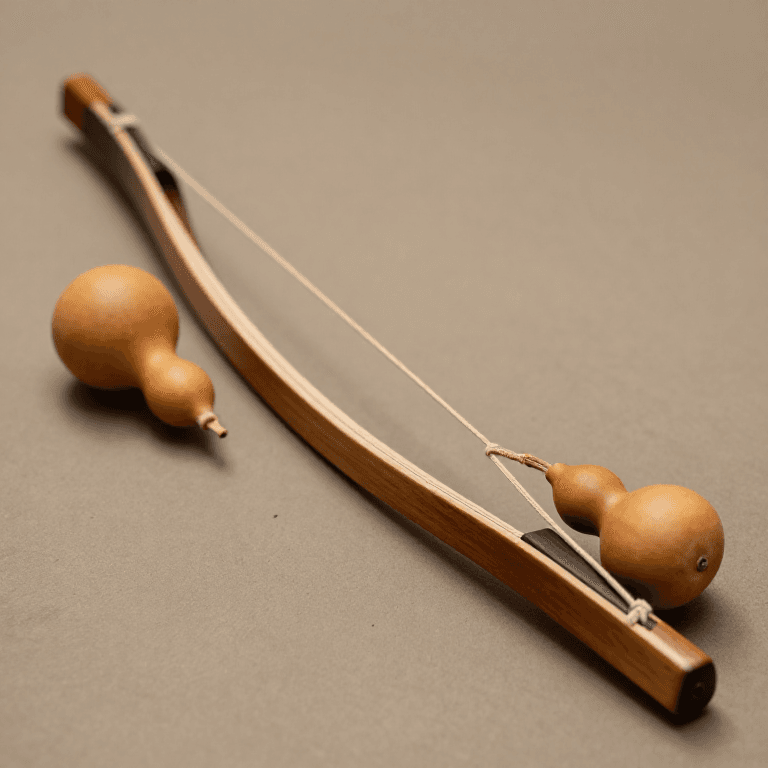
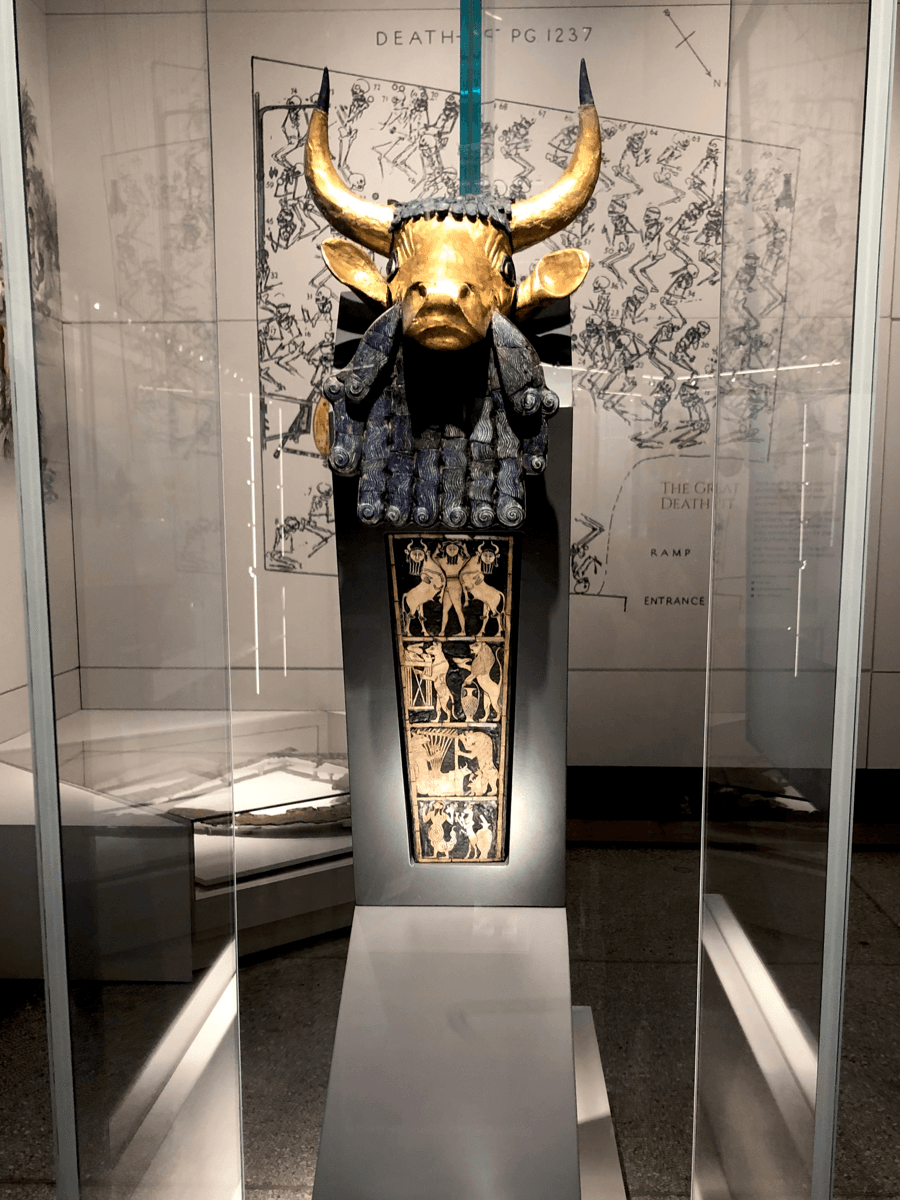
The kora is a 'harp-lute', and its clever bridge is why. On a true harp, each string runs at its own angle straight from a soundboard to a neck, one string per note; on a lute, a few strings run parallel over a bridge and along a neck. The kora does both at once: its strings run parallel like a lute, but they pass over a TALL bridge notched down both edges, so they leave the bridge in two flat planes, one on the left and one on the right — effectively two little harps sharing one body, one for each thumb. Each string is a single fixed note (the kora, like a harp, is not stopped or fretted — you simply pluck the string you want), and the two interleaved rows let the player weave fast, rippling patterns with just thumbs and forefingers. The sound is radiated by a stretched skin over a giant calabash gourd, exactly the drum-like resonator idea of the ektara and the banjo, scaled up. Strings obey the same rule as the musical bow — tension, length and mass set the pitch — and the kora belongs with the lyre of Ur and every soundbox-and-strings instrument, the branch of the family that keeps one string per note. It is the instrument of the Mande griots (jeliw), the hereditary musician-historians of West Africa.
རྫས་རིགས
6- 1 དུམ་བུ།ས་ཆ་འཛིན
- 1 དུམ་བུ།ས་ཆ་འཛིན
- 1 དུམ་བུ།ས་ཆ་འཛིན
- 1 དུམ་བུ།ས་ཆ་འཛིན
- 1 དུམ་བུ།ས་ཆ་འཛིན
- 9 དུམ་བུ།ས་ཆ་འཛིན
བིལུ་པིརིན་ཊི་འདི་གིས་བཟོ་མི
འབྲེལ་ཡོད་བིལུ་པིརིན་ཊི
བིལུ་པིརིན་ཊི་འདི་ཚུ་ཐབས་ལམ་དང་རྫས་རིགས། སྤྱི་ཆོས་བགོ་བཤའ་བྱེད
CC0 སྤྱི་དབང
བིལུ་པིརིན་ཊི་འདི་CC0 འོག་བཀྲམས་ཡོད། ཁྱེད་རང་གིས་ཆོག་མཆན་མ་བཞེས་པར་ཕབ་ལེན་དང་བཟོ་བཅོས། བགོ་བཤའ། དགོས་མཁོ་གང་ལའང་བཀོལ་སྤྱོད་བྱས་ཆོག
བཟོ་མཁན་ལ་རྒྱབ་སྐྱོར་བྱེད་པའི་ཆེད་ཁོང་ཚོའི་བིལུ་པིརིན་ཊི་བརྒྱུད་ཐོན་སྐྱེད་ཉོ། བཟོ་མཁན་གྱིས བཟོ་མཁན་གྱི་ཁེ་ཕོགས ཚོང་པས་གཏན་འཁེལ་བྱས་པ། ཡང་ན་བིལུ་པིརིན་ཊི་འདིའི་པར་གསར་བཟོས་ཏེ་ཁྱེད་རང་གི་བིལུ་པིརིན་ཊི་ནང་མཐུད་སྦྲེལ་བྱས་ཏེ་ཡོང་སྒོ་བགོ་བཤའ་བྱེད།