སྒྱུ་རྩལ
མཛེས་སྡུག་དང་བདེ་ཐང
བཟོ་རིག
རིག་གནས་དང་ལོ་རྒྱུས
དགའ་སྟོན
ཁོར་ཡུག
ཟས་དང་བཏུང་རྫས
ཕྱིར་འཕྲུལ་རིག
ཚན་རིག
རྩེད་འགྲན
རིག་རྩལ
གྱོན་རུང
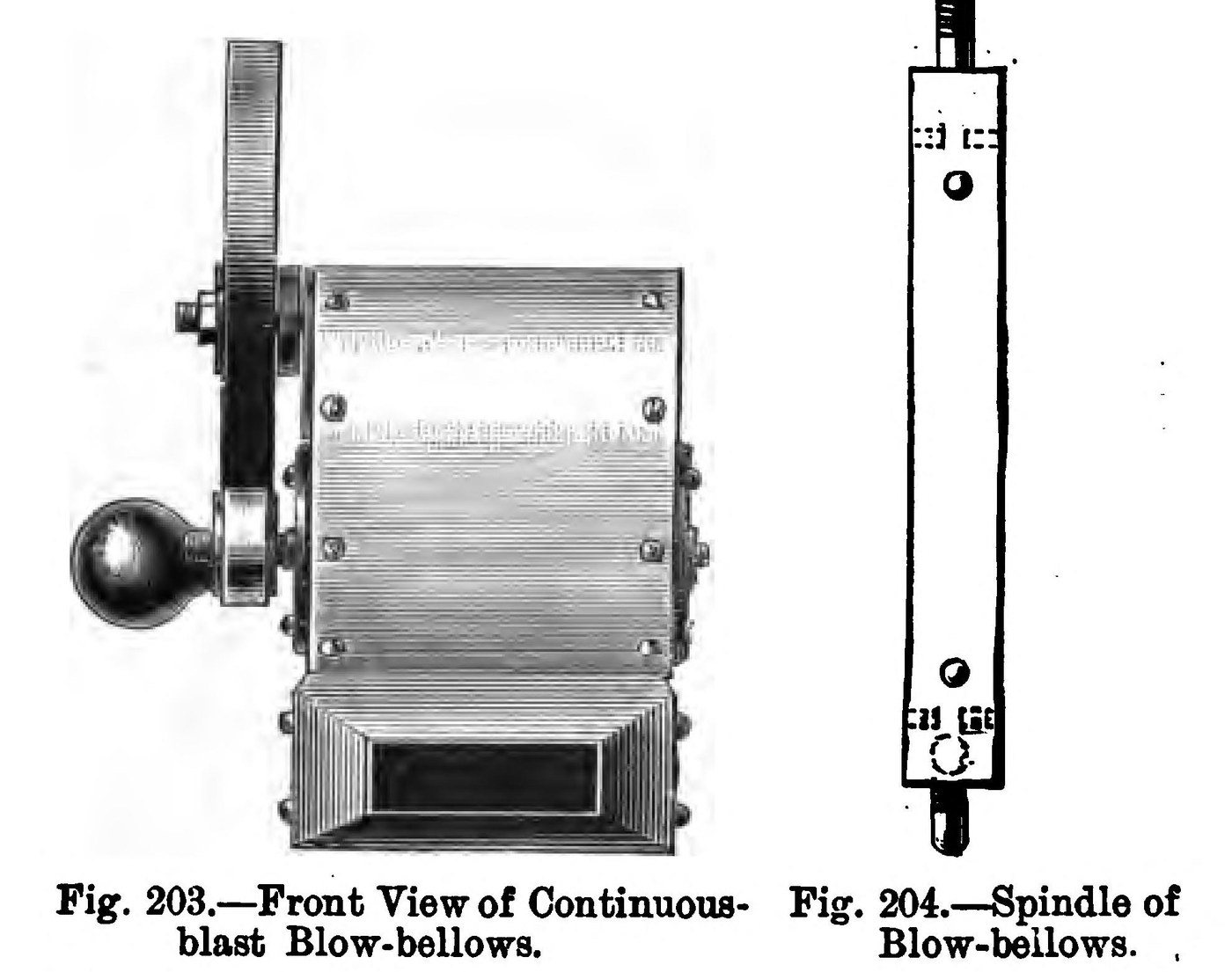


Air Blower: a Hand-Cranked Fan Blow-Bellows for a Portable Forge (Hasluck, 1904)
An air blower gives a fire a steady stream of air. Hasluck's Smiths' Work (1904) shows a small one for a home-made forge: a brass box with a four-winged tin fan on an iron spindle, spun fast by a hand wheel pressing on a rubber-covered roller. Unlike old bellows it blows continuously, through an outlet 2 1/2 in wide and 3/4 in deep.
The book's drawings carry no sizes for the box, so its size, the sheet thickness and the metals of the wire and the plate are unknown here; the tools are ours.
Source: P. N. Hasluck, Smiths' Work (1904), pp. 140-143, Figs. 202-211. Picture: their Figs. 203-204.
བར་མ
Two days
ལམ་སྟོན
1
1
Read Hasluck
Read Hasluck
"When this is all done, turn the handle rapidly; the fan inside will then revolve at a good rate, and a strong draught will be obtained."
2
2
Cut out the box
Cut out the box
Cut the two sides and the bottom of the box from sheet brass, and a piece for the top covering, but do not join them yet. Hasluck gives no sizes for the box (unknown); its outlet is to be 2 1/2 in wide and 3/4 in deep.
གོམ་པ་འདིའི་རྫས་རིགས:
 རག་གི་ལེབ་ཤོག1 sides, bottom and covering
ལག་ཆས་དགོས་མཁོ:
 ལྕགས་ལེབ་གཏུབ་ནིའི་ཇེམ་ཙི།
 མ་ཤེས་པའི་ཚད།
3
3
Make the fan
Make the fan
Make the iron spindle (Figs. 204, 205). Drill two holes in each of its four sides, one at each end, tap them, and screw in pieces of wire about 5/16 in long. Cut four pieces of tin, a little narrower than the box, and punch holes in them to match. Slip each wing over its wires, put a washer over each wire and rivet it over. Five or six wings may be used; then solder pieces of wire between them to stiffen them (Fig. 211).
གོམ་པ་འདིའི་རྫས་རིགས:
 ལྕགས་ཀྱི་དབྱུག་པ་སྒོར་སྒོར།1 spindle
 མ་ཤེས་པའི་ལྕགས་རིགས།1 wire
 ཊིན་བྱུགས་ལྕགས་ལེབ།1 four wings
 ལེབ་ཏོག་ཏོའི་ཝཱ་ཤར།8 དུམ་བུ།
ལག་ཆས་དགོས་མཁོ:
 ལག་འཕྲུལ་ཁུང་བཏོན
 སྐུད་རིས་གཏུབ་ཆས་ཆ་ཚང་།
 ལྕགས་གཏུབ་སོག་ལེ།ལྕགས་ལེབ་གཏུབ་ནིའི་ཇེམ་ཙི།
 གཟེར་བརྡུང་གི་ཐོ་བ།
 ཞ་བཏབ་ནིའི་ལྕགས།
4
4
Fit the spindle and close the box
Fit the spindle and close the box
Screw the brass bearings (Fig. 206), a ring with three spokes and a hole in the middle, to the two sides. Fit the iron spindle in the bearings, screw the sides and bottom together, then screw the covering over the top.
གོམ་པ་འདིའི་རྫས་རིགས:
རག་གི་ལེབ་ཤོག1 two bearings འཕྲུལ་གྱི་སི་ཀུརུ།1 ཚན་པ།
ལག་ཆས་དགོས་མཁོ:
ལག་འཕྲུལ་ཁུང་བཏོནསྐུད་རིས་གཏུབ་ཆས་ཆ་ཚང་།5
5
Fit the hand wheel
Fit the hand wheel
The wheel has to be bought. Turn a brass spindle for it (Fig. 207), thread it at each end and fix it with a nut to a plate (Fig. 208); put on the wheel, hold it with a washer and another nut, and fit the knob on rather loosely. Before fixing the wheel, turn a small piece of wood (Fig. 209), put an india-rubber band over it and screw it onto the projecting end of the iron spindle. Fix the wheel so it presses tightly against this roller. Instead, both wheels may be grooved and driven by a band.
གོམ་པ་འདིའི་རྫས་རིགས:
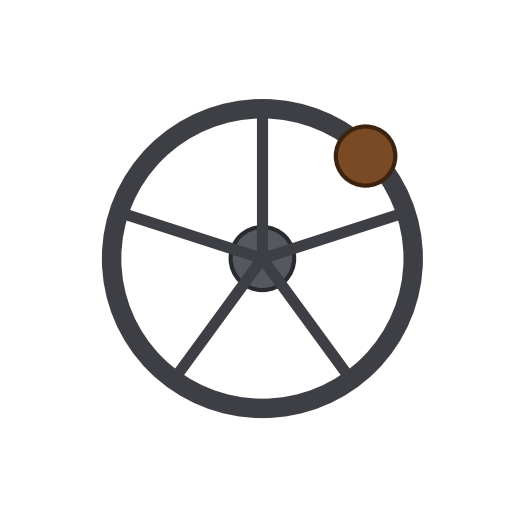 ལྕགས་ཀྱི་ ལག་འཁོར་1 དུམ་བུ།
 རག་གི་དབྱུག་པ།1 wheel spindleམ་ཤེས་པའི་ལྕགས་རིགས།1 plate
 ཟུར་དྲུག་གི་ནཊ།2 དུམ་བུ།ལེབ་ཏོག་ཏོའི་ཝཱ་ཤར།1 དུམ་བུ།
 ཤིང་ལེབ།1 roller
 ལ་སྟིག་གི་སྐུད་ཁྱིམ།1 དུམ་བུ།
ལག་ཆས་དགོས་མཁོ:
 ལྕགས་ཀྱི་འཁྲུལ་འཁོར།སྐུད་རིས་གཏུབ་ཆས་ཆ་ཚང་།ལག་འཕྲུལ་ཁུང་བཏོན
6
6
Fit the nose-piece
Fit the nose-piece
Cut the nose-piece from sheet brass to the pattern (Fig. 210) and bend it at right angles along the dotted lines so it fits over the outlet end of the box. Rivet or solder its two edges together, drill it and screw it on. Turn the handle quickly to test the draught.
གོམ་པ་འདིའི་རྫས་རིགས:
རག་གི་ལེབ་ཤོག1 nose-pieceལག་ཆས་དགོས་མཁོ:
ལྕགས་ལེབ་གཏུབ་ནིའི་ཇེམ་ཙི།ཞ་བཏབ་ནིའི་ལྕགས།ལག་འཕྲུལ་ཁུང་བཏོན ཉེན་སྲུང་མིག་ཤེལ།
7
7
History and honest limits
History and honest limits
Hasluck's "Home-made Portable Forges" chapter offers this fan as a cheaper, steadier alternative to the old leather bellows, costing about half as much. He adds that gun-metal is better than brass for all parts except the covering and nose-piece.
The drawings carry no sizes, so the box size, the sheet thickness and the metals of the wing wires and wheel plate are unknown; the tools are ours.
རྫས་རིགས
11- 1 nose-pieceས་ཆ་འཛིན
- 1 spindleས་ཆ་འཛིན
- 1 plateས་ཆ་འཛིན
- 1 four wingsས་ཆ་འཛིན
- 9 དུམ་བུ།ས་ཆ་འཛིན
- 1 ཚན་པ།ས་ཆ་འཛིན
- 1 དུམ་བུ།ས་ཆ་འཛིན
- 1 wheel spindleས་ཆ་འཛིན
- 2 དུམ་བུ།ས་ཆ་འཛིན
- 1 rollerས་ཆ་འཛིན
- 1 དུམ་བུ།ས་ཆ་འཛིན
ལག་ཆས་དགོས་མཁོ
9- ས་ཆ་འཛིན
- ས་ཆ་འཛིན
- ས་ཆ་འཛིན
- ས་ཆ་འཛིན
- ས་ཆ་འཛིན
- ས་ཆ་འཛིན
- 2 vendors sell this, none ship to you yetས་ཆ་འཛིན
- ས་ཆ་འཛིན
- ས་ཆ་འཛིན
བིལུ་པིརིན་ཊི་འདི་གིས་བཟོ་མི

CC0 སྤྱི་དབང
བིལུ་པིརིན་ཊི་འདི་CC0 འོག་བཀྲམས་ཡོད། ཁྱེད་རང་གིས་ཆོག་མཆན་མ་བཞེས་པར་ཕབ་ལེན་དང་བཟོ་བཅོས། བགོ་བཤའ། དགོས་མཁོ་གང་ལའང་བཀོལ་སྤྱོད་བྱས་ཆོག
བཟོ་མཁན་ལ་རྒྱབ་སྐྱོར་བྱེད་པའི་ཆེད་ཁོང་ཚོའི་བིལུ་པིརིན་ཊི་བརྒྱུད་ཐོན་སྐྱེད་ཉོ། བཟོ་མཁན་གྱིས བཟོ་མཁན་གྱི་ཁེ་ཕོགས ཚོང་པས་གཏན་འཁེལ་བྱས་པ། ཡང་ན་བིལུ་པིརིན་ཊི་འདིའི་པར་གསར་བཟོས་ཏེ་ཁྱེད་རང་གི་བིལུ་པིརིན་ཊི་ནང་མཐུད་སྦྲེལ་བྱས་ཏེ་ཡོང་སྒོ་བགོ་བཤའ་བྱེད།