སྒྱུ་རྩལ
མཛེས་སྡུག་དང་བདེ་ཐང
བཟོ་རིག
རིག་གནས་དང་ལོ་རྒྱུས
དགའ་སྟོན
ཁོར་ཡུག
ཟས་དང་བཏུང་རྫས
ཕྱིར་འཕྲུལ་རིག
ཚན་རིག
རྩེད་འགྲན
རིག་རྩལ
གྱོན་རུང



Perfect Numbers — Find the Numbers That Equal Their Own Parts
A hands-on maths project: take 6 counters, find every way to divide them into equal groups, and discover that the group-sizes add back up to 6 -- a 'perfect' number. A Python cell checks 6 and 28, and a compendium reaches a 2,300-year-old unsolved mystery.
འགོ་བཙུགས
30 minutes
ལམ་སྟོན
1
1
A number equal to its parts
A number equal to its parts
Some numbers have a magical property: add up all the smaller numbers that divide them, and you get the number back. The Greeks called these 'perfect'. You will find one with a handful of counters.
2
2
Lay out six counters
Lay out six counters
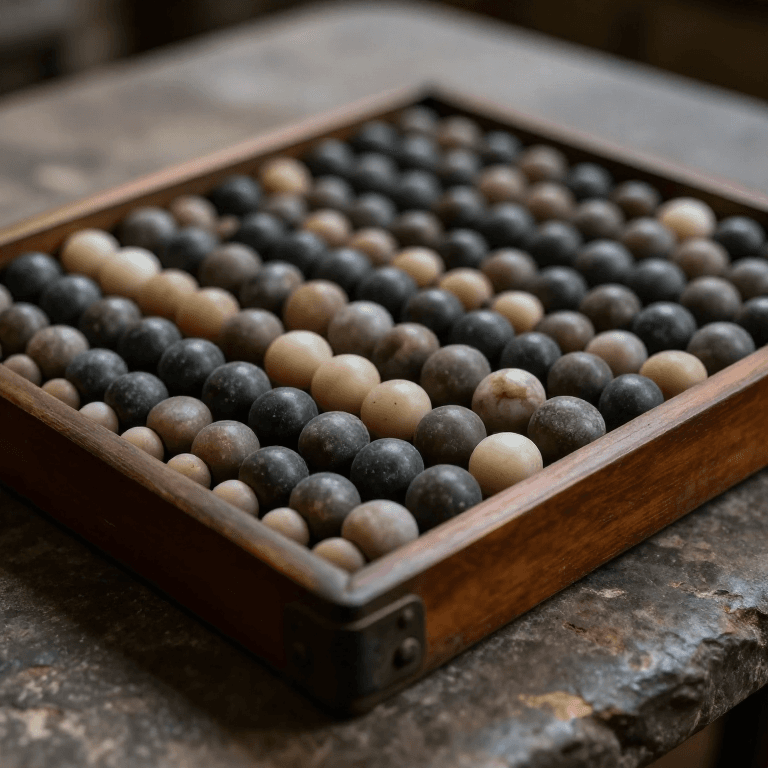
Take 6 counters (beads, buttons or coins). Find every way to divide them into equal groups: one group of 6, or 2 groups of 3, or 3 groups of 2, or 6 groups of 1. The group-SIZES that work (the divisors smaller than 6) are 1, 2 and 3.
གོམ་པ་འདིའི་རྫས་རིགས:
 ཤེལ་གྱི་ཕྲེང་བ།1 དུམ་བུ།
3
3
Add up the parts
Add up the parts
Add those divisors: 1 + 2 + 3 = 6. The parts add back up to the number itself -- 6 is perfect! Now try 28 with 28 counters: its divisors are 1, 2, 4, 7 and 14, and they add to 28. Try 10 or 12 and you will find they do NOT work, which is why perfect numbers are so rare.
4
4
Check with the computer
Check with the computer
Jupyter ཚང་དེབ་མངོན་གསལ་འབད་དོ་…
ལག་ཆས་དགོས་མཁོ:
 ཅོག་ཙེའི་གློག་རིག
5
5
Compendium: an unsolved mystery
Compendium: an unsolved mystery
What your counters lead to. (1) The perfect numbers are strikingly rare: 6, 28, 496, 8128, then none until 33,550,336. (2) Around 300 BC Euclid found a recipe: whenever 2-to-the-power-p minus 1 is prime, you can build a perfect number from it -- which links them to the famous 'Mersenne primes' that a worldwide computer project still hunts today. (3) Every perfect number ever found is EVEN. (4) After 2,300 years, two questions Euclid could have asked remain unanswered: are there infinitely many, and does an ODD perfect number exist? Nobody has ever found one -- or proved one cannot exist. You have just handled the front edge of an open problem in mathematics.
རྫས་རིགས
2- 1 དུམ་བུ།ས་ཆ་འཛིན
- 1 ལེབ་གཟུགས།ས་ཆ་འཛིན
ལག་ཆས་དགོས་མཁོ
2- ས་ཆ་འཛིན
- ས་ཆ་འཛིན
འབྲེལ་ཡོད་བིལུ་པིརིན་ཊི
བིལུ་པིརིན་ཊི་འདི་ཚུ་ཐབས་ལམ་དང་རྫས་རིགས། སྤྱི་ཆོས་བགོ་བཤའ་བྱེད

CC0 སྤྱི་དབང
བིལུ་པིརིན་ཊི་འདི་CC0 འོག་བཀྲམས་ཡོད། ཁྱེད་རང་གིས་ཆོག་མཆན་མ་བཞེས་པར་ཕབ་ལེན་དང་བཟོ་བཅོས། བགོ་བཤའ། དགོས་མཁོ་གང་ལའང་བཀོལ་སྤྱོད་བྱས་ཆོག
བཟོ་མཁན་ལ་རྒྱབ་སྐྱོར་བྱེད་པའི་ཆེད་ཁོང་ཚོའི་བིལུ་པིརིན་ཊི་བརྒྱུད་ཐོན་སྐྱེད་ཉོ། བཟོ་མཁན་གྱིས བཟོ་མཁན་གྱི་ཁེ་ཕོགས ཚོང་པས་གཏན་འཁེལ་བྱས་པ། ཡང་ན་བིལུ་པིརིན་ཊི་འདིའི་པར་གསར་བཟོས་ཏེ་ཁྱེད་རང་གི་བིལུ་པིརིན་ཊི་ནང་མཐུད་སྦྲེལ་བྱས་ཏེ་ཡོང་སྒོ་བགོ་བཤའ་བྱེད།