སྒྱུ་རྩལ
མཛེས་སྡུག་དང་བདེ་ཐང
བཟོ་རིག
རིག་གནས་དང་ལོ་རྒྱུས
དགའ་སྟོན
ཁོར་ཡུག
ཟས་དང་བཏུང་རྫས
ཕྱིར་འཕྲུལ་རིག
ཚན་རིག
རྩེད་འགྲན
རིག་རྩལ
གྱོན་རུང
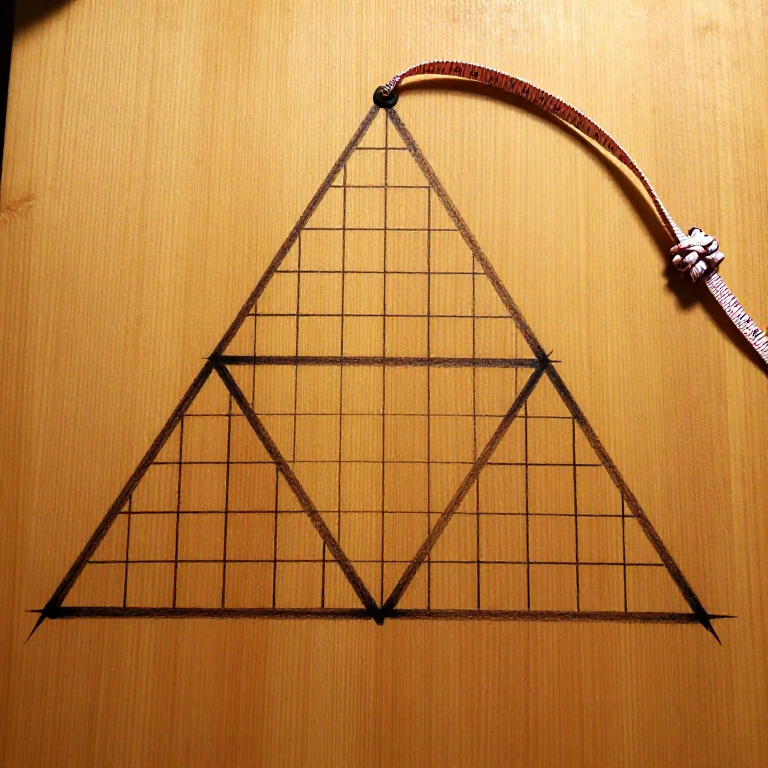


Proving the Pythagorean Theorem by Cutting Squares — a² + b² = c²
The most famous rule in geometry says that in any right-angled triangle, the square built on the longest side equals the two squares on the shorter sides added together: a² + b² = c². The school of Pythagoras proved it around 530 BC. This blueprint proves it the maker's way — with a knotted cord, three cut squares, and a dissection you can hold in your hands. Seeing the pieces of the two small squares fit exactly into the big one is a proof that needs no algebra, and it doubles as the ancient builder's test for a true square corner.
འགོ་བཙུགས
2
ལམ་སྟོན
1
1
State the theorem
State the theorem
In a right-angled triangle, name the two short sides a and b and the longest side (the hypotenuse) c. The theorem says the square on c has exactly the same area as the squares on a and b together: a² + b² = c². You will prove this by area, not algebra.
2
2
Make a right angle with a cord
Make a right angle with a cord
Knot a loop of cord into twelve equal spaces. Peg it out as a triangle with sides of 3, 4 and 5 spaces; the corner between the 3 and 4 sides is a perfect right angle. This 3-4-5 trick is how builders have squared corners for thousands of years.
ལག་ཆས་དགོས་མཁོ:
 ཐབ་ཚང་གི་རས་བལ་ཐག་ཁུ།
3
3
Lay out a right triangle
Lay out a right triangle
Using that right angle, mark a right triangle with legs 3 and 4 units on a board. Its hypotenuse comes out to exactly 5 units — a whole-number right triangle to make the areas easy to count.
གོམ་པ་འདིའི་རྫས་རིགས:
 ཨཱལ་ཌར་དམརཔོའི་ལེབ།1 དུམ་བུ།
ལག་ཆས་དགོས་མཁོ:
 ས་དཀར་གྱི་ཐིག་སྐུད།
4
4
Cut the three squares
Cut the three squares
Cut a square on each side of the triangle: 3×3, 4×4 and 5×5. Rule each into unit squares — 9, 16 and 25 of them. These three squares are the whole proof, made physical.
ལག་ཆས་དགོས་མཁོ:
 ལག་སོག་ལེ།
 གྲི།
གྲི།5
5
Count the areas
Count the areas
Count: the small squares hold 9 and 16 unit squares, together 25 — exactly the number in the big square on the hypotenuse. 9 + 16 = 25 is a² + b² = c² in plain counting.
6
6
Prove it by dissection
Prove it by dissection
Now cut the two smaller squares into pieces and lay them inside the largest square. They tile it exactly — no gaps, no overlaps. Because the pieces fit for reasons of shape, not luck, this works for every right triangle, not only 3-4-5.
ལག་ཆས་དགོས་མཁོ:
གྲི།7
7
Test other triangles
Test other triangles
Repeat with other right triangles: the square on the hypotenuse always equals the sum of the other two. Change the corner so it is no longer a right angle, and the fit fails — which is exactly why the same rule can TEST whether a corner is truly square.
8
8
See why it matters
See why it matters
This single relationship underlies distance, surveying, navigation and building ever since. Any time you find a straight-line distance from two measurements at right angles, you are using Pythagoras — a 2,500-year-old proof you just held in your hands.
རྫས་རིགས
3- 1 དུམ་བུ།ས་ཆ་འཛིན
- 1 དུམ་བུ།ས་ཆ་འཛིན
- 1 དུམ་བུ།ས་ཆ་འཛིན
ལག་ཆས་དགོས་མཁོ
4- ས་ཆ་འཛིན
- ས་ཆ་འཛིན
- ས་ཆ་འཛིན
- ས་ཆ་འཛིན
འབྲེལ་ཡོད་བིལུ་པིརིན་ཊི
བིལུ་པིརིན་ཊི་འདི་ཚུ་ཐབས་ལམ་དང་རྫས་རིགས། སྤྱི་ཆོས་བགོ་བཤའ་བྱེད
CC0 སྤྱི་དབང
བིལུ་པིརིན་ཊི་འདི་CC0 འོག་བཀྲམས་ཡོད། ཁྱེད་རང་གིས་ཆོག་མཆན་མ་བཞེས་པར་ཕབ་ལེན་དང་བཟོ་བཅོས། བགོ་བཤའ། དགོས་མཁོ་གང་ལའང་བཀོལ་སྤྱོད་བྱས་ཆོག
བཟོ་མཁན་ལ་རྒྱབ་སྐྱོར་བྱེད་པའི་ཆེད་ཁོང་ཚོའི་བིལུ་པིརིན་ཊི་བརྒྱུད་ཐོན་སྐྱེད་ཉོ། བཟོ་མཁན་གྱིས བཟོ་མཁན་གྱི་ཁེ་ཕོགས ཚོང་པས་གཏན་འཁེལ་བྱས་པ། ཡང་ན་བིལུ་པིརིན་ཊི་འདིའི་པར་གསར་བཟོས་ཏེ་ཁྱེད་རང་གི་བིལུ་པིརིན་ཊི་ནང་མཐུད་སྦྲེལ་བྱས་ཏེ་ཡོང་སྒོ་བགོ་བཤའ་བྱེད།