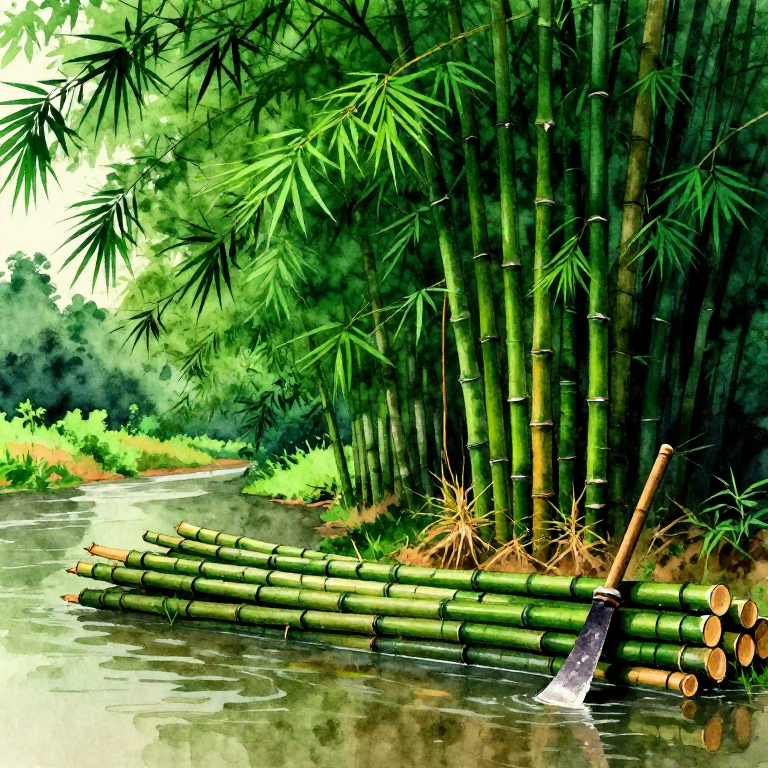
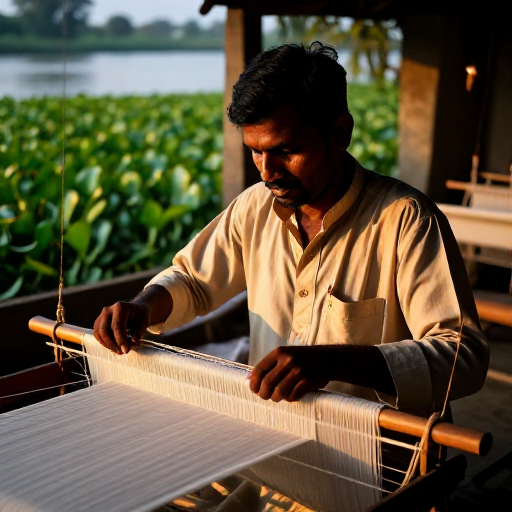

Bamboo cutting and seasoning — Bangladesh bamboo harvesting
Detailed guidelines for cutting, seasoning and preservation of bamboo (Bambusa, Melocanna, Dendrocalamus) in Bangladesh. Approximately 5% of Bangladesh's total land is covered with bamboo forests, particularly in the Chittagong Hill Tracts. This guideline includes learning to identify major species (large bamboo, muli bamboo, mitinga), selecting mature bamboo (3-4 years old), cutting in dry season (November-February), correct cutting techniques, water-soaking seasoning (4-8 weeks), shade drying, and preservation methods.
ལམ་སྟོན
Recognize bamboo species
Recognize bamboo species
In Bangladesh, approximately 33 bamboo species are found. Three main species are important for construction and handicrafts. Large bamboo (Bambusa balcooa) — thick, strong, thick walls, diameter 8-15 cm, height 15-25 meters, most used in construction work. Muli bamboo (Melocanna baccifera) — thin, flexible, diameter 3-7 cm, height 10-20 meters, ideal for making baskets and mats, abundant in Chittagong Hill Tracts. Mitinga bamboo (Bambusa tulda) — medium size, diameter 5-10 cm, used in paper industry and light construction.
Select Mature Bamboo
Select Mature Bamboo
Bamboo typically matures in 3-5 years. For construction, bamboo aged 3-4 years is most suitable — if cut before this, bamboo becomes weak and brittle due to pest attacks. Ways to identify mature bamboo: the color changes from dark green to yellowish green, white powder (lichen) appears on the nodes, the surface feels hard when scratched, and tapping with your knuckle produces a clear metallic sound (immature bamboo produces a dull sound). Bamboo older than 5 years becomes brittle.
Kuzungula nkota yolungile yokusika
Kuzungula nkota yolungile yokusika
Ixesha elilungile lokulingisa ibamboo ngu-November ukuya kuFebruary, elinye ixesha lokuoma. Ngexesha elingaka, inani le-starch kunye neswekile ebamboo liphantsi kakhulu, ngoko ke kuncitshiswa umngcipheko we-insect attacks (okukhethekileyo i-powder post beetles). Ibamboo esinikiwe ngexesha lesitshumi (uJuni-uSeptemba) ineeswekile ezingakanani kunye ne-insects izakulishiya ngokukhawuleza. Ukusika ecala lomnyezi (emva komnyezi ogcwele) kubangela ukuba kubekho ugesi oluncinci ebamboo — lo yindlela yesithi eyethnical ecetywiniswayo zifundo ezingaphandle. Qalisa ukusika ekuseni kutshiwo kubude uphandle kuphelela kwa.
K準備 cutting tools
K準備 cutting tools
A sharp daa (Bangladeshi heavy knife) is the main tool for cutting bamboo. The blade of the daa should be 30-45 cm long and heavy so that bamboo can be cut in one or two strokes. Sharpen the daa on a sharpening stone before cutting. A hand saw can also be used for thick bamboo. For safety, wear thick cloth gloves and sturdy shoes — the edges of cut bamboo are extremely sharp.
ལག་ཆས་དགོས་མཁོ:
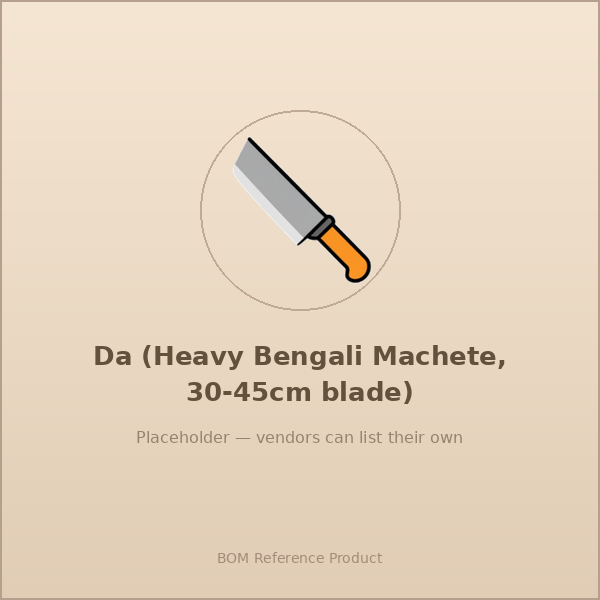 Da
Da རྣོ་བཟོའི་རྡོ།
 ཕུ་དུང་རིངམོའི་ཀོ་བའི་ལག་ཤུབས།
 མགོ་བསྡམས་པའི་ལྷམ་སྲ་དྲགས
སྲིད་བདེ་ལ་ལྟོས་པའི་གཅོད་སྒྲིག་གི་སྲིད་ཆེད་ཀྱི་གླེང་སྟེགས་སུ་འབྲང་།
སྲིད་བདེ་ལ་ལྟོས་པའི་གཅོད་སྒྲིག་གི་སྲིད་ཆེད་ཀྱི་གླེང་སྟེགས་སུ་འབྲང་།
བམ་བུའི་ཕྲེང་བ་ལས་གོང་ས་ 30% ལས་མི་ལྷག་པ་གཅོད་པ་མི་བྱ། — འདི་ཕྲེང་བའི་སྲིད་བདེ་དང་གསར་དུ་སྐྱེས་པའི་ནུས་ཤུགས་ལ་ལྟོས་པ་ཡིན། སྲིད་བདེ་ལ་ལྟོས་པའི་བམ་བུའི་ཕྲེང་བ་ལས་ལོ་གཅིག་སྐར་མ་གུ་བར་ 3-8 ཕྲེང་མ་རྣམས་ལེན་པ་ཡིན། སྔོན་ལ་སྐྱེས་མ་དང་ས་འོག་དང་ཉེན་ཀའི་ཕྲེང་མ་རྣམས་བོར་། དེ་ནས་གླེང་སེང་གི་ཕྲེང་མ་རྣམས་སེལ་། གསར་དུ་སྐྱེས་པའི་ཕྲེང་མ་དང་གསར་དུ་ལྡེགས་པའི་མེ་ཏོག་རྣམས་གཞག
ཀ་ནི་ཚད་ལེགས་པོས་བཏོད།
ཀ་ནི་ཚད་ལེགས་པོས་བཏོད།
སྲང་མ་ནི་ས་གཞི་ལས་སྨིན་ལམ་དང་པོ་ཡང་ན་གཉིས་པའི་ཕྱིས་ལ་བཏོད། སྨིན་ལམ་འོག་ལ་བཏོད་ན་ས་འོག་གི་རྩ་སྦུགས་(རྩ་བའི་རིམ་པ)ལ་གནོད་སྐུར་འབྱུང་ངེ་ཡིན་པས། མྱུ་གུ་བར་མའི་འཕེལ་རིམ་དང་ལོག་འགོག་དུ་ཕེབས། བཏོད་སྐབས་ལ་ཚད་དུ་གྲུབ་སྟེ་ ༤༥་ཡིས་བེད་སྟེ་ཕར་འོད་མཐོར་བཏོད། འདིས་ཆར་མེ་མཐོའི་ཕར་བསགས་ནས་སྲང་མ་གླང་དུ་ཕེབས་པ་ལོག་འགོག་འདུགས། སྲང་མ་ནི་གླང་སེ་ལ་གཅིག་དང་ཡང་གཉིས་སུ་བྱེད་པའི་མུ་ཏིག་གིས་དགེ་གླང་བྱེད། སྔོན་མ་མང་དུ་བཏོ་ན་སྲང་མ་འགེགས་ནས་དགེགས་པར་འགྲོ། བཏོད་སྐབས་སུ་སྲང་མ་ལ་གང་ལ་ལྕེགས་གསིལ་དུ་ཕེབས་ལ་རྟོག བཅོ་ལྔ་ནས་ཉི་ཤུའི་ལ་སོགས་པའི་ཐུང་མའི་རྒྱལ་པོ་རྒལ་ཁོལ་སྲང་མ་མང་དུ་འདུགས།
ལག་ཆས་དགོས་མཁོ:
DaBamboo thig dang branches cut
Bamboo thig dang branches cut
Cut bamboo thig gi branches dang leaves blangs. Branches bamboo gi nodes nas byung ba yin — 'di dag nodes nye tsam nas machete gis cut gzhag — Bamboo usable lengths su cut gzhag rgyun — 'gengs su 3-4 meter ring pee pa dag construction work la convenient yin — Cut gis nodes ring steng nas yin — nodes gi karpo na cut gzhag pa yod na split byung gi ngom — Pruned branches dang leaves bamboo clump gi rten nas yod phog — 'di dag decompose ste organic fertilizer lta bur gyur ste clump la nutrition phul ba yin
ལག་ཆས་དགོས་མཁོ:
Da ལག་སོག་ལེ།
བེམ་བུ་སྡེགས་སྒྲིགས་དང་གཏོང་སྐུལ།
བེམ་བུ་སྡེགས་སྒྲིགས་དང་གཏོང་སྐུལ།
བེམ་བུ་དྲས་གཏུབས་པའི་དངོས་ནི་ས་ལ་ཕར་སྙོམས་ལ་གཞག་མི་རུང་། དེ་ལ་ས་གདན་ལ་རང་སོར་སྦྱར་བས་སྲིན་འབུ་དང་གནོད་པའི་རིམས་གཤོགས་འགོ་འདེགས་ཐུབ། དེ་ནུས་པར་གཞག་ཡིན་ཞིང་། ཕར་དེའི་ཐོག་སྒམ་དོན་ཞིག་དགེ། བང་ལ་དེ་སྔོན་ལས་བེམ་བུ་ཆེད་དུ་རབས་དྲིལ་གནང་ནས་རི་བོའི་ཆུའི་ལམ་ནས་གཏོང་སྐུལ་གནང་གི་ཡོད། འདི་ལས་ཆུའི་ནང་དུ་རྫོགས་གནས་འགོ་འདེགས་ཐུབ། ས་གདན་གདན་ལ་གཏོང་སྐུལ་གྱི་ཚེ་དབྱུག་དེ་ལམ་སྒེའུ་ཡང་ན་ངང་གྲུ་ལ་སྤྱོད་དགོས། བེམ་བུ་དྲས་གཏུབས་པའི་སྐར་མ་ནས་ཉིན་གཅིག་ལ་གླེང་སྲིད་གཏོང་རྫོགས་འགོ་འདེགས་དགོས།
གོམ་པ་འདིའི་རྫས་རིགས:
 སྨྱུག་མའི་རྒྱབ་སྐྱོར་དབྱུག་གུ།4 དུམ་བུ།
Season by soaking in water
Season by soaking in water
Water curing is the simplest and most effective method of bamboo preservation. Completely submerge cut bamboo in pond, river or canal water. If the bamboo floats, press it down with heavy stones or wood. Keep it submerged for 4-8 weeks — during this time water dissolves and removes the starch and sugar inside the bamboo. Once the starch is removed, insects will not attack the bamboo. Alternative method: soaking in a borax-boric acid solution (50 grams borax and 50 grams boric acid per liter of water) will cure it in 2-3 weeks and provides additional insecticide protection.
གོམ་པ་འདིའི་རྫས་རིགས:
 རྡོ་ལྗིད་ཏོ་ཏོ་ཚུ6 དུམ་བུ།
ལག་ཆས་དགོས་མཁོ:
 དབྱེབས་ནིའི་དོན་ལུ་མཚེའུ་ནང་འགྱོ་ནི
ཆུ་ཚོད་ཡོད་མེད་སྐུར་ཞིབ།
ཆུ་ཚོད་ཡོད་མེད་སྐུར་ཞིབ།
ཟླ་བ་4-8ནས་རྗེས་སུ་སྐུད་པའི་ཆུ་ནས་བཏོན་ནས་སྐུར་ཞིབ་གནང་། ཆུ་ཚོད་ཡོད་པའི་རྟགས་: ཚོན་གཞི་སེར་སྨུག་ནས་གངས་དཀར་གཡའ་ལ་གཏོར་བ་ལ་གསར་ནས། གཞི་རིས་གཏིང་དགས་ལ་མེད་, གཞི་རིས་མེད་ཆེད་དུ་འབྲེལ་མེད་གཞེས་མེད་ལ་གཏོར་བ་མེད་། གལ་ཏེ་གཞི་རིས་གཏིང་དགས་ཡོད་ངམ་གཞེས་ཤོས་ཡོད་པར།ཆུ་ལ་འདི་ལྟར་ཟླ་བ་1-2ཅན་གཏོགས་ནས་འདི་སྐུར་ཞིབ། ཆུ་ཚོད་མ་ཡོད་པའི་སྐུད་པ་ནི་ཕྲུ་གུ་གླེང་སྲིང་གི་རྒྱུས་དང་རམ་འདེགས་སུ་གཏོང་བར་འགྱུར་ངེས་ཡིན་པར་གདོད་མེད་ལས་གླེང་སྲིང་གི་ཕྲུ་གུ་སེལ་བར་འགྱུར་བའི་ངེས་ཡོད།
Shade-na dry thak
Shade-na dry thak
Seasoned bamboo chu water-nas remove che la shade-na dry thak — direct sunlight-na drying-s bamboo quickly crack thuk. Bamboo horizontal-na arrange thak ground-las height-na so air circulates all sides-na. Shade-na 4-6 weeks dry thak. Drying time-s bamboo occasionally turn thak so evenly dry thuk. Moisture 15% below ensure thak. Raw bamboo easily crack ching split thuk; properly dried bamboo hard, durable, ching pest-resistant thuk.
ལག་ཆས་དགོས་མཁོ:
 མཐོ་བའི་བསྐམ་སྟེགས
འབྱར་སྐམ་ཆེད་ལ་བརྟག་ཞིབ་བྱེད་པ།
འབྱར་སྐམ་ཆེད་ལ་བརྟག་ཞིབ་བྱེད་པ།
བེམ་པོ་སྐམ་པོ་རང་བཞིན་དང་མཐུན་པ་གང་དུ་ཤེས་པའི་ཐབས།: གླང་སྲིད། — སྐམ་པོའི་བེམ་པོ་ནི་གསར་པོའི་བེམ་པོ་དང་འབྲེལ་བའི་རིས་སུ་སྙིང་པོས་འཁོར་བ་དེ་ལས་ལེགས་པོ་གླང་སྲིད་ཆེ་བ་ཡིན། སྒྲ་སྲིད།—སྐམ་པོའི་བེམ་པོ་སོ་གཅིག་གིས་ཕྲེང་བ་སྐུགས་པའི་ཚེ་སྒྲ་གསལ་ཞིང་རྣག་རྒྱག་པོ་ཡིན། ཆུ་དང་བཅས་པའི་བེམ་པོ་ནི་སྒྲ་མུར་ཏིག་ཡོད། ལྗོན་པ།—ལེགས་པོ་གླང་སྲིད་དང་མཐུན་པའི་བེམ་པོ་ནི་ཤིང་གི་མདངས་དཀར་པོ་ཡིན།རྩེད་ཕྱེ་བ།—ནང་གི་སོ་ལ་ཆུ་མེད་པ་དང་ལེགས་པོ་གླང་སྲིད་དང་མཐུན་པ་ཡིན། ཆུའི་སྲིད་གཞི་འདེགས་པའི་ལས་གཞི་ཡོད་ན། ཆུའི་སྲིད་གཞི་ ༡༢-༡༥ གང་ལེགས་པོ་དེ་འདེགས་པའི་ལས་གཞི་དང་མཐུན་པ་ཡིན།
ལག་ཆས་དགོས་མཁོ:
 རློན་ཚད་འཇལ་ཆས།
Grado selon kalite
Grado selon kalite
Divize banbou sèk nan twa grado. Premye grado — dwat, san krapo, dyamèt inifòm, san twou vè — ki apwopriye pou konstriksyon ak fabrikasyon mobilye, fè pi wo pri a. Dezyèm grado — yon ti kib oswa ak ti krapo — ki apwopriye pou barik, echafodaj, poto, elatriye. Twazyèm grado — koube, craké oswa enfekte vè — ka itilize pou konbistib oswa fabrikasyon mat. Kenbe banbou chak grado separe.
ཆོས་སྲིད།
ཆོས་སྲིད།
བུ་རམ་ལ་རོལ་མོ་བྱས་ནས་སྐམ་པོ་བྱས་པ་ནི་ཚོད་ལྡན་པོར་སྲིད་པའི་ཁར་ལོ་མང་དུ་གནས་ངེས་ཡིན། བུ་རམ་ལ་ས་ནས་ཁ་དོག་འདེགས་ཀྱི་ཡོད་ན་རེ། ཞབས་ཐོགས་ཡང་ན་ཤིང་གི་ནུས་སྤུས་ཀྱི་སྟེང་དུ་བཞག་གོ། དེ་དེ་གཉའ་མ་དང་ཉི་མའི་རྒྱལ་པོའི་དྲིལ་མེད་པའི་གནས་སུ་བསྲིད་པོ། བུ་རམ་གི་གཞི་མ་དབུས་སུ་རླུང་གི་འཕེལ་འདེགས་ལ་དམིགས་ནས་དེ་དེ་རོགས་གཉའ་བཟོ་དགོས། གཉའ་མ་གནས་སུ་རོགས་མེད་པའི་བར་དུ་གནས་ངེས་ཡིན། བུ་རམ་ལ་སྦོམ་ཚིགས་ཀྱི་འབོར་དོ་ནས་བཞག་ན་འདུས་པའོ། ཁ་དོག་སྐར་མ་བཅོ་ལྔའི་ཆེད་དུ་དེ་ལ་ཕན་འདེགས་གཏོང་དགོས། སྐར་མེད་པའི་མེ་ལོང་ལ་སེར་མ་གླེང་སེལ་གྱི་དེ་དེ་གནས་སུ་འཁོར་གཉའ་མ་ལོག་གི་ཡོད། དེ་ལ་ཤིང་གི་འདེགས་པའི་མི་རྣམས་ཀྱིས་དེ་ལ་རོགས་གཉའ་བཟོ་བར་སོང་།
གོམ་པ་འདིའི་རྫས་རིགས:
 རྒྱབ་སྐྱོར་གྱི་ས་ཕག།8 དུམ་བུ།
ལག་ཆས་དགོས་མཁོ:
 ཐོག་ཡོད་པའི་བསག་བཞག་གུར
རྫས་རིགས
3- 4 དུམ་བུ།ས་ཆ་འཛིན
- 6 དུམ་བུ།ས་ཆ་འཛིན
- 8 དུམ་བུ།ས་ཆ་འཛིན
ལག་ཆས་དགོས་མཁོ
9- ས་ཆ་འཛིན
- ས་ཆ་འཛིན
- ས་ཆ་འཛིན
- ས་ཆ་འཛིན
- ས་ཆ་འཛིན
- ས་ཆ་འཛིན
- ས་ཆ་འཛིན
- ས་ཆ་འཛིན
CC0 སྤྱི་དབང
བིལུ་པིརིན་ཊི་འདི་CC0 འོག་བཀྲམས་ཡོད། ཁྱེད་རང་གིས་ཆོག་མཆན་མ་བཞེས་པར་ཕབ་ལེན་དང་བཟོ་བཅོས། བགོ་བཤའ། དགོས་མཁོ་གང་ལའང་བཀོལ་སྤྱོད་བྱས་ཆོག
བཟོ་མཁན་ལ་རྒྱབ་སྐྱོར་བྱེད་པའི་ཆེད་ཁོང་ཚོའི་བིལུ་པིརིན་ཊི་བརྒྱུད་ཐོན་སྐྱེད་ཉོ། བཟོ་མཁན་གྱིས བཟོ་མཁན་གྱི་ཁེ་ཕོགས ཚོང་པས་གཏན་འཁེལ་བྱས་པ། ཡང་ན་བིལུ་པིརིན་ཊི་འདིའི་པར་གསར་བཟོས་ཏེ་ཁྱེད་རང་གི་བིལུ་པིརིན་ཊི་ནང་མཐུད་སྦྲེལ་བྱས་ཏེ་ཡོང་སྒོ་བགོ་བཤའ་བྱེད།