སྒྱུ་རྩལ
མཛེས་སྡུག་དང་བདེ་ཐང
བཟོ་རིག
རིག་གནས་དང་ལོ་རྒྱུས
དགའ་སྟོན
ཁོར་ཡུག
ཟས་དང་བཏུང་རྫས
ཕྱིར་འཕྲུལ་རིག
ཚན་རིག
རྩེད་འགྲན
རིག་རྩལ
གྱོན་རུང
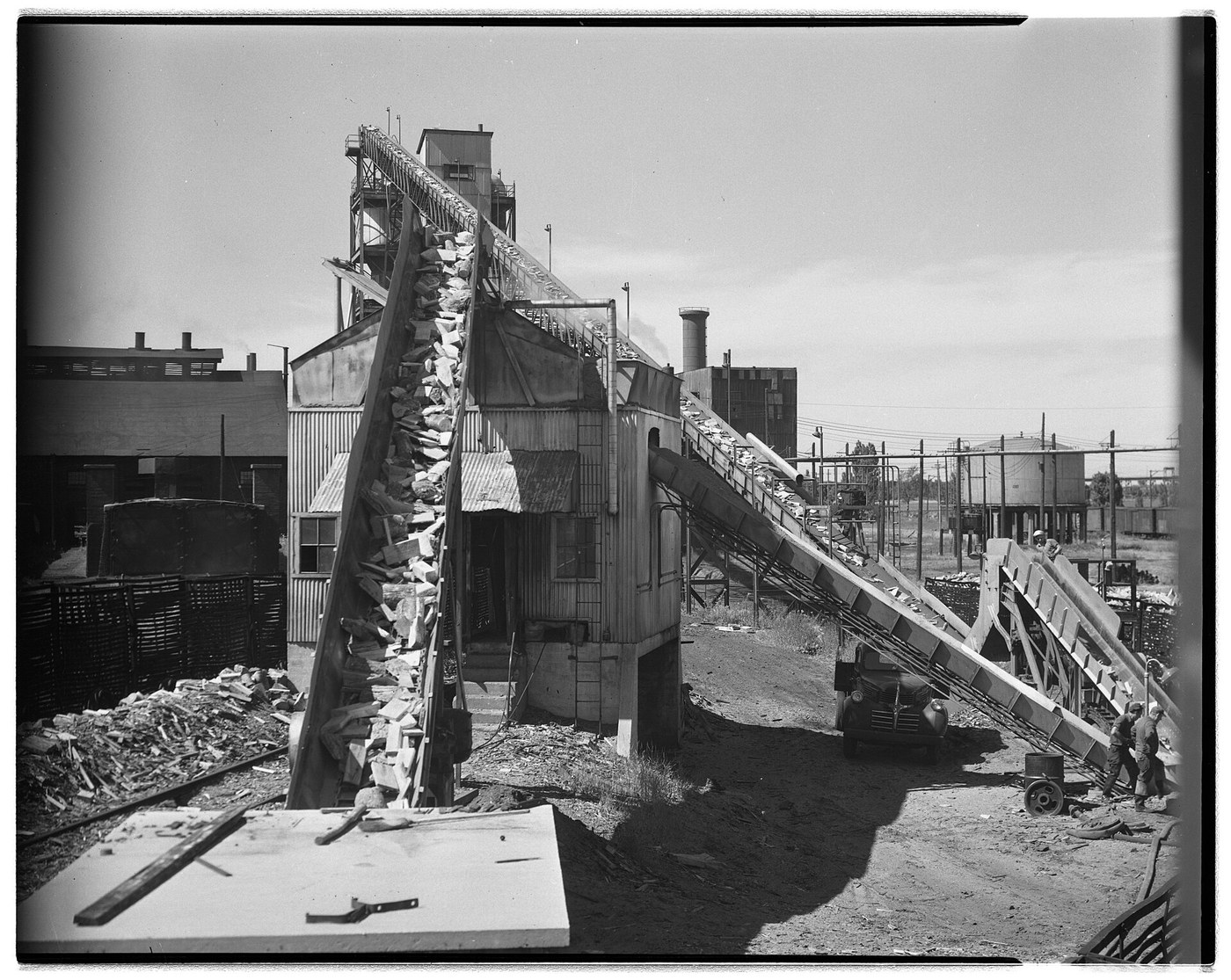


Beech Wood Distilled in an Iron Retort: Tar, Wood Vinegar and Charcoal
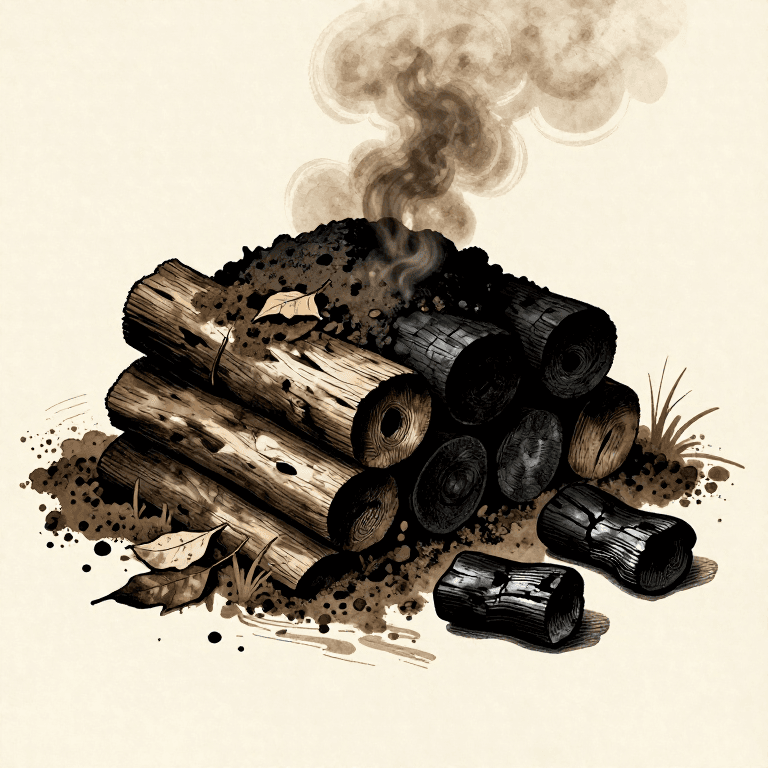
Heating hard wood in a closed iron vessel drives off a sour brown liquid, pyroligneous acid or wood vinegar, loaded with tar, and leaves charcoal behind. Andrew Ure (1839) describes the British works: iron cylinders set in brickwork, oak, ash, birch or beech only, and the crude liquor distilled again to leave the tar in the still. Beech tar is the starting point for Reichenbach's paraffin.
The picture: a later, far larger plant: the vertical retort and wood conveyor of the Cliffs Dow wood distillation works in Marquette, Michigan.
མཐོ་རིམ
A day's firing, then rectifying
ལམ་སྟོན
1
1
Cut the wood
Cut the wood
Saw and split beech into billets that fit the retort. Ure: use hard woods only (oak, ash, birch, beech); fir does not answer.
གོམ་པ་འདིའི་རྫས་རིགས:
 ཤིང་སྲ་བའི་གདུང་མ། (ཨོག་ མེ་པཱལ་ བི་ཅི)20 kg
ལག་ཆས་དགོས་མཁོ:
 སོག་ལེ།
 སྟ་རེ།
2
2
Charge and lute the retort
Charge and lute the retort
Fill the iron retort, close the mouth with its iron lid, seal the edge with wet clay and wedge it tight. Lead the outlet pipe to a water-cooled condenser running into a barrel.
ལག་ཆས་དགོས་མཁོ:
 ལྕགས་ཀྱི་བཙག་སྣོད
 འདམ།
འདམ། ཀོན་དེན་སར་གྱི་སྦུག་སྒྲིལ།
 ཤིང་གི་ཟོ་བ།
3
3
Fire it
Fire it
Light the furnace under the retort and keep it going through the day. Water comes first, then a sooty brown liquor. Ure's sign of the end: a few drops of water thrown on the first, uncooled pipe evaporate quietly.
གོམ་པ་འདིའི་རྫས་རིགས:
 མེ་ཤིང་།1 as required
ལག་ཆས་དགོས་མཁོ:
ལྕགས་ཀྱི་བཙག་སྣོད ཚ་བཟོད་ཀྱི་ལག་ཤུབས།
4
4
Cool, then take out the charcoal
Cool, then take out the charcoal
Let it cool overnight before opening; hot charcoal flares in air. Ure's charcoal came to about one fifth of the wood's weight.
ལག་ཆས་དགོས་མཁོ:
ལྕགས་ཀྱི་བཙག་སྣོདཚ་བཟོད་ཀྱི་ལག་ཤུབས།5
5
Rectify: vinegar off, tar left
Rectify: vinegar off, tar left
Distil the crude brown liquor again in a copper still. A clearer brown wood vinegar comes over; thick tar stays behind, about a fifth of the liquor (Ure). Pour the tar off into a tank while it is warm.
ལག་ཆས་དགོས་མཁོ:
 ཟངས་ཀྱི་སྣ་འཐག་ཆས།ཀོན་དེན་སར་གྱི་སྦུག་སྒྲིལ།
 ཐིག་ཆགས་ཀྱི་ཟོ
 ཚད་ཚབས་འཇལ་ཆས།
 རྫས་སྦྱོར་འཐོར་སྲུང་མིག་ཤེལ།
6
6
What one charge gives
What one charge gives
Jupyter ཚང་དེབ་མངོན་གསལ་འབད་དོ་…
7
7
Limits
Limits
The method and yields are Ure's, from works with 8 cwt charges; the 20 kg charge and the scaling are ours. The gas from the retort burns: lead it away from the fire or burn it under the retort, as the French works did.
བིལུ་པིརིན་ཊི་འདི་གིས་བཟོ་མི
འབྲེལ་ཡོད་བིལུ་པིརིན་ཊི
བིལུ་པིརིན་ཊི་འདི་ཚུ་ཐབས་ལམ་དང་རྫས་རིགས། སྤྱི་ཆོས་བགོ་བཤའ་བྱེད
CC0 སྤྱི་དབང
བིལུ་པིརིན་ཊི་འདི་CC0 འོག་བཀྲམས་ཡོད། ཁྱེད་རང་གིས་ཆོག་མཆན་མ་བཞེས་པར་ཕབ་ལེན་དང་བཟོ་བཅོས། བགོ་བཤའ། དགོས་མཁོ་གང་ལའང་བཀོལ་སྤྱོད་བྱས་ཆོག
བཟོ་མཁན་ལ་རྒྱབ་སྐྱོར་བྱེད་པའི་ཆེད་ཁོང་ཚོའི་བིལུ་པིརིན་ཊི་བརྒྱུད་ཐོན་སྐྱེད་ཉོ། བཟོ་མཁན་གྱིས བཟོ་མཁན་གྱི་ཁེ་ཕོགས ཚོང་པས་གཏན་འཁེལ་བྱས་པ། ཡང་ན་བིལུ་པིརིན་ཊི་འདིའི་པར་གསར་བཟོས་ཏེ་ཁྱེད་རང་གི་བིལུ་པིརིན་ཊི་ནང་མཐུད་སྦྲེལ་བྱས་ཏེ་ཡོང་སྒོ་བགོ་བཤའ་བྱེད།