སྒྱུ་རྩལ
མཛེས་སྡུག་དང་བདེ་ཐང
བཟོ་རིག
རིག་གནས་དང་ལོ་རྒྱུས
དགའ་སྟོན
ཁོར་ཡུག
ཟས་དང་བཏུང་རྫས
ཕྱིར་འཕྲུལ་རིག
ཚན་རིག
རྩེད་འགྲན
རིག་རྩལ
གྱོན་རུང
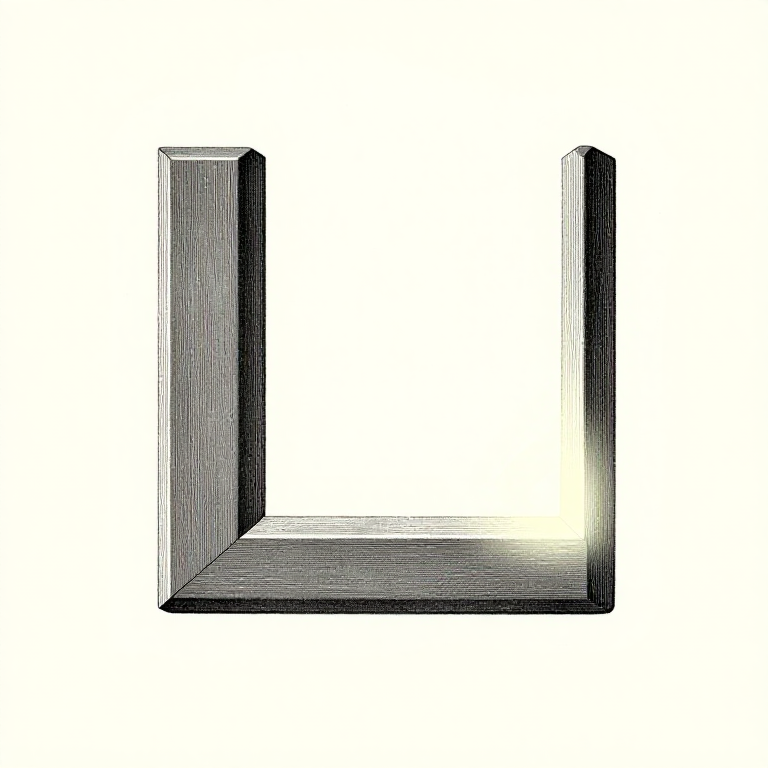


Bending: Where the Curve Starts Is a Decision
Bending looks like the easiest operation and produces the most disappointing results, because the bend happens wherever the metal is hottest and thinnest — not where you intended.
So bending is really a heating problem. Control where the heat is and the bend goes there; heat the whole bar and it bends in a long lazy arc wherever it happens to be weakest.
The second decision is the RADIUS, and that is what the anvil's horn is for: a continuously variable former from a tight curl at the tip to a gentle sweep at the base.
བར་མ
3 hours
ལམ་སྟོན
1
1
Heat a short band exactly where the bend goes
Heat a short band exactly where the bend goes
Bring a narrow band to bright heat and leave the bar dark either side. Cold metal will not bend, so the deformation is confined to the hot band — the same lever the upsetting rung uses.
A sharp corner needs a very short hot zone; a gentle curve needs a long one. So decide the shape first, then heat to match it, rather than heating and hoping.
Use the fire's shape to help. A narrow slot in the fuel, or the work laid across rather than into the hot zone, heats a band instead of a length. This is the heating-evenly rung again, used deliberately in reverse.
གོམ་པ་འདིའི་རྫས་རིགས:
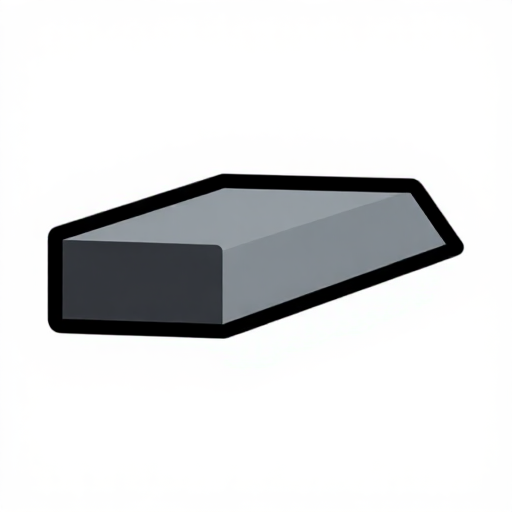 ལྕགས་འཇམ་གྱི་དབྱུག་ཏོ།1 དུམ་བུ།
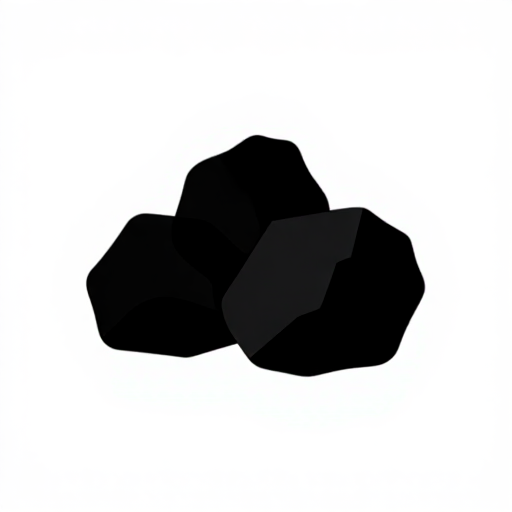 སོལ་བ།1 དུམ་བུ།
ལག་ཆས་དགོས་མཁོ:
 མགར་བའི་ཐབ་ཁུང་།
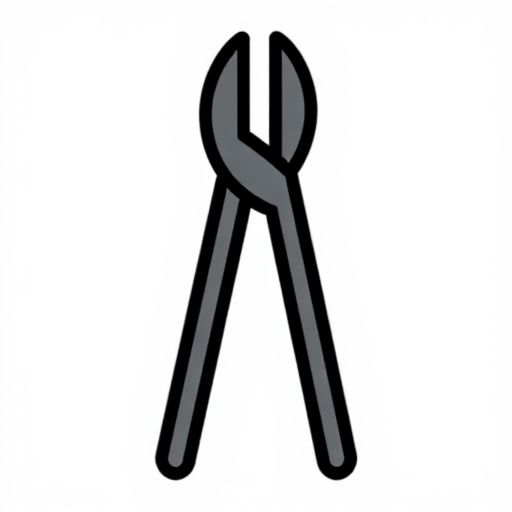 མགར་བའི་ལག་བཟུང་།
 མེ་ཐབ་ཀྱི་མིག་ཤེལ་ནག་པོ།
2
2
Over the horn, over the edge, or in the vice
Over the horn, over the edge, or in the vice
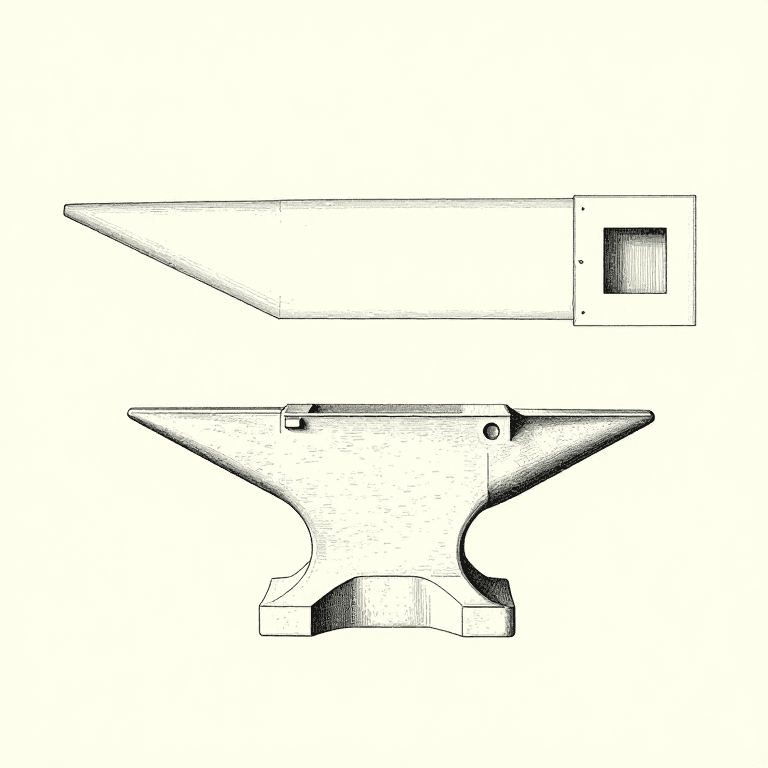
The HORN gives any radius you want — move along it. Lay the bar across and pull down, or hammer it round; the horn supports the inside of the curve while the metal wraps.
The anvil EDGE gives a sharp corner. Hang the bar over the edge with the hot band exactly at the edge line, and strike down — the metal folds over the radius of that edge, so a sharp edge gives a crisp corner and a rounded one gives a soft bend.
The VICE holds one side while you lever the other, which gives the most control for a precise angle. A bending fork in the hardy hole does the same on the anvil and leaves both hands free.
གོམ་པ་འདིའི་རྫས་རིགས:
ལྕགས་འཇམ་གྱི་དབྱུག་ཏོ།1 དུམ་བུ།ལག་ཆས་དགོས་མཁོ:
 མགར་བའི་རྡོ་ལེབ།
 ལྕགས་ཤིང་ལྗིད་ཏོག་ཏོའི་འཛིན་ཆས།
 མགར་བའི་ཐོ་བ།མགར་བའི་ལག་བཟུང་།
3
3
The outside stretches — and how far is arithmetic
The outside stretches — and how far is arithmetic
Jupyter ཚང་དེབ་མངོན་གསལ་འབད་དོ་…
གོམ་པ་འདིའི་རྫས་རིགས:
ལྕགས་འཇམ་གྱི་དབྱུག་ཏོ།1 དུམ་བུ།ལག་ཆས་དགོས་མཁོ:
མགར་བའི་རྡོ་ལེབ།མགར་བའི་ཐོ་བ། ཆེ་བཟོའི་ལུབ།
 རྩིས་འཕྲུལ།
4
4
Check against the drawing, not against your eye
Check against the drawing, not against your eye
Draw the shape full size on a steel plate or a sheet of paper and offer the work to it after every few blows. The eye is a poor judge of an angle and a worse one of a curve.
For a repeated shape — a set of scrolls, a row of identical brackets — make a simple jig or a bending fork so each piece is formed against the same former. That is the story-stick principle from the marking-out batch: one reference, used repeatedly, beats measuring each piece.
Correct while it is still hot. A bend that has gone cold can be reheated, but every extra heat costs scale and risks grain growth, and a shape corrected three times rarely looks as crisp as one made right in two heats.
གོམ་པ་འདིའི་རྫས་རིགས:
ལྕགས་འཇམ་གྱི་དབྱུག་ཏོ།1 དུམ་བུ།ལག་ཆས་དགོས་མཁོ:
 ཐིག་ཤིང་།མགར་བའི་ལག་བཟུང་།མགར་བའི་རྡོ་ལེབ།
ལག་ཆས་དགོས་མཁོ
9- ས་ཆ་འཛིན
- ས་ཆ་འཛིན
- ས་ཆ་འཛིན
- ས་ཆ་འཛིན
- ས་ཆ་འཛིན
- ས་ཆ་འཛིན
- ས་ཆ་འཛིན
- ས་ཆ་འཛིན
- ས་ཆ་འཛིན
བིལུ་པིརིན་ཊི་འདི་གིས་བཟོ་མི
འབྲེལ་ཡོད་བིལུ་པིརིན་ཊི
བིལུ་པིརིན་ཊི་འདི་ཚུ་ཐབས་ལམ་དང་རྫས་རིགས། སྤྱི་ཆོས་བགོ་བཤའ་བྱེད

CC0 སྤྱི་དབང
བིལུ་པིརིན་ཊི་འདི་CC0 འོག་བཀྲམས་ཡོད། ཁྱེད་རང་གིས་ཆོག་མཆན་མ་བཞེས་པར་ཕབ་ལེན་དང་བཟོ་བཅོས། བགོ་བཤའ། དགོས་མཁོ་གང་ལའང་བཀོལ་སྤྱོད་བྱས་ཆོག
བཟོ་མཁན་ལ་རྒྱབ་སྐྱོར་བྱེད་པའི་ཆེད་ཁོང་ཚོའི་བིལུ་པིརིན་ཊི་བརྒྱུད་ཐོན་སྐྱེད་ཉོ། བཟོ་མཁན་གྱིས བཟོ་མཁན་གྱི་ཁེ་ཕོགས ཚོང་པས་གཏན་འཁེལ་བྱས་པ། ཡང་ན་བིལུ་པིརིན་ཊི་འདིའི་པར་གསར་བཟོས་ཏེ་ཁྱེད་རང་གི་བིལུ་པིརིན་ཊི་ནང་མཐུད་སྦྲེལ་བྱས་ཏེ་ཡོང་སྒོ་བགོ་བཤའ་བྱེད།