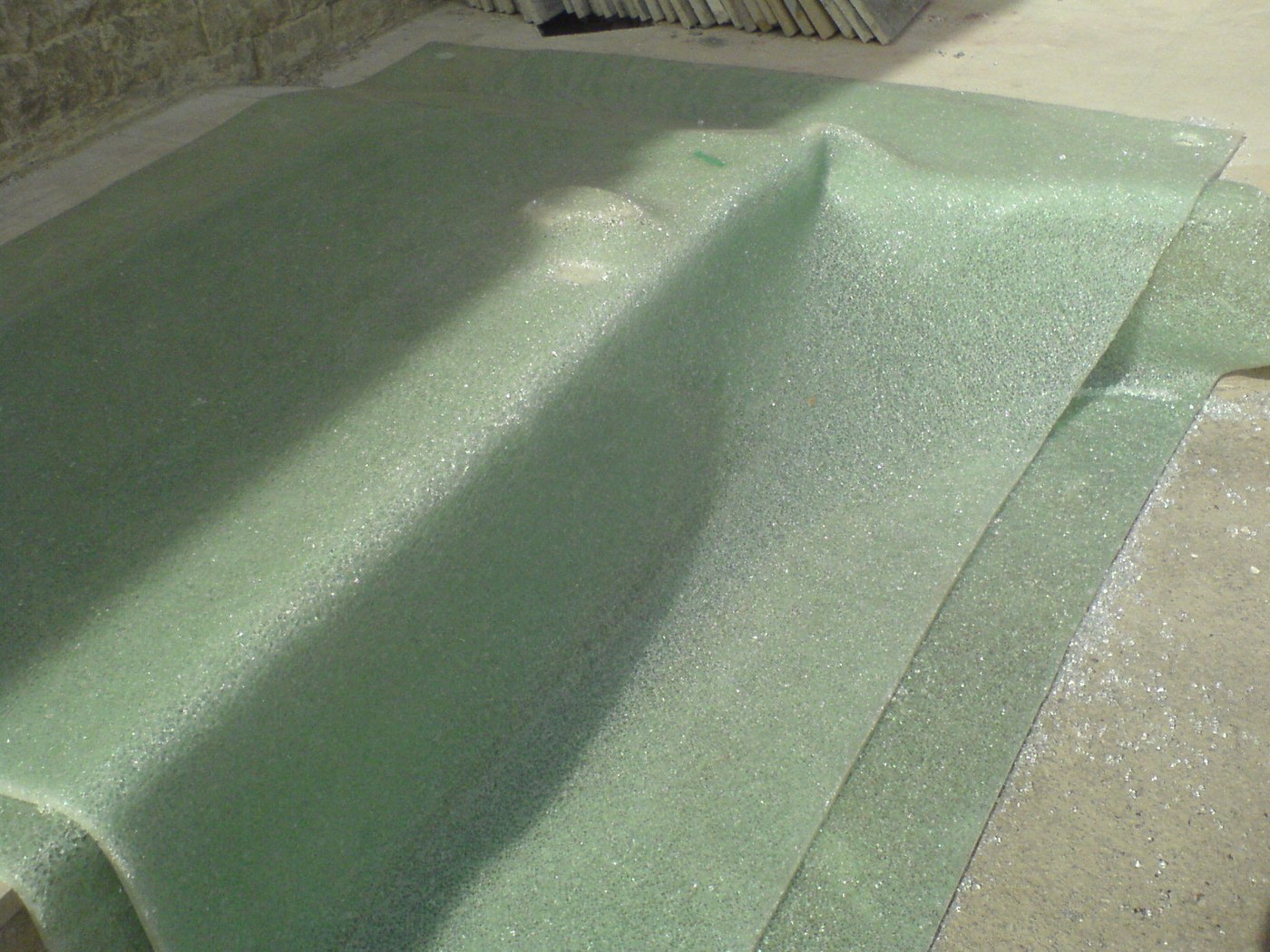


Verre Feuilleté
Le verre ordinaire ne casse pas doucement. Il tient, il tient, puis il cède d'un coup — et il ne se contente pas de se briser : il projette des éclats coupants dans toutes les directions, à grande vitesse. Dans les premières automobiles, ce n'était pas le choc qui défigurait les passagers, c'était le pare-brise.
L'idée de Bénédictus ne rend pas le verre incassable. Elle change ce qui se passe après la rupture. On colle une feuille de celluloïd entre deux feuilles de verre ; le verre casse toujours, exactement comme avant, mais les morceaux restent collés à l'âme souple. La vitre est fêlée et reste entière.
C'est un changement de mode de rupture, pas de résistance. Le verre feuilleté n'est pas plus solide — il est simplement beaucoup moins dangereux quand il cède.
Brevet français FR 405 881, « Verre armé par interposition d'une âme en celluloïd », déposé le 10 août 1909, publié le 15 janvier 1910, par Édouard Bénédictus.
ལམ་སྟོན
Travaille en sac fermé, avec gants et lunettes
Travaille en sac fermé, avec gants et lunettes
Toutes les ruptures se font à l'intérieur d'un sac transparent bien fermé, sur un établi, avec gants épais et lunettes de protection. Utilise du verre fin de cadre ou, mieux, de l'acrylique. Jamais de verre à main nue.
ལག་ཆས་དགོས་མཁོ:
 ཁ་བཀག་པའི་ཉེན་སྲུང་མིག་ཤེལ།
Lis FR 405 881 et repère le mot « âme »
Lis FR 405 881 et repère le mot « âme »
Bénédictus revendique une âme de celluloïd interposée entre les feuilles. Ce n'est pas un revêtement de surface : la couche est prise au milieu.
Casse une plaque seule et compte les morceaux
Casse une plaque seule et compte les morceaux
Dans le sac, brise une plaque nue d'un coup sec. Compte les fragments et note leur taille. C'est la référence à battre.
Regarde les arêtes de près
Regarde les arêtes de près
Sans les toucher, observe les bords des éclats. Ils sont vifs et irréguliers — le verre casse en suivant des défauts de surface, pas en se déformant.
Découpe deux plaques identiques
Découpe deux plaques identiques
Prépare deux feuilles de même dimension, environ 150 × 150 mm. Elles doivent être planes et propres — la moindre poussière crée une bulle plus tard.
གོམ་པ་འདིའི་རྫས་རིགས:
 ཨེ་ཀི་ལིག་གི་ལེབ་ཤོག2 དུམ་བུ།
Prépare l'âme souple
Prépare l'âme souple
Coupe une feuille de plastique transparent souple à la même taille. Le celluloïd d'origine a été remplacé depuis longtemps ; ici, un film adhésif transparent joue le même rôle.
གོམ་པ་འདིའི་རྫས་རིགས:
 གསལ་ཏོག་ཏོའི་སྦྱོར་བྱེད་ཅན་གྱི་ཁ་གཡོགས་ཕིམ།1 དྲིལ་མ།
Assemble le sandwich
Assemble le sandwich
Verre, film, verre. Presse depuis le centre vers les bords pour chasser l'air. Une bulle est un endroit où la feuille ne retiendra rien.
Mets le tout sous presse
Mets le tout sous presse
Serre l'ensemble entre deux planches pendant une heure. L'adhérence sur toute la surface est ce qui distingue un feuilleté d'un empilement.
གོམ་པ་འདིའི་རྫས་རིགས:
 བཱལ་ཊིཀ་བིརཆ་ཤིང་ལེབ།1 ལེབ་གཟུགས།
Vérifie la transparence
Vérifie la transparence
Regarde à travers. Un pare-brise doit rester parfaitement lisible — un feuilleté trouble est inutilisable, quelle que soit sa sécurité.
Casse le feuilleté dans le sac
Casse le feuilleté dans le sac
Frappe au centre avec la même force qu'à l'étape 3. Le verre casse — mais rien ne part. La plaque reste d'une seule pièce.
Compare les deux résultats
Compare les deux résultats
Mets côte à côte les fragments de l'étape 3 et la plaque fêlée. Note bien : le verre n'a pas mieux résisté, il a échoué autrement.
Suis une fissure d'une face à l'autre
Suis une fissure d'une face à l'autre
Regarde de profil. Les fissures des deux faces ne coïncident pas et s'arrêtent à l'âme. Le film interrompt la propagation d'une couche à l'autre.
Essaie de faire tomber un éclat
Essaie de faire tomber un éclat
Retourne la plaque cassée et secoue-la doucement, toujours dans le sac. Les morceaux tiennent. C'est exactement l'effet recherché dans une automobile.
Histoire et contexte — un accident de laboratoire, puis un accident de voiture
Histoire et contexte — un accident de laboratoire, puis un accident de voiture
Le brevet. FR 405 881, « Verre armé par interposition d'une âme en celluloïd », déposé le 10 août 1909 et publié le 15 janvier 1910, par Édouard Bénédictus (1878-1930), chimiste et artiste décorateur français. ⚠ De nombreuses sources donnent le 25 novembre 1909 comme date de dépôt ; le document indique le 10 août. Un second brevet, FR 418 257, suit en 1910.
La découverte précède l'application de plusieurs années. Vers 1903, un ballon de laboratoire tombe de son étagère. Il se fêle mais ne se disperse pas : il avait contenu une solution de nitrate de cellulose, et un film sec de celluloïd tapissait l'intérieur. Bénédictus note le fait et n'en fait rien. Ce n'est qu'en 1909, après avoir lu le récit d'un accident d'automobile où deux femmes furent gravement blessées par des éclats de pare-brise, qu'il relie l'observation au problème. L'idée dormait depuis six ans faute d'un usage.
Changer le mode de rupture plutôt que la résistance. C'est le point que l'on résume presque toujours de travers. Le verre feuilleté n'est pas « du verre incassable » : il casse à la même contrainte que le verre nu. Ce qui change, c'est ce qui arrive ensuite. Le verre est fragile parce qu'une fissure, une fois amorcée, se propage librement ; l'âme souple absorbe l'énergie de la fissure, empêche les deux faces de se fissurer ensemble, et surtout retient mécaniquement chaque fragment collé. Les étapes 10 à 13 le montrent mieux que n'importe quelle explication.
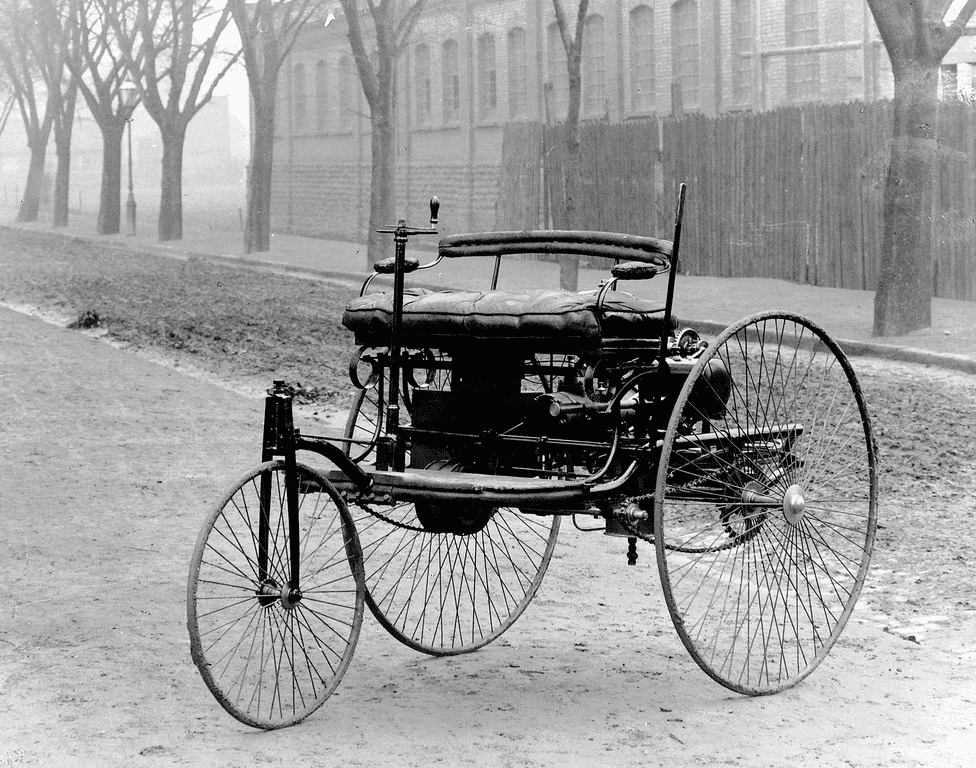
Triplex, et une adoption très lente. Bénédictus nomme son produit Triplex — trois couches — et fonde la Société du Verre Triplex en 1911. Les constructeurs automobiles ne se précipitent pas : le procédé coûte cher, et le celluloïd jaunit et se décolle avec le temps. Le verre feuilleté sert d'abord de verre de protection dans les masques à gaz de la Première Guerre mondiale, puis gagne l'automobile dans les années 1920 et 1930, quand le celluloïd cède la place à des interlayers plus stables, aujourd'hui le butyral de polyvinyle (PVB).
Deux verres différents dans une même voiture. Le pare-brise moderne est feuilleté, selon ce brevet : il retient les fragments et garde sa cohésion, ce qui empêche aussi l'occupant d'être éjecté. Les vitres latérales, elles, sont le plus souvent en verre trempé, qui suit une stratégie opposée — il se désintègre en petits grains sans arêtes vives, et se casse volontairement pour permettre l'évacuation. Deux réponses au même danger, choisies selon ce que la vitre doit faire.
རྫས་རིགས
3- 2 དུམ་བུ།ས་ཆ་འཛིན
- ས་ཆ་འཛིན
- 1 ལེབ་གཟུགས།ས་ཆ་འཛིན
ལག་ཆས་དགོས་མཁོ
1- ས་ཆ་འཛིན
འབྲེལ་ཡོད་བིལུ་པིརིན་ཊི
བིལུ་པིརིན་ཊི་འདི་ཚུ་ཐབས་ལམ་དང་རྫས་རིགས། སྤྱི་ཆོས་བགོ་བཤའ་བྱེད

CC0 སྤྱི་དབང
བིལུ་པིརིན་ཊི་འདི་CC0 འོག་བཀྲམས་ཡོད། ཁྱེད་རང་གིས་ཆོག་མཆན་མ་བཞེས་པར་ཕབ་ལེན་དང་བཟོ་བཅོས། བགོ་བཤའ། དགོས་མཁོ་གང་ལའང་བཀོལ་སྤྱོད་བྱས་ཆོག
བཟོ་མཁན་ལ་རྒྱབ་སྐྱོར་བྱེད་པའི་ཆེད་ཁོང་ཚོའི་བིལུ་པིརིན་ཊི་བརྒྱུད་ཐོན་སྐྱེད་ཉོ། བཟོ་མཁན་གྱིས བཟོ་མཁན་གྱི་ཁེ་ཕོགས ཚོང་པས་གཏན་འཁེལ་བྱས་པ། ཡང་ན་བིལུ་པིརིན་ཊི་འདིའི་པར་གསར་བཟོས་ཏེ་ཁྱེད་རང་གི་བིལུ་པིརིན་ཊི་ནང་མཐུད་སྦྲེལ་བྱས་ཏེ་ཡོང་སྒོ་བགོ་བཤའ་བྱེད།