སྒྱུ་རྩལ
མཛེས་སྡུག་དང་བདེ་ཐང
བཟོ་རིག
རིག་གནས་དང་ལོ་རྒྱུས
དགའ་སྟོན
ཁོར་ཡུག
ཟས་དང་བཏུང་རྫས
ཕྱིར་འཕྲུལ་རིག
ཚན་རིག
རྩེད་འགྲན
རིག་རྩལ
གྱོན་རུང
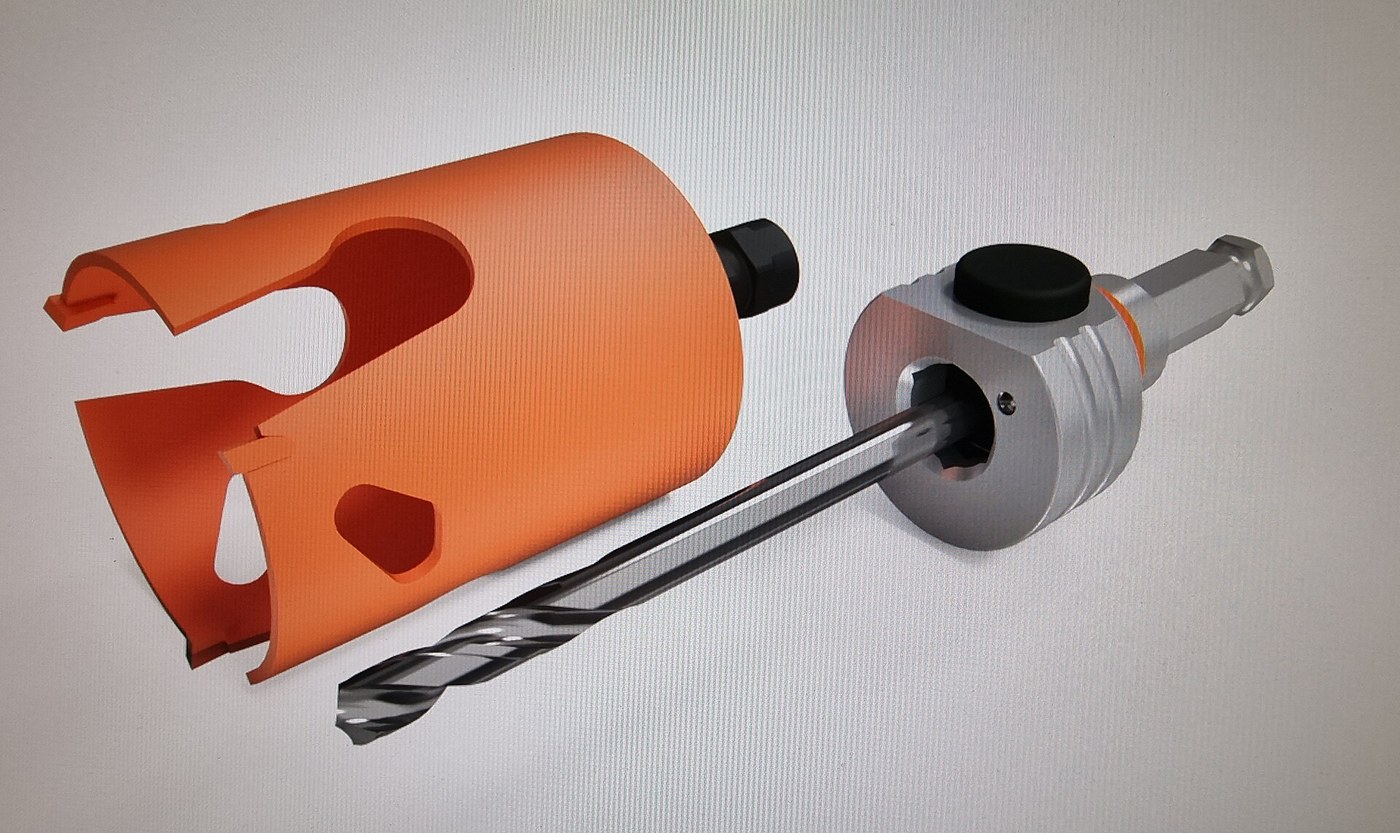


Hole Saws: Toothed Strip Rolled into a Cup
A hole saw is a steel cup with teeth on its rim, driven by an arbor that carries a pilot drill at the centre. One method starts from flat strip: the teeth are stamped and then ground along one edge, the strip is bent into a tube with the teeth at one end, the seam is welded and its bead ground off, the tube is heat-treated to harden the teeth, and a cap is fitted. Better saws are bi-metal: a carbon steel cup with high-speed steel teeth welded on.
མཐོ་རིམ
Factory process
ལམ་སྟོན
1
1
Stamp and grind the teeth
Stamp and grind the teeth
Cut strip to length, stamp out the teeth along one edge and grind them.
གོམ་པ་འདིའི་རྫས་རིགས:
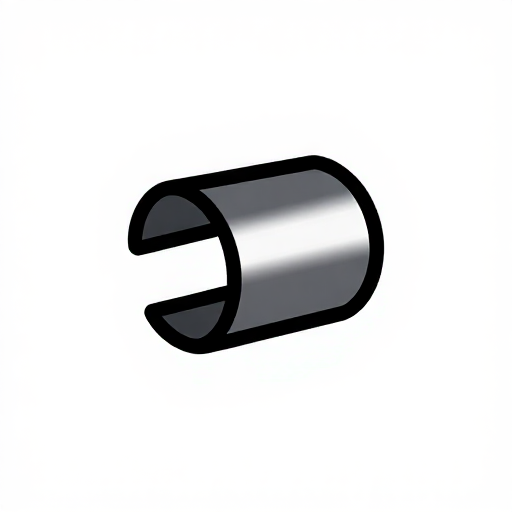 སོལ་རྫས་ལྕགས་ཁར་གྱི་ལྕགས་ཐིག0.2 kg
ལག་ཆས་དགོས་མཁོ:
 བུག་གནོན་འཕྲུལ།
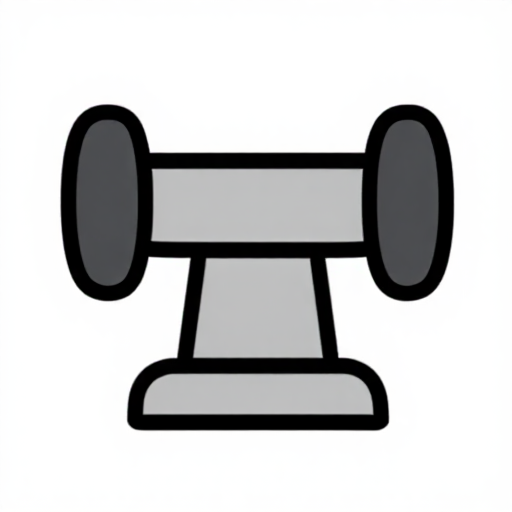 ཕྱོགས་ཙི་གུའི་ཕྱི་ཆས།
2
2
Roll and weld
Roll and weld
Bend the strip into a tube with the teeth at one end, weld the seam and grind off the bead.
ལག་ཆས་དགོས་མཁོ:
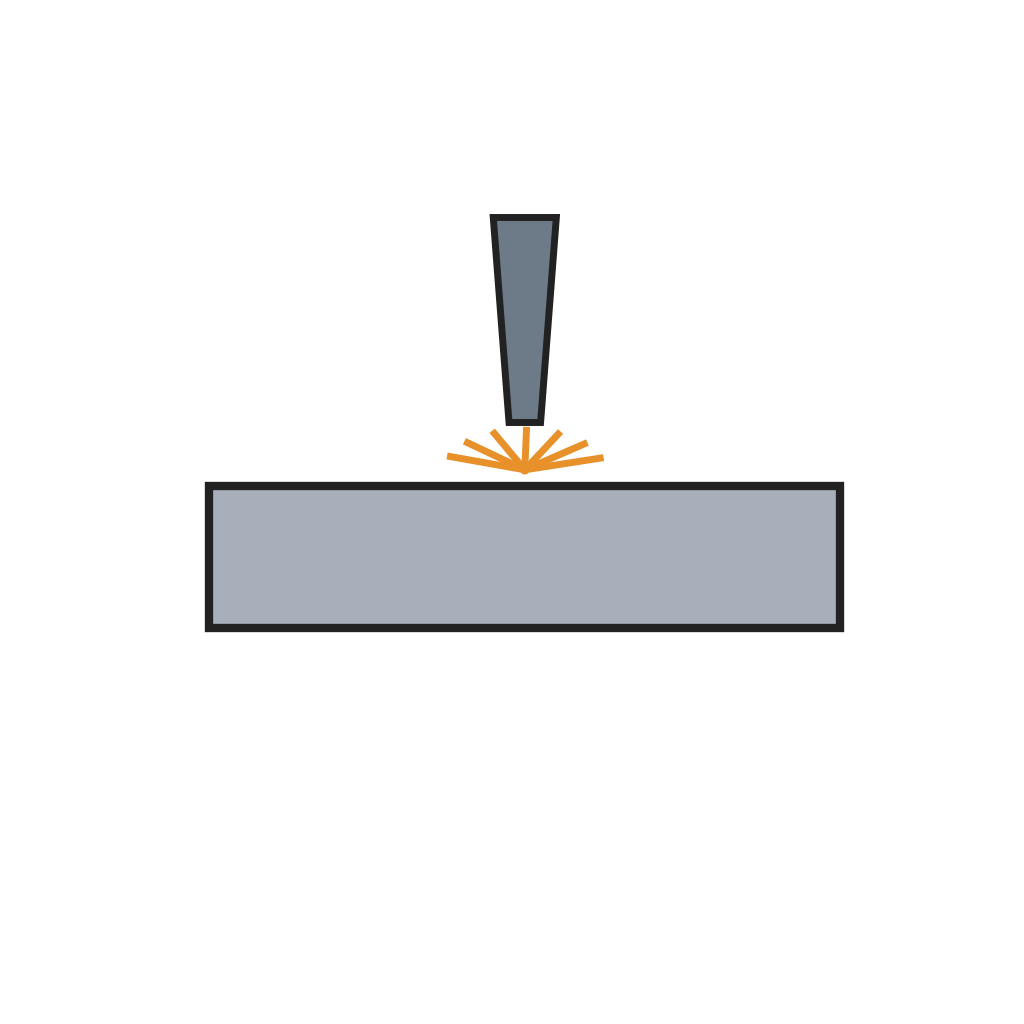 སྦུ་གུའི་མཐུད་ཐིག་བཙག་འཕྲུལ།ཕྱོགས་ཙི་གུའི་ཕྱི་ཆས།
3
3
Harden
Harden
Heat-treat the tube to harden the teeth.
ལག་ཆས་དགོས་མཁོ:
 ལྕགས་ཐིག་སྲ་བཟོ་དང་ ལོག་ཚ་བཏང་ཐབ།
4
4
Cap and arbor
Cap and arbor
Fit the cap; the saw is driven by an arbor carrying the pilot drill.
གོམ་པ་འདིའི་རྫས་རིགས:
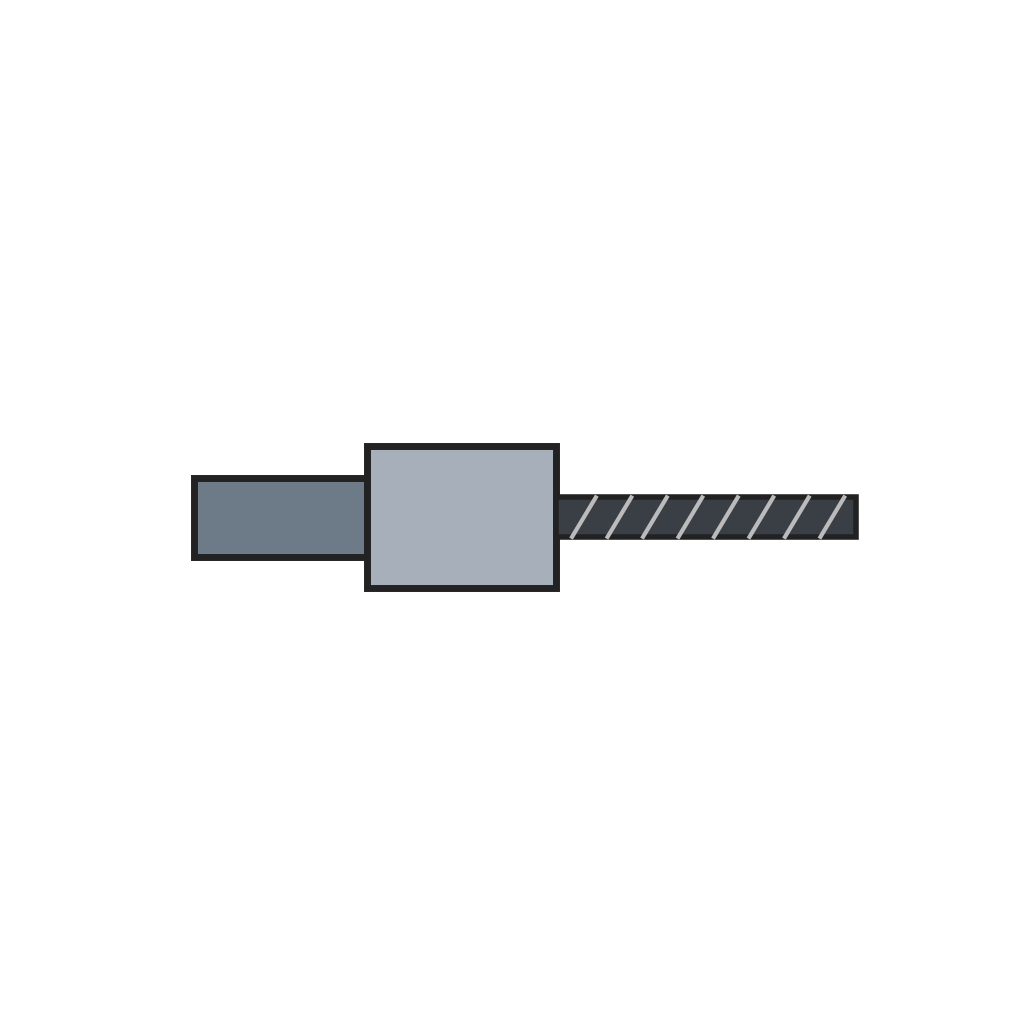 ལམ་སྟོན་བུག་གཟེར་ཡོད་པའི་ཁུང་སོག་ཡུ་བ།1 དུམ་བུ།
རྫས་རིགས
2- ས་ཆ་འཛིན
- ས་ཆ་འཛིན
ལག་ཆས་དགོས་མཁོ
4- ས་ཆ་འཛིན
- ས་ཆ་འཛིན
- ས་ཆ་འཛིན
བིལུ་པིརིན་ཊི་འདི་གིས་བཟོ་མི

འབྲེལ་ཡོད་བིལུ་པིརིན་ཊི
བིལུ་པིརིན་ཊི་འདི་ཚུ་ཐབས་ལམ་དང་རྫས་རིགས། སྤྱི་ཆོས་བགོ་བཤའ་བྱེད
CC0 སྤྱི་དབང
བིལུ་པིརིན་ཊི་འདི་CC0 འོག་བཀྲམས་ཡོད། ཁྱེད་རང་གིས་ཆོག་མཆན་མ་བཞེས་པར་ཕབ་ལེན་དང་བཟོ་བཅོས། བགོ་བཤའ། དགོས་མཁོ་གང་ལའང་བཀོལ་སྤྱོད་བྱས་ཆོག
བཟོ་མཁན་ལ་རྒྱབ་སྐྱོར་བྱེད་པའི་ཆེད་ཁོང་ཚོའི་བིལུ་པིརིན་ཊི་བརྒྱུད་ཐོན་སྐྱེད་ཉོ། བཟོ་མཁན་གྱིས བཟོ་མཁན་གྱི་ཁེ་ཕོགས ཚོང་པས་གཏན་འཁེལ་བྱས་པ། ཡང་ན་བིལུ་པིརིན་ཊི་འདིའི་པར་གསར་བཟོས་ཏེ་ཁྱེད་རང་གི་བིལུ་པིརིན་ཊི་ནང་མཐུད་སྦྲེལ་བྱས་ཏེ་ཡོང་སྒོ་བགོ་བཤའ་བྱེད།