སྒྱུ་རྩལ
མཛེས་སྡུག་དང་བདེ་ཐང
བཟོ་རིག
རིག་གནས་དང་ལོ་རྒྱུས
དགའ་སྟོན
ཁོར་ཡུག
ཟས་དང་བཏུང་རྫས
ཕྱིར་འཕྲུལ་རིག
ཚན་རིག
རྩེད་འགྲན
རིག་རྩལ
གྱོན་རུང
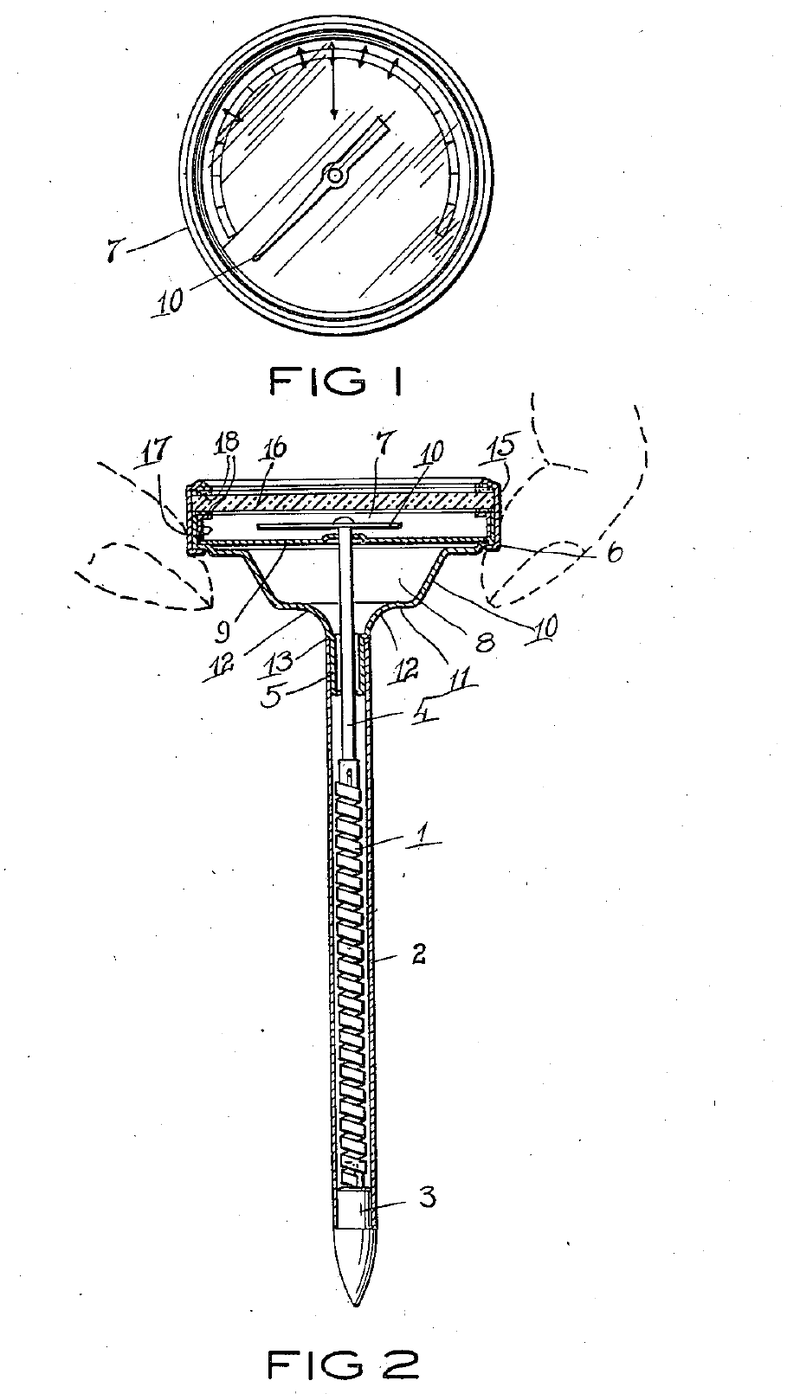


Bimetal Roast Thermometer with Spacing Chamber: Ford, 1942
A roast thermometer stays in the meat in an oven at 300 to 500 °F while the inside of the roast rises to 140 to 200 °F, so the hot dial must not heat the sensing element. George E. Ford of Rochester, New York, patented this answer in 1942, US 2,276,178. A helical bimetallic coil in a pointed tube turns a pointer over a dial. A conical spacing chamber under the dial housing narrows down to the tube, and its stepped shoulder stops the thermometer at the same depth every time. That bottom wall touches the meat, so oven heat in the housing passes into the roast instead of down the tube, and the chamber leaves room for the fingers under the dial.
བར་མ
Workshop process
ལམ་སྟོན
1
1
Tube and coil
Tube and coil
Close the bottom of the thermometer tube with a pointed plug, and secure one end of the helical bimetallic coil to the plug inside the tube; secure its other end to the pointer stem.
གོམ་པ་འདིའི་རྫས་རིགས:
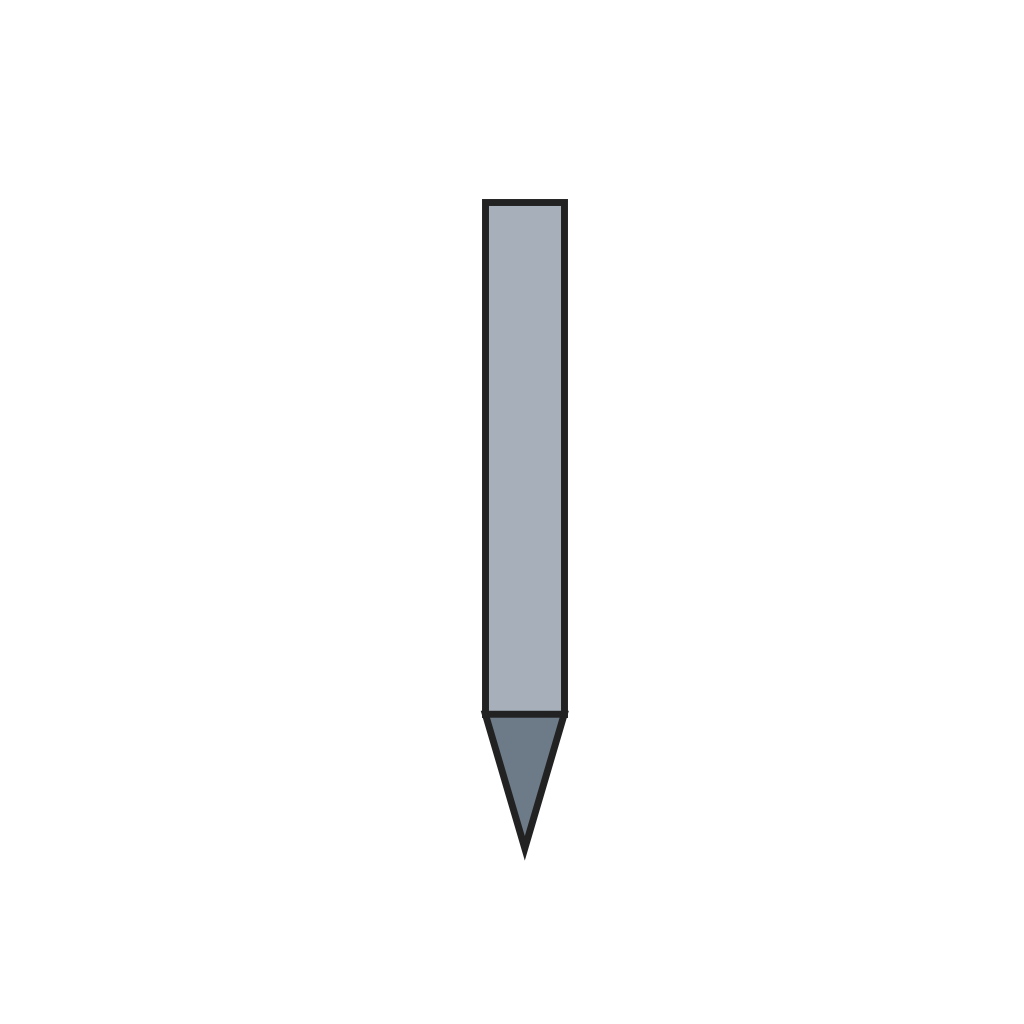 རྩེ་རྣོ་བའི་ ཁ་བཀབ་ཡོད་པའི་ ཚ་ཚད་འཇལ་ཆས་དོང་པོ།1 དུམ་བུ།
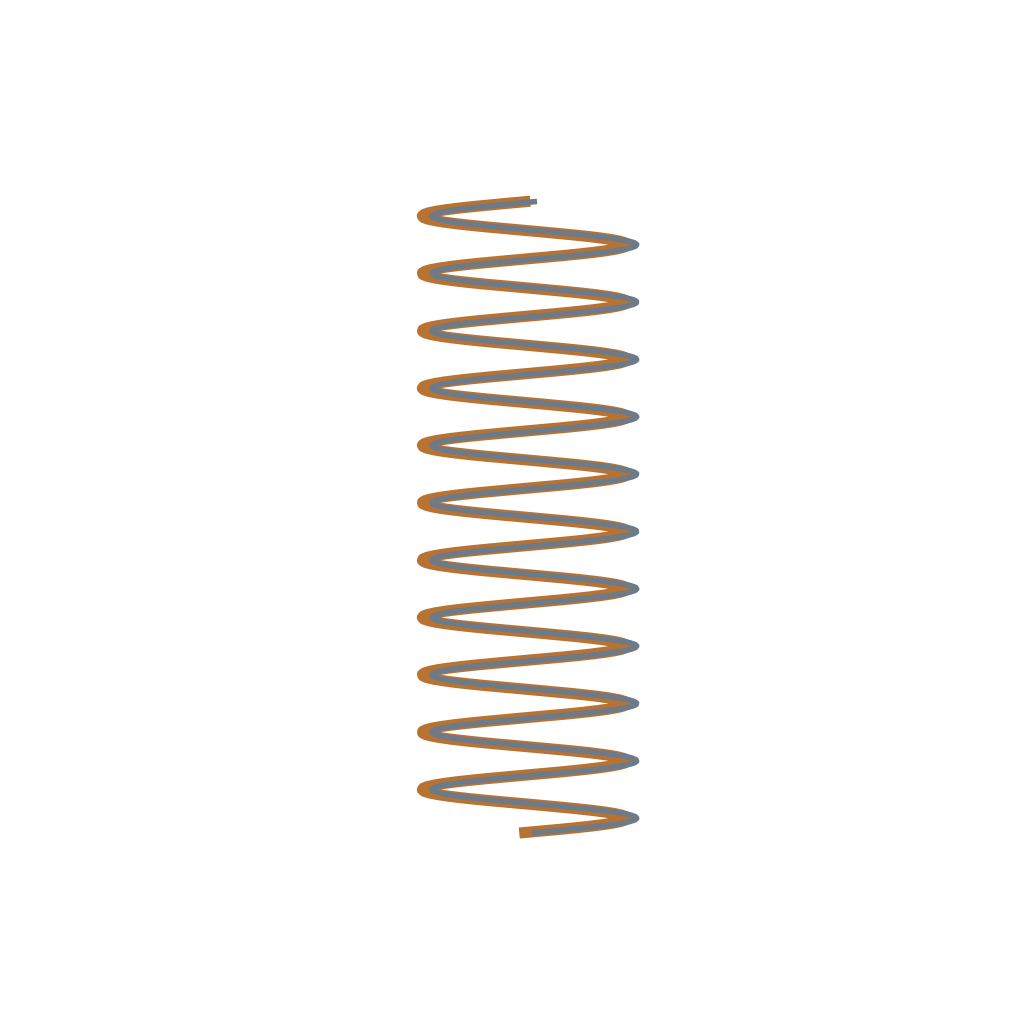 འཁྱིལ་དབྱིབས་ ལྕགས་རིགས་གཉིས་ཀྱི་ སྒྲིལ་བ།1 དུམ་བུ།
ལག་ཆས་དགོས་མཁོ:
 སྣ་ཚོགས་ལྕགས་ཀྱིབ།
 ཞིབ་ཏོག་ཏོའི་ལག་ཆས་ཆུང་ཀུའི་ཆ་ཚན།
2
2
Stem and sleeve
Stem and sleeve
Journal the pointer stem in a sleeve telescoped into the top of the tube; the sleeve carries the casing.
གོམ་པ་འདིའི་རྫས་རིགས:
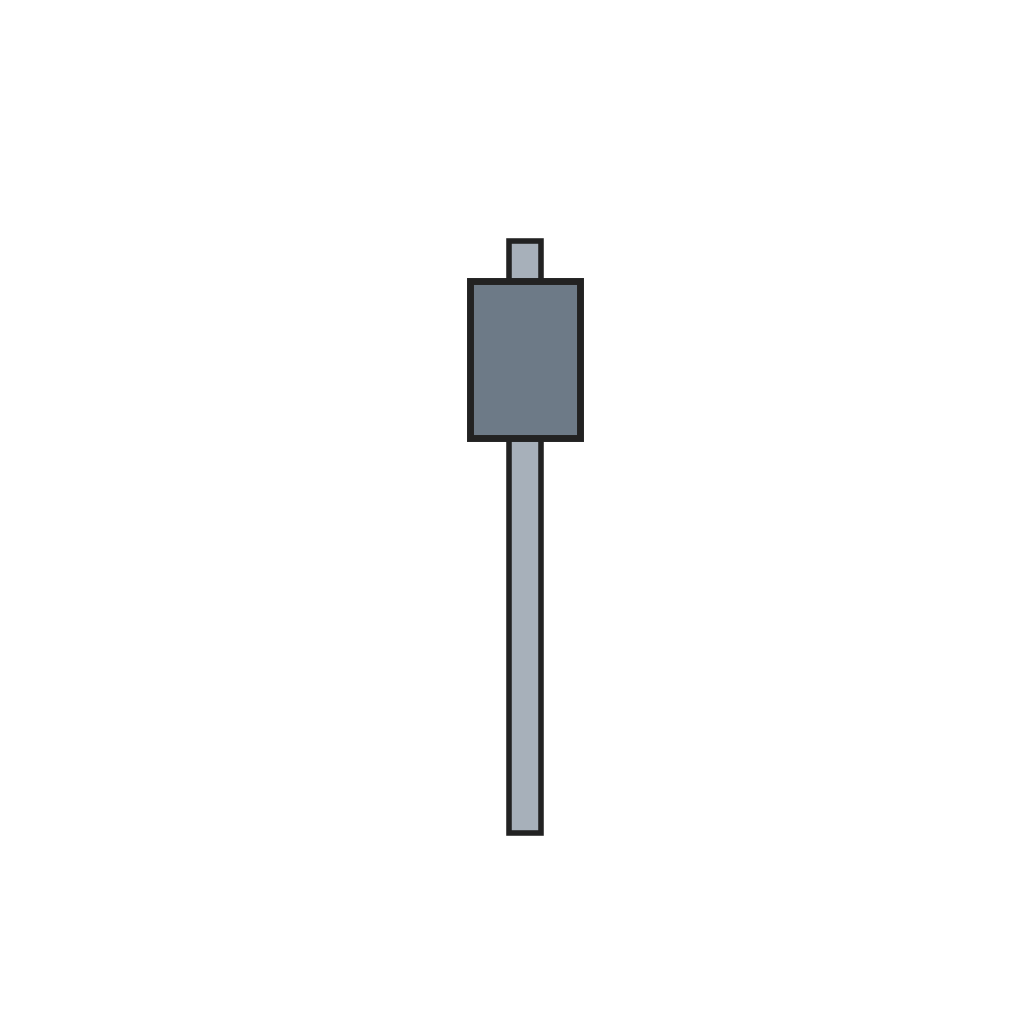 མདའ་རྟགས་ཡུ་བ་དང་ ཤུབས་ཕྲུག1 དུམ་བུ།
ལག་ཆས་དགོས་མཁོ:
ཞིབ་ཏོག་ཏོའི་ལག་ཆས་ཆུང་ཀུའི་ཆ་ཚན།3
3
Casing
Casing
Form the casing as a cylindrical dial housing over a spacing chamber with a conical wall, the sleeve being an integral part of its bottom. Below a stepped shoulder, a downward extension curves inward to the tube's diameter, ending in a second shoulder against which the tube's top abuts and seals.
གོམ་པ་འདིའི་རྫས་རིགས:
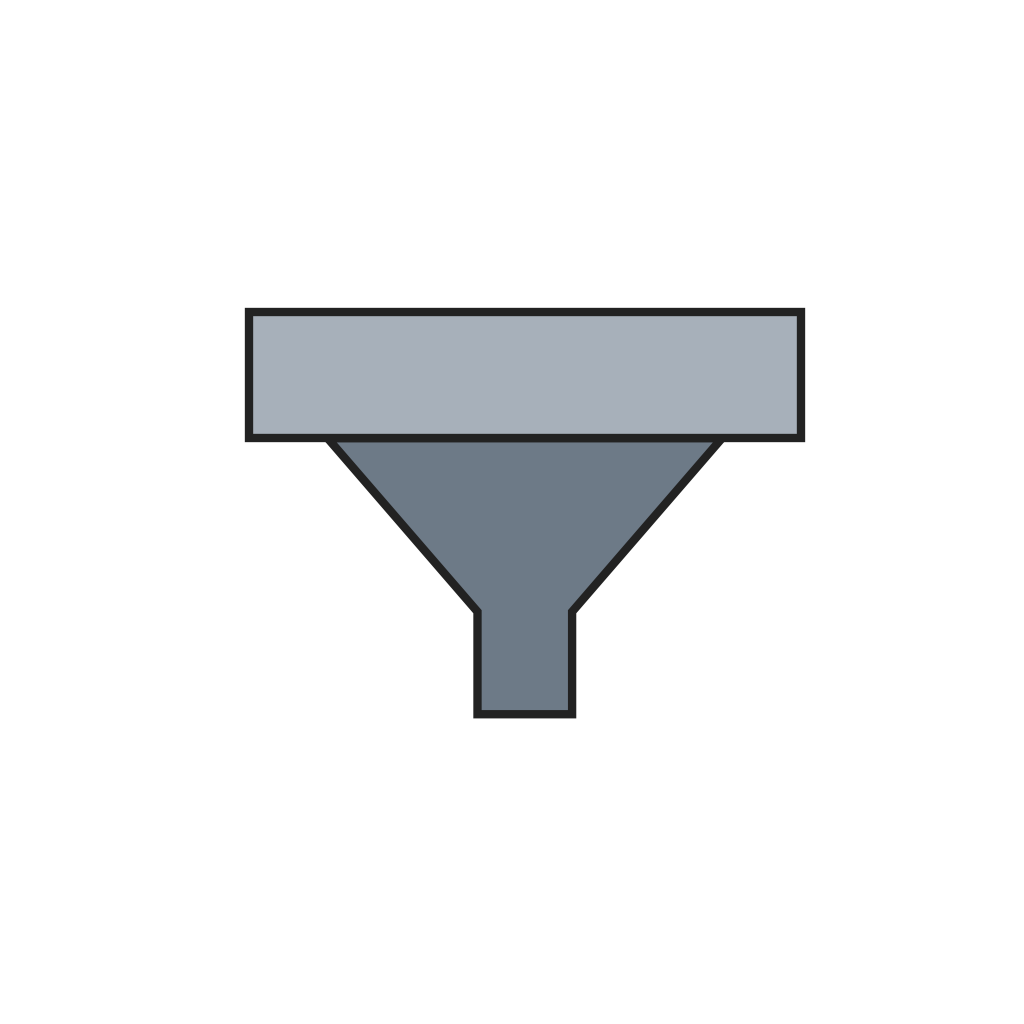 བར་སྟོང་ཁང་མིག་ཡོད་པའི་ ཚད་ངོས་ཤུབས།1 དུམ་བུ།
ལག་ཆས་དགོས་མཁོ:
 ཐེལ་རྒྱབ་གནོན་འཕྲུལ།
4
4
Dial and bezel
Dial and bezel
Fit the dial in the housing with the pointer stem through it and the pointer on the stem. Telescope a bezel over the housing to hold the crystal against the top and a spacing ring, sealed by gaskets above and below the crystal's edge.
གོམ་པ་འདིའི་རྫས་རིགས:
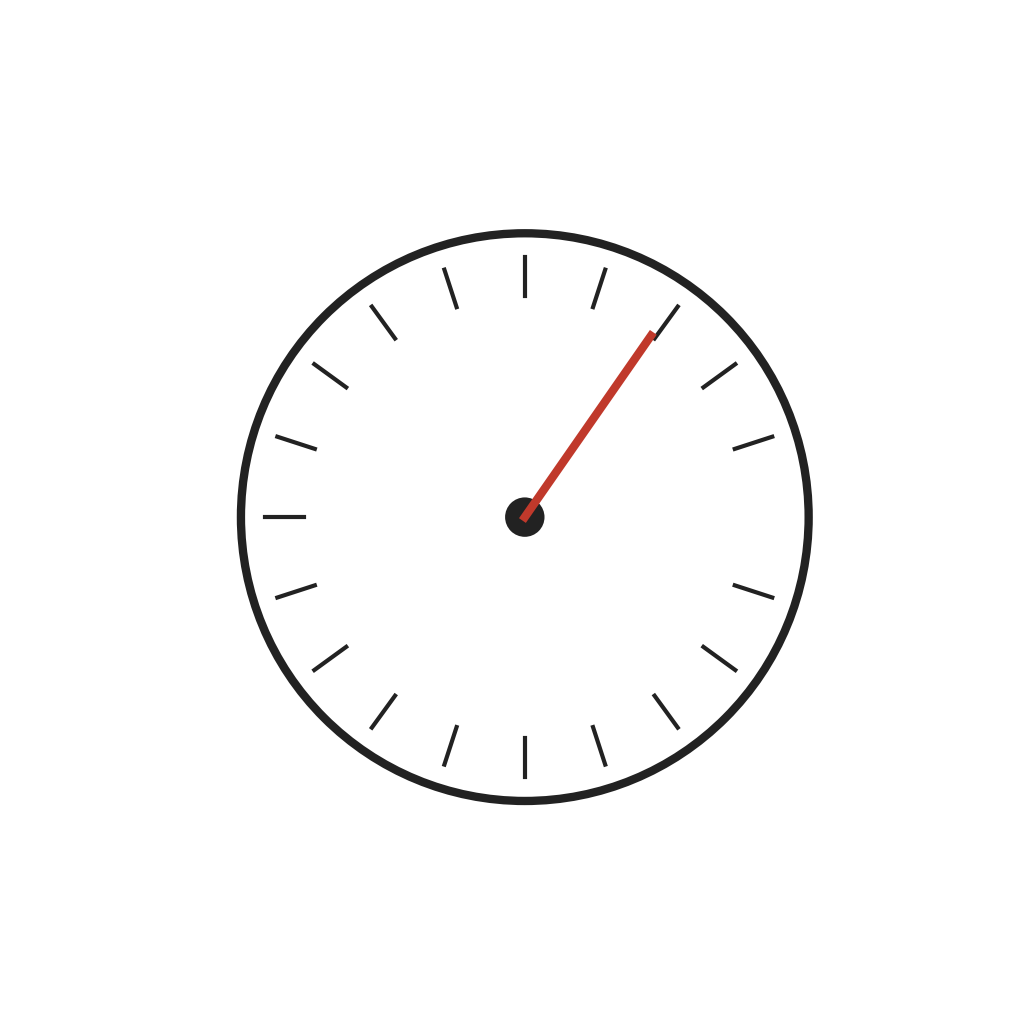 ཚ་ཚད་འཇལ་ཆས་ཀྱི་ ཚད་ངོས་དང་ མདའ་རྟགས།1 དུམ་བུ།
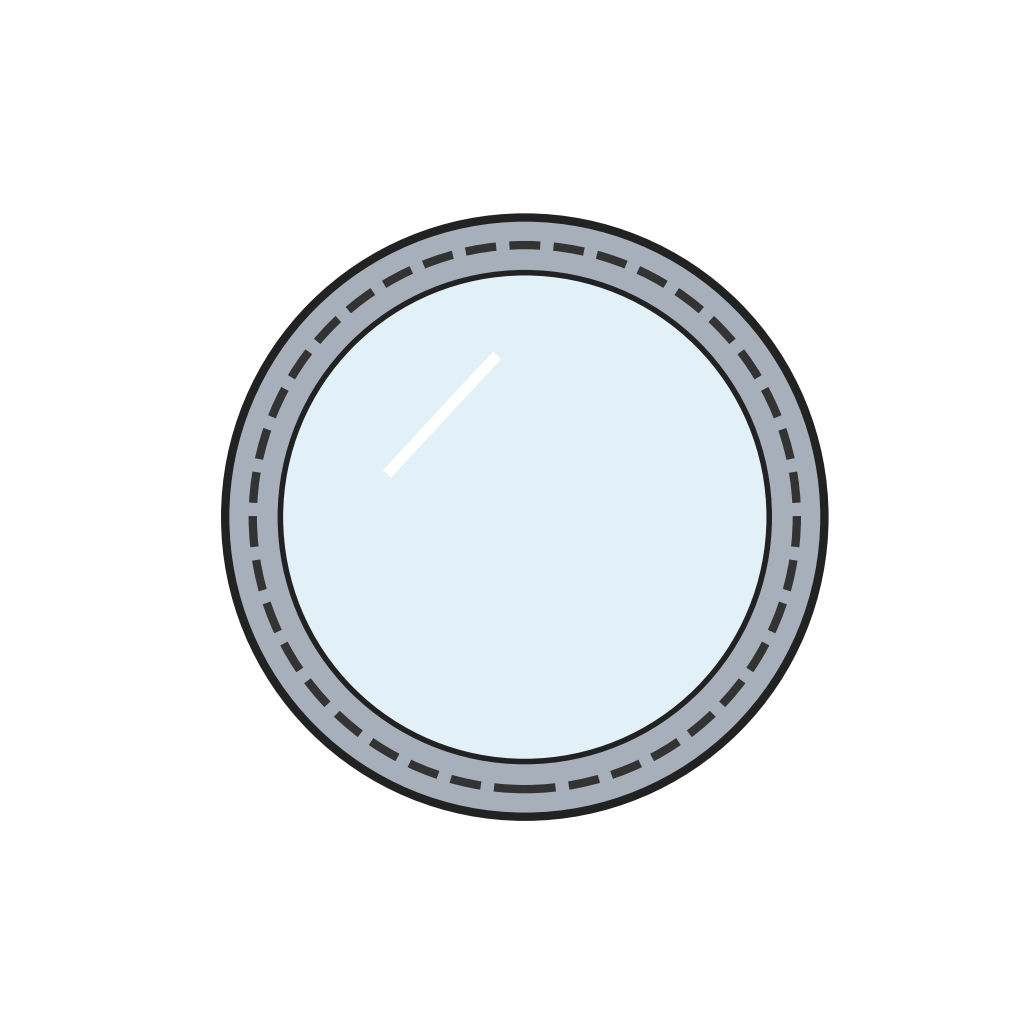 མཐའ་འཁོར་ ཤེལ་དང་ བཀག་ཆས།1 དུམ་བུ།
ལག་ཆས་དགོས་མཁོ:
ཞིབ་ཏོག་ཏོའི་ལག་ཆས་ཆུང་ཀུའི་ཆ་ཚན།རྫས་རིགས
6- ས་ཆ་འཛིན
- ས་ཆ་འཛིན
- 1 དུམ་བུ།ས་ཆ་འཛིན
- 1 དུམ་བུ།ས་ཆ་འཛིན
- ས་ཆ་འཛིན
- 1 དུམ་བུ།ས་ཆ་འཛིན
ལག་ཆས་དགོས་མཁོ
3- ས་ཆ་འཛིན
- ས་ཆ་འཛིན
བིལུ་པིརིན་ཊི་འདི་གིས་བཟོ་མི
འབྲེལ་ཡོད་བིལུ་པིརིན་ཊི
བིལུ་པིརིན་ཊི་འདི་ཚུ་ཐབས་ལམ་དང་རྫས་རིགས། སྤྱི་ཆོས་བགོ་བཤའ་བྱེད

CC0 སྤྱི་དབང
བིལུ་པིརིན་ཊི་འདི་CC0 འོག་བཀྲམས་ཡོད། ཁྱེད་རང་གིས་ཆོག་མཆན་མ་བཞེས་པར་ཕབ་ལེན་དང་བཟོ་བཅོས། བགོ་བཤའ། དགོས་མཁོ་གང་ལའང་བཀོལ་སྤྱོད་བྱས་ཆོག
བཟོ་མཁན་ལ་རྒྱབ་སྐྱོར་བྱེད་པའི་ཆེད་ཁོང་ཚོའི་བིལུ་པིརིན་ཊི་བརྒྱུད་ཐོན་སྐྱེད་ཉོ། བཟོ་མཁན་གྱིས བཟོ་མཁན་གྱི་ཁེ་ཕོགས ཚོང་པས་གཏན་འཁེལ་བྱས་པ། ཡང་ན་བིལུ་པིརིན་ཊི་འདིའི་པར་གསར་བཟོས་ཏེ་ཁྱེད་རང་གི་བིལུ་པིརིན་ཊི་ནང་མཐུད་སྦྲེལ་བྱས་ཏེ་ཡོང་སྒོ་བགོ་བཤའ་བྱེད།