སྒྱུ་རྩལ
མཛེས་སྡུག་དང་བདེ་ཐང
བཟོ་རིག
རིག་གནས་དང་ལོ་རྒྱུས
དགའ་སྟོན
ཁོར་ཡུག
ཟས་དང་བཏུང་རྫས
ཕྱིར་འཕྲུལ་རིག
ཚན་རིག
རྩེད་འགྲན
རིག་རྩལ
གྱོན་རུང
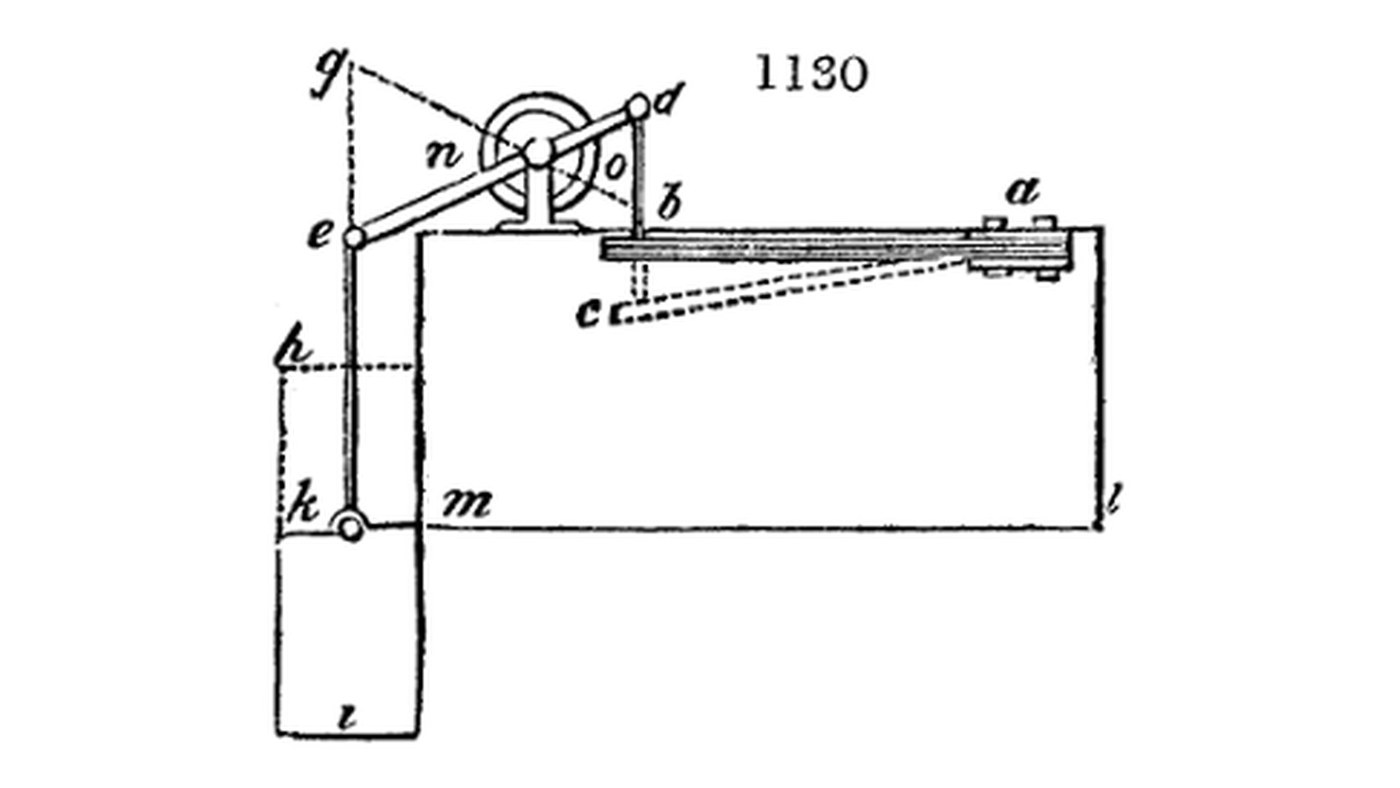


Bimetallic Strip: Ure's Thermostatic Bar of Steel and Brass (1839)
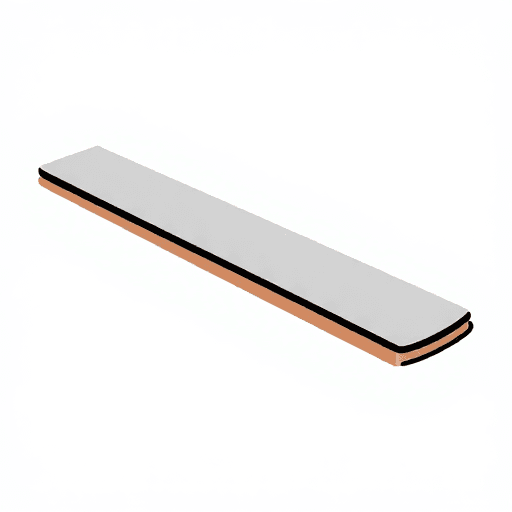
The compound bar of Andrew Ure's 1831 thermostat: a thin steel ruler and a ruler of hard-hammered brass riveted face to face. Brass expands more than steel, so when the bar warms it bends, and the free end can work a valve, damper or cock.
Bolt one end fast and leave the other free to move.
Source: A. Ure, Dictionary of Arts, Manufactures and Mines (1839), 'Thermostat'. Picture: the book's Fig. 1130.
འགོ་བཙུགས
Unknown
ལམ་སྟོན
1
1
Prepare the two rulers
Prepare the two rulers
Take two long thin rulers, one of steel and one of brass. Hammer the brass hard.
གོམ་པ་འདིའི་རྫས་རིགས:
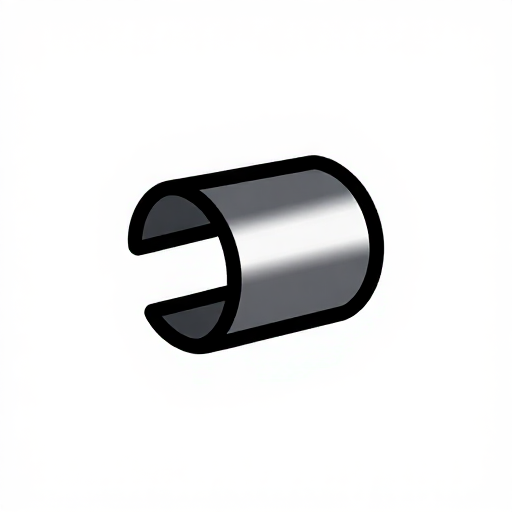 སོལ་རྫས་ལྕགས་ཁར་གྱི་ལྕགས་ཐིག1 thin ruler
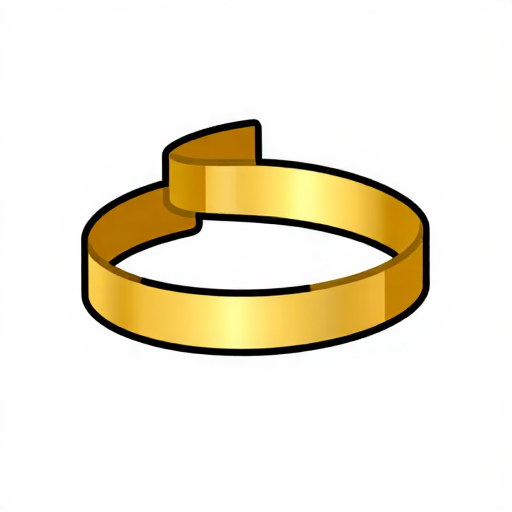 རག་གི་ཐིག་ལེབ།1 thin ruler
ལག་ཆས་དགོས་མཁོ:
 ཐོ་བ།
 མགར་བའི་རྡོ་ལེབ།
2
2
Rivet them face to face
Rivet them face to face
Lay the rulers face to face and rivet them firmly together along their length.
གོམ་པ་འདིའི་རྫས་རིགས:
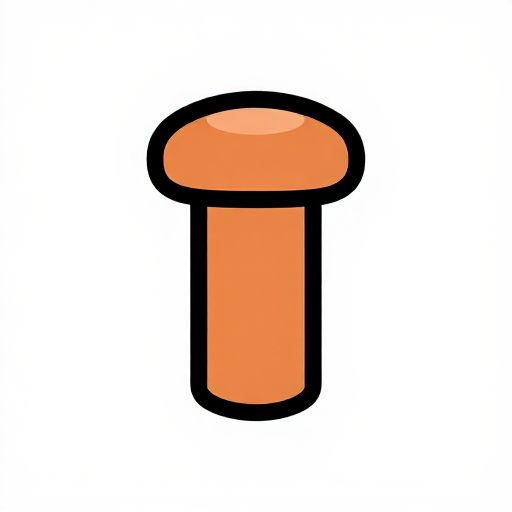 ཟངས་ཀྱི་རི་བེཊ།1 དུམ་བུ།
ལག་ཆས་དགོས་མཁོ:
 ལག་འཕྲུལ་ཁུང་བཏོན
 ལྕགས་གཟེར་གྱི་ཚན་ཁགཐོ་བ།
3
3
Mount and use
Mount and use
Fix one end of the compound bar by bolts and leave the other free: when heated the free end moves by flexure, and through links and levers it can open or close a valve, cock, register or ventilator. In the still's heat-governor two such bars stand with their edges up and down.
ལག་ཆས་དགོས་མཁོ:
ཐོ་བ།རྫས་རིགས
3- 1 thin rulerས་ཆ་འཛིན
- 1 thin rulerས་ཆ་འཛིན
- 1 དུམ་བུ།ས་ཆ་འཛིན
བིལུ་པིརིན་ཊི་འདི་གིས་བཟོ་མི
CC0 སྤྱི་དབང
བིལུ་པིརིན་ཊི་འདི་CC0 འོག་བཀྲམས་ཡོད། ཁྱེད་རང་གིས་ཆོག་མཆན་མ་བཞེས་པར་ཕབ་ལེན་དང་བཟོ་བཅོས། བགོ་བཤའ། དགོས་མཁོ་གང་ལའང་བཀོལ་སྤྱོད་བྱས་ཆོག
བཟོ་མཁན་ལ་རྒྱབ་སྐྱོར་བྱེད་པའི་ཆེད་ཁོང་ཚོའི་བིལུ་པིརིན་ཊི་བརྒྱུད་ཐོན་སྐྱེད་ཉོ། བཟོ་མཁན་གྱིས བཟོ་མཁན་གྱི་ཁེ་ཕོགས ཚོང་པས་གཏན་འཁེལ་བྱས་པ། ཡང་ན་བིལུ་པིརིན་ཊི་འདིའི་པར་གསར་བཟོས་ཏེ་ཁྱེད་རང་གི་བིལུ་པིརིན་ཊི་ནང་མཐུད་སྦྲེལ་བྱས་ཏེ་ཡོང་སྒོ་བགོ་བཤའ་བྱེད།