སྒྱུ་རྩལ
མཛེས་སྡུག་དང་བདེ་ཐང
བཟོ་རིག
རིག་གནས་དང་ལོ་རྒྱུས
དགའ་སྟོན
ཁོར་ཡུག
ཟས་དང་བཏུང་རྫས
ཕྱིར་འཕྲུལ་རིག
ཚན་རིག
རྩེད་འགྲན
རིག་རྩལ
གྱོན་རུང
སྐད་བསྒྱུར་འབད་ཡོདཔ།
BLUEPRINT NFT


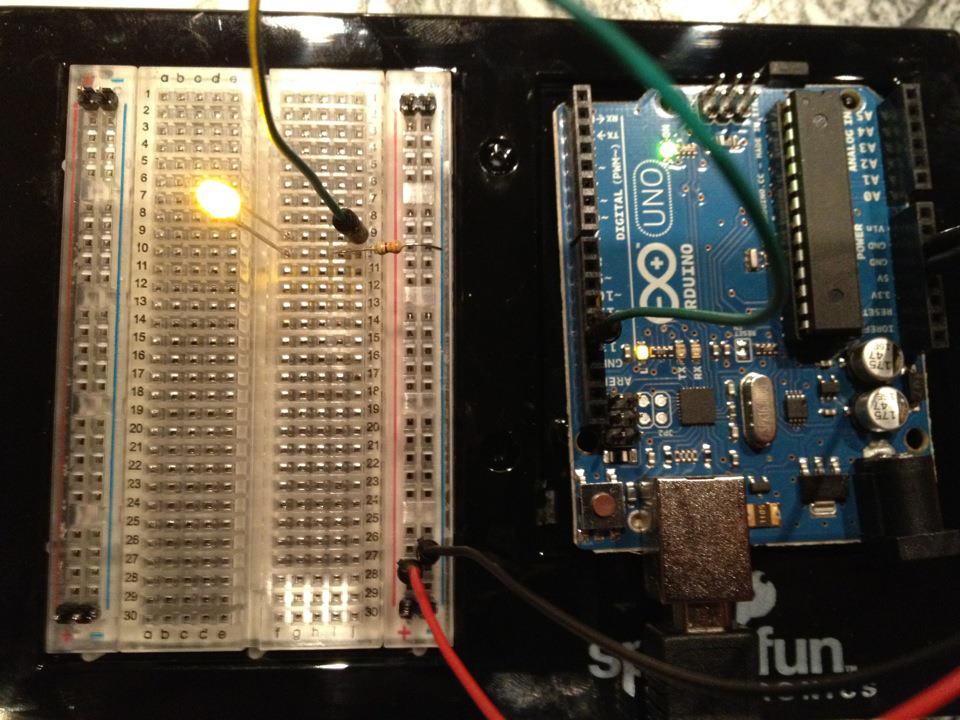
LED མིག་རྫུན — ཁྱོད་ཀྱི་ Arduino ལས་འགུལ་དང་པོ
གློག་ཆས་ཀྱི་ལས་འགུལ་དང་པོ་དམིགས་བསལ! Arduino དང་ breadboard དང་ resistor དང་ LED གཅིག་བཀོལ་ཏེ་མིག་རྫུན་LED circuit རྐྱབས། འགོ་བཙུགས་པ་ཚུ་ལུ་ཡང་དག — soldering དགོས་མི་འདུག།
ལམ་སྟོན
1
1
ཁ་གླེང་ཕོ་ཆེ་ཚུ་སྡེབ་སྒྲིག་གླེང་སྟེ་ལེན་པ།
ཁ་གླེང་ཕོ་ཆེ་ཚུ་སྡེབ་སྒྲིག་གླེང་སྟེ་ལེན་པ།
འོག་སྐོར་དུ་རམ་འདེགས་བྱེ་ཆེ་ཚུ་ཆ་མེད་དུ་ལེན་པ། ལག་རུ་དགོ་མི་འདུག — ཆ་མེད་ཀྱི་ཚུ་ཆ་མེད་གི་བོད་ཀྱི་ཅོད་པེ་ནང་དུ་ཞུགས་སུ་འདེགས་ཡོད།
གོམ་པ་འདིའི་རྫས་རིགས:
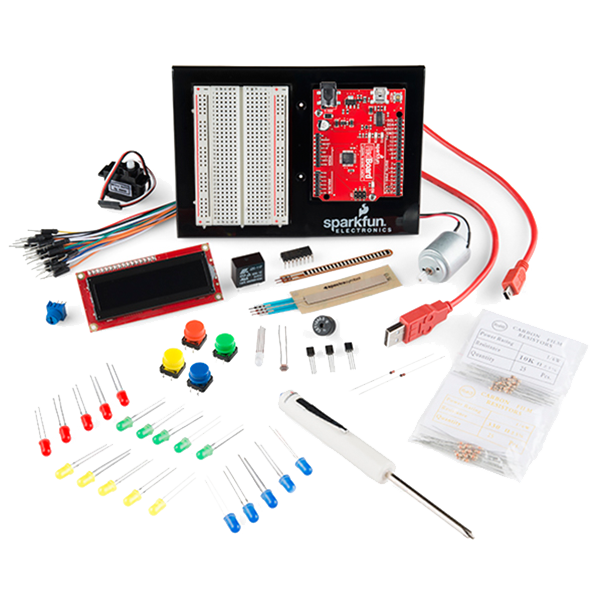 SparkFun Inventor's Kit - V3.21 ཡོ་བྱད་ཚན།
ལག་ཆས་དགོས་མཁོ:
 Arduino IDE ཡོད་པའི་གློག་རིག
2
2
མིག་བྱང་ circuit
མིག་བྱང་ circuit
Signal འདི Arduino Pin 13 → 220Ω resistor (R1) → LED (D1) → GND བརྒྱུད་འགྲོ། Resistor གྱིས LED ཉེན་སྲུང་གི་དོན་ལུ་ current དམ་བསྒྲིགས་འབད།
གོམ་པ་འདིའི་རྫས་རིགས:
 Arduino Uno R31 དུམ་བུ།
 མི་ལི་མི་ཊར ༥ གི LED1 དུམ་བུ།
 ༡/༤ ཝཱཊ་གྱི་གློག་བཀག་ཆ་ཚན།1 དུམ་བུ།
3
3
ཐག་སྦྲེལ་མཐུད
ཐག་སྦྲེལ་མཐུད
- LED འདི breadboard ནང་བཙུགས — རྐང་རིང་པོ (anode +) གྲལ་གཅིག་ནང་ རྐང་ཐུང་ (cathode −) གྲལ་གཞན་ནང་།
- 220Ω resistor གྱི་རྐང་གཅིག LED cathode གྱི་གྲལ་གཅིག་ནང་བཙུགས། རྐང་གཞན་གྲལ་སོ་སོར།
- Jumper wire LED anode གྲལ་ལས → Arduino Pin 13།
- Jumper wire resistor གྱི་གྲལ་ཁ་ཕྱེ་ལས → Arduino GND།
གོམ་པ་འདིའི་རྫས་རིགས:
མི་ལི་མི་ཊར ༥ གི LED1 དུམ་བུ།༡/༤ ཝཱཊ་གྱི་གློག་བཀག་ཆ་ཚན།1 དུམ་བུ། བེརེཌ་བོཌ།1 དུམ་བུ།
 མཐུད་ཐག2 དུམ་བུ།
4
4
མིག་རྫུན་ code ཡར་བསྐྱལ
མིག་རྫུན་ code ཡར་བསྐྱལ
USB བརྒྱུད་ Arduino མཐུད་སྦྲེལ་བྱོས། Arduino IDE ཁ་ཕྱེ་ Tools → Board → Arduino Uno གདམ་ code སྦྱར་ Upload ནུབ།
blink.inoarduino
གོམ་པ་འདིའི་རྫས་རིགས:
Arduino Uno R31 དུམ་བུ།ལག་ཆས་དགོས་མཁོ:
Arduino IDE ཡོད་པའི་གློག་རིག USB-B ཞགས་པ།
5
5
PCB འབེད་སྟེགས་ (ལreference་)
PCB འབེད་སྟེགས་ (ལreference་)
འདིས་ circuit ་ PCB འབེད་སྟེགས་ལ་སྟོན་པ་ཡིན། འདི་ project ་འདིའི་དོན་ལུ་དགོས་མི་དགོས་རེད། breadboard ་ལེགས་ཤོས་འདུག་ — ད་ེརང་གིས་ circuit ་དེ་དངོས་དངོས་ board ་གི་སྐུ་གཟུགས་ལ་སྐུལ་བའི་གདེང་སེང་སྟོན་པ་ཡིན།
6
6
ཚོད་སྐུལ་དང་དཔེ་ལ་དགོད།
ཚོད་སྐུལ་དང་དཔེ་ལ་དགོད།
LED འོད་འཕྲེང་གིས་འབར་སྒྲུབ། དགའ་སྤྲོ་ཡི་སྐུལ་སྟེགས། ཁྱེད་ཀྱིས་ཚོད་རིས་ངོས་འཛིན་བྱེད་སྐུལ་གླེང་སྟེགས།
གཞི་རིས་ལེགས་བསྒྲིགས་དགོས་པ།
རམ་འདེགས་གླེང་སྟེགས།
གཞི་རིས་ལེགས་བསྒྲིགས་དགོས་པ།
- LED འོད་འཕྲེང་གིས་མ་འབར་ངེས། LED ལ་ལྡོག་སྐུལ་གླེང་། རིང་པོའི་གླེང་དགེ་Pin 13 ལ་ཕྱོགས་གླེང་དགོས།
- LED དུས་ཡུན་གོ་མོའི་རིང་འོད་འཕྲེང་གིས་འབར་སྲིད། རམ་འདེགས་བྱེད་སྐུལ་དང་ཇེ་དགོས་གླེང་དགོས།
- གང་ཡང་མ་བྱུང་སྲིད། གླེང་སྟེགས་དང་གླེང་དགེ་འདི་གུ་གླེང་ལ་ཐུག་དགོས།
རམ་འདེགས་གླེང་སྟེགས།
delay()གོ་ཕུགས་ཐོག་གླེང་དགེ་འབར་སྲིད་གྱི་སྐུལ་ཆེད་དགོས།- LED གླེང་གྲུབ་གླེང་ Pin 12 ལ་གླེང་དགོས།
- RGB LED ལ་ལྡོག་སྐུལ་གླེང་། (SIK Circuit 3 ལ་ལྟ།)
རྫས་རིགས
6- SparkFun Inventor's Kit - V3.2ཁེ་ཕོགས 10%1 ཡོ་བྱད་ཚན།$106.94
- ས་ཆ་འཛིན
- ས་ཆ་འཛིན
- 1 དུམ་བུ།ས་ཆ་འཛིན
- ས་ཆ་འཛིན
- ས་ཆ་འཛིན
ལག་ཆས་དགོས་མཁོ
3- ས་ཆ་འཛིན
- 1 vendor sell this, none ship to you yetས་ཆ་འཛིན
- Optional, pre-made jumper wires do not need strippingས་ཆ་འཛིན
ཚོད་དཔག་བསྡོམས
བཟོ་མི་གིས་ཉོ་མི་དེ། གོང་ཚད་མེད་པར་སྟོན་མི་ཅ་ཆས་ཚུ་ཁྱོད་ཀྱིས་ག་ཏེ་ལས་ཉོཝ་ཨིན་ན་དེ་ལས་ཐོབ་ཨིན།
CC0 སྤྱི་དབང
བིལུ་པིརིན་ཊི་འདི་CC0 འོག་བཀྲམས་ཡོད། ཁྱེད་རང་གིས་ཆོག་མཆན་མ་བཞེས་པར་ཕབ་ལེན་དང་བཟོ་བཅོས། བགོ་བཤའ། དགོས་མཁོ་གང་ལའང་བཀོལ་སྤྱོད་བྱས་ཆོག
བཟོ་མཁན་ལ་རྒྱབ་སྐྱོར་བྱེད་པའི་ཆེད་ཁོང་ཚོའི་བིལུ་པིརིན་ཊི་བརྒྱུད་ཐོན་སྐྱེད་ཉོ། བཟོ་མཁན་གྱིས བཟོ་མཁན་གྱི་ཁེ་ཕོགས ཚོང་པས་གཏན་འཁེལ་བྱས་པ། ཡང་ན་བིལུ་པིརིན་ཊི་འདིའི་པར་གསར་བཟོས་ཏེ་ཁྱེད་རང་གི་བིལུ་པིརིན་ཊི་ནང་མཐུད་སྦྲེལ་བྱས་ཏེ་ཡོང་སྒོ་བགོ་བཤའ་བྱེད།