སྒྱུ་རྩལ
མཛེས་སྡུག་དང་བདེ་ཐང
བཟོ་རིག
རིག་གནས་དང་ལོ་རྒྱུས
དགའ་སྟོན
ཁོར་ཡུག
ཟས་དང་བཏུང་རྫས
ཕྱིར་འཕྲུལ་རིག
ཚན་རིག
རྩེད་འགྲན
རིག་རྩལ
གྱོན་རུང
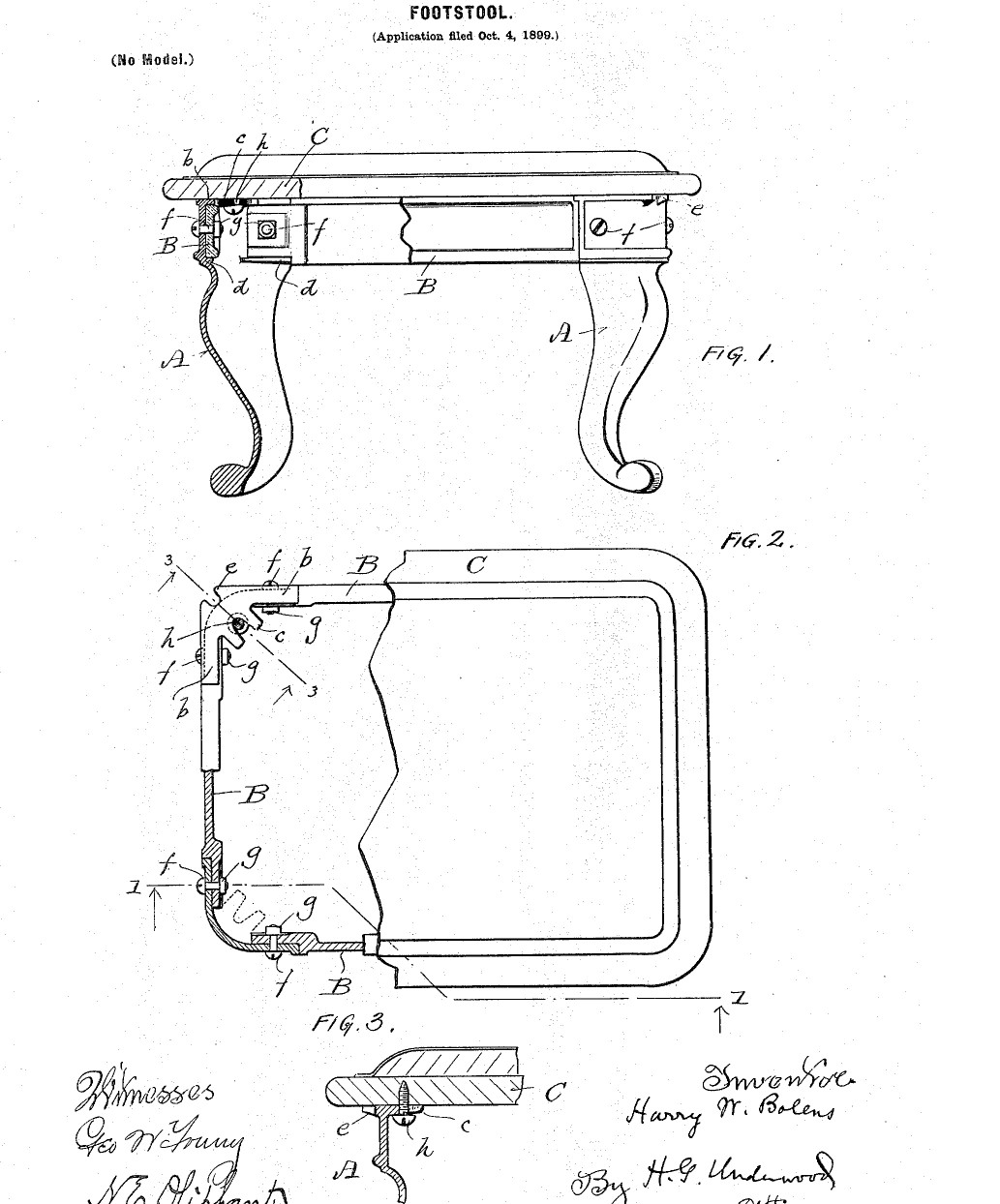


Knock-Down Footstool: Bolted Metal Legs and Rails Under a Screwed-On Wooden Top (Bolens, 1900)
Harry W. Bolens of Port Washington, Wisconsin, received US 640,265, dated 2 January 1900, for a footstool whose base comes apart: four metal corner legs and four rails bolted together, with a wooden top screwed on through lugs on the legs. It packs flat for storage and shipping.
His legs were ornamental castings; ours are bent from steel angle. All sizes are ours.
འགོ་བཙུགས
About 4 hours
ལམ་སྟོན
1
1
Cut list
Cut list
Jupyter ཚང་དེབ་མངོན་གསལ་འབད་དོ་…
2
2
Read US 640,265
Read US 640,265
"The above-described base has the advantage of being a knockdown structure, and thus I provide for economical storage and transportation."
3
3
Make the legs
Make the legs
Cut four legs of steel angle to the notebook's length, his corner legs A. At the top of each, cut and bend a small tab inward to make the flange and lug (his b and c), and drill the lug for a top screw. File off sharp edges.
གོམ་པ་འདིའི་རྫས་རིགས:
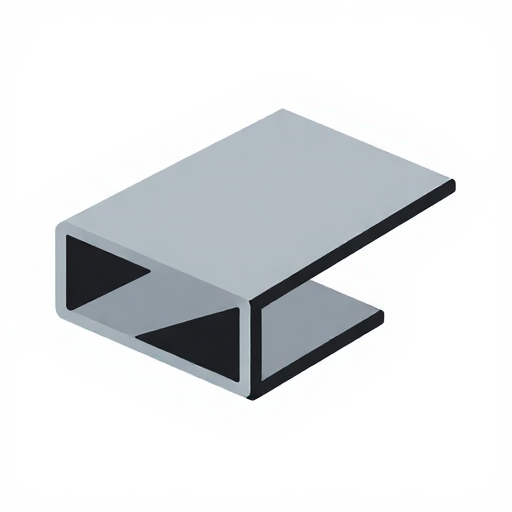 ལྕགས་འཇམ་གྱི་ཟུར་ལྕགས།1 དུམ་བུ།
ལག་ཆས་དགོས་མཁོ:
 ལྕགས་གཏུབ་སོག་ལེ།
 ལས་ཅོག་གི་འཛིན་ཆས།
 མགོ་སྒོར་སྒོར་གྱི་ཐོ་བ།
 འཁོད་བཞག་ཕུག་འཕྲུལ།
 ཕུག་མགོའི་ཚོགས་ཆས།
 དར་མའི་ཚོགས་ཆས།
4
4
Make the rails
Make the rails
Cut two side rails and two end rails of flat bar, his rails B. Bend each end slightly (his offset ends) so it lies flush inside the leg's angle. Drill matching holes through rail ends and legs.
གོམ་པ་འདིའི་རྫས་རིགས:
 ལྕགས་འཇམ་གྱི་ལེབ་ཤིང་།1 དུམ་བུ།
ལག་ཆས་དགོས་མཁོ:
ལྕགས་གཏུབ་སོག་ལེ།ལས་ཅོག་གི་འཛིན་ཆས།འཁོད་བཞག་ཕུག་འཕྲུལ།ཕུག་མགོའི་ཚོགས་ཆས།5
5
Bolt the base
Bolt the base
Bolt each rail end to its leg with a bolt and nut, his bolts f and nuts g. Check the base stands square and level.
གོམ་པ་འདིའི་རྫས་རིགས:
 ཟུར་དྲུག་སྐྱོགས་ཤིང་གི་བསྡུ་ཚན།1 དུམ་བུ།
ལག་ཆས་དགོས་མཁོ:
 ཚད་བསྒྱུར་ཚུགས་པའི་མཐེབ་ལྕགས།
6
6
Fit the top
Fit the top
Cut and sand a hardwood top, his top C. Set it on the base and drive a screw up through each leg's lug into it, his screws h. Upholster it if you like, as he allows.
གོམ་པ་འདིའི་རྫས་རིགས:
 ཤིང་སྲ་བའི་པང་ལེབ།1 དུམ་བུ།
 ཤིང་གི་སྒྲོག1 དུམ་བུ།
ལག་ཆས་དགོས་མཁོ:
 ལག་སོག་ལེ།
 བྱེ་མའི་ཤོག་ཀུ
 སྒྲོག་བསྐོར་ཆས་ཆ་ཚང་།
7
7
Troubleshooting
Troubleshooting
Footstool troubleshooting.
Flow
Loading...
8
8
History and honest limits
History and honest limits
**Harry W. Bolens** of Port Washington, Wisconsin, US 640,265, dated 2 January 1900, filed 4 October 1899. He claimed "a footstool-base consisting of legs provided at their upper ends with inwardly-extending flanges as well as horizontal lugs ... apertured for the engagement of top securing devices" and rails between the flanges. His legs and rails were castings, though he does not limit the material; the steel angle and flat bar, the bent lugs, the hardwood top and all sizes are ours.
རྫས་རིགས
5- 1 དུམ་བུ།ས་ཆ་འཛིན
- 1 དུམ་བུ།ས་ཆ་འཛིན
- 1 དུམ་བུ།ས་ཆ་འཛིན
- 1 དུམ་བུ།ས་ཆ་འཛིན
- 1 དུམ་བུ།ས་ཆ་འཛིན
ལག་ཆས་དགོས་མཁོ
10- ས་ཆ་འཛིན
- ས་ཆ་འཛིན
- ས་ཆ་འཛིན
- ས་ཆ་འཛིན
- ས་ཆ་འཛིན
- ས་ཆ་འཛིན
- ས་ཆ་འཛིན
- ས་ཆ་འཛིན
- ས་ཆ་འཛིན
- ས་ཆ་འཛིན
བིལུ་པིརིན་ཊི་འདི་གིས་བཟོ་མི
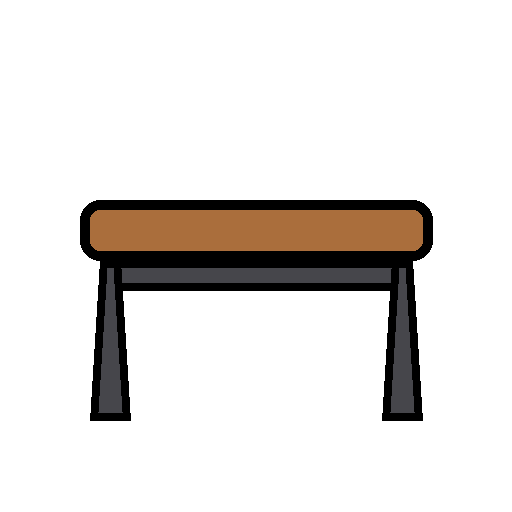
འབྲེལ་ཡོད་བིལུ་པིརིན་ཊི
བིལུ་པིརིན་ཊི་འདི་ཚུ་ཐབས་ལམ་དང་རྫས་རིགས། སྤྱི་ཆོས་བགོ་བཤའ་བྱེད
CC0 སྤྱི་དབང
བིལུ་པིརིན་ཊི་འདི་CC0 འོག་བཀྲམས་ཡོད། ཁྱེད་རང་གིས་ཆོག་མཆན་མ་བཞེས་པར་ཕབ་ལེན་དང་བཟོ་བཅོས། བགོ་བཤའ། དགོས་མཁོ་གང་ལའང་བཀོལ་སྤྱོད་བྱས་ཆོག
བཟོ་མཁན་ལ་རྒྱབ་སྐྱོར་བྱེད་པའི་ཆེད་ཁོང་ཚོའི་བིལུ་པིརིན་ཊི་བརྒྱུད་ཐོན་སྐྱེད་ཉོ། བཟོ་མཁན་གྱིས བཟོ་མཁན་གྱི་ཁེ་ཕོགས ཚོང་པས་གཏན་འཁེལ་བྱས་པ། ཡང་ན་བིལུ་པིརིན་ཊི་འདིའི་པར་གསར་བཟོས་ཏེ་ཁྱེད་རང་གི་བིལུ་པིརིན་ཊི་ནང་མཐུད་སྦྲེལ་བྱས་ཏེ་ཡོང་སྒོ་བགོ་བཤའ་བྱེད།