སྒྱུ་རྩལ
མཛེས་སྡུག་དང་བདེ་ཐང
བཟོ་རིག
རིག་གནས་དང་ལོ་རྒྱུས
དགའ་སྟོན
ཁོར་ཡུག
ཟས་དང་བཏུང་རྫས
ཕྱིར་འཕྲུལ་རིག
ཚན་རིག
རྩེད་འགྲན
རིག་རྩལ
གྱོན་རུང
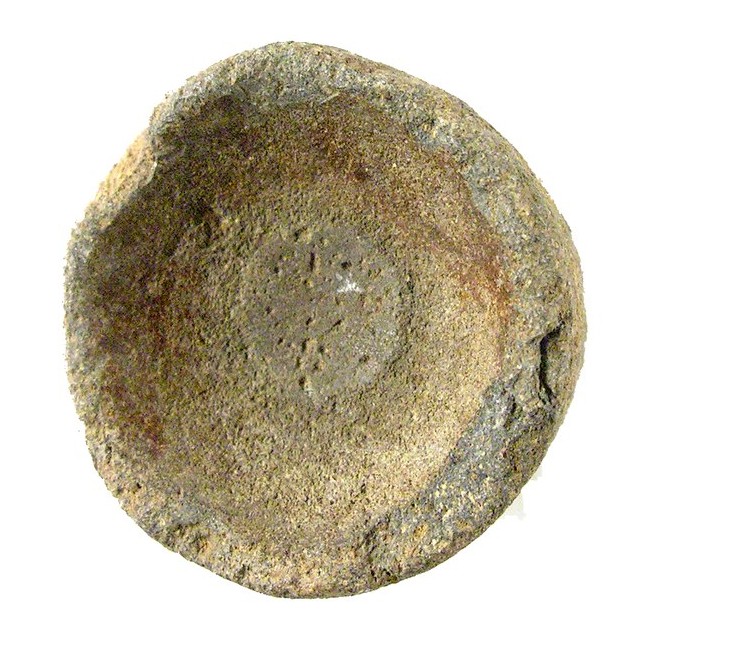


Bone Ash by Calcining Bones
Bone ash is the white material left when bones are calcined: mainly calcium phosphate, generally given as Ca5(OH)(PO4)3, about 56% calcium oxide and 42% phosphorus pentoxide by analysis. It melts only at about 1670 °C. Its porous, high-melting structure makes it the classic cupel for separating silver and gold from lead, and it forms about half of the body of bone china.
འགོ་བཙུགས
Workshop process
ལམ་སྟོན
1
1
Clean the bones
Clean the bones
Remove any meat from the bones, then degrease them.
གོམ་པ་འདིའི་རྫས་རིགས:
 རུས་པ།1 as required
ལག་ཆས་དགོས་མཁོ:
 གྲི།
གྲི།2
2
Calcine
Calcine
Calcine the bones in a kiln. For bone china they are calcined to around 1000 °C (up to about 1100 °C), which removes all organic matter and leaves the bone sterilised and white; traditional bone ash was calcined lower, at around 800 °C. Most bones keep their cellular structure through calcination. Handle the hot bones with tongs and heat-resistant gloves, and let them cool before grinding.
ལག་ཆས་དགོས་མཁོ:
 ཐབ།
ཐབ། སྐམ་པ
སྐམ་པ ཚ་བཟོད་ཀྱི་ལག་ཤུབས།
3
3
Grind
Grind
Grind the calcined bone with water to a fine particle size, then partially dewater it.
གོམ་པ་འདིའི་རྫས་རིགས:
 ཆུ།1 as required
ལག་ཆས་དགོས་མཁོ:
 གཏུན་ཁུང་དང་གཏུན་ཤིང་།
བིལུ་པིརིན་ཊི་འདི་གིས་བཟོ་མི

འབྲེལ་ཡོད་བིལུ་པིརིན་ཊི
བིལུ་པིརིན་ཊི་འདི་ཚུ་ཐབས་ལམ་དང་རྫས་རིགས། སྤྱི་ཆོས་བགོ་བཤའ་བྱེད

CC0 སྤྱི་དབང
བིལུ་པིརིན་ཊི་འདི་CC0 འོག་བཀྲམས་ཡོད། ཁྱེད་རང་གིས་ཆོག་མཆན་མ་བཞེས་པར་ཕབ་ལེན་དང་བཟོ་བཅོས། བགོ་བཤའ། དགོས་མཁོ་གང་ལའང་བཀོལ་སྤྱོད་བྱས་ཆོག
བཟོ་མཁན་ལ་རྒྱབ་སྐྱོར་བྱེད་པའི་ཆེད་ཁོང་ཚོའི་བིལུ་པིརིན་ཊི་བརྒྱུད་ཐོན་སྐྱེད་ཉོ། བཟོ་མཁན་གྱིས བཟོ་མཁན་གྱི་ཁེ་ཕོགས ཚོང་པས་གཏན་འཁེལ་བྱས་པ། ཡང་ན་བིལུ་པིརིན་ཊི་འདིའི་པར་གསར་བཟོས་ཏེ་ཁྱེད་རང་གི་བིལུ་པིརིན་ཊི་ནང་མཐུད་སྦྲེལ་བྱས་ཏེ་ཡོང་སྒོ་བགོ་བཤའ་བྱེད།