སྒྱུ་རྩལ
མཛེས་སྡུག་དང་བདེ་ཐང
བཟོ་རིག
རིག་གནས་དང་ལོ་རྒྱུས
དགའ་སྟོན
ཁོར་ཡུག
ཟས་དང་བཏུང་རྫས
ཕྱིར་འཕྲུལ་རིག
ཚན་རིག
རྩེད་འགྲན
རིག་རྩལ
གྱོན་རུང
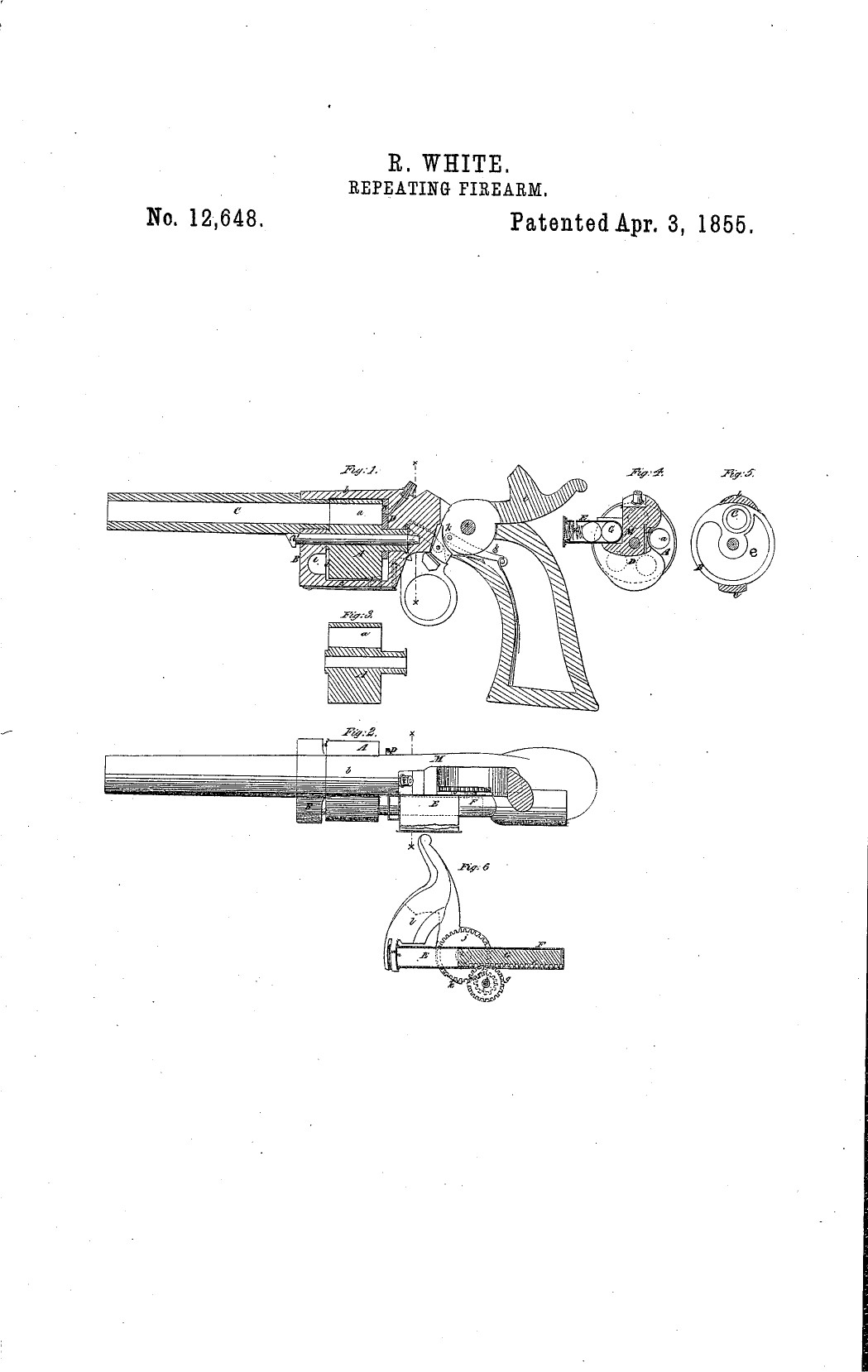

The Bored-Through Cylinder and the Self-Contained Cartridge (Rollin White, 1855) - History and How It Works
འགོ་བཙུགས
About 15 minutes
ལམ་སྟོན
1
1
Read White's patent
Read White's patent
His first claim: "Extending the chambers a a of the rotating cylinder A right through the rear of the said cylinder." (US 12,648, dated 3 April 1855.)
2
2
How it works, in principle
How it works, in principle
With the chambers open at both ends, a cartridge (powder and ball made up as one unit) goes in from the back instead of being loaded loose from the front. White made the chambers slightly conical, smallest at the front, "in order that a cartridge may be inserted easily at the back, but that the ball may fit tight when it arrives in its place".
3
3
What came of it
What came of it
Once cartridges carried their own powder, ball and ignition in a metal case, a revolver could be reloaded in seconds from the back. Smith & Wesson built their first cartridge revolvers under a licence of White's patent.
4
4
Honest limits
Honest limits
From the text of US 12,648 (1855). His patent also describes a magazine and charging piston not covered here. This page gives no dimensions, charges or making steps, by design.
འབྲེལ་ཡོད་བིལུ་པིརིན་ཊི
བིལུ་པིརིན་ཊི་འདི་ཚུ་ཐབས་ལམ་དང་རྫས་རིགས། སྤྱི་ཆོས་བགོ་བཤའ་བྱེད
ཉེན་ཁ་ཅན།
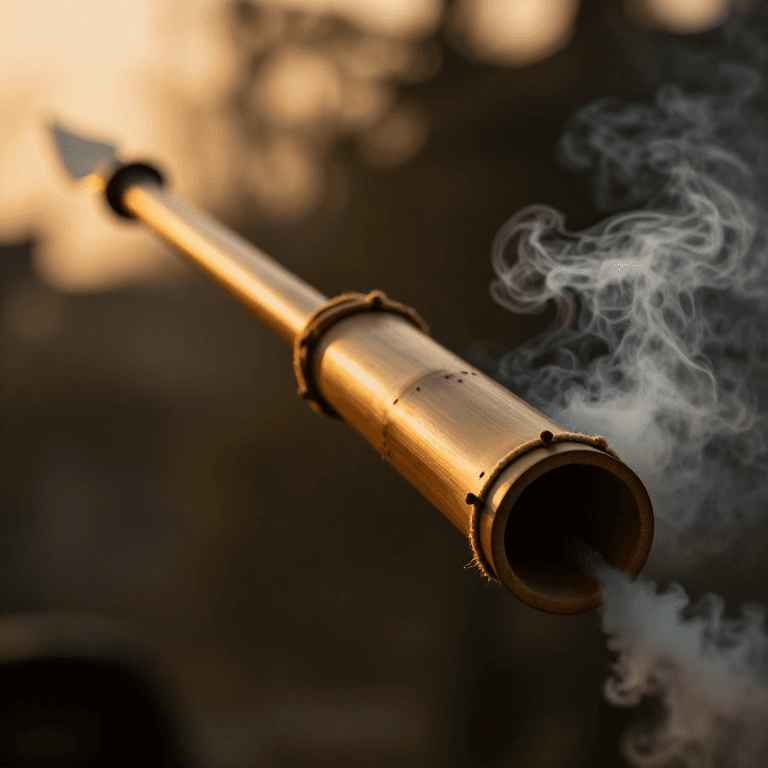
Building a Song Dynasty Fire Lance — The World's First Gunpowder Weapon
Charlie གྱིས
མཚོན་ཆ
༡༡༨
༡
༠
༠
༤
༠
ཉེན་ཁ་ཅན།
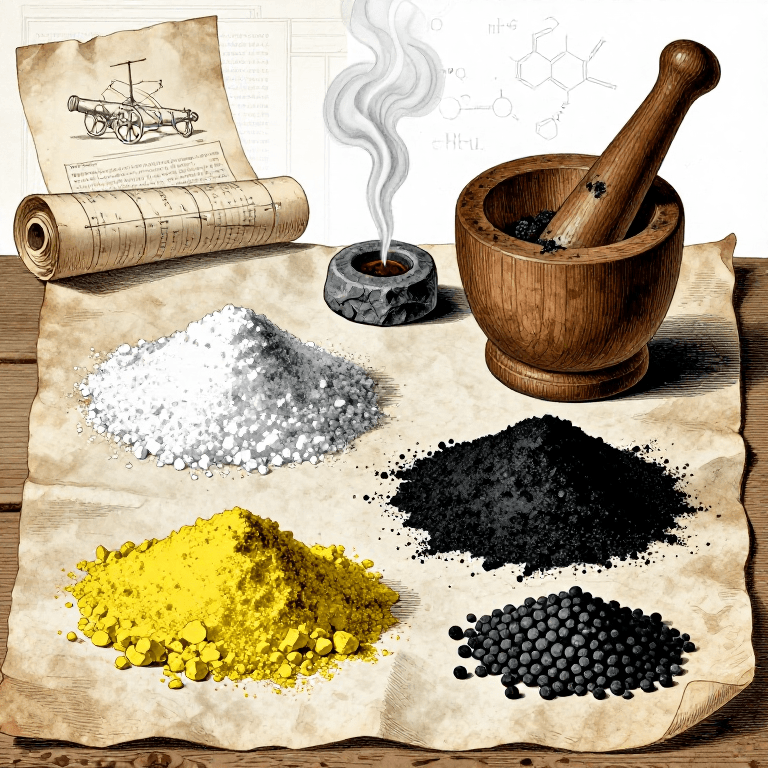
Making Black Powder from Saltpeter, Sulfur, and Charcoal — The Mixture That Changed the World
Charlie གྱིས
མཚོན་ཆ
༢༠༥
༠
༠
༠
༧
༠
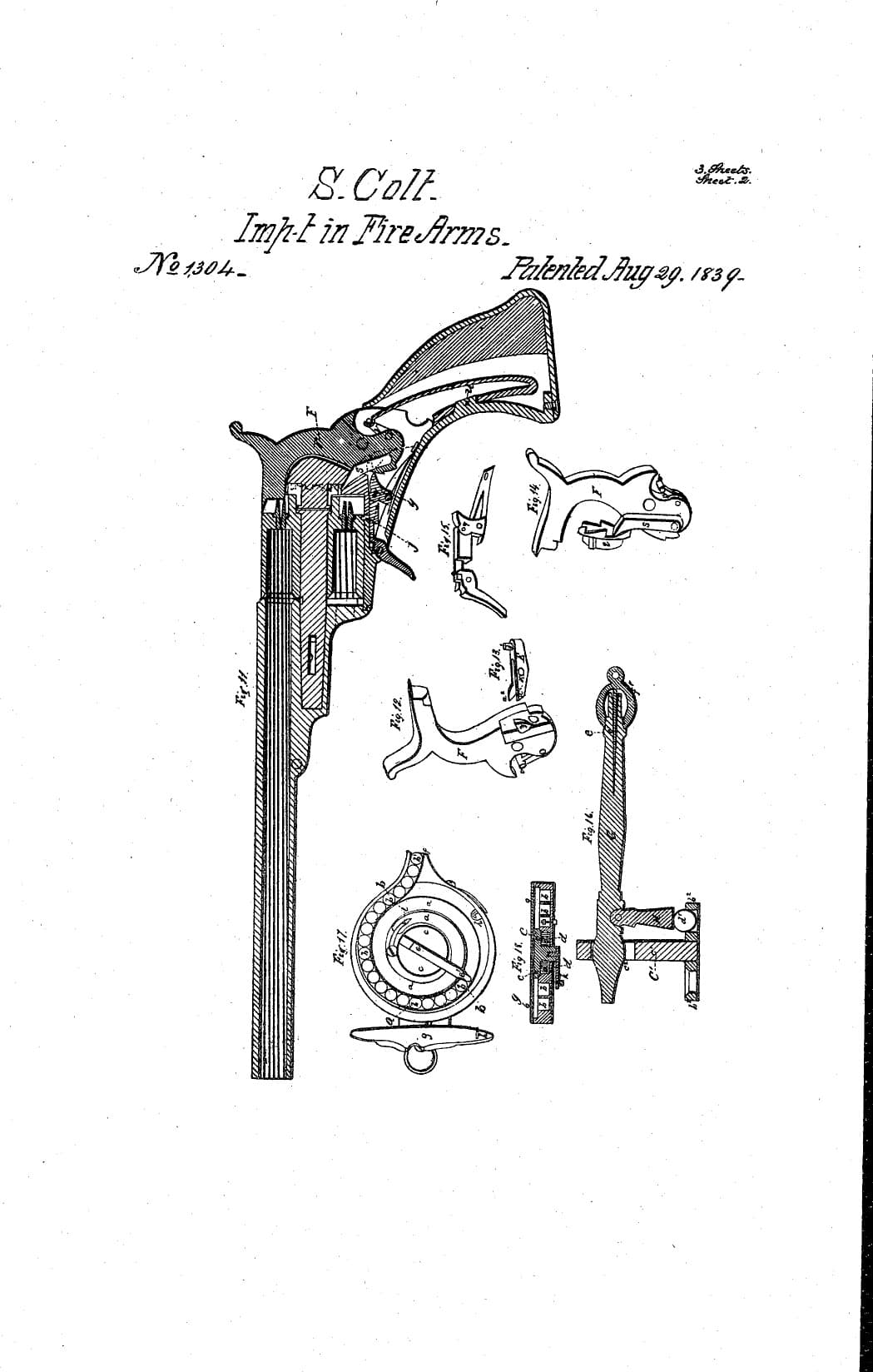
The Revolver: Several Chambers Turning Behind One Barrel (Colt, 1836 and 1839) - History and How It Works
Charlie གྱིས
མཚོན་ཆ
༢
༠
༠
༠
༠
༠
CC0 སྤྱི་དབང
བིལུ་པིརིན་ཊི་འདི་CC0 འོག་བཀྲམས་ཡོད། ཁྱེད་རང་གིས་ཆོག་མཆན་མ་བཞེས་པར་ཕབ་ལེན་དང་བཟོ་བཅོས། བགོ་བཤའ། དགོས་མཁོ་གང་ལའང་བཀོལ་སྤྱོད་བྱས་ཆོག
བཟོ་མཁན་ལ་རྒྱབ་སྐྱོར་བྱེད་པའི་ཆེད་ཁོང་ཚོའི་བིལུ་པིརིན་ཊི་བརྒྱུད་ཐོན་སྐྱེད་ཉོ། བཟོ་མཁན་གྱིས བཟོ་མཁན་གྱི་ཁེ་ཕོགས ཚོང་པས་གཏན་འཁེལ་བྱས་པ། ཡང་ན་བིལུ་པིརིན་ཊི་འདིའི་པར་གསར་བཟོས་ཏེ་ཁྱེད་རང་གི་བིལུ་པིརིན་ཊི་ནང་མཐུད་སྦྲེལ་བྱས་ཏེ་ཡོང་སྒོ་བགོ་བཤའ་བྱེད།