སྒྱུ་རྩལ
མཛེས་སྡུག་དང་བདེ་ཐང
བཟོ་རིག
རིག་གནས་དང་ལོ་རྒྱུས
དགའ་སྟོན
ཁོར་ཡུག
ཟས་དང་བཏུང་རྫས
ཕྱིར་འཕྲུལ་རིག
ཚན་རིག
རྩེད་འགྲན
རིག་རྩལ
གྱོན་རུང
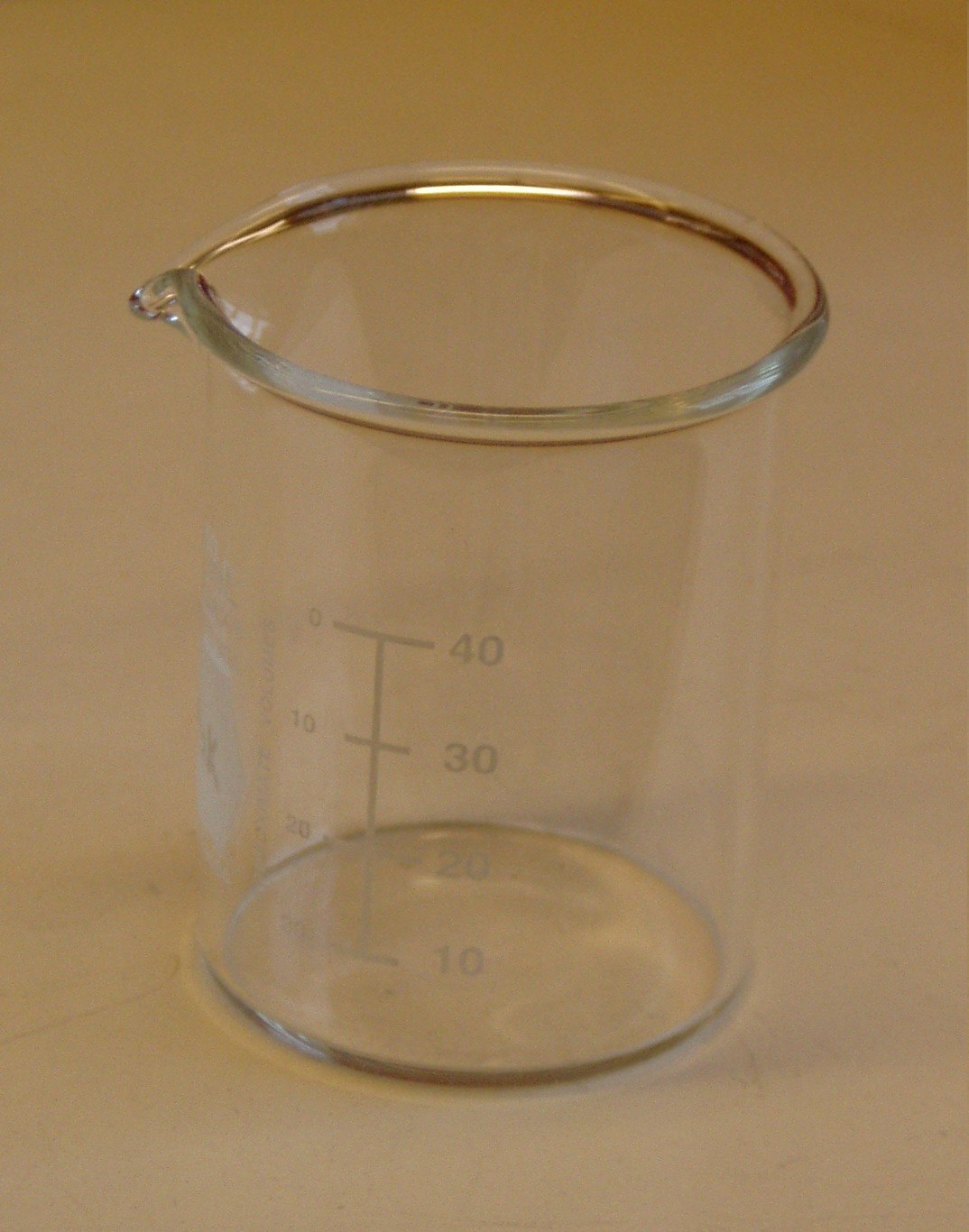


Borosilicate Beakers Made from Wide Glass Tube
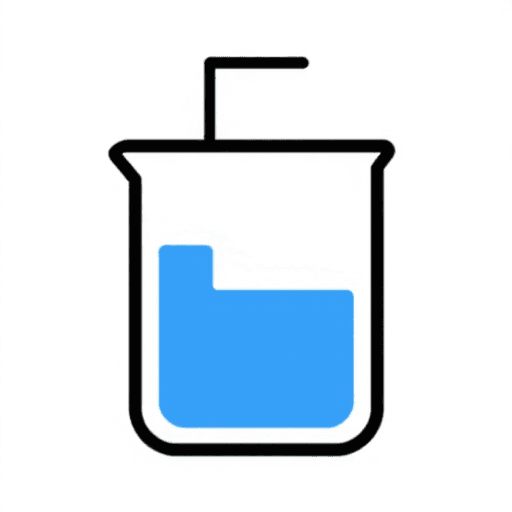
A beaker is a glass cylinder with a flat bottom and a small pouring lip; the usual low form, devised by John Joseph Griffin, is about 1.4 times as tall as it is wide. Made from wide borosilicate tube, it takes the heat of a flame or hot plate: close one end flat, open and lip the other, anneal, and mark the volumes.
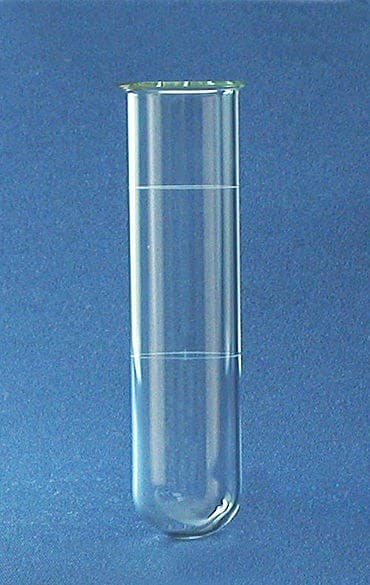
The picture: a small low-form beaker with its pouring lip and volume marks.
མཐོ་རིམ
An hour per beaker, plus annealing
ལམ་སྟོན
1
1
Cut a length of tube
Cut a length of tube
Choose wide borosilicate tube and score and snap a length a little more than 1.4 times its diameter.
གོམ་པ་འདིའི་རྫས་རིགས:
 ཤེལ་གྱི་སྦུག་མའི་ཆ་ཚན།1 དུམ་བུ།
ལག་ཆས་དགོས་མཁོ:
 རྡོ་རྗེ་ཕ་ལམ་གྱི་འབྲི་ཁབ།
 ཨང་རྟགས་ཚད་འཇལ་ཆས་ ཨིནཅི 6
 ཉེན་སྲུང་མིག་ཤེལ།
2
2
Close the bottom flat
Close the bottom flat
Turn one end in the flame until soft, pull off the end to close it as for a test tube, then heat the closed end and press it flat on a graphite or steel plate, turning, until it stands level.
ལག་ཆས་དགོས་མཁོ:
 ལས་སྟེགས་ཀྱི་ཤེལ་འབུད་མེ་ཁ།
 ཀམ་ཅུང (ཞིབ་དཔྱད་ཁང)ཉེན་སྲུང་མིག་ཤེལ།
 ཚ་བཟོད་ཀྱི་ལག་ཤུབས།
3
3
Flare the rim, pull a lip
Flare the rim, pull a lip
Heat the open end and flare it slightly with the jacks so the rim is thickened and smooth. Heat one spot of the rim and push it out with a pointed tool to form the pouring lip.
ལག་ཆས་དགོས་མཁོ:
ལས་སྟེགས་ཀྱི་ཤེལ་འབུད་མེ་ཁ། Jacks (ཤེལ་བཟོཔ་གི་གཟེར་ཆས)ཉེན་སྲུང་མིག་ཤེལ།ཚ་བཟོད་ཀྱི་ལག་ཤུབས།
4
4
Anneal
Anneal
Put the hot beaker straight into a kiln held at the glass's annealing temperature, soak it, and let it cool slowly so no strain is left.
ལག་ཆས་དགོས་མཁོ:
 ཐབ།ཚ་བཟོད་ཀྱི་ལག་ཤུབས།
5
5
Mark the volumes
Mark the volumes
Pour in measured water from a measuring cylinder a step at a time and scratch a line at each level with the diamond scriber.
གོམ་པ་འདིའི་རྫས་རིགས:
 ཆུ།1 ལི་ཊར།
ལག་ཆས་དགོས་མཁོ:
 ཚད་འཇལ་སི་ལིན་ཌར།རྡོ་རྗེ་ཕ་ལམ་གྱི་འབྲི་ཁབ།
6
6
Griffin proportions
Griffin proportions
Jupyter ཚང་དེབ་མངོན་གསལ་འབད་དོ་…
7
7
Limits
Limits
The shape and proportions are as Wikipedia gives them; the working steps are our lampwork practice. Only borosilicate takes heating; an unannealed beaker can crack on its own.
ལག་ཆས་དགོས་མཁོ
9- ས་ཆ་འཛིན
- ས་ཆ་འཛིན
- ས་ཆ་འཛིན
- ས་ཆ་འཛིན
- ས་ཆ་འཛིན
- ས་ཆ་འཛིན
- ས་ཆ་འཛིན
- ས་ཆ་འཛིན
- ས་ཆ་འཛིན
བིལུ་པིརིན་ཊི་འདི་གིས་བཟོ་མི
འབྲེལ་ཡོད་བིལུ་པིརིན་ཊི
བིལུ་པིརིན་ཊི་འདི་ཚུ་ཐབས་ལམ་དང་རྫས་རིགས། སྤྱི་ཆོས་བགོ་བཤའ་བྱེད
CC0 སྤྱི་དབང
བིལུ་པིརིན་ཊི་འདི་CC0 འོག་བཀྲམས་ཡོད། ཁྱེད་རང་གིས་ཆོག་མཆན་མ་བཞེས་པར་ཕབ་ལེན་དང་བཟོ་བཅོས། བགོ་བཤའ། དགོས་མཁོ་གང་ལའང་བཀོལ་སྤྱོད་བྱས་ཆོག
བཟོ་མཁན་ལ་རྒྱབ་སྐྱོར་བྱེད་པའི་ཆེད་ཁོང་ཚོའི་བིལུ་པིརིན་ཊི་བརྒྱུད་ཐོན་སྐྱེད་ཉོ། བཟོ་མཁན་གྱིས བཟོ་མཁན་གྱི་ཁེ་ཕོགས ཚོང་པས་གཏན་འཁེལ་བྱས་པ། ཡང་ན་བིལུ་པིརིན་ཊི་འདིའི་པར་གསར་བཟོས་ཏེ་ཁྱེད་རང་གི་བིལུ་པིརིན་ཊི་ནང་མཐུད་སྦྲེལ་བྱས་ཏེ་ཡོང་སྒོ་བགོ་བཤའ་བྱེད།