སྒྱུ་རྩལ
མཛེས་སྡུག་དང་བདེ་ཐང
བཟོ་རིག
རིག་གནས་དང་ལོ་རྒྱུས
དགའ་སྟོན
ཁོར་ཡུག
ཟས་དང་བཏུང་རྫས
ཕྱིར་འཕྲུལ་རིག
ཚན་རིག
རྩེད་འགྲན
རིག་རྩལ
གྱོན་རུང
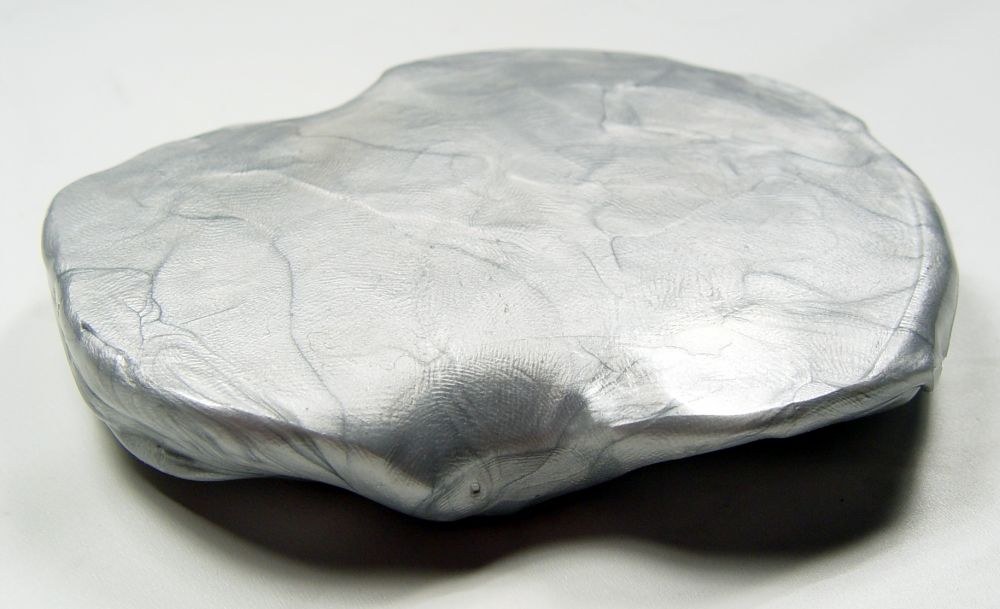


Bouncing Putty
Looking for a synthetic rubber during the Second World War, James Wright at General Electric heated silicone oil with boric acid. The result was no rubber: it bounced, shattered under a hammer, stretched like toffee when pulled slowly and slumped into a puddle overnight. Nobody found an industrial use; in 1950 it was sold as a toy.
**US 2,541,851**, "Process for making puttylike elastic plastic, siloxane derivative composition containing zinc hydroxide", Wright, assigned to General Electric, filed 23. December 1944, granted 13. February 1951: liquid dimethylsiloxane heated with 5 to 25 % by weight of a boron compound such as boric acid or borax.
**You measure both of its lives**: how high it bounces, how fast it flows, and where one turns into the other.
འགོ་བཙུགས
1 hour plus a day of slumping
ལམ་སྟོན
1
1
Weigh a ball
Weigh a ball
Weigh out 20 g of bouncing putty and roll it into a smooth ball between your palms.
གོམ་པ་འདིའི་རྫས་རིགས:
 མཆོང་མི་འཇིམ་རྩི།20 g
ལག་ཆས་དགོས་མཁོ:
 ཏག་ཏག་གི་ཨང་རྟགས་སྲང་།
2
2
Bounce it
Bounce it
Tape a tape measure up a wall. Drop the ball from 1.0 m onto a hard floor five times, filming in slow motion, and read each rebound height.
གོམ་པ་འདིའི་རྫས་རིགས:
 ཁེབས་ནིའི་སྦྱར་ཤོག།1 དྲིལ་མ།
ལག་ཆས་དགོས་མཁོ:
 འཇལ་ཐག
 དལ་གཟུགས་བརྙན་ཡོད་པའི་འཕྲུལ་རིག་ཁ་པར།
3
3
Pull slow, pull fast
Pull slow, pull fast
Roll a 10 mm thick rope. Pull one over 10 seconds: it strings out. Pull another sharply: it snaps with a clean face. Try pull times in between and note the fastest pull that still stretches.
ལག་ཆས་དགོས་མཁོ:
 ཆུ་ཚོད་བཀག་ཆས།
 ཐིག་ཤིང་།
4
4
Strike it
Strike it
Glasses on. Set a ball on a hard surface and hit it once, sharply, with the mallet. It cracks rather than squashing. Squash another slowly with your thumb.
ལག་ཆས་དགོས་མཁོ:
 རབ་བར་གྱི་ཐོ་བ།
 གསལ་བའི་ཉེན་སྲུང་མིག་ཤེལ།
5
5
Let it slump
Let it slump
Re-roll the 20 g ball and set it on wax paper on a level surface. Measure its diameter now and after 10, 30, 60 and 180 minutes and 24 hours.
གོམ་པ་འདིའི་རྫས་རིགས:
 སྤོས་བྱུགས་ཤོག་གུ1 ལེབ་གཟུགས།
ལག་ཆས་དགོས་མཁོ:
 ཨང་རྟགས་ཚད་འཇལ་ཆས་ ཨིནཅི 6
6
6
Deborah numbers
Deborah numbers
Jupyter ཚང་དེབ་མངོན་གསལ་འབད་དོ་…
7
7
History & Context
History & Context
**What the patent specifies:** liquid dimethylsiloxane heated with 5–25 % of a boron compound until putty-like. **Modern build (derived):** commercial bouncing putty, measured.
It became a famous toy and a staple of physics teaching about materials that are neither simply solid nor simply liquid. Its limits: it picks up dirt, will not hold a shape, and flows out of any container that is not closed.
རྫས་རིགས
3- ས་ཆ་འཛིན
- 1 དྲིལ་མ།ས་ཆ་འཛིན
- 1 ལེབ་གཟུགས།ས་ཆ་འཛིན
ལག་ཆས་དགོས་མཁོ
8- ས་ཆ་འཛིན
- 1 vendor sell this, none ship to you yetས་ཆ་འཛིན
- ས་ཆ་འཛིན
- ས་ཆ་འཛིན
- ས་ཆ་འཛིན
- ས་ཆ་འཛིན
- ས་ཆ་འཛིན
བིལུ་པིརིན་ཊི་འདི་གིས་བཟོ་མི

འབྲེལ་ཡོད་བིལུ་པིརིན་ཊི
བིལུ་པིརིན་ཊི་འདི་ཚུ་ཐབས་ལམ་དང་རྫས་རིགས། སྤྱི་ཆོས་བགོ་བཤའ་བྱེད
CC0 སྤྱི་དབང
བིལུ་པིརིན་ཊི་འདི་CC0 འོག་བཀྲམས་ཡོད། ཁྱེད་རང་གིས་ཆོག་མཆན་མ་བཞེས་པར་ཕབ་ལེན་དང་བཟོ་བཅོས། བགོ་བཤའ། དགོས་མཁོ་གང་ལའང་བཀོལ་སྤྱོད་བྱས་ཆོག
བཟོ་མཁན་ལ་རྒྱབ་སྐྱོར་བྱེད་པའི་ཆེད་ཁོང་ཚོའི་བིལུ་པིརིན་ཊི་བརྒྱུད་ཐོན་སྐྱེད་ཉོ། བཟོ་མཁན་གྱིས བཟོ་མཁན་གྱི་ཁེ་ཕོགས ཚོང་པས་གཏན་འཁེལ་བྱས་པ། ཡང་ན་བིལུ་པིརིན་ཊི་འདིའི་པར་གསར་བཟོས་ཏེ་ཁྱེད་རང་གི་བིལུ་པིརིན་ཊི་ནང་མཐུད་སྦྲེལ་བྱས་ཏེ་ཡོང་སྒོ་བགོ་བཤའ་བྱེད།