སྒྱུ་རྩལ
མཛེས་སྡུག་དང་བདེ་ཐང
བཟོ་རིག
རིག་གནས་དང་ལོ་རྒྱུས
དགའ་སྟོན
ཁོར་ཡུག
ཟས་དང་བཏུང་རྫས
ཕྱིར་འཕྲུལ་རིག
ཚན་རིག
རྩེད་འགྲན
རིག་རྩལ
གྱོན་རུང
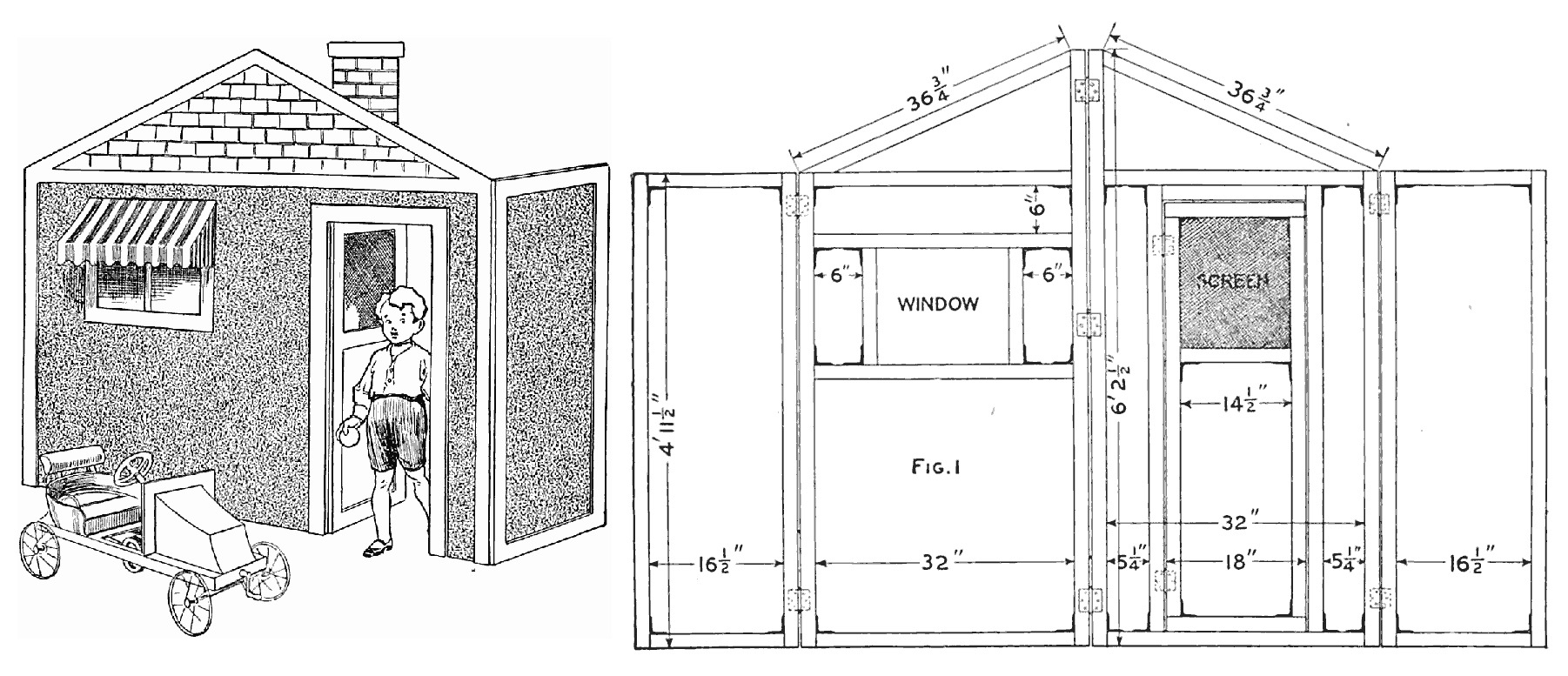


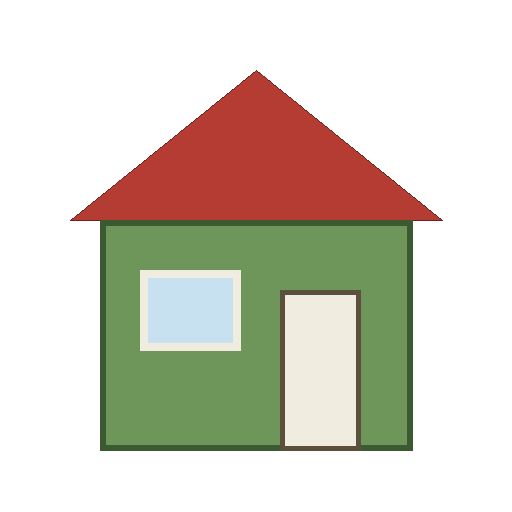
Folding Child's Playhouse: Hinged Frames Covered With Burlap, a Screened Door and a Window (Boy Mechanic, 1915)
A large, inexpensive playhouse for indoors or out, from The Boy Mechanic, Book 2 (1915): four light frames held with iron brackets, covered with coloured burlap and hinged so the house folds flat. One front has a window, the other a door with a wire-screen panel.
Sizes are read from the book's Fig. 1.
བར་མ
About 2 days
ལམ་སྟོན
1
1
Sizes from Fig. 1
Sizes from Fig. 1
Jupyter ཚང་དེབ་མངོན་གསལ་འབད་དོ་…
2
2
Read The Boy Mechanic
Read The Boy Mechanic
"The child's playhouse is an expensive luxury, if it is purchased ready to set up, but by following the instructions given herewith a large and inexpensive one may be constructed."
3
3
Cut the frames
Cut the frames
Get about 100 ft of 1-3/4 by 1-1/2 in boards and saw out the pieces for four frames as in Fig. 1: two side wings 16-1/2 in wide and 4 ft 11-1/2 in high; a window front and a door front, each 32 in wide, rising with their gable members (36-3/4 in) to 6 ft 2-1/2 in at the ridge.
གོམ་པ་འདིའི་རྫས་རིགས:
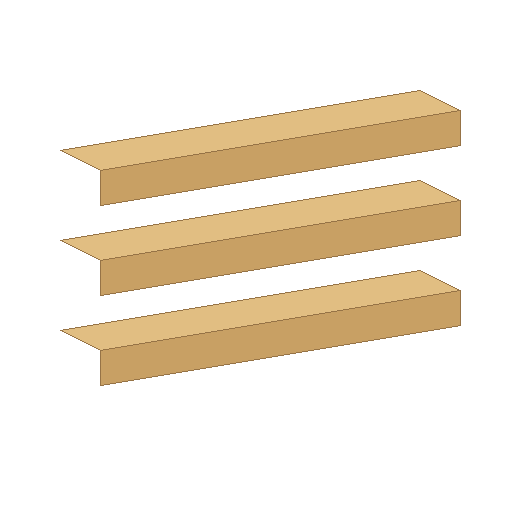 ཤིང་འཇམ་གྱི་ཤིང་ཆ།1 དུམ་བུ།
ལག་ཆས་དགོས་མཁོ:
 ལག་སོག་ལེ།
 གྲུ་བཞི་ཞིབ་དཔྱད་ཚད་ཤིང་།
 འཇལ་ཐག
 སྣག་ཤིང་།
4
4
Join them with brackets
Join them with brackets
Join the corners with iron brackets instead of nails: easier than mortising and nailing or gluing, and stronger. In the window front, set rails to leave 6 in panels above and at each side of the window. In the door front, frame an 18 in door between 5-1/4 in stiles, with a 14-1/2 in screen panel in its upper part.
གོམ་པ་འདིའི་རྫས་རིགས:
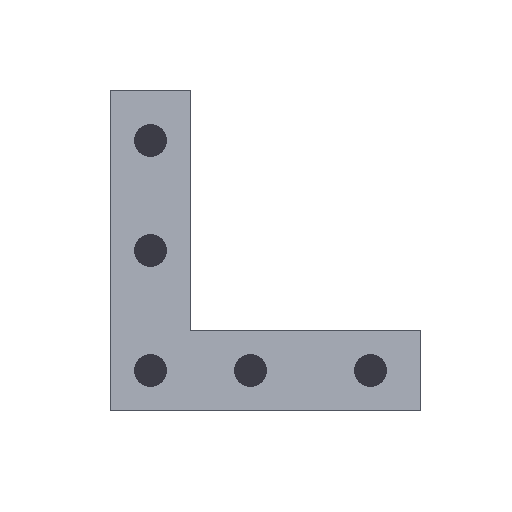 ཟུར་གྱི་ལྕགས་ལེབ།1 དུམ་བུ།
 ཤིང་གི་སྒྲོག1 དུམ་བུ།
ལག་ཆས་དགོས་མཁོ:
 གཟེར་སྒྲིལ་ལེབགྲུ་བཞི་ཞིབ་དཔྱད་ཚད་ཤིང་།
5
5
Cover the sections
Cover the sections
Tack burlap on each section before hinging them together; green, red or brown look best. Turn the edges under before tacking them down, so they do not unravel. Leave the window and the door's screen panel open.
གོམ་པ་འདིའི་རྫས་རིགས:
 རྒྱ་སྒྲོ་རས།1 དུམ་བུ།
 ལྷམ་དཔེ་གི་གཟེར་ཆུང་།1 དུམ་བུ།
ལག་ཆས་དགོས་མཁོ:
 ཐོ་བ།
 ཇེམ་ཙི།
6
6
Fit the door screen
Fit the door screen
Coat a piece of wire screen (an old piece will do) with black or dark-green paint and tack it on the inside of the door.
གོམ་པ་འདིའི་རྫས་རིགས:
 ལྕགས་སྐུད་འཐག་མའི་ཚགས་རས།1 དུམ་བུ།
 ཚོན་ནག་1 དུམ་བུ།ལྷམ་དཔེ་གི་གཟེར་ཆུང་།1 དུམ་བུ།
ལག་ཆས་དགོས་མཁོ:
 ཚོན་པིར་ཡངས་ཏོག་ཏོ།ཐོ་བ།ཇེམ་ཙི།
7
7
Hinge it so it folds
Hinge it so it folds
Fasten the parts together with hinges, nine in his drawing: on the inside of the side wings and on the outside of the two front pieces, so the house folds into a small space. Hang the door on two of them.
གོམ་པ་འདིའི་རྫས་རིགས:
 སྒོའི་འགྱུར་ཆས་9 དུམ་བུ།ཤིང་གི་སྒྲོག1 དུམ་བུ།
ལག་ཆས་དགོས་མཁོ:
གཟེར་སྒྲིལ་ལེབ8
8
Trim and finish
Trim and finish
Trim the door and window frames with white paint along their edges. He finished his with roller shades on the door and window (and a small awning and an electric door bell, not made here).
གོམ་པ་འདིའི་རྫས་རིགས:
 ཕྱི་ཁའི་ཚོན་དཀར་པོ།1 དུམ་བུ།
 སྒོ་སྒྲིག་འཁོར་ཡོལ།2 དུམ་བུ།
ལག་ཆས་དགོས་མཁོ:
ཚོན་པིར་ཡངས་ཏོག་ཏོ།གཟེར་སྒྲིལ་ལེབ9
9
Troubleshooting
Troubleshooting
Playhouse troubleshooting.
Flow
Loading...
10
10
History and honest limits
History and honest limits
From **The Boy Mechanic, Book 2**, edited by H. H. Windsor, Popular Mechanics, Chicago, 1915 (Project Gutenberg 44585), "A Child's Playhouse"; all sizes are read from his Fig. 1. Not made here: the awning (his Figs. 2-3) and the electric bell. The screws, tacks, tools and metric figures are ours.
རྫས་རིགས
10- 1 དུམ་བུ།ས་ཆ་འཛིན
- 1 དུམ་བུ།ས་ཆ་འཛིན
- 2 དུམ་བུ།ས་ཆ་འཛིན
- 1 དུམ་བུ།ས་ཆ་འཛིན
- 1 དུམ་བུ།ས་ཆ་འཛིན
- 1 དུམ་བུ།ས་ཆ་འཛིན
- 1 དུམ་བུ།ས་ཆ་འཛིན
- 9 དུམ་བུ།ས་ཆ་འཛིན
- 1 དུམ་བུ།ས་ཆ་འཛིན
- 2 དུམ་བུ།ས་ཆ་འཛིན
བིལུ་པིརིན་ཊི་འདི་གིས་བཟོ་མི
འབྲེལ་ཡོད་བིལུ་པིརིན་ཊི
བིལུ་པིརིན་ཊི་འདི་ཚུ་ཐབས་ལམ་དང་རྫས་རིགས། སྤྱི་ཆོས་བགོ་བཤའ་བྱེད
CC0 སྤྱི་དབང
བིལུ་པིརིན་ཊི་འདི་CC0 འོག་བཀྲམས་ཡོད། ཁྱེད་རང་གིས་ཆོག་མཆན་མ་བཞེས་པར་ཕབ་ལེན་དང་བཟོ་བཅོས། བགོ་བཤའ། དགོས་མཁོ་གང་ལའང་བཀོལ་སྤྱོད་བྱས་ཆོག
བཟོ་མཁན་ལ་རྒྱབ་སྐྱོར་བྱེད་པའི་ཆེད་ཁོང་ཚོའི་བིལུ་པིརིན་ཊི་བརྒྱུད་ཐོན་སྐྱེད་ཉོ། བཟོ་མཁན་གྱིས བཟོ་མཁན་གྱི་ཁེ་ཕོགས ཚོང་པས་གཏན་འཁེལ་བྱས་པ། ཡང་ན་བིལུ་པིརིན་ཊི་འདིའི་པར་གསར་བཟོས་ཏེ་ཁྱེད་རང་གི་བིལུ་པིརིན་ཊི་ནང་མཐུད་སྦྲེལ་བྱས་ཏེ་ཡོང་སྒོ་བགོ་བཤའ་བྱེད།