སྒྱུ་རྩལ
མཛེས་སྡུག་དང་བདེ་ཐང
བཟོ་རིག
རིག་གནས་དང་ལོ་རྒྱུས
དགའ་སྟོན
ཁོར་ཡུག
ཟས་དང་བཏུང་རྫས
ཕྱིར་འཕྲུལ་རིག
ཚན་རིག
རྩེད་འགྲན
རིག་རྩལ
གྱོན་རུང
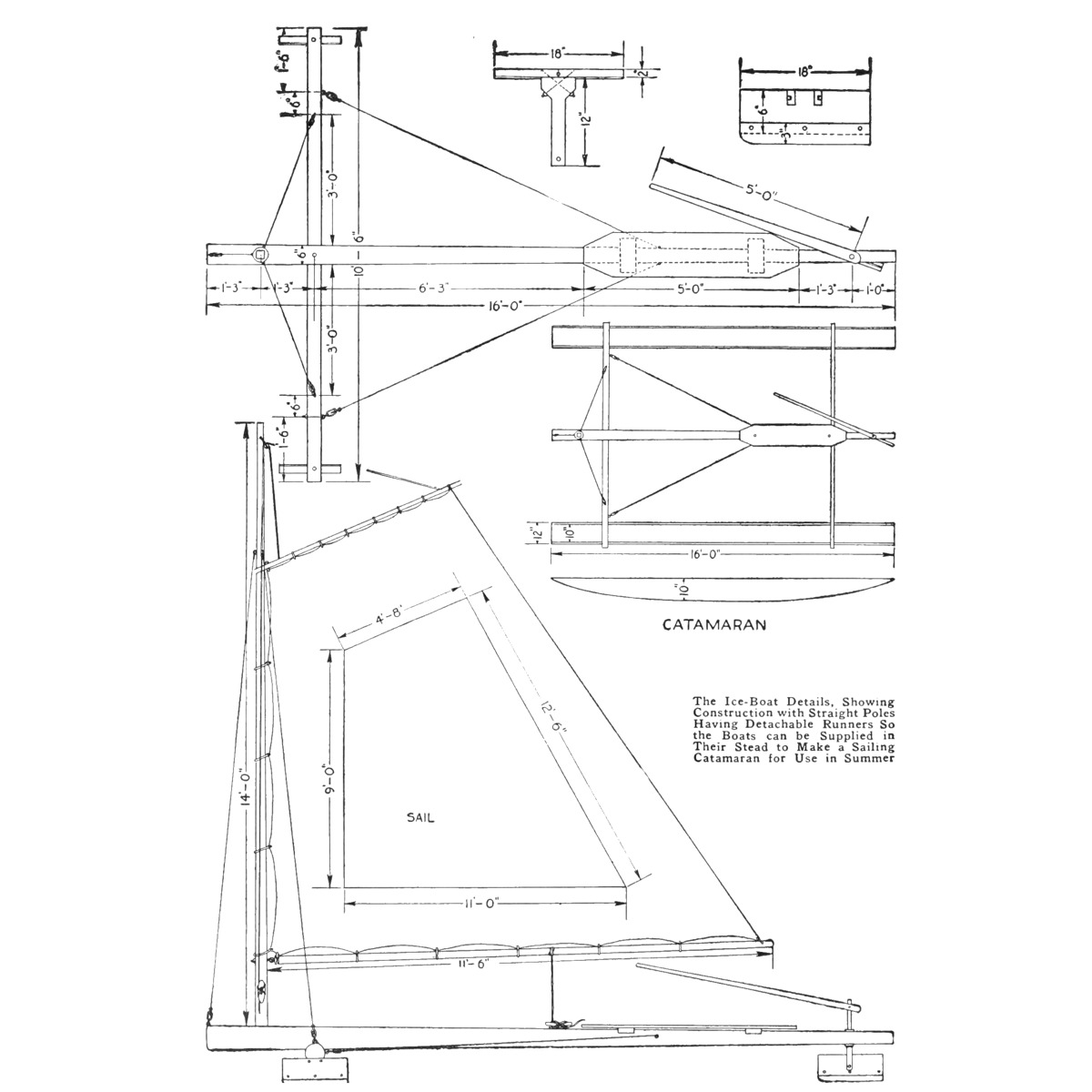


Ice Boat: Crossed Timbers, Skate-Edged Runners, Bicycle-Fork Steering and a Gaff Sail (Boy Mechanic, 1915)
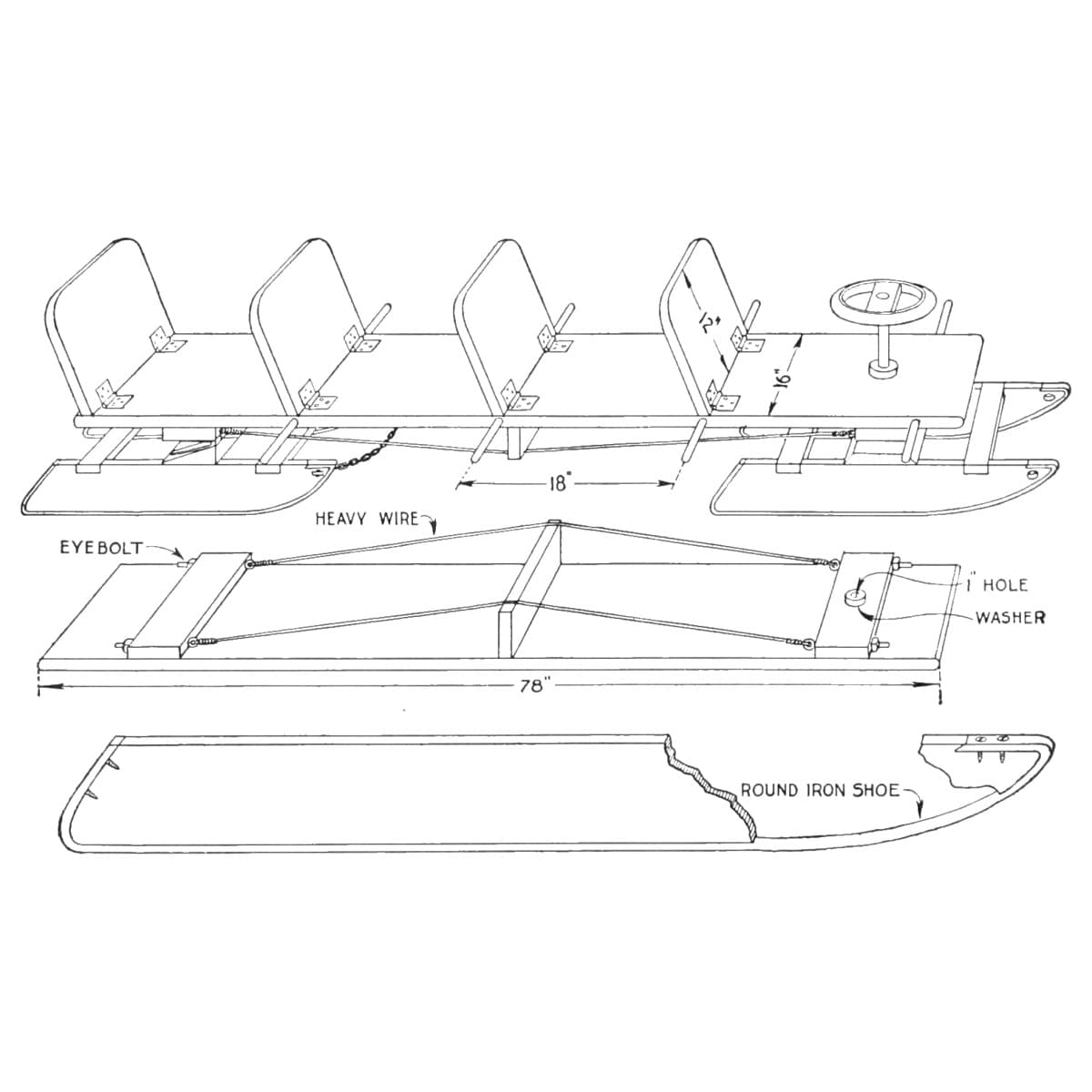
Robert K. Patterson's ice boat from The Boy Mechanic, Book 2 (1915): a 16 ft timber crossed by a 10-1/2 ft one and braced with wires, two front runners of band iron ground like a skate edge, and a rear steering runner clamped in a cut-down bicycle fork worked by a lever. His text and his drawing differ on the mast (about 12 ft against 14 ft); both are given.
མཐོ་རིམ
About 1 week
ལམ་སྟོན
1
1
Text against drawing
Text against drawing
Jupyter ཚང་དེབ་མངོན་གསལ་འབད་དོ་…
2
2
Read The Boy Mechanic, Book 2
Read The Boy Mechanic, Book 2
"In constructing the ice boat, use two poles, or timbers, one 16 ft. and the other 10-1/2 ft. long, crossed at a point 2-1/2 ft. from one end of the longer timber. The crossed pieces are firmly braced with wires, as shown."
3
3
Cross and brace the frame
Cross and brace the frame
Cross the 10-1/2 ft timber over the 16 ft one, 2-1/2 ft from its front end, and fasten them firmly. Brace them with wires as in the drawing: from the bow to points on the cross timber, and from the cross timber back along the long one. The drawing puts the wire points 6 in and 1 ft 6 in from each end of the cross timber.
གོམ་པ་འདིའི་རྫས་རིགས:
 ཤིང་གི་ཀ་བ།2 དུམ་བུ།
 མགོ་ཟླུམ་གྱི་བོལ་ཊུ།1 དུམ་བུ།
 ལྕགས་སྐུད།1 དུམ་བུ།
ལག་ཆས་དགོས་མཁོ:
 ལག་སོག་ལེ།
 ལག་པ་གིས་འཁོར་བའི་སྦུབས་ཆས་དང་མགོ།
 འཇལ་ཐག
 སྣག་ཤིང་།
4
4
Make the front runners
Make the front runners
Cut two band-iron strips 18 in long, 3 in wide and 1/8 in thick; grind one edge like the edge of a skate and round the ends. Bolt each to the side of a wood piece 18 in long, 6 in wide and 2 in thick, so the ground edge projects about 1 in. With a pole frame, bolt each runner block at right angles to a 12 in piece of wood shaped as drawn, the bolts running diagonally through its shouldered part; the pole end rests on this and is bolted down. With squared timbers, fasten the runners straight to them.
གོམ་པ་འདིའི་རྫས་རིགས:
 ལྕགས་འཇམ་གྱི་ལེབ་ཤིང་།1 དུམ་བུ།
 ཤིང་སྲ་བའི་པང་ལེབ།1 དུམ་བུ།མགོ་ཟླུམ་གྱི་བོལ་ཊུ།1 དུམ་བུ།
ལག་ཆས་དགོས་མཁོ:
 ལྕགས་གཏུབ་སོག་ལེ།
 ཕྱོགས་ཙི་གུའི་ཕྱི་ཆས།
 ལས་ཅོག་གི་འཛིན་ཆས།
 ལག་འཕྲུལ་ཁུང་བཏོནལག་སོག་ལེ།
5
5
Make the steering runner
Make the steering runner
Fasten the rear runner between two pieces of wood so its edge projects, and clamp it in a bicycle fork cut down to leave about 3 in of the blades. Bore a hole through the rear end of the long timber for the fork head. Fit a lever (5 ft on the drawing) to the top of the fork head: bore a hole through the lever end at a slight angle to fit the head, slot the end, bore across the width of the handle and put in a bolt as a clamp.
གོམ་པ་འདིའི་རྫས་རིགས:
ལྕགས་འཇམ་གྱི་ལེབ་ཤིང་།1 དུམ་བུ།ཤིང་སྲ་བའི་པང་ལེབ།1 དུམ་བུ།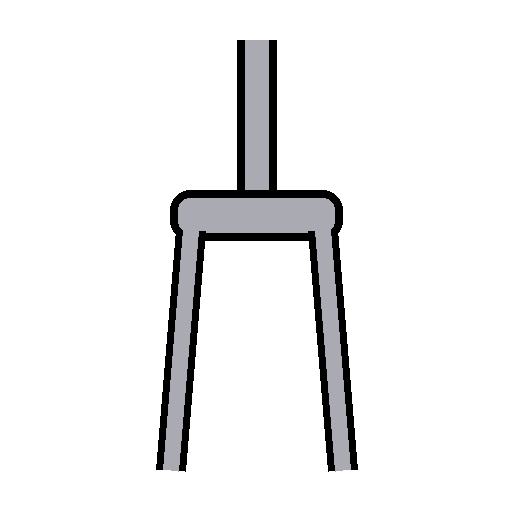 རྐང་འཁོར་གྱི་ཀ་ཏ།1 དུམ་བུ།མགོ་ཟླུམ་གྱི་བོལ་ཊུ།1 དུམ་བུ།
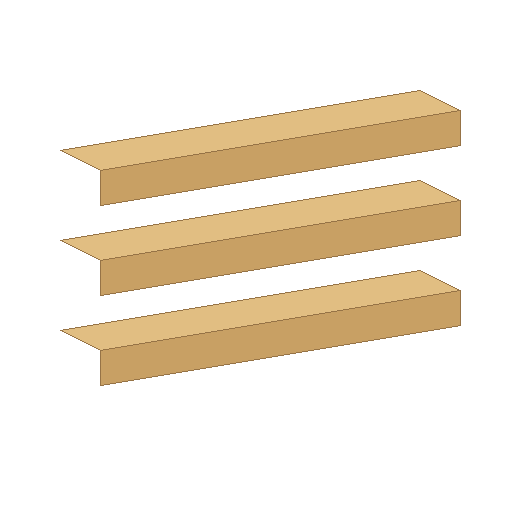 ཤིང་འཇམ་གྱི་ཤིང་ཆ།1 དུམ་བུ།
ལག་ཆས་དགོས་མཁོ:
ལྕགས་གཏུབ་སོག་ལེ།ཕྱོགས་ཙི་གུའི་ཕྱི་ཆས།ལག་པ་གིས་འཁོར་བའི་སྦུབས་ཆས་དང་མགོ།ལག་སོག་ལེ། གཟོང་རྣམས།
6
6
Step the mast and fit the seat
Step the mast and fit the seat
Cut a mortise in the long timber 15 in from the front end and set the mast in it; stay it with wires as drawn. His text says the mast should be about 12 ft; his drawing marks it 14 ft 0 in: choose one and keep the sail to suit. Fasten a board on two crosspieces mortised into the top of the long timber, as a seat for the driver (5 ft long on the drawing, ending 2 ft 3 in from the stern).
གོམ་པ་འདིའི་རྫས་རིགས:
ཤིང་འཇམ་གྱི་ཤིང་ཆ།1 དུམ་བུ།ལྕགས་སྐུད།1 དུམ་བུ། ཐང་ཤིང་གི་ལེབ།1 དུམ་བུ།
 ཤིང་གི་སྒྲོག1 དུམ་བུ།
ལག་ཆས་དགོས་མཁོ:
ལག་སོག་ལེ།གཟོང་རྣམས།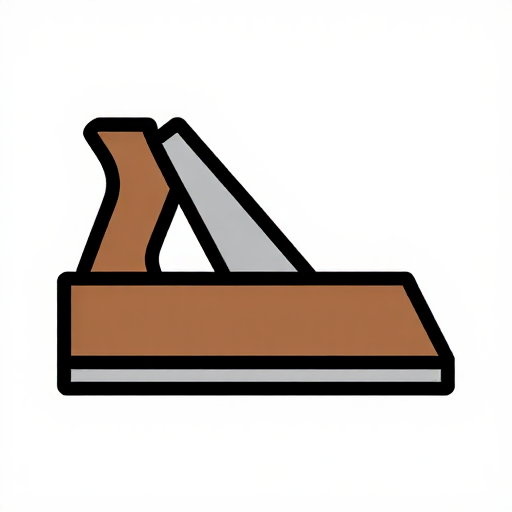 ལག་གི་ཤིང་བཞོག་ཆས།འཇལ་ཐག
7
7
Make and rig the sail
Make and rig the sail
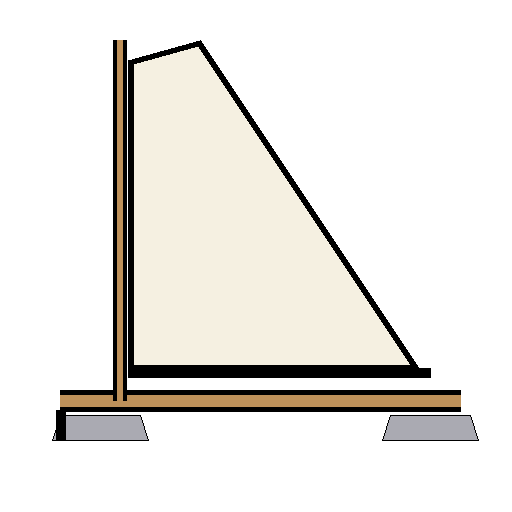
Make the sail of any good material to his drawing: luff (along the mast) 9 ft 0 in, head 4 ft 8 in, foot 11 ft 0 in, leech 12 ft 6 in. Hang the main boom, 11-1/2 ft long, and the upper spar on the mast "in the usual manner". The text also names a jib boom of about 6 ft, which the drawing does not show.
གོམ་པ་འདིའི་རྫས་རིགས:
 རས་ཆེན་གོས་ཆས།1 དུམ་བུ།ཤིང་འཇམ་གྱི་ཤིང་ཆ།1 དུམ་བུ།
 རས་བལ་གྱི་ཐག་པ།1 དུམ་བུ།
ལག་ཆས་དགོས་མཁོ:
 ཇེམ་ཙི།ལག་སོག་ལེ།འཇལ་ཐག
8
8
Troubleshooting
Troubleshooting
Ice boat troubleshooting.
Flow
Loading...
9
9
History and honest limits
History and honest limits
From "An Ice Boat and Catamaran" by Robert K. Patterson, in **The Boy Mechanic, Book 2**, Popular Mechanics, 1915 (Project Gutenberg 44585; checked on the archive.org scan boymechanicbook200chic2, pp. 27-28). His text and drawing differ on the mast (about 12 ft against 14 ft 0 in) and on the jib boom, which is in the text only; both are stated, not resolved. He gives no timber sections, wire size or sail cloth: those choices are ours, as are the tools and metric figures. The summer catamaran conversion is not made here.
རྫས་རིགས
11- 2 དུམ་བུ།ས་ཆ་འཛིན
- 3 དུམ་བུ།ས་ཆ་འཛིན
- 2 དུམ་བུ།ས་ཆ་འཛིན
- 1 དུམ་བུ།ས་ཆ་འཛིན
- 1 དུམ་བུ།ས་ཆ་འཛིན
- 1 དུམ་བུ།ས་ཆ་འཛིན
- 1 དུམ་བུ།ས་ཆ་འཛིན
- 1 དུམ་བུ།ས་ཆ་འཛིན
- 1 དུམ་བུ།ས་ཆ་འཛིན
- 1 དུམ་བུ།ས་ཆ་འཛིན
- 1 དུམ་བུ།ས་ཆ་འཛིན
ལག་ཆས་དགོས་མཁོ
11- ས་ཆ་འཛིན
- 1 vendor sell this, none ship to you yetས་ཆ་འཛིན
- 1 vendor sell this, none ship to you yetས་ཆ་འཛིན
- ས་ཆ་འཛིན
- ས་ཆ་འཛིན
- ས་ཆ་འཛིན
- ས་ཆ་འཛིན
- ས་ཆ་འཛིན
- ས་ཆ་འཛིན
- ས་ཆ་འཛིན
བིལུ་པིརིན་ཊི་འདི་གིས་བཟོ་མི
འབྲེལ་ཡོད་བིལུ་པིརིན་ཊི
བིལུ་པིརིན་ཊི་འདི་ཚུ་ཐབས་ལམ་དང་རྫས་རིགས། སྤྱི་ཆོས་བགོ་བཤའ་བྱེད
CC0 སྤྱི་དབང
བིལུ་པིརིན་ཊི་འདི་CC0 འོག་བཀྲམས་ཡོད། ཁྱེད་རང་གིས་ཆོག་མཆན་མ་བཞེས་པར་ཕབ་ལེན་དང་བཟོ་བཅོས། བགོ་བཤའ། དགོས་མཁོ་གང་ལའང་བཀོལ་སྤྱོད་བྱས་ཆོག
བཟོ་མཁན་ལ་རྒྱབ་སྐྱོར་བྱེད་པའི་ཆེད་ཁོང་ཚོའི་བིལུ་པིརིན་ཊི་བརྒྱུད་ཐོན་སྐྱེད་ཉོ། བཟོ་མཁན་གྱིས བཟོ་མཁན་གྱི་ཁེ་ཕོགས ཚོང་པས་གཏན་འཁེལ་བྱས་པ། ཡང་ན་བིལུ་པིརིན་ཊི་འདིའི་པར་གསར་བཟོས་ཏེ་ཁྱེད་རང་གི་བིལུ་པིརིན་ཊི་ནང་མཐུད་སྦྲེལ་བྱས་ཏེ་ཡོང་སྒོ་བགོ་བཤའ་བྱེད།