སྒྱུ་རྩལ
མཛེས་སྡུག་དང་བདེ་ཐང
བཟོ་རིག
རིག་གནས་དང་ལོ་རྒྱུས
དགའ་སྟོན
ཁོར་ཡུག
ཟས་དང་བཏུང་རྫས
ཕྱིར་འཕྲུལ་རིག
ཚན་རིག
རྩེད་འགྲན
རིག་རྩལ
གྱོན་རུང
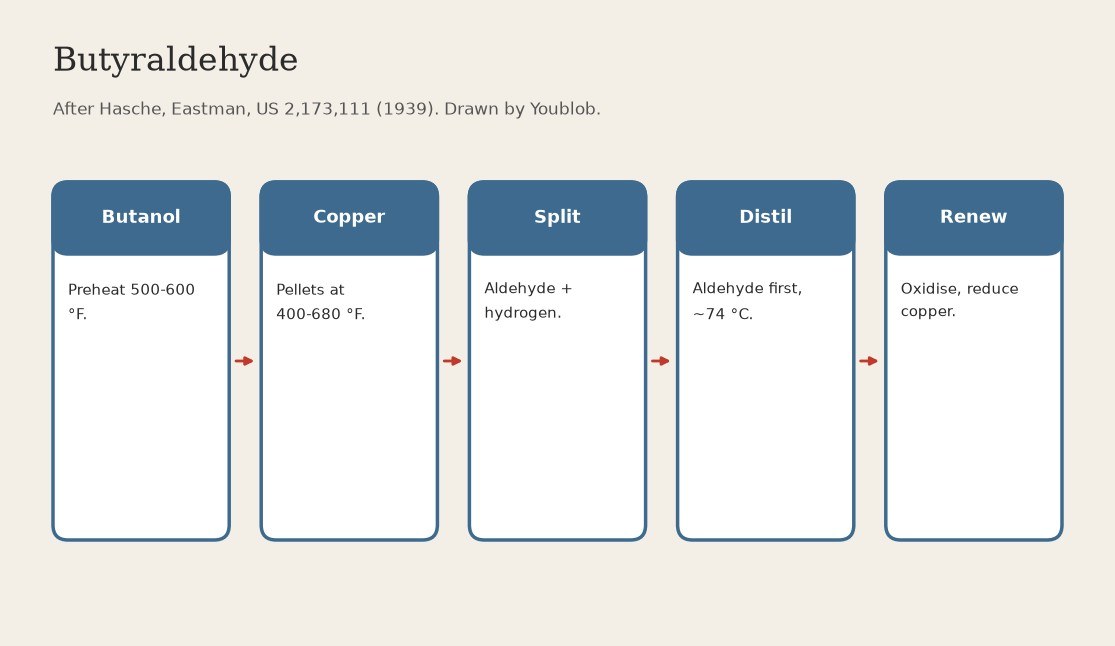


Butyraldehyde: Butyl Alcohol Dehydrogenated over Copper Pellets at 400-680 °F (Hasche, Eastman, US 2,173,111)
Hot copper pulls two hydrogen atoms off butyl alcohol and leaves butyraldehyde. Hasche's catalyst is copper made from blown, water-quenched cuprous oxide, in dust-free pellets that can be burnt clean and reduced again when they tire.
Result: butyraldehyde, distilled off from the unchanged alcohol.
Source: Hasche, US 2,173,111 (Eastman Kodak, 1939), claims 6, 9 and 12. His worked run is for propyl alcohol; conversion for butanol is not given. Picture drawn by Youblob.
མཐོ་རིམ
1 day
ལམ་སྟོན
1
1
Pack the copper catalyst
Pack the copper catalyst
Fill a tube with dust-free copper pellets made from cuprous oxide blown from molten copper and quenched in water (2-5 mesh in claim 17).
ལག་ཆས་དགོས་མཁོ:
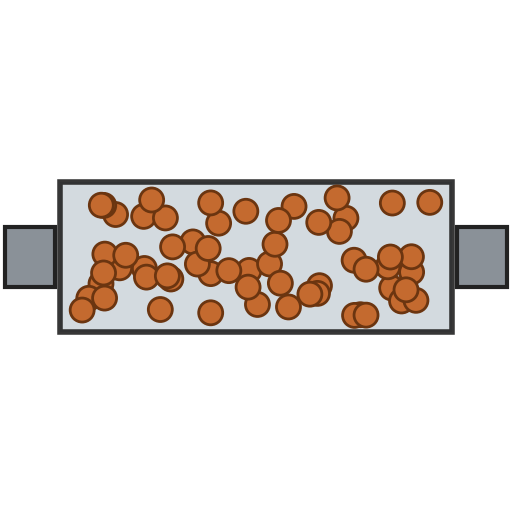 ཟངས་ཀྱི་འགྱུར་སྐུལ་རྡོག་ཏོ།
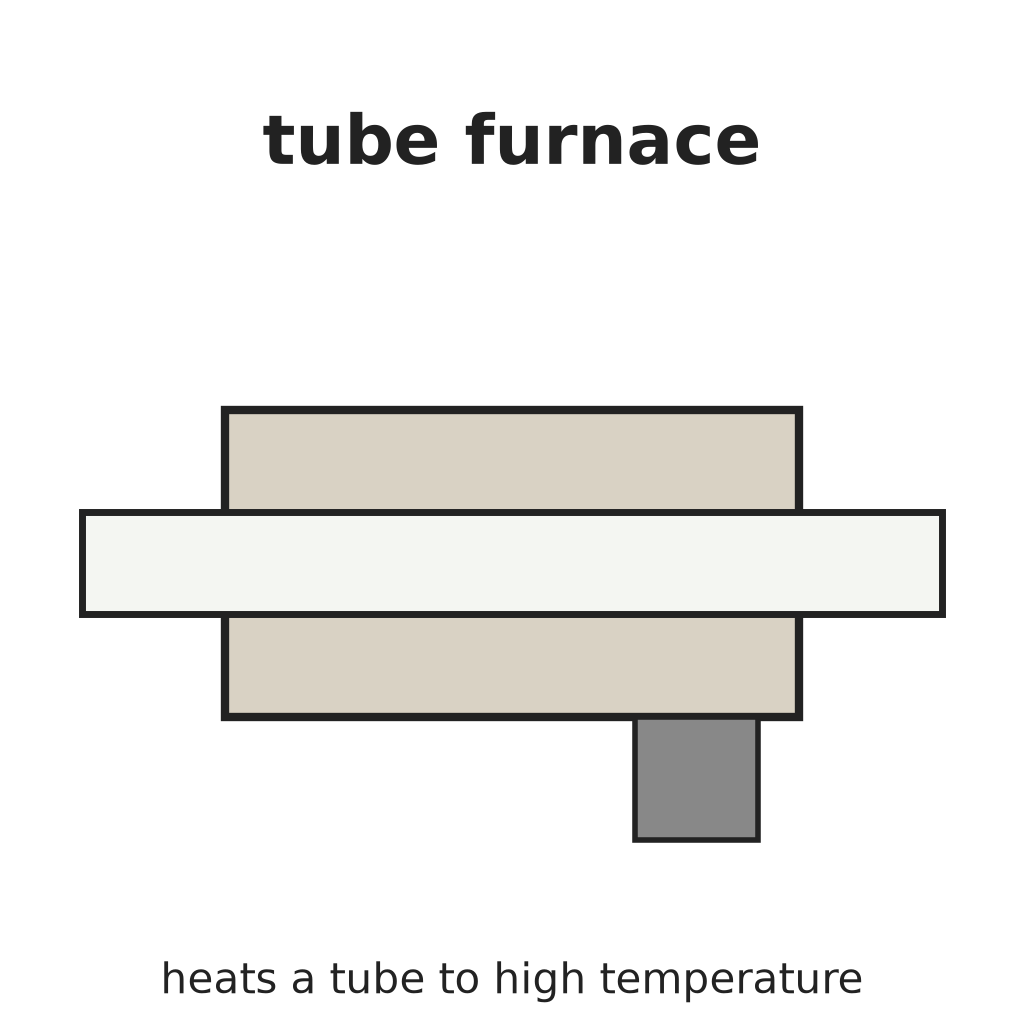 རྒྱུ་ཐིག་ཐབ
2
2
Preheat the butyl alcohol
Preheat the butyl alcohol
Vaporise and preheat the butyl alcohol to about 500-600 °F.
གོམ་པ་འདིའི་རྫས་རིགས:
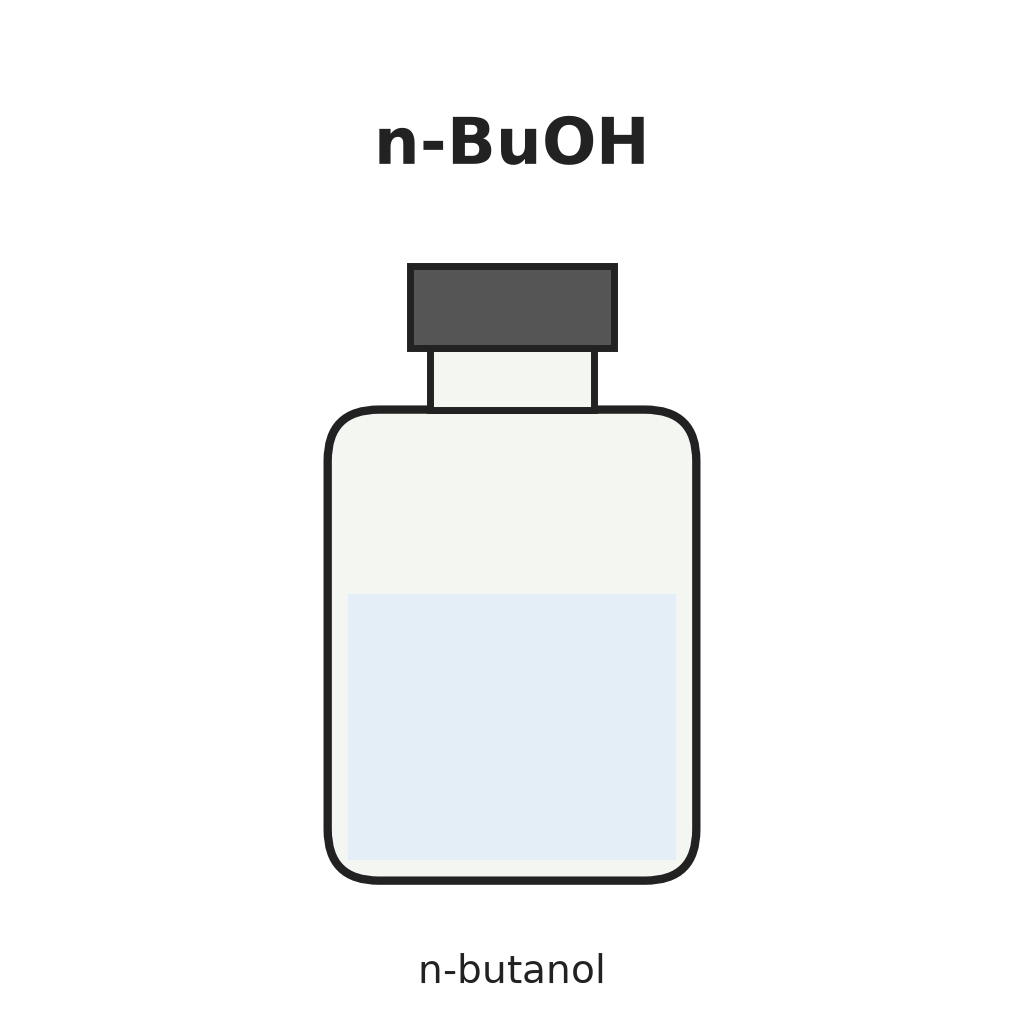 n-བུ་ཊ་ནོལ།1 as required
ལག་ཆས་དགོས་མཁོ:
རྒྱུ་ཐིག་ཐབ3
3
Pass it over the copper at 400-680 °F
Pass it over the copper at 400-680 °F
Lead the hot vapour over the catalyst held at about 400-680 °F. It splits into butyraldehyde and hydrogen; part of the alcohol passes unchanged.
ལག་ཆས་དགོས་མཁོ:
ཟངས་ཀྱི་འགྱུར་སྐུལ་རྡོག་ཏོ།རྒྱུ་ཐིག་ཐབ ཀོན་དེན་སར་གྱི་སྦུག་སྒྲིལ།
4
4
Distil off the aldehyde
Distil off the aldehyde
Condense the products and distil: butyraldehyde comes over first (it boils near 74 °C); distil the alcohol back in the presence of alkali and return it.
ལག་ཆས་དགོས་མཁོ:
 ཆ་ཤས་བཙག་བཏོན་ཆས
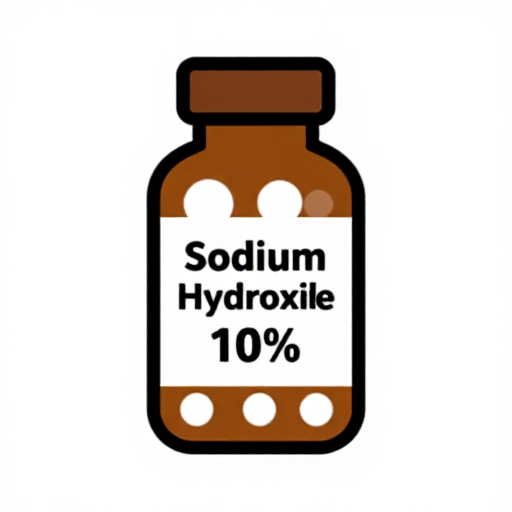 སོ་ཌི་ཡམ་ཧའི་ཌོོག་སིཌ་གཤེར་ཁུ་ ༡༠ %།
5
5
Reactivate the spent copper
Reactivate the spent copper
When the catalyst slows, flush it, oxidise it at about 600-800 °F, cool, and reduce it again with alcohol vapour at about 300-400 °F.
ལག་ཆས་དགོས་མཁོ:
ཟངས་ཀྱི་འགྱུར་སྐུལ་རྡོག་ཏོ།རྒྱུ་ཐིག་ཐབརྫས་རིགས
1- 1 as requiredས་ཆ་འཛིན
ལག་ཆས་དགོས་མཁོ
5- ས་ཆ་འཛིན
- ས་ཆ་འཛིན
- ས་ཆ་འཛིན
- ས་ཆ་འཛིན
བིལུ་པིརིན་ཊི་འདི་གིས་བཟོ་མི
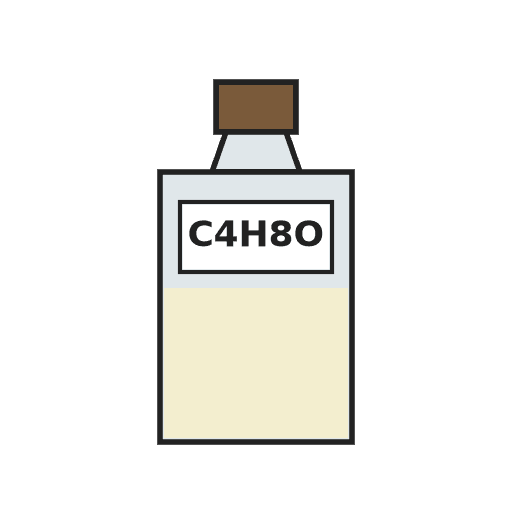
འབྲེལ་ཡོད་བིལུ་པིརིན་ཊི
བིལུ་པིརིན་ཊི་འདི་ཚུ་ཐབས་ལམ་དང་རྫས་རིགས། སྤྱི་ཆོས་བགོ་བཤའ་བྱེད
CC0 སྤྱི་དབང
བིལུ་པིརིན་ཊི་འདི་CC0 འོག་བཀྲམས་ཡོད། ཁྱེད་རང་གིས་ཆོག་མཆན་མ་བཞེས་པར་ཕབ་ལེན་དང་བཟོ་བཅོས། བགོ་བཤའ། དགོས་མཁོ་གང་ལའང་བཀོལ་སྤྱོད་བྱས་ཆོག
བཟོ་མཁན་ལ་རྒྱབ་སྐྱོར་བྱེད་པའི་ཆེད་ཁོང་ཚོའི་བིལུ་པིརིན་ཊི་བརྒྱུད་ཐོན་སྐྱེད་ཉོ། བཟོ་མཁན་གྱིས བཟོ་མཁན་གྱི་ཁེ་ཕོགས ཚོང་པས་གཏན་འཁེལ་བྱས་པ། ཡང་ན་བིལུ་པིརིན་ཊི་འདིའི་པར་གསར་བཟོས་ཏེ་ཁྱེད་རང་གི་བིལུ་པིརིན་ཊི་ནང་མཐུད་སྦྲེལ་བྱས་ཏེ་ཡོང་སྒོ་བགོ་བཤའ་བྱེད།