སྒྱུ་རྩལ
མཛེས་སྡུག་དང་བདེ་ཐང
བཟོ་རིག
རིག་གནས་དང་ལོ་རྒྱུས
དགའ་སྟོན
ཁོར་ཡུག
ཟས་དང་བཏུང་རྫས
ཕྱིར་འཕྲུལ་རིག
ཚན་རིག
རྩེད་འགྲན
རིག་རྩལ
གྱོན་རུང
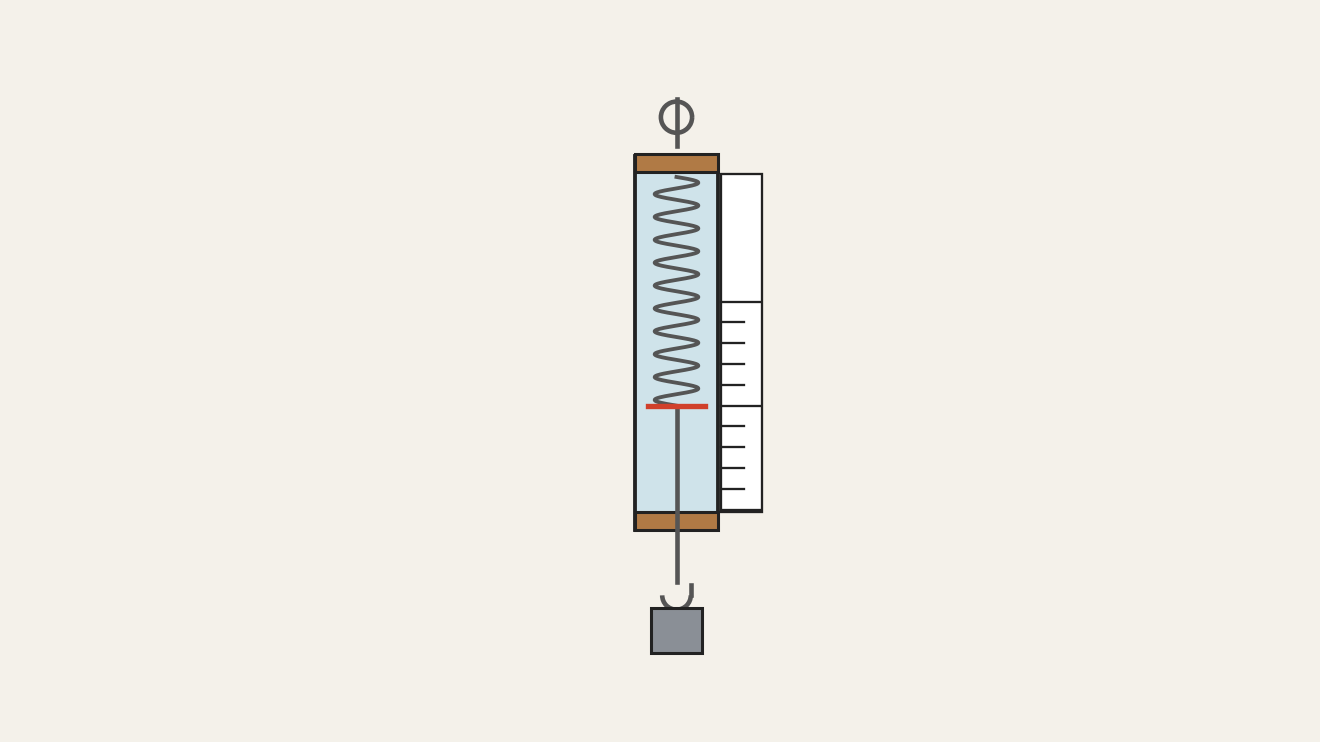


Spring Scale Calibrated with Known Weights
A spring scale, or newton meter, is a spring fixed at one end with a hook at the other. By Hooke's law the stretch grows in step with the force, so the marks on its scale are evenly spaced. This one is built in a clear tube with a paper scale and calibrated with known weights: on Earth a 100 g mass pulls with about 0.98 N (100 g × 9.81 m/s²). The sizes here are ours: a tube about 20 cm long and a light extension spring that stretches clearly under 1 kg. Do not load it past the heaviest calibration weight: an overstretched spring stays longer and the scale is lost.
འགོ་བཙུགས
2 hours
ལམ་སྟོན
1
1
Make the hooks
Make the hooks
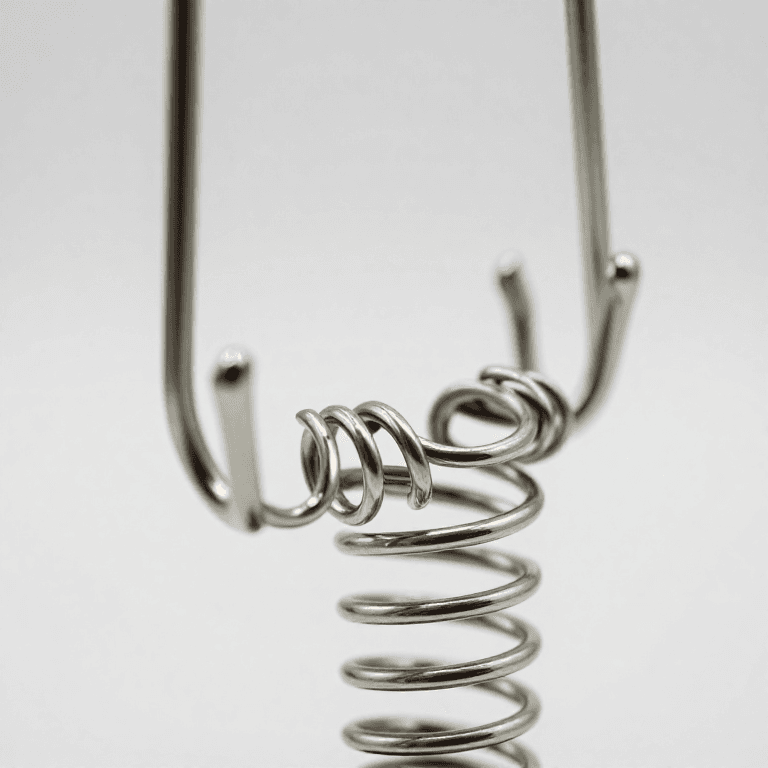
Bend two pieces of steel wire with round-nose pliers: one with a loop at each end to hang the spring from the top plug, one long rod with a loop at the top and a hook at the bottom.
གོམ་པ་འདིའི་རྫས་རིགས:
 ལྕགས་སྐུད།0.4 m
ལག་ཆས་དགོས་མཁོ:
 ཁ་སྒོར་གྱི་གཟེར་འཛིན།
2
2
Plug the tube
Plug the tube
Push the top wire through one cork disc and glue the disc into the top of the tube. Make a hole in the second disc for the rod to slide through and glue it into the bottom.
གོམ་པ་འདིའི་རྫས་རིགས:
 ཨེ་ཀི་རི་ལིཀ་སྦུབས་ལམ། (དྭངས་མོ)1 དུམ་བུ།
 ཀོརཀ་གི་ལྕོགས་ཟླུམ་ཆུང་ཀུ2 དུམ་བུ།
 སྐད་ཅིག་སྦྱར་རྫས (སཱ་ཡ་ནོ་ཨེཀ་རི་ལེཊ)1 དུམ་བུ།
ལག་ཆས་དགོས་མཁོ:
 ལག་བཟོའི་གྲི་གུ
3
3
Hang the spring
Hang the spring
Hook the spring to the top loop and the rod's top loop to the spring, so the rod hangs out through the bottom plug. The lower end of the spring is the pointer.
གོམ་པ་འདིའི་རྫས་རིགས:
 འཐེན་སི་པིརིང་།1 དུམ་བུ།
4
4
Fit the scale
Fit the scale
Glue a strip of graph paper along the outside of the tube and mark zero at the spring's lower end with nothing hanging.
གོམ་པ་འདིའི་རྫས་རིགས:
 ཐིག་ཁྲམ་ཤོག་ཀུ།1 དུམ་བུ།
ལག་ཆས་དགོས་མཁོ:
 རྟག་བརྟན་གྱི་སྨྱུ་གུ
5
5
Calibrate
Calibrate
Hang 100 g, 200 g and so on up to 1 kg, marking the pointer each time; each 100 g is about 0.98 N. The marks should be evenly spaced; check that the pointer returns to zero when unloaded.
ལག་ཆས་དགོས་མཁོ:
 ཚད་བསྒྲིག་ལྗིད་རྡོའི་ཆ་ཚན།
རྫས་རིགས
6- 0.4 mས་ཆ་འཛིན
- 1 དུམ་བུ།ས་ཆ་འཛིན
- 2 དུམ་བུ།ས་ཆ་འཛིན
- ས་ཆ་འཛིན
- 1 དུམ་བུ།ས་ཆ་འཛིན
- 1 དུམ་བུ།ས་ཆ་འཛིན
ལག་ཆས་དགོས་མཁོ
4- ས་ཆ་འཛིན
- ས་ཆ་འཛིན
- ས་ཆ་འཛིན
- ས་ཆ་འཛིན
བིལུ་པིརིན་ཊི་འདི་གིས་བཟོ་མི


འབྲེལ་ཡོད་བིལུ་པིརིན་ཊི
བིལུ་པིརིན་ཊི་འདི་ཚུ་ཐབས་ལམ་དང་རྫས་རིགས། སྤྱི་ཆོས་བགོ་བཤའ་བྱེད
CC0 སྤྱི་དབང
བིལུ་པིརིན་ཊི་འདི་CC0 འོག་བཀྲམས་ཡོད། ཁྱེད་རང་གིས་ཆོག་མཆན་མ་བཞེས་པར་ཕབ་ལེན་དང་བཟོ་བཅོས། བགོ་བཤའ། དགོས་མཁོ་གང་ལའང་བཀོལ་སྤྱོད་བྱས་ཆོག
བཟོ་མཁན་ལ་རྒྱབ་སྐྱོར་བྱེད་པའི་ཆེད་ཁོང་ཚོའི་བིལུ་པིརིན་ཊི་བརྒྱུད་ཐོན་སྐྱེད་ཉོ། བཟོ་མཁན་གྱིས བཟོ་མཁན་གྱི་ཁེ་ཕོགས ཚོང་པས་གཏན་འཁེལ་བྱས་པ། ཡང་ན་བིལུ་པིརིན་ཊི་འདིའི་པར་གསར་བཟོས་ཏེ་ཁྱེད་རང་གི་བིལུ་པིརིན་ཊི་ནང་མཐུད་སྦྲེལ་བྱས་ཏེ་ཡོང་སྒོ་བགོ་བཤའ་བྱེད།