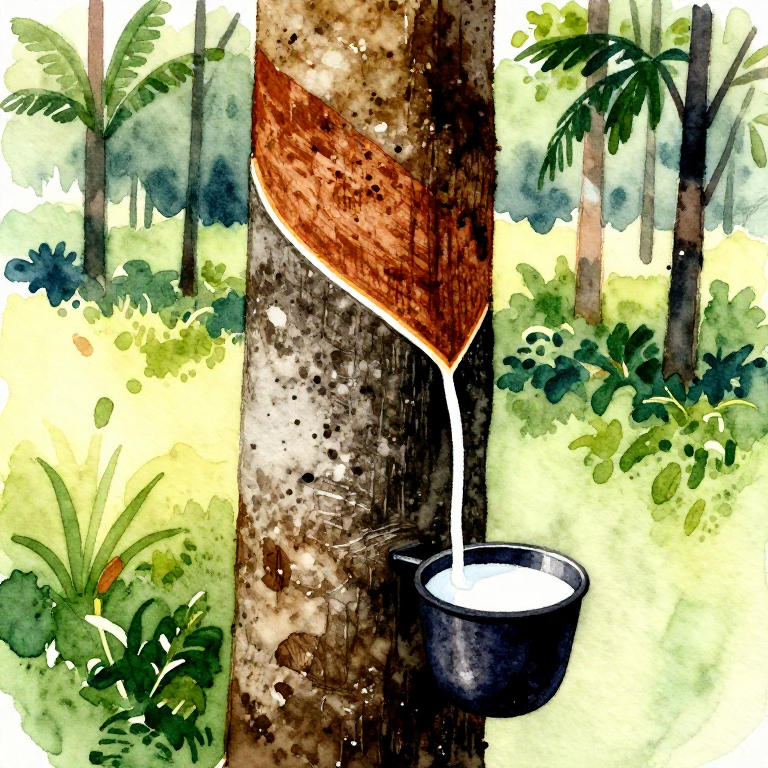


Rubber Tapping — Technique of Tapping and Harvesting Latex
ལམ་སྟོན
ཀླད་གོ་འི་ལོ་རིས་སྦོམ་པོ་ལ་ལྟ་ནས་བཀོག་སྦྲིད་གྲ་སྒོར་གི་ལག་ལེན་མི་མི་འདུག་ག
ཀླད་གོ་འི་ལོ་རིས་སྦོམ་པོ་ལ་ལྟ་ནས་བཀོག་སྦྲིད་གྲ་སྒོར་གི་ལག་ལེན་མི་མི་འདུག་ག
ཀླད་གོ་འི་རྡོ་རིས་ལས་སྐྱེས་པའི་ཤིང་རྣམས་ལ་ཤིང་གི་སྦོམ་པོ་ལ་བཀོག་སྦྲིད་གྲ་སྒོར་གི་ལག་ལེན་དུ་སླེབས་པར་ལོ་6-7་དགོས་ལ། ཕྱེད་མེད་བསྒྲིལ་བའི་ཤིང་རྣམས་ནི་ལོ་5-6་སྲིད་དུ་མྱུར་པོ་ཡོད། ཤིང་གི་སྙིང་པོ་གི་ཙོ་ལོག་ཀ་བརྒྱད་ནས་ 1 རིས་མེད་ཀྱི་ཡན་ལག་ཏུ་སྦོམ་པོ་ལ་ལྟ་སྟེ་རིས་མེད་ཀྱི་ཙོ་ལོག་ ≥ 50 སེ་ཙོ་ན་རེ་མུ་མཐུད་གི་ལམ་སྟེགས་ལས་བརླབས། ཤིང་གི་སྙིང་པོ་ཆེན་པོ་དང་། གླང་ལ་སོགས་པའི་སྦོམ་པོ་དང་། མ་འོངས་པའི་རྒོད་པ་ལས་སྐུད་པ་དགོས།
ནགས་ཚིགས་འཇུ་སྐུད་གི་གེ་མདའ་སྒྲིགས་སོང་།
ནགས་ཚིགས་འཇུ་སྐུད་གི་གེ་མདའ་སྒྲིགས་སོང་།
ནགས་ཚིགས་འཇུ་སྐུད་གི་གེ་མདའ་དེ་སྐར་མ་གླང་གི་དབྱིབས་དང་འདྲ་བ་དང་རིང་ཐུང་ཉུང་ངུ་ཡིན་ལ་ཕ་གིས་སོ་མོ་དེ་གཙོ་བོར་ཤིན་ཏུ་རྡོག་སྒེར་གསེར་ཕུལ་དུ་ཕྱིན་པ་ཡིན། གེ་མདའ་དེ་རོ་རམ་ཐིག་གིས་སྐུར་སོང་ཞིང་ངེ་ཚིགས་ལ་དེའི་བླ་མ་གླང་གི་ཡན་ལག་བི་ཏུ་གཅོད་མི་དགོས་པའི་རིང་དུ་ཞེ་དྲག་གིས་སོ་མོ་དེ་གསེར་ཕུལ་དུ་ཕྱིན་པར་གྱུར་དགོས། གེ་མདའ་ངེ་བའི་དེ་དེའི་གཙོ་བོ་གི་རྒྱུ་མཚན་ཡིན་ལ། དེ་ལ་ངེ་ཚིགས་གི་བླ་མ་གླང་གི་ཡན་ལག་དེ་གཏུབ་སམ་གཅོད་པ་ད་ང་ཙང་གོད་མི་དགོས་པར་གི་དམིགས་བསལ་གྱི་གཏུབ་རིགས་དེ་ལས་གཙོ་བོར་སོ་མོ་དེ་གསེར་ཕུལ་དུ་ཕྱིན་པར་གྱུར་དགོས། གེ་མདའ་ངེ་བའི་དེ་དེའི་གཙོ་བོ་གི་རྒྱུ་མཚན་ཡིན་པས་སོ་མོ་དེ་ལ་གསེར་ཕུལ་དུ་ཕྱིན་པར་གྱུར་དགོས།
ལག་ཆས་དགོས་མཁོ:
 གྲི།
གྲི།ཤིང་གི་སྡོང་པོ་སྐུར་བ་གོང་དུ་གཙང་སེལ་བྱེད།
ཤིང་གི་སྡོང་པོ་སྐུར་བ་གོང་དུ་གཙང་སེལ་བྱེད།
སྐུར་བ་ལེན་པའི་ས་ཕྱོགས་ལ་གླེང་སེར་དང་དྲི་མ་དང་སྡོང་པོའི་ལྷུ་གུ་གཙང་སེལ་བྱེད་ཆེད་ན་སྲིས་རམ་གཞོན་ནུའམ་གླང་གི་ལྕགས་རྩེ་བེད་སྤྱོད་བྱེད། ཏོག་སེང་དྲི་ལྡན་གཙང་སེལ་བྱས་ནས་སྐུར་བའི་ཐིག་ལེགས་ལ་མཐོང་སླ་བོ་གཏོང་བ་དང་གླེང་སེར་ནས་བུའི་རྒྱུ་ནོར་ལ་ལྟེ་བ་མི་ལྡན་པར་ལ་ལེགས། ཆར་ཕོ་དང་པོར་གླེང་དེ་ཡི་སྡོང་པོ་སྟེགས་པ་སྐྱེད་ཡོང་།
གོམ་པ་འདིའི་རྫས་རིགས:
 ཆུ།0.5 ལི་ཊར།
རྐེད་གླེང་སོབས་ཀྱི་གནས་ལུགས་གཏན་ལ་ཕབ་པ།
རྐེད་གླེང་སོབས་ཀྱི་གནས་ལུགས་གཏན་ལ་ཕབ་པ།
དང་པོའི་ རྐེད་གླེང་སོབས་ནི་ས་གོང་ནས་མེ་ཏོག་ ༡.༣ ཕྲིས་སུ་གནས་ཡོད་པ། (སོ་གོའི་རིས་གུ) །S/2 རྐེད་གླེང་རིམ་ལུགས་ལྟར་ན། རྐེད་གླེང་ཐིག་ནི་གྱ་གུའི་སོ་བསྐོར་གྱི་ ༡/༢ དུས་ཙམ་གླེང་སྟེ། གཡོན་ནས་གཡས་སུ་ཕྲོ་ཕྲོ་དགུ་སོགས། ཡོར་གྲངས་གིས་ ༣༠° ཁྱིམ་ལ་ཐོག་གི་འོག་ནས་བསྒུར་ས་ཡིན། གཞུ་བའི་ཁྱིམ་ལ་ཐོག་གིས་ལེགས་སྦྱོར་ཆུ་གི་སྐེད་ལེན་གི་དྲུང་སུ་མཐུད་རུ་བའི་ལས་ཀ་སྤེལ་དུ་འདོགས་ཡོད།
Line scraping guide
Line scraping guide
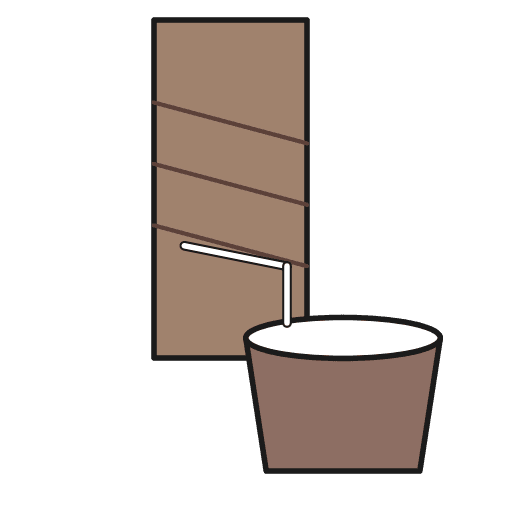
Use a ruler and chalk to mark the first scraping line on the tree bark. The scraping line is angled 30° from high on the left to low on the right. Mark both the starting point and ending point. An incorrectly angled scraping line will cause latex to flow out instead of concentrating in the trough.
Latex collection trough ଏବଂ collection cup ସଂଲଗ୍ନ କରନ୍ତୁ
Latex collection trough ଏବଂ collection cup ସଂଲଗ୍ନ କରନ୍ତୁ
ଟ୍ୟାପିଂ କାଟର ସବୁଠାରୁ ନିମ୍ନ ବିନ୍ଦୁରେ (ଡାହାଣ ଧାର), ଗଛର ତ୍ରାଣରେ ଏକ ମେଟାଲ କିମ୍ବା ପ୍ଲାସ୍ଟିକ ତ୍ରାଣ ସଂଲଗ୍ନ କରନ୍ତୁ। ବହୁଳ ଧାଡିଆ ଚୋପାଣ ସଂଗ୍ରହ କରିବାକୁ ତ୍ରାଣ ତଳେ ଏକ ସିରାମିକ କପ କିମ୍ବା ପ୍ଲାସ୍ଟିକ କପ ରାଖନ୍ତୁ। ତ୍ରାଣ ଗଛର ତ୍ରାଣରେ ଘନିଷ୍ଠଭାବରେ ମାପ୍ଟିବାକୁ ହେବ — ଫାঁକ ଚୋପାଣକୁ ଗଛର ତ୍ରାଣ ଦଳିତ କରିବ ବଦଳେ କପରେ ନୁହେଁ।
གོམ་པ་འདིའི་རྫས་རིགས:
 སྣོད་ཆས།1 དུམ་བུ།
Tapping — bark scraping technique
Tapping — bark scraping technique
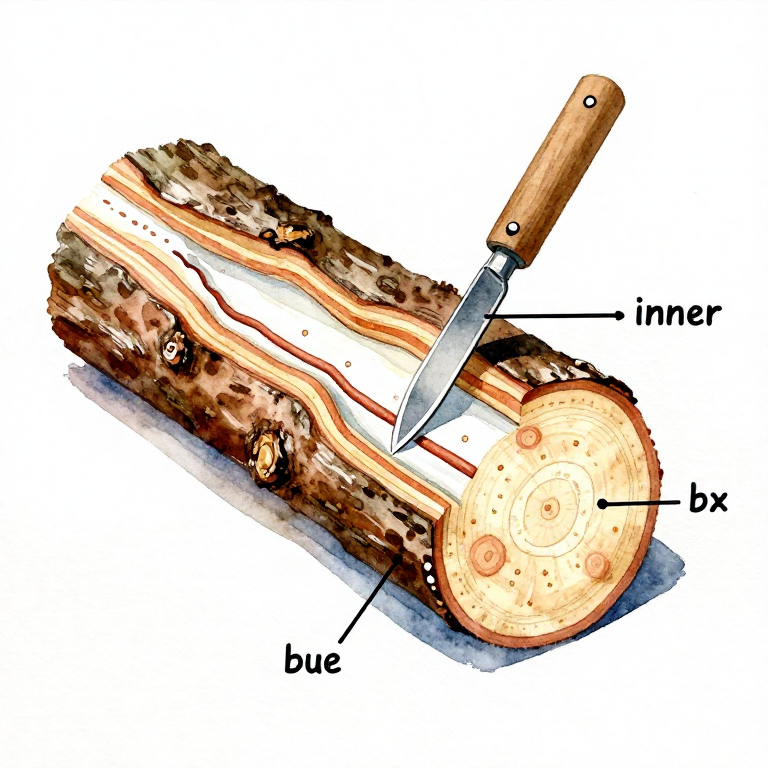
Hold the scraping knife with your dominant hand, place the blade at the left end of the scraping line. Pull the knife along the scraping line from left to right, cutting deep into the bark 1.5-2 mm — just enough to reach the latex vessels (inner bark layer) but NOT touching the cambium layer (light green wood-forming layer below). Each scraping removes a layer of bark 1.5-2 mm thick.
ལག་ཆས་དགོས་མཁོ:
གྲི།Tshikovhi ya kuvhona tshikuku tshithara
Tshikovhi ya kuvhona tshikuku tshithara
Vhakadzi vha kuvhonesa tshikuku tshithara, miliki ya giza la tshipi ya latex ya sumbedza vhuvha muthu kha musi wo nwa nga nthihi. Vhala vha kuvhona giza la pfumbu ya yellow — ndi kuvhonesa tshikuku tshi phanziwa, miri u dzhenele ndi u vhudzisa. Vhala vha si kuvhona latex yo sumbedza — ndi kuvhonesa tshikuku tshi sanguliwa, u no khou zwavhela u phanziwa u fhire. Rofho ri ri kha miri ya murahu ya mirembe ri ri fhedza ri ri wela miri ya vupo.
དགེ་བའི་སྲིད་གཞུང་གི་དུས་ཚོད།
དགེ་བའི་སྲིད་གཞུང་གི་དུས་ཚོད།
སྤྱི་ཞིང་ནགས་ཀུན་དུ་སང་ཕྱོགས་ཀྱི་ཆུ་ཚོད་གསུམ་དོན་དགུ་ནས་དྲུག་གི་བར་དུ་རྩེ་གཞི་བརླིང་དགེ་བའི་སྲིད་གཞུང་འདོད་དགུའི་དུས་ཡིན། དེའི་དུས་སུ་གཞུང་གི་ཚད་ཆེ་མཐོ་དང་ལས་ལ་འདོད་དགུའི་ཆུ་ཞིང་མང་པོ་བྱུང་བ་ཡིན། བརླིང་རྗེས་གླེང་སྟེགས་གཉིས་དང་གསུམ་གི་བར་དུ་འདོད་དགུའི་ཆུ་ཞིང་དེ་མེད་གླེང་ངེ་ཡིན། ཆར་པ་ལ་སྐར་མར་མ་བརླིང་གི། ཆར་ཆུ་དེས་འདོད་དགུའི་ཆུ་ཞིང་ལ་དངོས་འབྲེལ་བྱེད་དེ་བརླིང་གི་གཞི་ལ་ནད་རིས་སྐྱེ་བའི་རྒྱུ་ཡིན།
Sap flow ལ་ལ་བསྒུགས་ (2-3 hours)
Sap flow ལ་ལ་བསྒུགས་ (2-3 hours)
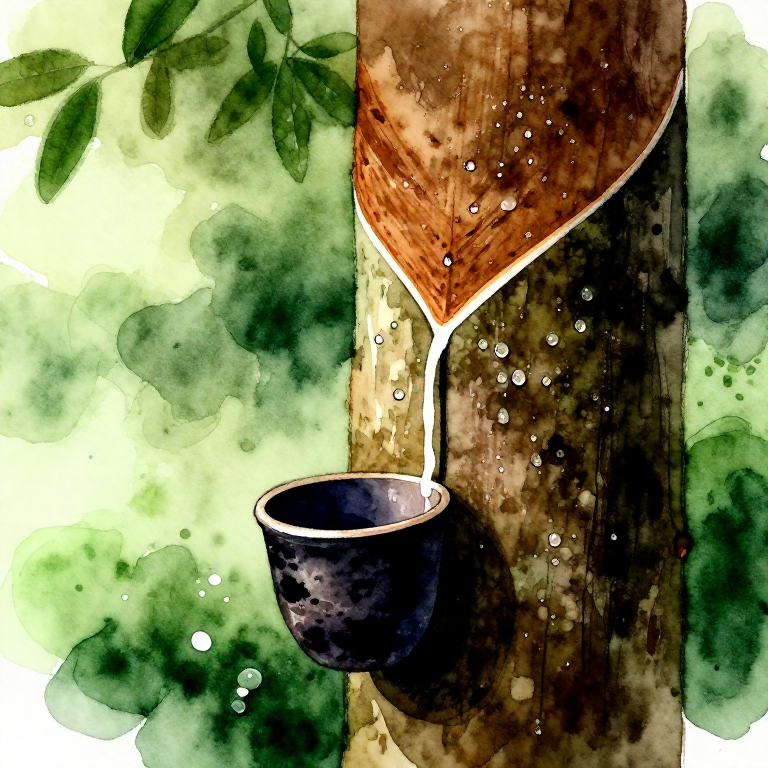
Tapping རྗེས་སུ་, sap སྒུགས་ཆུང་ངང་ tapping line ལ་བརྟེན་ནས་ gutter ནང་དུ་དེ་ནས་ collection cup ནང་དུ་ཞུགས་པ་ལྟར། Tree ལ་ཕན་ཐོགས་ཡོད་པ་དེ་ 40-80 ml latex ལ་བརྟེན་ནས་ tapping ལ་ལ་གླེང་སྟེ། Sap གླེང་པ་དེ་ protein latex ནང་དུ་ coagulates དང་ latex vessel ལ་སྒྱུར་བ་མཚམས་ — process འདི་དེ་ 2-3 hours རྗེས་སུ་ལ་སྒུགས་པ་ལ་རེ།
Pour latex into the container
Pour latex into the container
After 2-3 hours, remove the collection cup and pour into the collection container. Discard the coagulated latex (latex that has dried on the tapping cut) — this is lower grade latex, collected separately. Rinse the cup thoroughly with water before reusing. Latex needs to be processed within 4-6 hours before it self-coagulates.
གོམ་པ་འདིའི་རྫས་རིགས:
ཆུ།2 ལི་ཊར།ལག་ཆས་དགོས་མཁོ:
སྣོད་ཆས།Temporary latex preservation
Temporary latex preservation
Add 1-2% ammonia solution (NH₃) to the latex container to prevent early coagulation — ratio of 10 ml ammonia/liter of latex. Stir gently. Keep the latex container in shade, avoid direct sunlight. Latex with ammonia can be kept for 6-8 hours at room temperature before processing is needed.
Tapping frequency and bark rest
Tapping frequency and bark rest
S/2 d/3 tapping system (common in Vietnam): tapping half the circumference, 3 days/time (10 times/month). Each tapping consumes 1.5-2 mm of bark. Tree bark regenerates 2-3 cm/year — if tapping too deeply or too frequently, the bark does not have time to recover and yield gradually decreases.
རམ་འདེགས་ཀྱི་གོ་རིས་འབབ་ལོགས་སུ་སྐུལ་བ།
རམ་འདེགས་ཀྱི་གོ་རིས་འབབ་ལོགས་སུ་སྐུལ་བ།
རམ་འདེགས་རེ་རེའི་རྗེས་སུ། རམ་འདེགས་ཀྱི་ལིང་ཕུད་གཤེགས་པའི་གྱང་ཕུད་གླིང་དེ་ལ་མངམ་དུ་གནས་ཏེ་(1.5-2 མི་ལི་མི་ཀོ་ནས་ཕེབས་པ)། རམ་འདེགས་ཀྱི་གོ་རིས་མི་ཞིག་ནས་ 50 སེན་ཅི་མི་ཀོའི་མཐོ་ཚད་སུ་ལོག་འགྲོ་བའི་ཚེ། ཤིང་གི་གདུགས་པའི་གཞན་ཕོགས་ལ་རམ་འདེགས་ཀྱི་གོ་རིས་གསར་པ་ཁ་འདོགས་ལ། ཐོག་མར་མཐོ་ཚད་ 1.3 མེ་ཏོ་གི་སེང་དུ་ལོག་འགྲོ་བ། ཤིང་གི་མེས་པ་ཆེན་པོ་གཞིས་གསུབ་ཀྱི་ལུགས་རམ་འདེགས་སྐར་མ་ 5-7 ལོ་གསོལ་འདེགས་ཀྱི་མཐོ་ཚད་ལང་ཚོ་དགོས།
Treatment of overly deep scraping wounds
Treatment of overly deep scraping wounds
If you accidentally scrape and touch the wood cambium layer (see yellow wood exposed), stop scraping at that location. Apply a mixture of clay and water to the wound for protection. Deep scraping wounds cause tumors on the tree trunk and permanently reduce productivity at that location. This is the most serious mistake in the tapping profession.
Rest from tapping during leaf fall season
Rest from tapping during leaf fall season
Rubber trees naturally shed leaves every year (January-March in Vietnam). During this period, tapping MUST be completely stopped — the tree needs all nutrients to produce new leaves. Tapping latex during leaf fall season causes tree depletion, makes it susceptible to powdery mildew (Oidium heveae), and reduces productivity in subsequent years.
བིལུ་པིརིན་ཊི་འདི་གིས་བཟོ་མི
CC0 སྤྱི་དབང
བིལུ་པིརིན་ཊི་འདི་CC0 འོག་བཀྲམས་ཡོད། ཁྱེད་རང་གིས་ཆོག་མཆན་མ་བཞེས་པར་ཕབ་ལེན་དང་བཟོ་བཅོས། བགོ་བཤའ། དགོས་མཁོ་གང་ལའང་བཀོལ་སྤྱོད་བྱས་ཆོག
བཟོ་མཁན་ལ་རྒྱབ་སྐྱོར་བྱེད་པའི་ཆེད་ཁོང་ཚོའི་བིལུ་པིརིན་ཊི་བརྒྱུད་ཐོན་སྐྱེད་ཉོ། བཟོ་མཁན་གྱིས བཟོ་མཁན་གྱི་ཁེ་ཕོགས ཚོང་པས་གཏན་འཁེལ་བྱས་པ། ཡང་ན་བིལུ་པིརིན་ཊི་འདིའི་པར་གསར་བཟོས་ཏེ་ཁྱེད་རང་གི་བིལུ་པིརིན་ཊི་ནང་མཐུད་སྦྲེལ་བྱས་ཏེ་ཡོང་སྒོ་བགོ་བཤའ་བྱེད།