སྒྱུ་རྩལ
མཛེས་སྡུག་དང་བདེ་ཐང
བཟོ་རིག
རིག་གནས་དང་ལོ་རྒྱུས
དགའ་སྟོན
ཁོར་ཡུག
ཟས་དང་བཏུང་རྫས
ཕྱིར་འཕྲུལ་རིག
ཚན་རིག
རྩེད་འགྲན
རིག་རྩལ
གྱོན་རུང
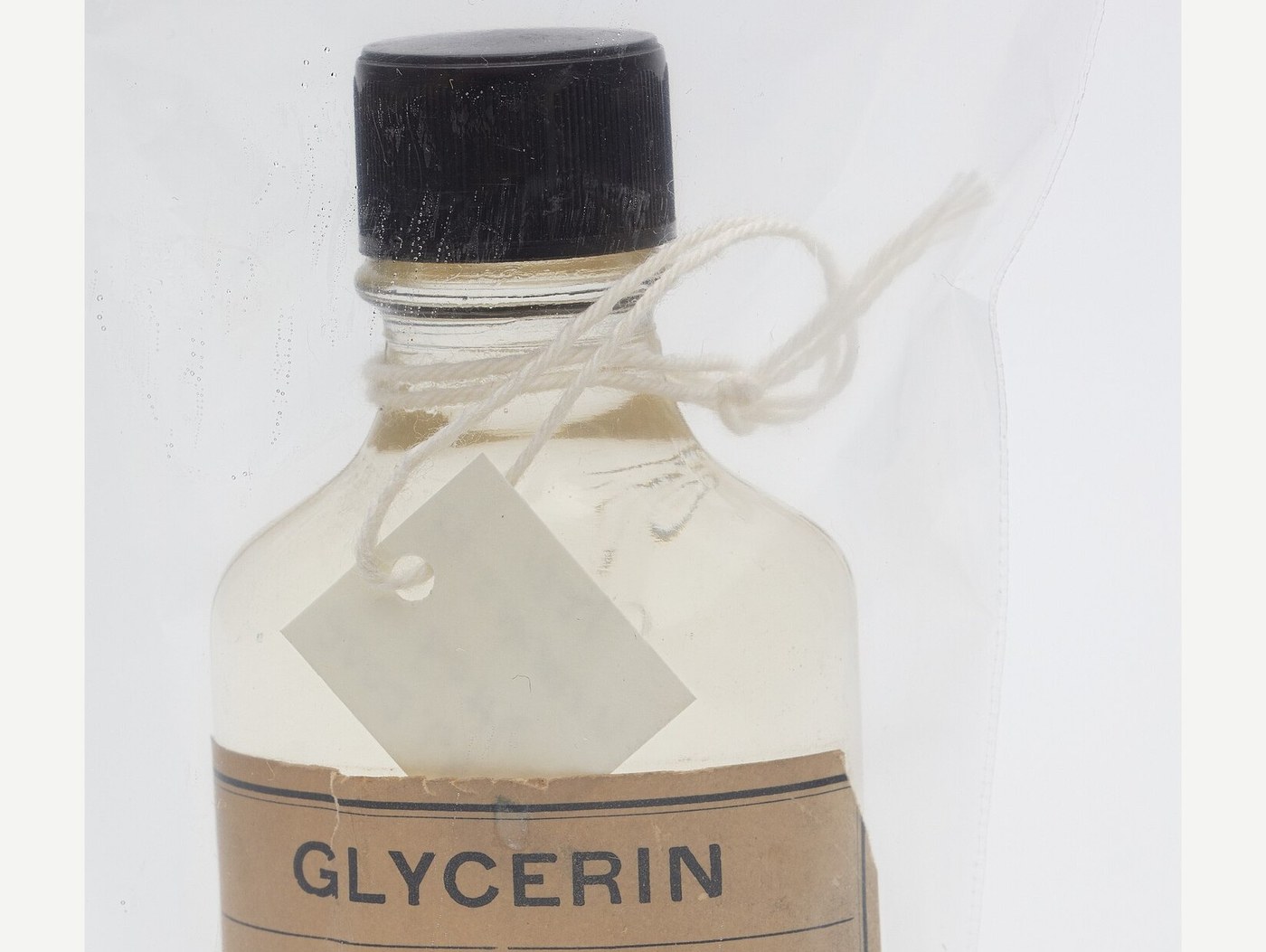


Glycerin from Candle-Works Sweet Water: Cap's Process
The sweet water washed out of lime soap in the stearin candle works holds the fat's glycerin, with lime and fatty traces. Cap's process, given in Muspratt's Chemistry (1860), turns it into glycerin: the lime is thrown down as sulfate with sulfuric acid, the liquor is boiled down out of contact with the air, neutralised with chalk, filtered, cleared with bone black and concentrated to a colourless syrup of about 51° Twaddell.
མཐོ་རིམ
Several days
ལམ་སྟོན
1
1
Boil down the sweet water
Boil down the sweet water
Reduce the glycerin water drawn off from the lime soap by evaporation over a fire.
གོམ་པ་འདིའི་རྫས་རིགས:
 Glycerin Water1 as required
 བི་ཊུ་མིན་གྱི་རྡོ་སོལ།1 as required
ལག་ཆས་དགོས་མཁོ:
 རླངས་འཐེན་ལང་ཀོ།
 ས་ཕག་གི་མེ་ཐབ།
2
2
Find how much lime it holds
Find how much lime it holds
Measure out a known volume, precipitate its lime with oxalate of ammonia, collect the precipitate, dry it, burn it and weigh it. From that, work out how much sulfuric acid will just combine with all the lime.
ལག་ཆས་དགོས་མཁོ:
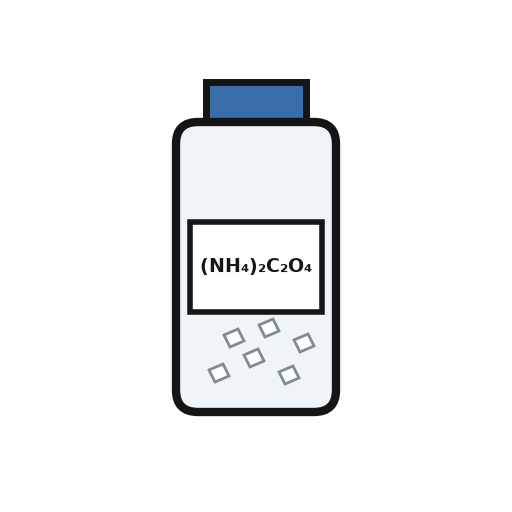 Ammonium Oxalate
 འཚག་ཤོག
 འཇིམ་གྱི་ཞུན་སྣོད — མེ་བཟོད།
 སྲང་།
སྲང་།3
3
Throw the lime down with sulfuric acid
Throw the lime down with sulfuric acid
Add that amount of sulfuric acid. Sulfate of lime falls. Let it settle and decant the clear liquid into another vessel.
གོམ་པ་འདིའི་རྫས་རིགས:
 སལ་ཕིའུ་རིཀ་སྐྱུར་རྫས1 as required
ལག་ཆས་དགོས་མཁོ:
 སྦག་སྣོད
 རྫས་སྦྱོར་འཐོར་སྲུང་མིག་ཤེལ།
 ལ་སྟིག་གི་ལག་ཤུབས།
4
4
Boil it out of contact with air, to 14° Twaddell
Boil it out of contact with air, to 14° Twaddell
Boil the liquid in a covered vessel, kept stirred, so the air cannot reach it. The boiling drives off volatile fatty impurities and the liquid loses colour and smell. At 14° Twaddell let it cool: more sulfate of lime falls.
གོམ་པ་འདིའི་རྫས་རིགས:
བི་ཊུ་མིན་གྱི་རྡོ་སོལ།1 as requiredལག་ཆས་དགོས་མཁོ:
སྦག་སྣོད ཤིང་གི་ཀྲུ་ཤིང་།ས་ཕག་གི་མེ་ཐབ།
 ཚད་ཚབས་འཇལ་ཆས།
5
5
Neutralise any excess acid with chalk
Neutralise any excess acid with chalk
Test with litmus. If the liquid is acid, add powdered chalk or limestone a little at a time until it is neutral.
གོམ་པ་འདིའི་རྫས་རིགས:
 ཀཱལ་སིཡམ་ཀརབོ་ནེཊ — རྡོ་ཞ་བརྡུངས་མ།1 as required
ལག་ཆས་དགོས་མཁོ:
 ལིཊ་མཱསི་ཤོག་ཀུ།ཤིང་གི་ཀྲུ་ཤིང་།
6
6
Boil on to 37.5° and filter
Boil on to 37.5° and filter
Boil again out of contact with air, stirring actively, to 37.5° Twaddell. Collect the sulfate and carbonate of lime on a filter.
གོམ་པ་འདིའི་རྫས་རིགས:
བི་ཊུ་མིན་གྱི་རྡོ་སོལ།1 as requiredལག་ཆས་དགོས་མཁོ:
སྦག་སྣོདཤིང་གི་ཀྲུ་ཤིང་།ས་ཕག་གི་མེ་ཐབ།ཚད་ཚབས་འཇལ་ཆས། ཚགས་མ
ཚགས་མ7
7
Reduce to 49°, filtering again if needed
Reduce to 49°, filtering again if needed
Evaporate the filtrate, keeping it well agitated, until on cooling it marks 49° Twaddell. If more sulfate of lime falls, filter again.
གོམ་པ་འདིའི་རྫས་རིགས:
བི་ཊུ་མིན་གྱི་རྡོ་སོལ།1 as requiredལག་ཆས་དགོས་མཁོ:
རླངས་འཐེན་ལང་ཀོ།ས་ཕག་གི་མེ་ཐབ།ཚད་ཚབས་འཇལ་ཆས།ཚགས་མ8
8
Clear it through bone black
Clear it through bone black
Pass it through washed animal charcoal (bone black) to take out the tinge. It comes through as a colourless solution of about 45° Twaddell.
ལག་ཆས་དགོས་མཁོ:
 རུས་པའི་སོལ་ནགཚགས་མ
9
9
Concentrate to 51° Twaddell
Concentrate to 51° Twaddell
Concentrate it carefully, driving off about a quarter of its weight of water, until the syrupy liquid reads 51.2° Twaddell. Store it closed.
གོམ་པ་འདིའི་རྫས་རིགས:
བི་ཊུ་མིན་གྱི་རྡོ་སོལ།1 as requiredལག་ཆས་དགོས་མཁོ:
རླངས་འཐེན་ལང་ཀོ།ས་ཕག་གི་མེ་ཐབ།ཚད་ཚབས་འཇལ་ཆས།10
10
Cap's readings as specific gravity
Cap's readings as specific gravity
Jupyter ཚང་དེབ་མངོན་གསལ་འབད་དོ་…
11
11
Troubleshooting
Troubleshooting
Glycerin troubleshooting.
Flow
Loading...
12
12
History and honest limits
History and honest limits
Muspratt (1860) gives Cap's process alongside the older lead-plaster method (olive oil and litharge, the lead removed with hydrogen sulfide). He quotes Wilson that Cap's glycerin, though better than the old product, is not absolutely pure. Bone black is used here as a filter that clears the colour; it is not part of the glycerin. The Twaddell-to-specific-gravity conversion is the standard definition of the scale.
རྫས་རིགས
4- 1 as requiredས་ཆ་འཛིན
- 1 as requiredས་ཆ་འཛིན
- 1 as requiredས་ཆ་འཛིན
- 1 as requiredས་ཆ་འཛིན
ལག་ཆས་དགོས་མཁོ
14- ས་ཆ་འཛིན
- ས་ཆ་འཛིན
- ས་ཆ་འཛིན
- ས་ཆ་འཛིན
- ས་ཆ་འཛིན
- ས་ཆ་འཛིན
- ས་ཆ་འཛིན
- ས་ཆ་འཛིན
- ས་ཆ་འཛིན
- ས་ཆ་འཛིན
- ས་ཆ་འཛིན
- ས་ཆ་འཛིན
- ས་ཆ་འཛིན
- ས་ཆ་འཛིན
བིལུ་པིརིན་ཊི་འདི་གིས་བཟོ་མི
འབྲེལ་ཡོད་བིལུ་པིརིན་ཊི
བིལུ་པིརིན་ཊི་འདི་ཚུ་ཐབས་ལམ་དང་རྫས་རིགས། སྤྱི་ཆོས་བགོ་བཤའ་བྱེད
CC0 སྤྱི་དབང
བིལུ་པིརིན་ཊི་འདི་CC0 འོག་བཀྲམས་ཡོད། ཁྱེད་རང་གིས་ཆོག་མཆན་མ་བཞེས་པར་ཕབ་ལེན་དང་བཟོ་བཅོས། བགོ་བཤའ། དགོས་མཁོ་གང་ལའང་བཀོལ་སྤྱོད་བྱས་ཆོག
བཟོ་མཁན་ལ་རྒྱབ་སྐྱོར་བྱེད་པའི་ཆེད་ཁོང་ཚོའི་བིལུ་པིརིན་ཊི་བརྒྱུད་ཐོན་སྐྱེད་ཉོ། བཟོ་མཁན་གྱིས བཟོ་མཁན་གྱི་ཁེ་ཕོགས ཚོང་པས་གཏན་འཁེལ་བྱས་པ། ཡང་ན་བིལུ་པིརིན་ཊི་འདིའི་པར་གསར་བཟོས་ཏེ་ཁྱེད་རང་གི་བིལུ་པིརིན་ཊི་ནང་མཐུད་སྦྲེལ་བྱས་ཏེ་ཡོང་སྒོ་བགོ་བཤའ་བྱེད།