སྒྱུ་རྩལ
མཛེས་སྡུག་དང་བདེ་ཐང
བཟོ་རིག
རིག་གནས་དང་ལོ་རྒྱུས
དགའ་སྟོན
ཁོར་ཡུག
ཟས་དང་བཏུང་རྫས
ཕྱིར་འཕྲུལ་རིག
ཚན་རིག
རྩེད་འགྲན
རིག་རྩལ
གྱོན་རུང
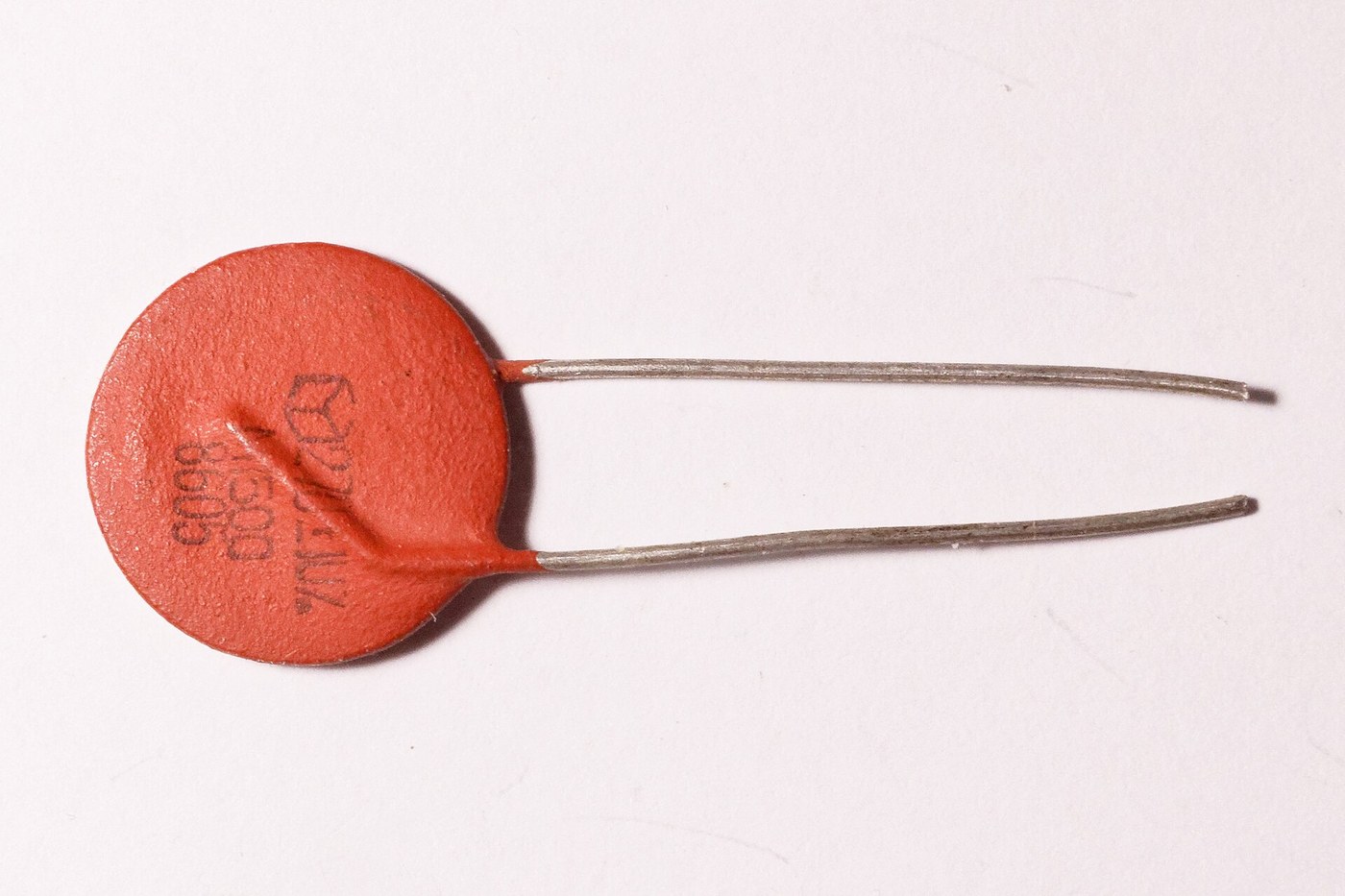


Ceramic Disc Capacitors: Barium Titanate with Nickel Stannate, Pressed, Fired and Silvered (Coffeen, US 2,789,061)
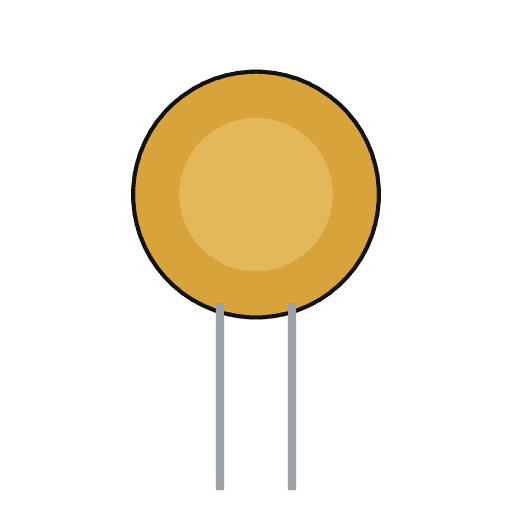
Barium titanate with 3 mole % nickel stannate is calcined, pressed into small discs and fired hard. Silver is fired onto both faces and a lead soldered to each, giving ceramic disc capacitors of high capacity for their size.
Result: discs 3/8 inch across and about 1/10 inch thick with a dielectric constant averaging 2380 and a dissipation factor of 0.58 %. Between 25 and 85 °C the dielectric constant rose at most 17 % and fell at most 7 %.
Source: W. W. Coffeen (Metal & Thermit Corp.), US 2,789,061 (1957). Unknown: how the barium titanate, the nickel stannate and the tinned lead wire are made; the patent uses them ready-made. Picture: Wikimedia Commons.
མཐོ་རིམ
10 days
ལམ་སྟོན
1
1
Weigh and slurry
Weigh and slurry
Weigh 19.32 g of barium titanate and 0.68 g of hydrated nickel stannate (about NiSnO3·2H2O), which is 97 mole % BaTiO3 and 3 mole % NiSnO3. Slurry them with 50 cc of distilled water. The patent prefers 2 to 4 mole % nickel stannate; 1 to 15 % works.
གོམ་པ་འདིའི་རྫས་རིགས:
 བེ་རི་ཡམ་ ཊའི་ཊ་ནེཊ།19.32 g
 ནི་ཀཱལ་ སི་ཊེ་ནེཊ།0.68 g
ལག་ཆས་དགོས་མཁོ:
 བཙོ་བཏོན་ཆུ།
 ཏག་ཏག་གི་ཨང་རྟགས་སྲང་།
 རླངས་བཟོའི་ཕོར་པ།
2
2
Dry, sieve and calcine
Dry, sieve and calcine
Dry the slurry, crush it to pass a 50 mesh screen, moisten it with 5 % of a 2 1/2 % starch solution and press it into one slug. Calcine the slug for one hour at 1600 °F (871 °C). Ours: potato starch, a drying oven, mortar and pestle.
ལག་ཆས་དགོས་མཁོ:
 ཀེ་ཝའི་སྦར་ཁུ
 སྐམ་ནིའི་ཐབ
 གཏུན་ཁུང་དང་གཏུན་ཤིང་།
 ཚགས་མ་རྩུབ་པ།
 ཧའི་ཌོ་ལིཀ་ནོན་འཕྲུལ།
 ཚ་དྲོད་མཐོ་བའི་ཐབ་ཁུང་།
3
3
Press the discs
Press the discs
Grind the calcine to pass a 325 mesh screen, moisten it again with starch solution, and press small discs 3/8 inch in diameter and about 1/10 inch thick at 20,000 pounds per square inch.
ལག་ཆས་དགོས་མཁོ:
གཏུན་ཁུང་དང་གཏུན་ཤིང་། དྲ་ཕྲ་བའི་ཚག་མ།ཀེ་ཝའི་སྦར་ཁུཧའི་ཌོ་ལིཀ་ནོན་འཕྲུལ།
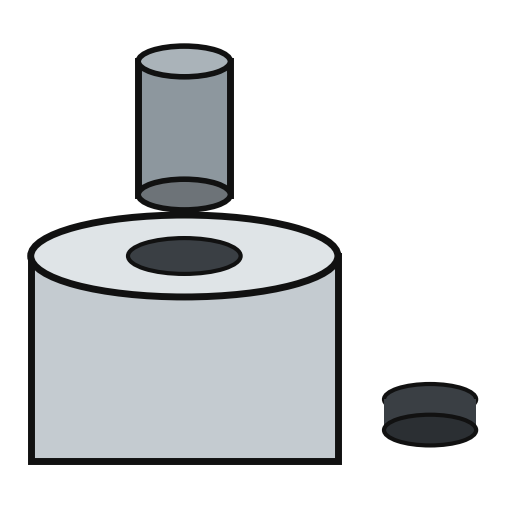 སྡེར་ཆས་ནན་བཙིར་གྱི་ དཔེ་ཚད།
4
4
Fire on platinum
Fire on platinum
Fire the discs on platinum foil at 2400 °F (1316 °C) for one hour. They come out with zero absorption.
ལག་ཆས་དགོས་མཁོ:
ཚ་དྲོད་མཐོ་བའི་ཐབ་ཁུང་། པ་ལ་ཊི་ནམ་
5
5
Silver and lead
Silver and lead
Paint silver paint on both faces and fire the discs at 1350 °F (732 °C) for one hour. Solder tinned copper lead wires directly to the silver electrodes. Age at least a week before measuring. Ours: a fine brush and a soldering iron.
གོམ་པ་འདིའི་རྫས་རིགས:
 བསྲེགས་ཏེ་བཀྱེ་བའི་དངུལ་ཚོས།1 both faces
 ཞ་ཉེ་བྱུགས་པའི་ ཟངས་ཀྱི་ གློག་ཐག2 leads per disc
 ཞ་སྦྱར་རྫས་ཀྱི་སྐུད་པ1 a little
ལག་ཆས་དགོས་མཁོ:
 རྩེ་ཕྲ་བའི་ཕྱི་ཤིང་ཚུ།ཚ་དྲོད་མཐོ་བའི་ཐབ་ཁུང་།
 ཞ་བཏབ་ནིའི་ལྕགས།
རྫས་རིགས
5- 19.32 gས་ཆ་འཛིན
- 0.68 gས་ཆ་འཛིན
- 1 both facesས་ཆ་འཛིན
- 2 leads per discས་ཆ་འཛིན
- 1 a littleས་ཆ་འཛིན
ལག་ཆས་དགོས་མཁོ
14- ས་ཆ་འཛིན
- ས་ཆ་འཛིན
- ས་ཆ་འཛིན
- ས་ཆ་འཛིན
- ས་ཆ་འཛིན
- ས་ཆ་འཛིན
- ས་ཆ་འཛིན
- ས་ཆ་འཛིན
- ས་ཆ་འཛིན
- ས་ཆ་འཛིན
- ས་ཆ་འཛིན
- ས་ཆ་འཛིན
- ས་ཆ་འཛིན
- 2 vendors sell this, none ship to you yetས་ཆ་འཛིན
བིལུ་པིརིན་ཊི་འདི་གིས་བཟོ་མི
CC0 སྤྱི་དབང
བིལུ་པིརིན་ཊི་འདི་CC0 འོག་བཀྲམས་ཡོད། ཁྱེད་རང་གིས་ཆོག་མཆན་མ་བཞེས་པར་ཕབ་ལེན་དང་བཟོ་བཅོས། བགོ་བཤའ། དགོས་མཁོ་གང་ལའང་བཀོལ་སྤྱོད་བྱས་ཆོག
བཟོ་མཁན་ལ་རྒྱབ་སྐྱོར་བྱེད་པའི་ཆེད་ཁོང་ཚོའི་བིལུ་པིརིན་ཊི་བརྒྱུད་ཐོན་སྐྱེད་ཉོ། བཟོ་མཁན་གྱིས བཟོ་མཁན་གྱི་ཁེ་ཕོགས ཚོང་པས་གཏན་འཁེལ་བྱས་པ། ཡང་ན་བིལུ་པིརིན་ཊི་འདིའི་པར་གསར་བཟོས་ཏེ་ཁྱེད་རང་གི་བིལུ་པིརིན་ཊི་ནང་མཐུད་སྦྲེལ་བྱས་ཏེ་ཡོང་སྒོ་བགོ་བཤའ་བྱེད།