སྒྱུ་རྩལ
མཛེས་སྡུག་དང་བདེ་ཐང
བཟོ་རིག
རིག་གནས་དང་ལོ་རྒྱུས
དགའ་སྟོན
ཁོར་ཡུག
ཟས་དང་བཏུང་རྫས
ཕྱིར་འཕྲུལ་རིག
ཚན་རིག
རྩེད་འགྲན
རིག་རྩལ
གྱོན་རུང
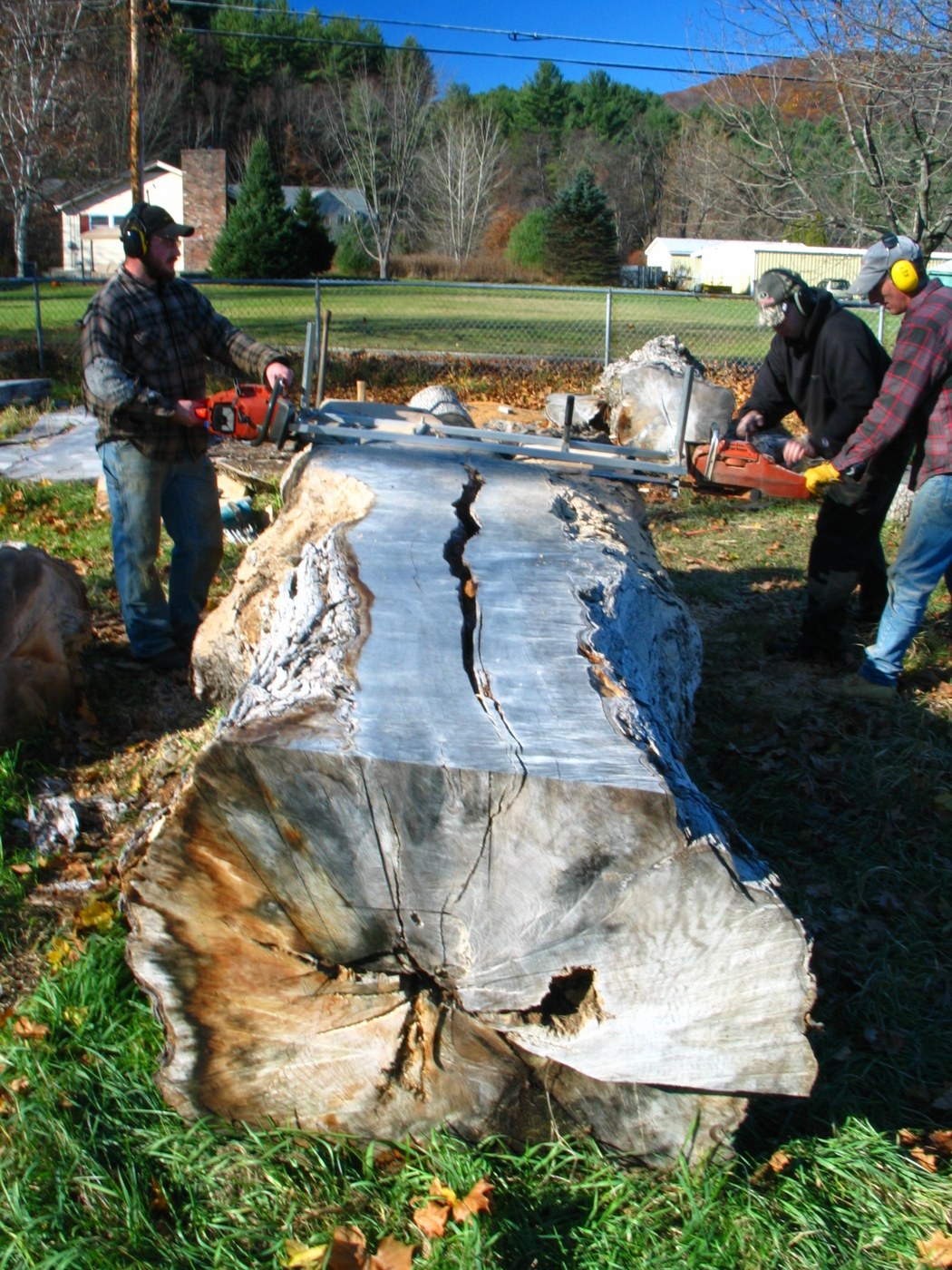


Pine Boards with a Chainsaw Mill
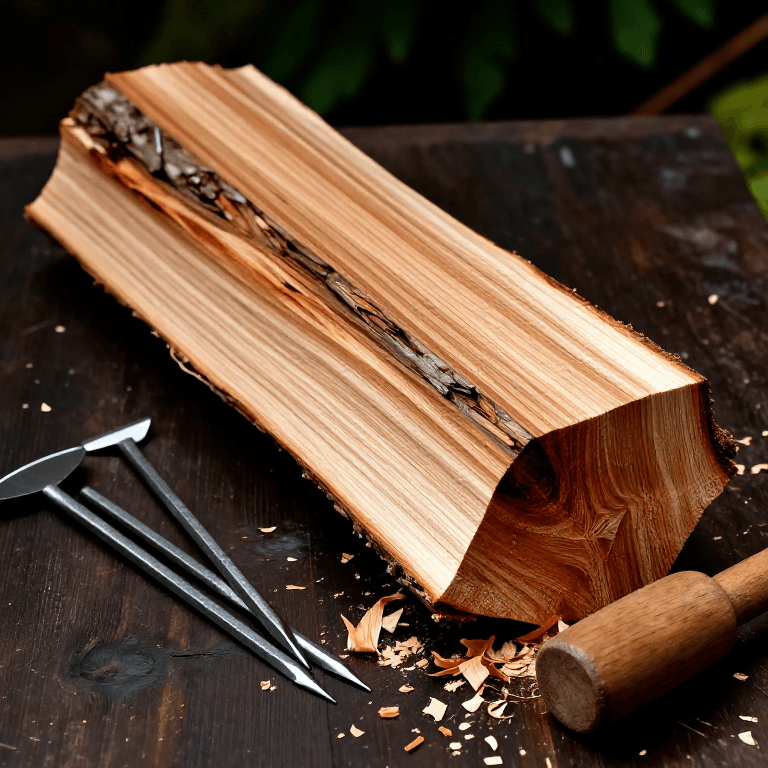
A chainsaw mill is a frame that holds the saw's bar flat at a set height, so the chain rips a log lengthways into boards. The first cut rides on a straight board screwed to the log; every later cut rides on the flat face before it. The green boards are then stacked on stickers to air-dry.
Pine dries fast: a 25 mm board can reach about 14 % moisture in 60 to 90 days in good drying weather. Oak and other slow species take far longer.
བར་མ
1 day milling, 2–3 months drying
ལམ་སྟོན
1
1
Pick and prop the log
Pick and prop the log
Choose a straight pine log, 2.5–3 m long, without large knots. Prop it on two short logs so it cannot roll and the chain will not reach the ground.
གོམ་པ་འདིའི་རྫས་རིགས:
 ཤིང་འཇམ་གྱི་སྡོང་དུམ1 དུམ་བུ།
ལག་ཆས་དགོས་མཁོ:
 འཇལ་ཐག
2
2
Fit the mill
Fit the mill
Bolt the mill to the chainsaw bar following its maker's instructions. A ripping chain cuts along the grain faster and smoother than a crosscut chain.
ལག་ཆས་དགོས་མཁོ:
 ལྕགས་ཐག་གི་སོག་ལེ། (ཤིང་ནགས་ལས་རིགས་ཀྱི་རིམ་པ)
 ལྕགས་ཐག་སོག་ལེའི་ཤིང་གཤགས་སྒྲོམ།
3
3
Screw on the guide board
Screw on the guide board
Screw a straight board along the top of the log, level from end to end, as the rail for the first cut. Check it with the straightedge and level.
གོམ་པ་འདིའི་རྫས་རིགས:
 ཤིང་གི་སྒྲོག6 དུམ་བུ།
ལག་ཆས་དགོས་མཁོ:
 ཐང་ཤིང་གི་ལེབ།
 ཐག་མེད་ཕུག་འཕྲུལ།
 ཟུར་དྲང་པོ།
 ཆུ་ཚད་འཇལ་ཆས།
4
4
First cut
First cut
Wearing helmet with visor, ear protection, gloves and boots, run the mill along the guide board and take off the top slab. Remove the guide board.
ལག་ཆས་དགོས་མཁོ:
ལྕགས་ཐག་གི་སོག་ལེ། (ཤིང་ནགས་ལས་རིགས་ཀྱི་རིམ་པ)ལྕགས་ཐག་སོག་ལེའི་ཤིང་གཤགས་སྒྲོམ། ཉེན་སྲུང་ཞྭ་མོ།
 རྣ་ཅོག་སྲུང་ནིའི་ཁེབས
 ཀོ་བའི་ལས་ལག་ཤུབས།
 ལྕགས་མགོ་ཅན་གྱི་ཉེན་སྲུང་ལྷམ་
5
5
Cut the boards
Cut the boards
Set the mill a few millimetres thicker than the finished board, to allow for shrinking and planing. Run each cut on the flat face left by the one before.
ལག་ཆས་དགོས་མཁོ:
ལྕགས་ཐག་གི་སོག་ལེ། (ཤིང་ནགས་ལས་རིགས་ཀྱི་རིམ་པ)ལྕགས་ཐག་སོག་ལེའི་ཤིང་གཤགས་སྒྲོམ།འཇལ་ཐག6
6
Seal the ends
Seal the ends
Paint both ends of every board with end sealer the same day, to stop them splitting as they dry.
གོམ་པ་འདིའི་རྫས་རིགས:
 རྩེ་བསྡམ་རྫས (པ་ར་ཕིན་ཞུན)0.5 ལི་ཊར།
7
7
Sticker the stack
Sticker the stack
On a level base at least 30 cm off the ground, lay the boards in layers with a gap between them, each layer on stickers every 40–60 cm, the stickers one above the other.
གོམ་པ་འདིའི་རྫས་རིགས:
 ཤིང་གི་བར་ཆད་ཕྲང (སྐམ་ནིའི་བར་སྟོང)30 དུམ་བུ།
ལག་ཆས་དགོས་མཁོ:
 ཤིང་གི་པེ་ལེཊ།ཆུ་ཚད་འཇལ་ཆས།
8
8
Cover and weight
Cover and weight
Cover the top of the stack against rain and lay weight on it to keep the top boards flat; leave the sides open to the air.
ལག་ཆས་དགོས་མཁོ:
 ཆུ་བཟོད་ཀྱི་གུར་རས།
9
9
Measure the moisture
Measure the moisture
After 2 months, read a board from the middle of the stack. Air-dry outdoors reaches about 12–15 %; bring boards for furniture indoors to settle at 6–8 % before working them.
ལག་ཆས་དགོས་མཁོ:
 རློན་ཚད་འཇལ་ཆས།
10
10
Troubleshooting
Troubleshooting
Chainsaw milling troubleshooting.
Flow
Loading...
རྫས་རིགས
4- 1 དུམ་བུ།ས་ཆ་འཛིན
- 6 དུམ་བུ།ས་ཆ་འཛིན
- 0.5 ལི་ཊར།ས་ཆ་འཛིན
- 30 དུམ་བུ།ས་ཆ་འཛིན
ལག་ཆས་དགོས་མཁོ
14- 1 vendor sell this, none ship to you yetས་ཆ་འཛིན
- ས་ཆ་འཛིན
- ས་ཆ་འཛིན
- 1 vendor sell this, none ship to you yetས་ཆ་འཛིན
- ས་ཆ་འཛིན
- ས་ཆ་འཛིན
- ས་ཆ་འཛིན
- ས་ཆ་འཛིན
- ས་ཆ་འཛིན
- ས་ཆ་འཛིན
- ས་ཆ་འཛིན
- ས་ཆ་འཛིན
- ས་ཆ་འཛིན
བིལུ་པིརིན་ཊི་འདི་གིས་བཟོ་མི


འབྲེལ་ཡོད་བིལུ་པིརིན་ཊི
བིལུ་པིརིན་ཊི་འདི་ཚུ་ཐབས་ལམ་དང་རྫས་རིགས། སྤྱི་ཆོས་བགོ་བཤའ་བྱེད
CC0 སྤྱི་དབང
བིལུ་པིརིན་ཊི་འདི་CC0 འོག་བཀྲམས་ཡོད། ཁྱེད་རང་གིས་ཆོག་མཆན་མ་བཞེས་པར་ཕབ་ལེན་དང་བཟོ་བཅོས། བགོ་བཤའ། དགོས་མཁོ་གང་ལའང་བཀོལ་སྤྱོད་བྱས་ཆོག
བཟོ་མཁན་ལ་རྒྱབ་སྐྱོར་བྱེད་པའི་ཆེད་ཁོང་ཚོའི་བིལུ་པིརིན་ཊི་བརྒྱུད་ཐོན་སྐྱེད་ཉོ། བཟོ་མཁན་གྱིས བཟོ་མཁན་གྱི་ཁེ་ཕོགས ཚོང་པས་གཏན་འཁེལ་བྱས་པ། ཡང་ན་བིལུ་པིརིན་ཊི་འདིའི་པར་གསར་བཟོས་ཏེ་ཁྱེད་རང་གི་བིལུ་པིརིན་ཊི་ནང་མཐུད་སྦྲེལ་བྱས་ཏེ་ཡོང་སྒོ་བགོ་བཤའ་བྱེད།