སྒྱུ་རྩལ
མཛེས་སྡུག་དང་བདེ་ཐང
བཟོ་རིག
རིག་གནས་དང་ལོ་རྒྱུས
དགའ་སྟོན
ཁོར་ཡུག
ཟས་དང་བཏུང་རྫས
ཕྱིར་འཕྲུལ་རིག
ཚན་རིག
རྩེད་འགྲན
རིག་རྩལ
གྱོན་རུང
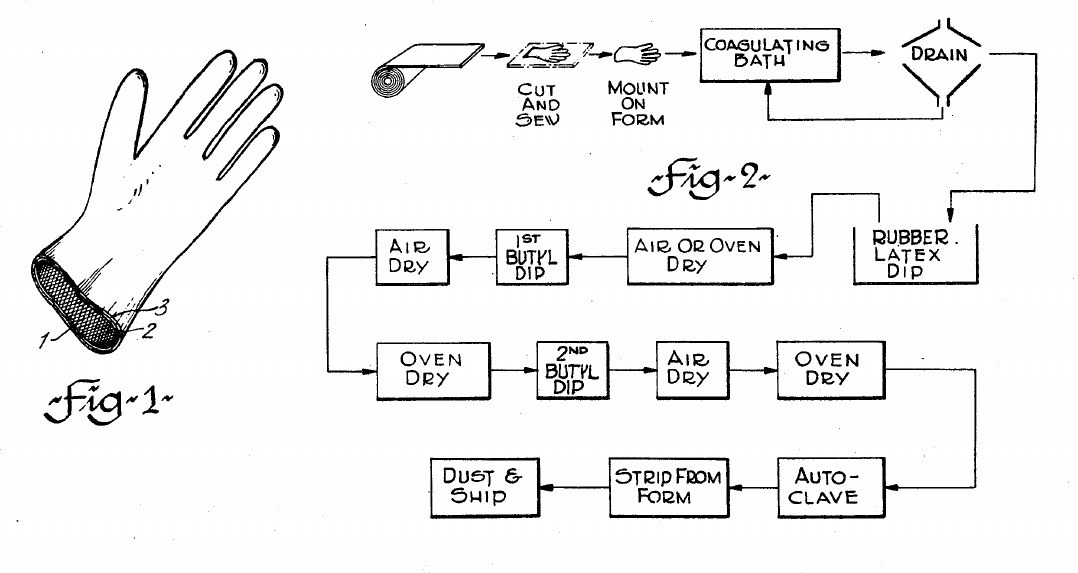


Chemical-Resistant Gloves: Butyl Latex over Natural Rubber on a Cotton Liner (Hart & Collyer, US 4,190,685, 1980)
Dipped rubber gloves built in layers on a knitted cotton liner: one coat of natural rubber, then five coats of butyl rubber, which lets very little liquid or vapour through. Each coat is dipped from latex on a porcelain hand form, and the whole glove is cured under steam and air pressure. Made in Canada to protect soldiers against chemical warfare agents; worn gloves showed no penetration in 24 hours of field use.
Result: flexible, soft chemical-resistant gloves with a comfortable cotton lining.
Source: J. A. Hart and J. C. Collyer, US 4,190,685 (1980), latex method. Unknown: sizes, the pigments. Picture: the patent drawing.
མཐོ་རིམ
Unknown
ལམ་སྟོན
1
1
Sew the cotton liner
Sew the cotton liner
Cut knitted or interlock cotton fabric to a glove shape and sew it into a glove. It stretches both ways, soaks up sweat and makes the glove easy to put on and take off. Not given: sizes, the knit.
གོམ་པ་འདིའི་རྫས་རིགས:
 ཐགཔ་མེན་པའི་གྲུབ་པའི་རས།1 liner
ལག་ཆས་དགོས་མཁོ:
 ཇེམ་ཙི།
 ཚེམ་བུའི་འཕྲུལ་ཆས།
 མ་ཤེས་པའི་ཚད།
2
2
Dip in coagulant
Dip in coagulant
Pull the liner onto a porcelain hand form and flame it to smooth off the surface. Dip it in a 10 % solution of acetic acid in acetone, then turn the form for about 2½ minutes at 24 °C until it is dry. The coagulant sets the latex before it can soak through the cloth.
གོམ་པ་འདིའི་རྫས་རིགས:
 ཨེ་སི་ཊིཀ་སྐྱུར་རྫས། (ཁྱགས་ལྟ་བུ)1 10 % in acetone
 ཨེ་སི་ཊོན།1 solvent
ལག་ཆས་དགོས་མཁོ:
 ལག་ཤུབས་ཀྱི་དཔེ།
 པོ་རོ་པེན་གྱི་མེ་ལྕེ།
3
3
Dip the natural rubber coat
Dip the natural rubber coat
Dip the liner into natural rubber latex (the patent uses LOTOL 1185) and leave it 5 seconds. Draw it out, turn it upside down and let it dry. Scrub the rubber film with an abrasive cleaner, a brush and water, and dry it again.
གོམ་པ་འདིའི་རྫས་རིགས:
 རང་བྱུང་རབ་བར་གྱི་འོ་ཁུ།1 bath
 ཀྲུད་འཕྱིས་ཕྱེ་མ།1 as needed
ལག་ཆས་དགོས་མཁོ:
ལག་ཤུབས་ཀྱི་དཔེ། འཁྲུ་བའི་སྤུ་ཤད།
4
4
Mix the butyl latex bath
Mix the butyl latex bath
Mix, in parts by dry weight: butyl rubber latex 100, sulphur 3, zinc dibutyldithiocarbamate 4, zinc oxide 5, formaldehyde 0.1 as a preservative, a liquid dithiocarbamate curing accelerator 4 (Merac 255 in the patent), and 6.5 of pigments (olive drab in the patent). Not given: the pigments.
གོམ་པ་འདིའི་རྫས་རིགས:
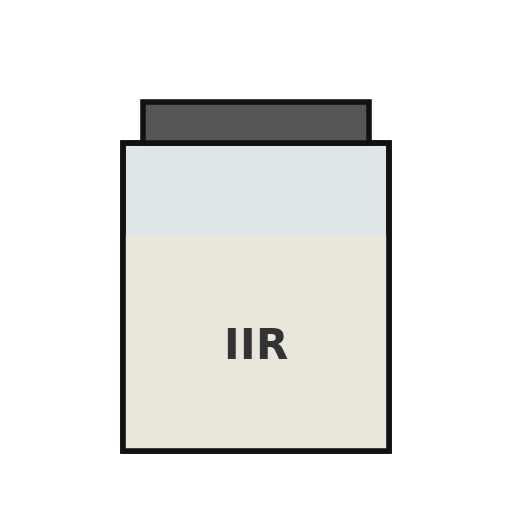 བིའུ་ཊཱའིལ་རབ་བར་ལེ་ཊེགསི།100 parts dry
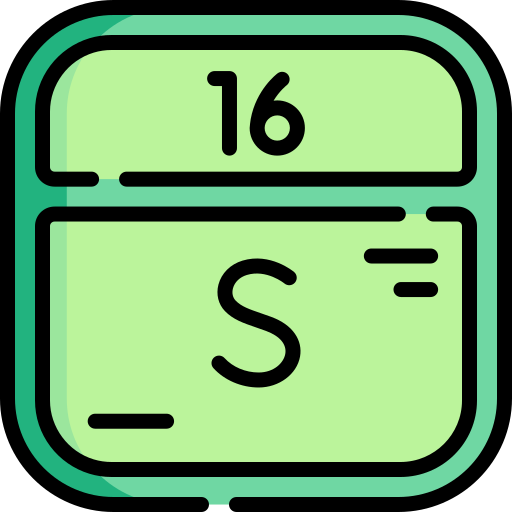 མུག་ཆུ།3 parts
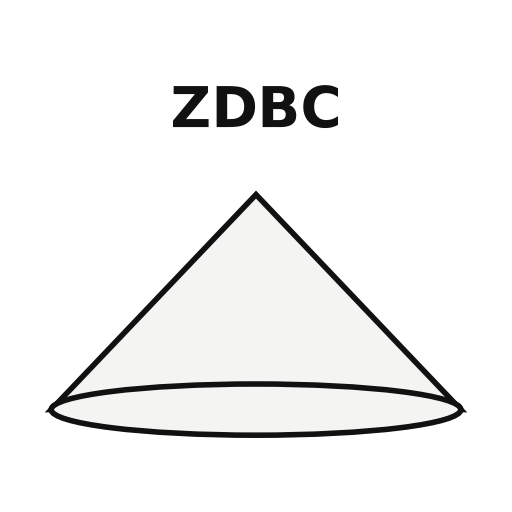 ཙིངཀ་ཌའི་བིའུ་ཊཱའིལ་ཌའི་ཐའོ་ཀར་བ་མེཊ།4 parts
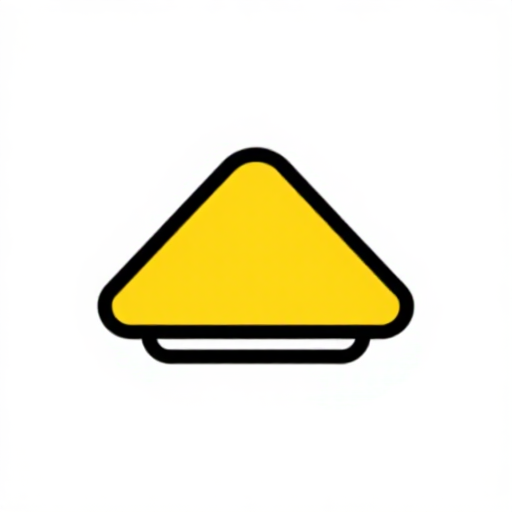 ཟིངཀ་ཨོག་སའིཌ་ཕུད་རྡུལ5 parts
 ཕོར་མལ་ཌི་ཧའིཌ་ཀྱི་ཁུ་བ་ (ཕོར་མ་ལིན་ བརྒྱ་ཆ་ ༣༧)0.1 parts formaldehyde
 ཌའི་ཐའོ་ཀར་བ་མེཊ་མགྱོགས་སྐྱེད་ཆུ་ཚན།4 parts
 ངོ་མ་ཤེས་པའི་རྒྱུ་ཆ།6.5 parts pigment
ལག་ཆས་དགོས་མཁོ:
 དཀྲུག་ཆས་
5
5
Dip five butyl coats
Dip five butyl coats
Dip the glove into the butyl latex and draw it out at 10 cm per minute. At once turn the form at about 8 rpm at 24 °C until the film has gelled, then dry it upside down in an oven at 66 °C for 1 hour. Wash, dip and dry again until there are five butyl coats; do not use the abrasive cleaner on the butyl film.
ལག་ཆས་དགོས་མཁོ:
ལག་ཤུབས་ཀྱི་དཔེ། སྐམ་ནིའི་ཐབ
6
6
Cure and finish
Cure and finish
Dry the glove at 66 °C for 1 hour. Cure it for 3 hours in a pressure vessel with 30 psi steam in the jacket (131 °C) and 26 psi air in the chamber. Strip the gloves from the forms while hot; when cool, trim them and wash them in soapy water.
གོམ་པ་འདིའི་རྫས་རིགས:
 ཡི་ཙི།1 as needed
ལག་ཆས་དགོས་མཁོ:
 ཕྱོགས་ཙི་གུའི་ཨོ་ཊོ་ཀི་ལེབ།ཇེམ་ཙི།
རྫས་རིགས
13- 1 linerས་ཆ་འཛིན
- 1 10 % in acetoneས་ཆ་འཛིན
- 1 solventས་ཆ་འཛིན
- 1 bathས་ཆ་འཛིན
- 1 as neededས་ཆ་འཛིན
- 100 parts dryས་ཆ་འཛིན
- 3 partsས་ཆ་འཛིན
- ས་ཆ་འཛིན
- 5 partsས་ཆ་འཛིན
- 0.1 parts formaldehydeས་ཆ་འཛིན
- ས་ཆ་འཛིན
- 6.5 parts pigmentས་ཆ་འཛིན
- 1 as neededས་ཆ་འཛིན
ལག་ཆས་དགོས་མཁོ
9- ས་ཆ་འཛིན
- ས་ཆ་འཛིན
- ས་ཆ་འཛིན
- ས་ཆ་འཛིན
- ས་ཆ་འཛིན
- ས་ཆ་འཛིན
- ས་ཆ་འཛིན
- ས་ཆ་འཛིན
- ས་ཆ་འཛིན
མཐུད་སྦྲེལ་བིལུ་པིརིན་ཊི་རྫས་རིགས

འབུལ་ལམ 10%
กรีดยางพารา — การเก็บน้ำยางธรรมชาติจากต้นยางพารา
SomchaiSang གྱིས
ཞིང་ལས
༥༢
༠
༠
༠
༡
༠

ཉེན་ཁ་ཅན།
འབུལ་ལམ 10%
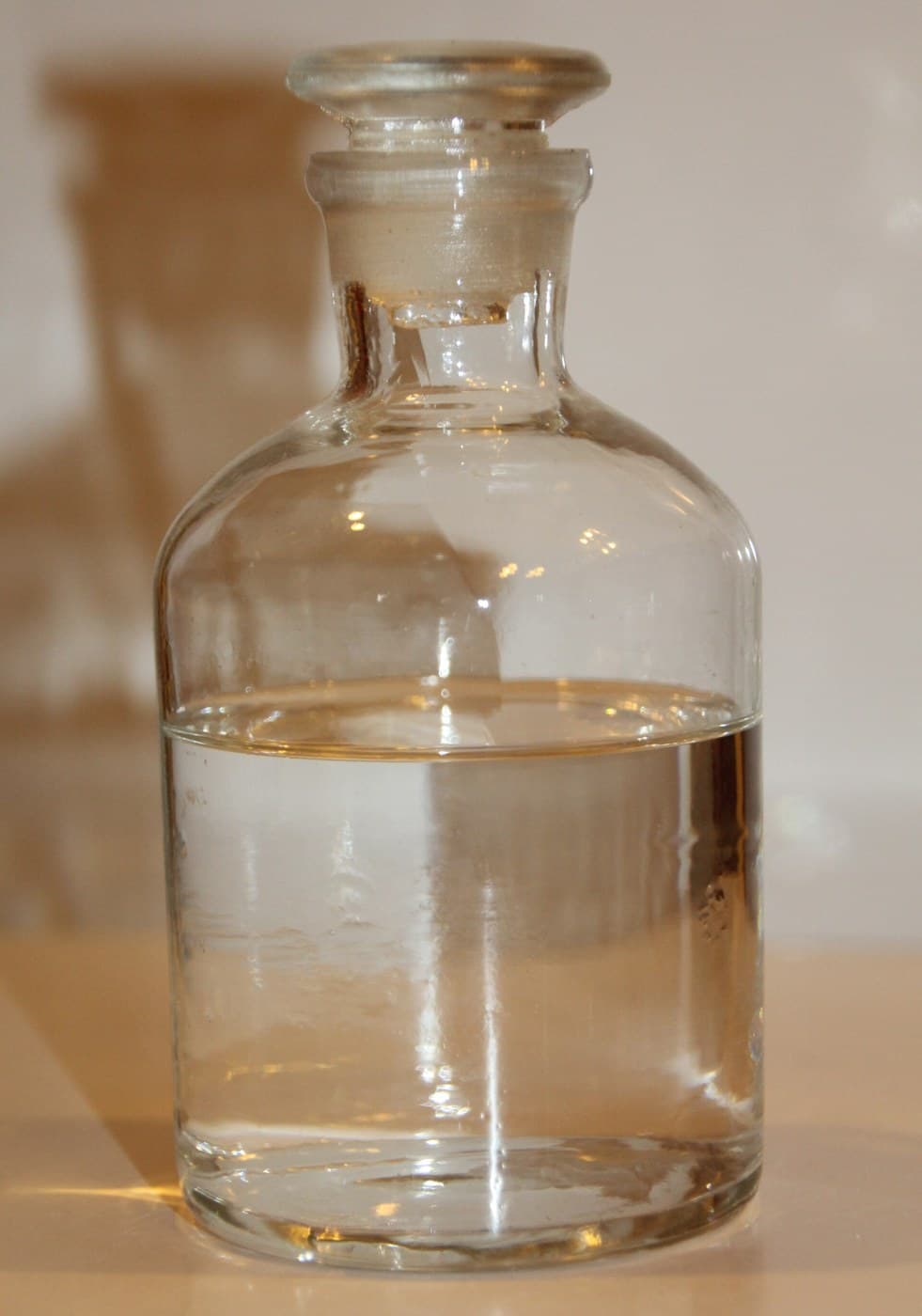
Glacial Acetic Acid from Wood Vinegar: Acetate of Soda, Oil of Vitriol and Freezing
Charlie གྱིས
བཟོ་གྲྭ
༡༩
༠
༠
༠
༡
༠
འབུལ་ལམ 10%
Acetone by Dry Distillation of Acetate of Lime
Charlie གྱིས
རྫས་རིག
༢༩
༠
༠
༠
༡
༠
འབུལ་ལམ 10%
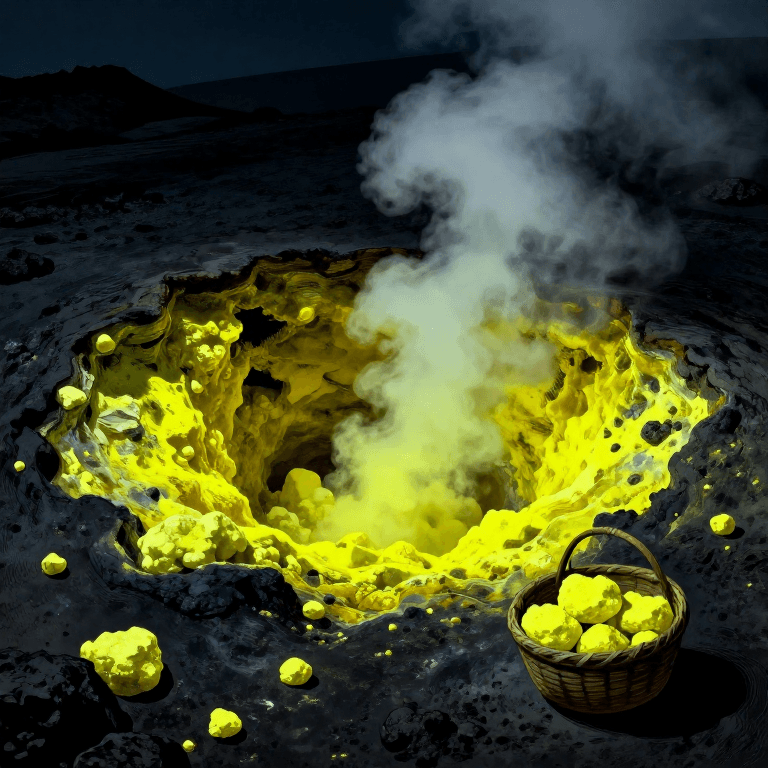
Collecting Native Sulfur from Volcanic Deposits
Peter གྱིས
བྱང་ཐང
༩༣
༠
༠
༠
༦
༠
འབུལ་ལམ 10%
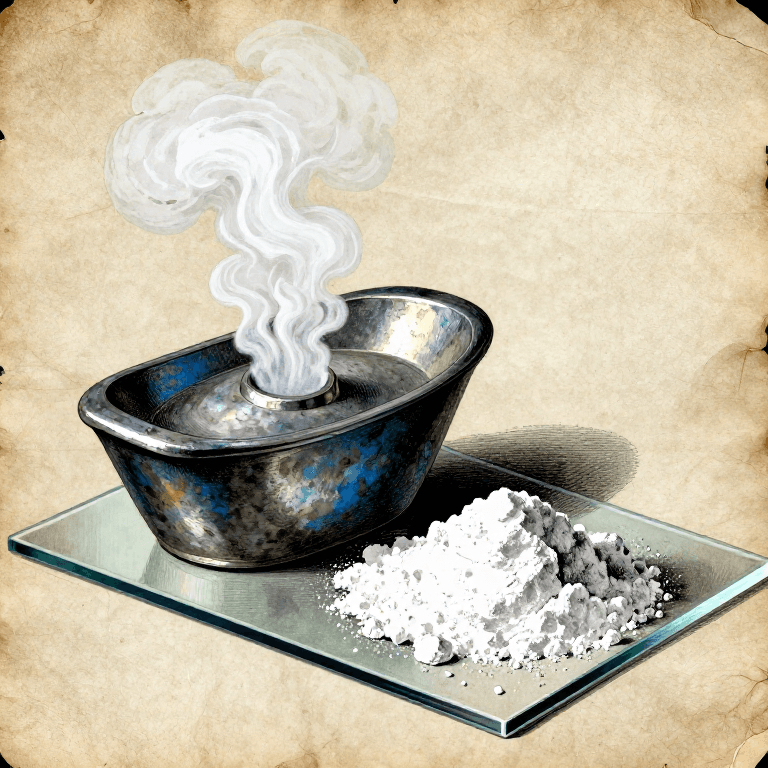
Making Zinc White Pigment — The Non-Toxic Replacement for Lead White
Charlie གྱིས
སྒྱུ་རྩལ
༦༧
༠
༠
༠
༦
༠
བིལུ་པིརིན་ཊི་འདི་གིས་བཟོ་མི

CC0 སྤྱི་དབང
བིལུ་པིརིན་ཊི་འདི་CC0 འོག་བཀྲམས་ཡོད། ཁྱེད་རང་གིས་ཆོག་མཆན་མ་བཞེས་པར་ཕབ་ལེན་དང་བཟོ་བཅོས། བགོ་བཤའ། དགོས་མཁོ་གང་ལའང་བཀོལ་སྤྱོད་བྱས་ཆོག
བཟོ་མཁན་ལ་རྒྱབ་སྐྱོར་བྱེད་པའི་ཆེད་ཁོང་ཚོའི་བིལུ་པིརིན་ཊི་བརྒྱུད་ཐོན་སྐྱེད་ཉོ། བཟོ་མཁན་གྱིས བཟོ་མཁན་གྱི་ཁེ་ཕོགས ཚོང་པས་གཏན་འཁེལ་བྱས་པ། ཡང་ན་བིལུ་པིརིན་ཊི་འདིའི་པར་གསར་བཟོས་ཏེ་ཁྱེད་རང་གི་བིལུ་པིརིན་ཊི་ནང་མཐུད་སྦྲེལ་བྱས་ཏེ་ཡོང་སྒོ་བགོ་བཤའ་བྱེད།