སྒྱུ་རྩལ
མཛེས་སྡུག་དང་བདེ་ཐང
བཟོ་རིག
རིག་གནས་དང་ལོ་རྒྱུས
དགའ་སྟོན
ཁོར་ཡུག
ཟས་དང་བཏུང་རྫས
ཕྱིར་འཕྲུལ་རིག
ཚན་རིག
རྩེད་འགྲན
རིག་རྩལ
གྱོན་རུང
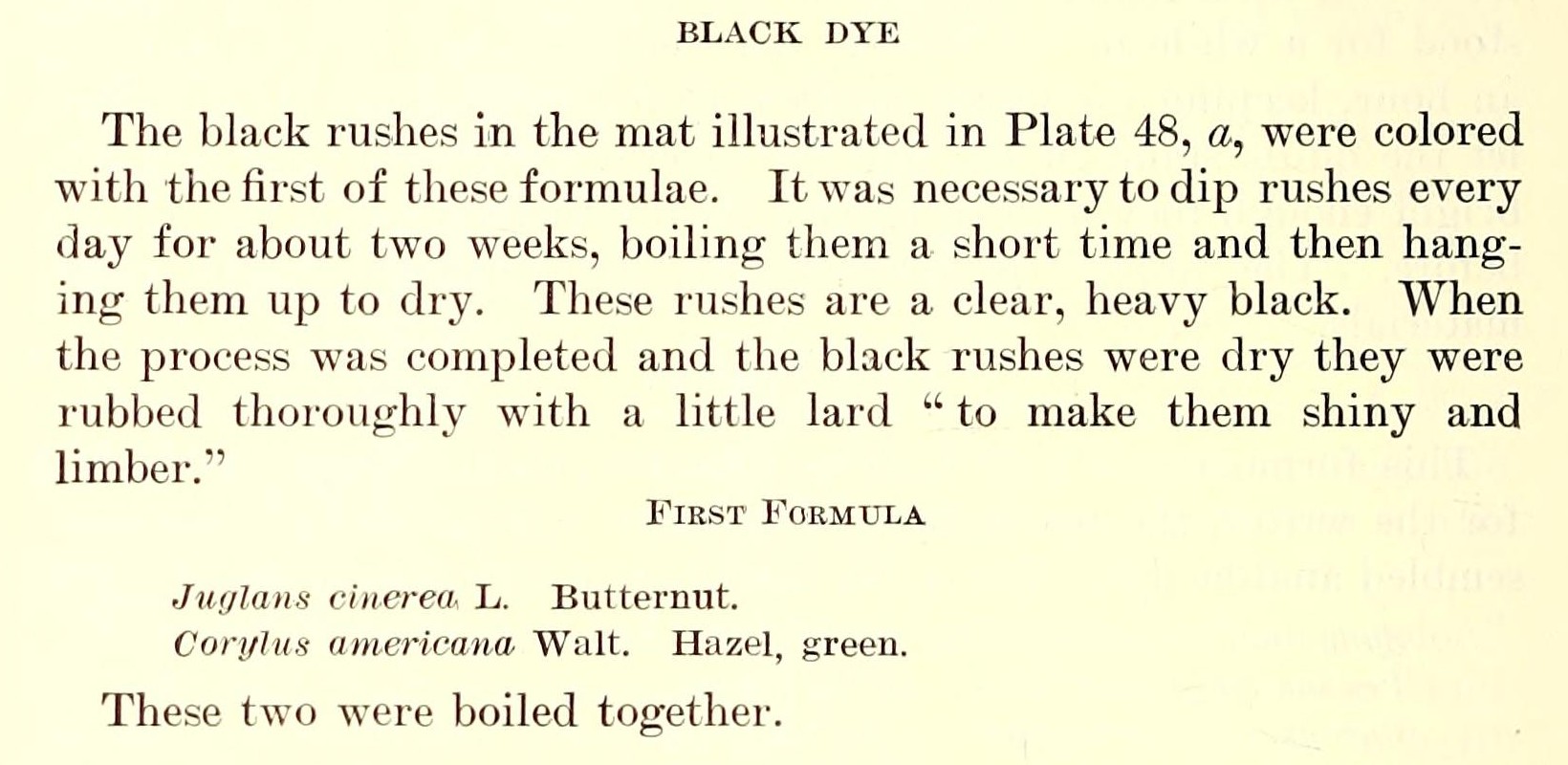


Chippewa Black Dyes: Butternut, Green Hazel Burs and Oak Bark with Black Spring Earth or Grindstone Dust (Densmore, 1928)
The seven Chippewa (Ojibwe) black dyes Frances Densmore recorded: tannin-rich butternut, oak, alder and dogwood bark and green hazel burs, boiled and darkened with iron, from black earth out of springs or the dust of a grindstone. The chemist she consulted put it simply: iron on tannin makes an ink.
འགོ་བཙུགས
A day, or two weeks for rushes
ལམ་སྟོན
1
1
Read Densmore
Read Densmore
Black earth from springs "is full of compounds of iron with organic acids": the iron acts on the tannin and makes an ink. Grindstone dust, silt with iron in it, does the same work.
2
2
Formula 1: butternut and green hazel
Formula 1: butternut and green hazel
Boil butternut bark and green hazel burs together (amounts not given). This made the clear, heavy black rushes of a mat she illustrates.
གོམ་པ་འདིའི་རྫས་རིགས:
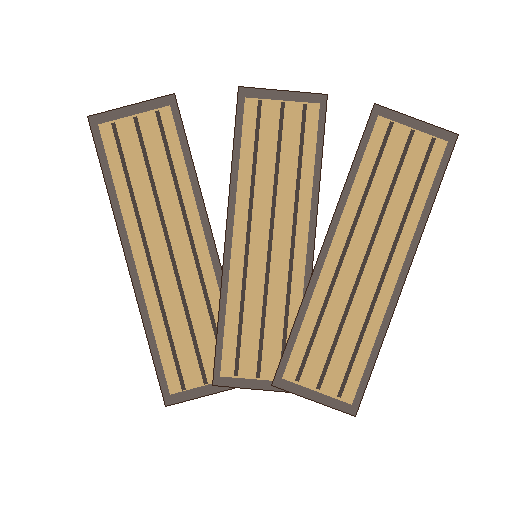 Butternut Bark1 དུམ་བུ།
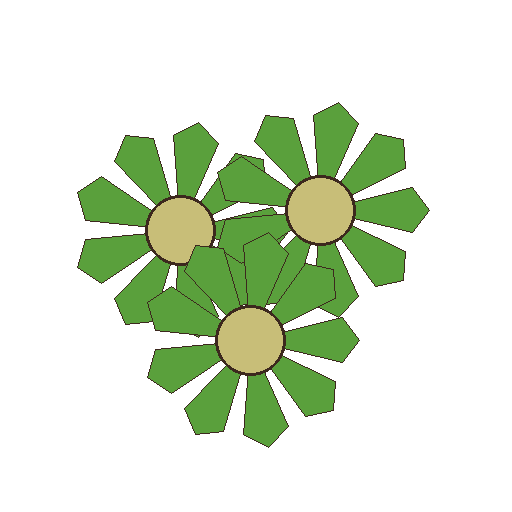 Green Hazel Burs1 དུམ་བུ།
 ཆུ།1 དུམ་བུ།
ལག་ཆས་དགོས་མཁོ:
 རྡུང་རྡོ།
 མེའི་དོང་།
 ཚོས་གཞི་བཙུགས་ནིའི་ཧོད་ཆེན
3
3
Formula 2: boiled down with black earth
Formula 2: boiled down with black earth
Boil bur oak bark with butternut inner bark and a little butternut root. After a while put in the black earth, later the ochre. The more it is boiled down, the blacker. Keep it in the kettle and heat it to use.
གོམ་པ་འདིའི་རྫས་རིགས:
 སྐམས་པའི་ཨོག་ཤིང་གི་ཤུན་པ།1 དུམ་བུ།Butternut Bark1 དུམ་བུ།
 ཚོས་གཞིའི་འདམ1 དུམ་བུ།
 ས་ཚོན་སེར་པོ།1 དུམ་བུ།ཆུ།1 དུམ་བུ།
ལག་ཆས་དགོས་མཁོ:
མེའི་དོང་།ཚོས་གཞི་བཙུགས་ནིའི་ཧོད་ཆེན4
4
Formulae 3 to 6
Formulae 3 to 6
(3) Alder, red-osier dogwood and oak bark with either grindstone dust or black earth. (4) Boil bur oak inner bark and green hazel burs, add butternut and black earth later, and let it stand a long time before use. (5) Butternut with grindstone dust. (6) Black earth with grindstone dust.
གོམ་པ་འདིའི་རྫས་རིགས:
 ཨལ་ཌར་ཤིང་གི་ཤུན་པ། (སྐམ།)1 དུམ་བུ།
 Red-osier Dogwood Bark1 དུམ་བུ།སྐམས་པའི་ཨོག་ཤིང་གི་ཤུན་པ།1 དུམ་བུ།Green Hazel Burs1 དུམ་བུ།Butternut Bark1 དུམ་བུ།ཚོས་གཞིའི་འདམ1 དུམ་བུ།
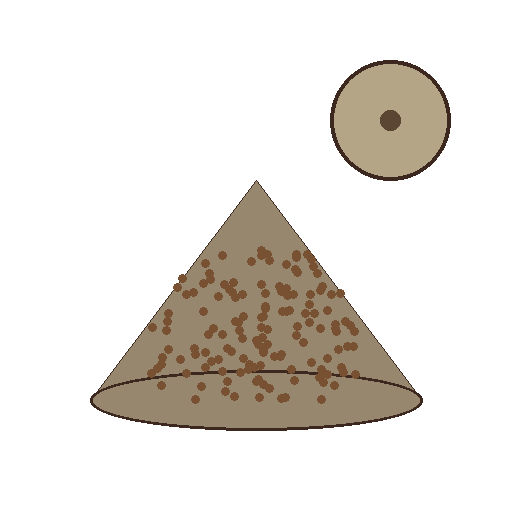 Grindstone Dust1 དུམ་བུ།ཆུ།1 དུམ་བུ།
ལག་ཆས་དགོས་མཁོ:
རྡུང་རྡོ།མེའི་དོང་།ཚོས་གཞི་བཙུགས་ནིའི་ཧོད་ཆེན5
5
Formula 7 on wool
Formula 7 on wool
Inner bark of oak, green hazel burs, grindstone dust and a little ochre dust in hot water: this one was used on white blanket for her. Boil the wool in it. Hers came out not a heavy black, said to be from too little dye, so make plenty (ours: dye again as for the rushes). Rinse and dry (ours).
གོམ་པ་འདིའི་རྫས་རིགས:
སྐམས་པའི་ཨོག་ཤིང་གི་ཤུན་པ།1 དུམ་བུ།Green Hazel Burs1 དུམ་བུ།Grindstone Dust1 དུམ་བུ།ས་ཚོན་སེར་པོ།1 དུམ་བུ།ཆུ།1 དུམ་བུ། ཚོས་གཞི་མ་བཏང་བའི་བལ་སྐུད1 དུམ་བུ།
ལག་ཆས་དགོས་མཁོ:
རྡུང་རྡོ།མེའི་དོང་།ཚོས་གཞི་བཙུགས་ནིའི་ཧོད་ཆེན6
6
Rushes, her way
Rushes, her way
For mat rushes she gives this: dip them every day for about two weeks, boil them a short time and hang them up to dry each time. When dry, rub them well with a little lard "to make them shiny and limber". At a spring in Ontario women simply buried their rushes in the black earth for a few days.
གོམ་པ་འདིའི་རྫས་རིགས:
 སྐམས་པའི་འདམ་སྨྱུག་སྡོང་པོ།1 དུམ་བུ།
 Lard1 དུམ་བུ།
ལག་ཆས་དགོས་མཁོ:
ཚོས་གཞི་བཙུགས་ནིའི་ཧོད་ཆེནམེའི་དོང་།7
7
Troubleshooting
Troubleshooting
Black dye troubleshooting.
Flow
Loading...
8
8
History and honest limits
History and honest limits
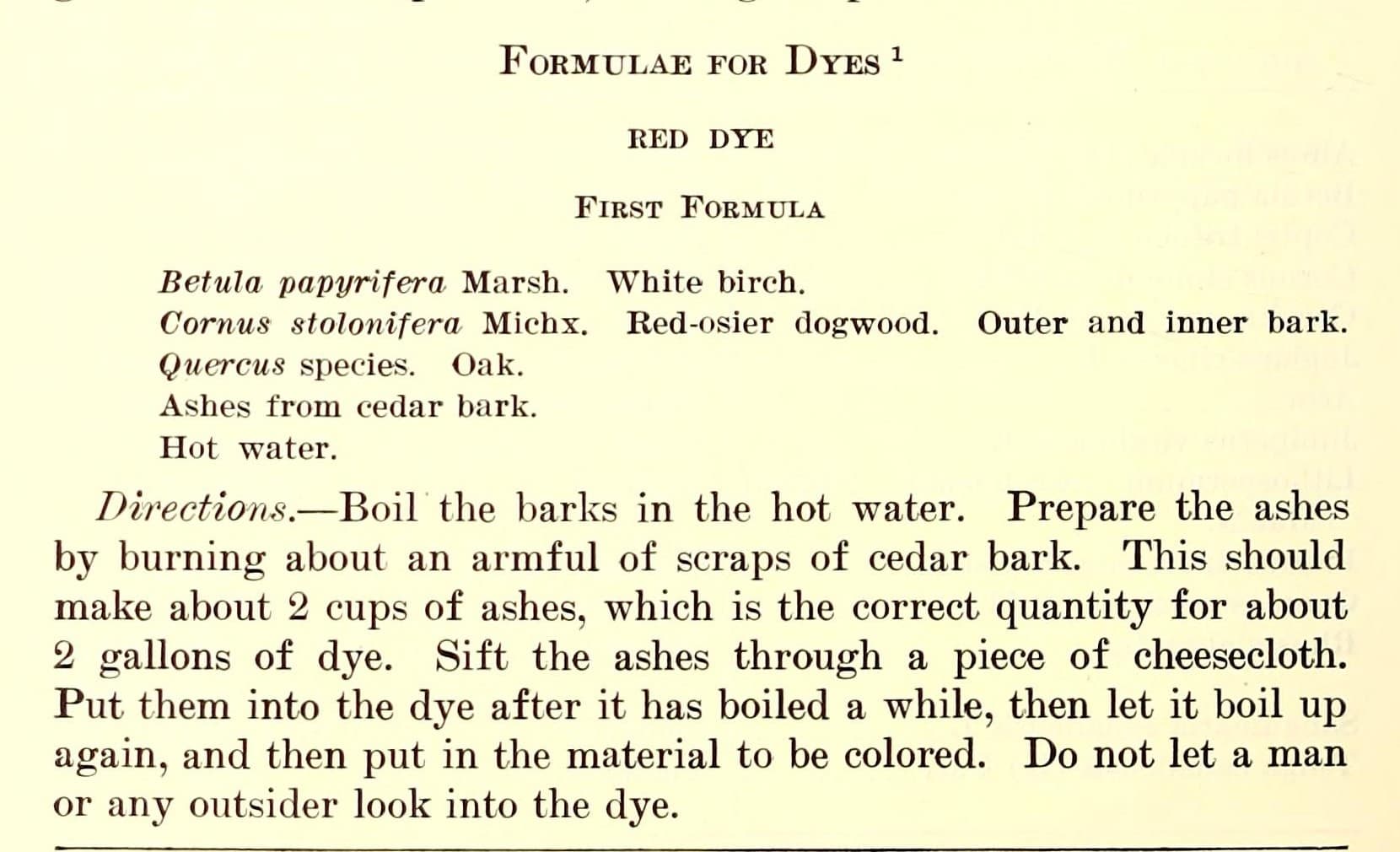
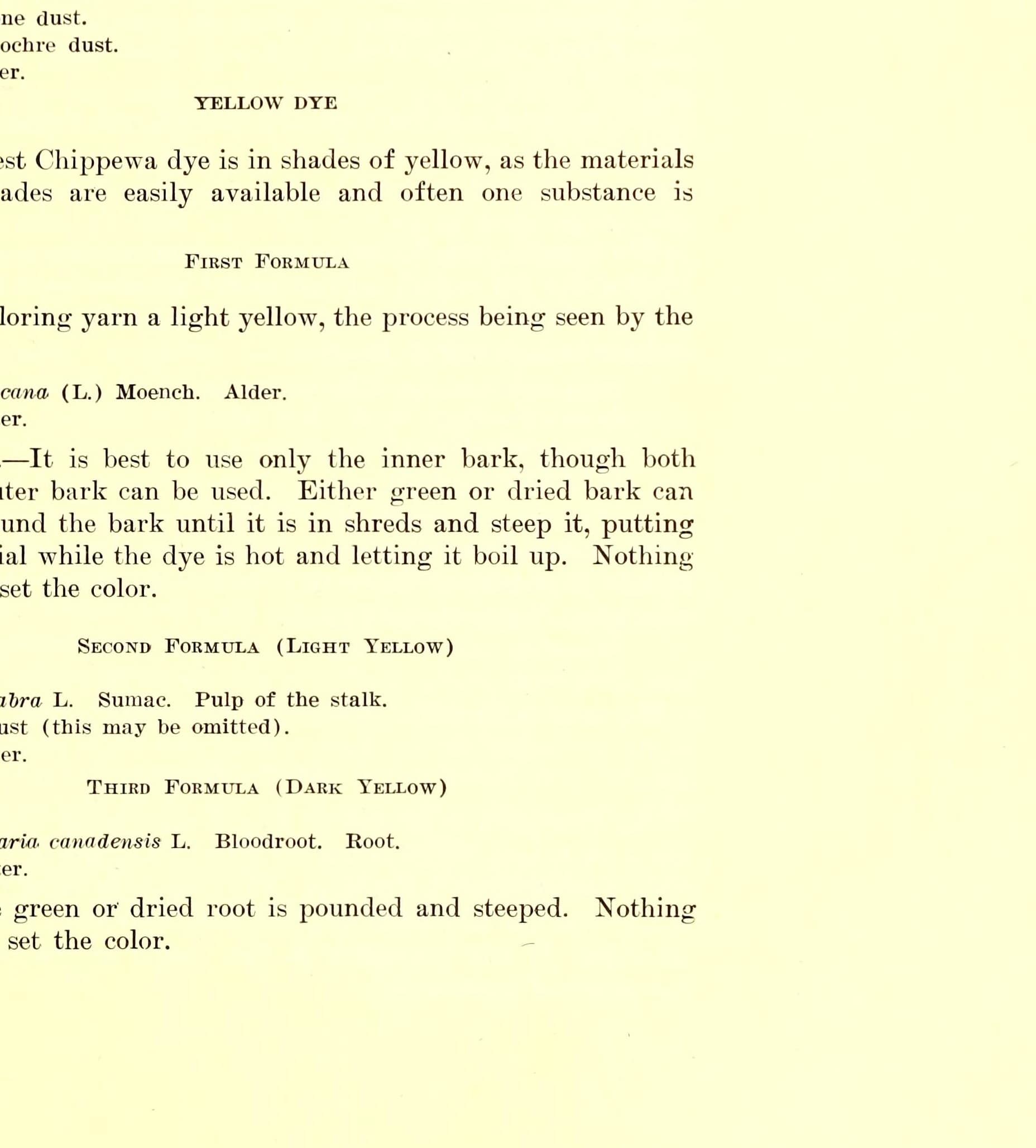
From Frances Densmore, *Uses of Plants by the Chippewa Indians*, **44th Annual Report of the Bureau of American Ethnology** (1928), pp. 370, 372-373 (checked on the archive.org scan usesofplantsbych00dens). She gives no amounts for any black formula; using yarn throughout, metric figures and rinsing are ours.
རྫས་རིགས
12- 3 དུམ་བུ།ས་ཆ་འཛིན
- 1 དུམ་བུ།ས་ཆ་འཛིན
- 4 དུམ་བུ།ས་ཆ་འཛིན
- 1 དུམ་བུ།ས་ཆ་འཛིན
- 2 དུམ་བུ།ས་ཆ་འཛིན
- 1 དུམ་བུ།ས་ཆ་འཛིན
- 1 དུམ་བུ།ས་ཆ་འཛིན
- 1 དུམ་བུ།ས་ཆ་འཛིན
- 1 དུམ་བུ།ས་ཆ་འཛིན
- 1 དུམ་བུ།ས་ཆ་འཛིན
- 1 དུམ་བུ།ས་ཆ་འཛིན
- 1 དུམ་བུ།ས་ཆ་འཛིན
བིལུ་པིརིན་ཊི་འདི་གིས་བཟོ་མི

འབྲེལ་ཡོད་བིལུ་པིརིན་ཊི
བིལུ་པིརིན་ཊི་འདི་ཚུ་ཐབས་ལམ་དང་རྫས་རིགས། སྤྱི་ཆོས་བགོ་བཤའ་བྱེད
CC0 སྤྱི་དབང
བིལུ་པིརིན་ཊི་འདི་CC0 འོག་བཀྲམས་ཡོད། ཁྱེད་རང་གིས་ཆོག་མཆན་མ་བཞེས་པར་ཕབ་ལེན་དང་བཟོ་བཅོས། བགོ་བཤའ། དགོས་མཁོ་གང་ལའང་བཀོལ་སྤྱོད་བྱས་ཆོག
བཟོ་མཁན་ལ་རྒྱབ་སྐྱོར་བྱེད་པའི་ཆེད་ཁོང་ཚོའི་བིལུ་པིརིན་ཊི་བརྒྱུད་ཐོན་སྐྱེད་ཉོ། བཟོ་མཁན་གྱིས བཟོ་མཁན་གྱི་ཁེ་ཕོགས ཚོང་པས་གཏན་འཁེལ་བྱས་པ། ཡང་ན་བིལུ་པིརིན་ཊི་འདིའི་པར་གསར་བཟོས་ཏེ་ཁྱེད་རང་གི་བིལུ་པིརིན་ཊི་ནང་མཐུད་སྦྲེལ་བྱས་ཏེ་ཡོང་སྒོ་བགོ་བཤའ་བྱེད།