སྒྱུ་རྩལ
མཛེས་སྡུག་དང་བདེ་ཐང
བཟོ་རིག
རིག་གནས་དང་ལོ་རྒྱུས
དགའ་སྟོན
ཁོར་ཡུག
ཟས་དང་བཏུང་རྫས
ཕྱིར་འཕྲུལ་རིག
ཚན་རིག
རྩེད་འགྲན
རིག་རྩལ
གྱོན་རུང
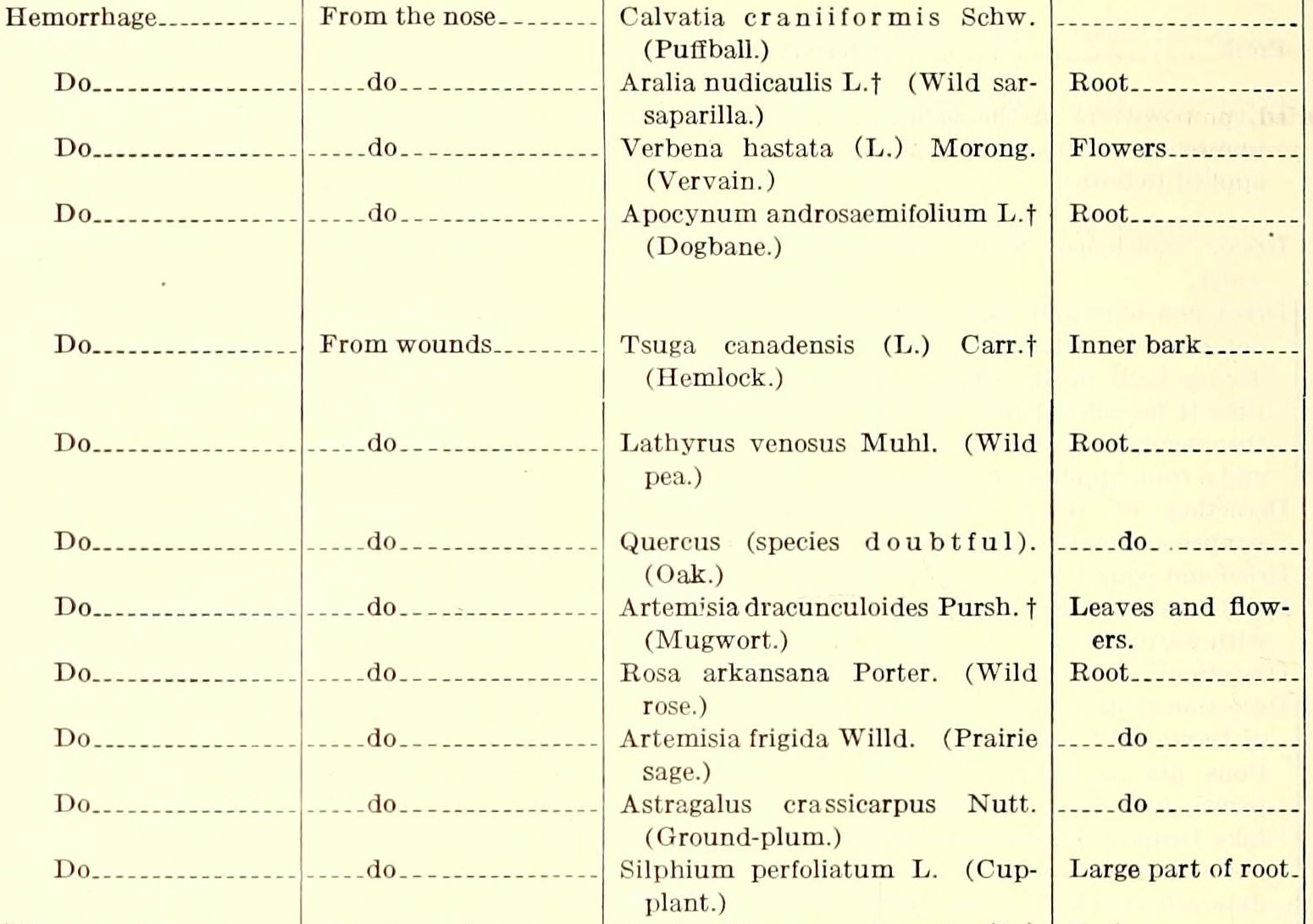


Chippewa Remedies to Stop Bleeding from the Nose and from Wounds: Puffball, Sarsaparilla, Vervain, Hemlock Bark, Wild Pea, Oak, Mugwort, Cup Plant (Densmore, 1928)
Chippewa (Ojibwe) remedies for bleeding recorded by Frances Densmore: the soft inside of a puffball or chewed sarsaparilla root in the nostril, snuffed vervain flowers, dry hemlock bark powder on a wound, wild pea root poultice, chewed oak root after letting a fresh wound bleed a little, chewed mugwort, a four-root decoction with Seneca snakeroot, and a cup plant compress. Recorded use, not medical advice.
འགོ་བཙུགས
Fifteen minutes, plus drying
ལམ་སྟོན
1
1
Read Densmore
Read Densmore
Rows under Hemorrhage, "From the nose" and "From wounds". Recorded use, not medical advice.
2
2
Nosebleed
Nosebleed
"Use soft inner part [of a puffball] to plug the nostril, or apply it externally." Or insert dried, powdered wild sarsaparilla root, or fresh root chewed. Or snuff dried vervain flowers.
གོམ་པ་འདིའི་རྫས་རིགས:
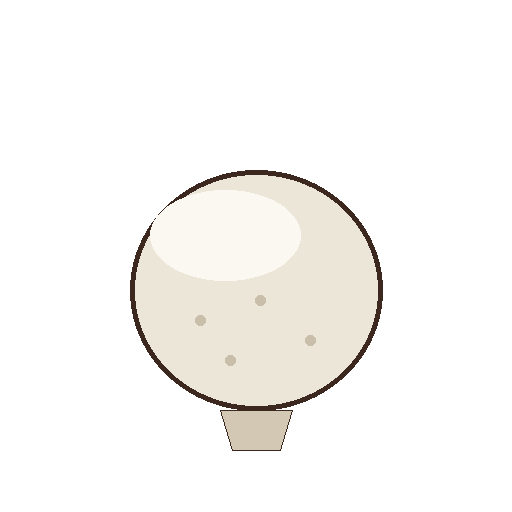 Puffball1 དུམ་བུ།
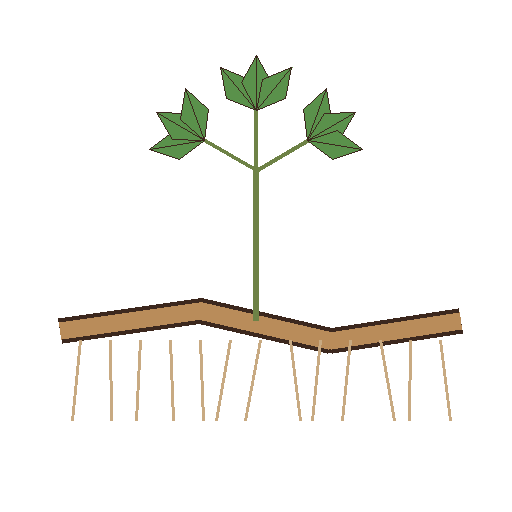 Wild Sarsaparilla Root1 དུམ་བུ།
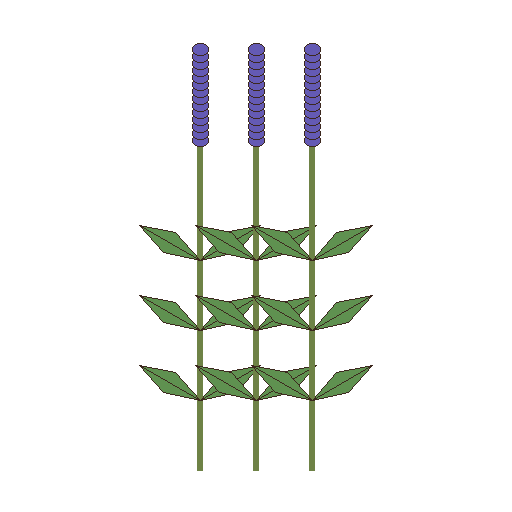 Vervain Flowers1 དུམ་བུ།
ལག་ཆས་དགོས་མཁོ:
 བརྐོ་ཤིང།
 གྲི།
 སྐམ་སའི་སྟེགས་བུ།
 རྡོའི་གཏུན་ཁུང་དང་གཏུན་ཤིང་།
3
3
Hemlock bark powder
Hemlock bark powder
"Pulverized and applied dry" on the wound. It was also used in many combinations.
གོམ་པ་འདིའི་རྫས་རིགས:
 Hemlock Inner Bark1 དུམ་བུ།
ལག་ཆས་དགོས་མཁོ:
 སྟ་རེ་ཆུང་བ།གྲི།སྐམ་སའི་སྟེགས་བུ།རྡོའི་གཏུན་ཁུང་དང་གཏུན་ཤིང་།
4
4
Wild pea and oak root
Wild pea and oak root
Boil wild pea root and use it as a poultice; a decoction was also drunk, said to act as an emetic "if blood from a wound had accumulated inside patient." Oak root: fresh root chewed, or a poultice of dried root. "For a fresh wound, let it bleed a little before applying poultice."
གོམ་པ་འདིའི་རྫས་རིགས:
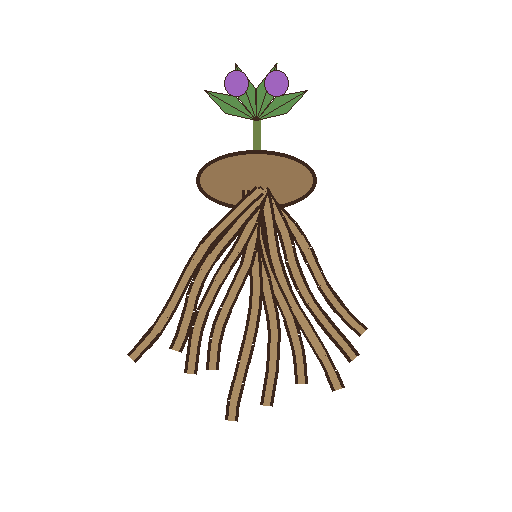 Wild Pea Root1 དུམ་བུ།
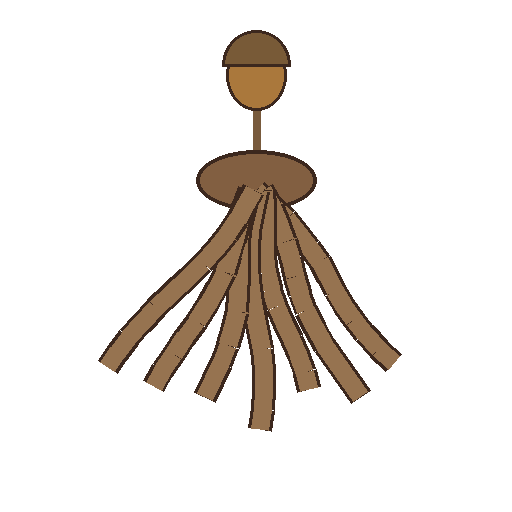 Oak Root1 དུམ་བུ།
 ཆུ།1 དུམ་བུ།
 རས་བལ་གྱི་གཱོསི།1 དུམ་བུ།
ལག་ཆས་དགོས་མཁོ:
བརྐོ་ཤིང།སྟ་རེ་ཆུང་བ། ས་སྣོད།
 མེའི་དོང་།སྐམ་སའི་སྟེགས་བུ།རྡོའི་གཏུན་ཁུང་དང་གཏུན་ཤིང་།
5
5
Mugwort and the four roots
Mugwort and the four roots
Chew mugwort leaves and flowers, fresh or dried, and use as a poultice. Or boil wild rose, prairie sage and ground-plum roots with Seneca snakeroot and use the decoction on the wound.
གོམ་པ་འདིའི་རྫས་རིགས:
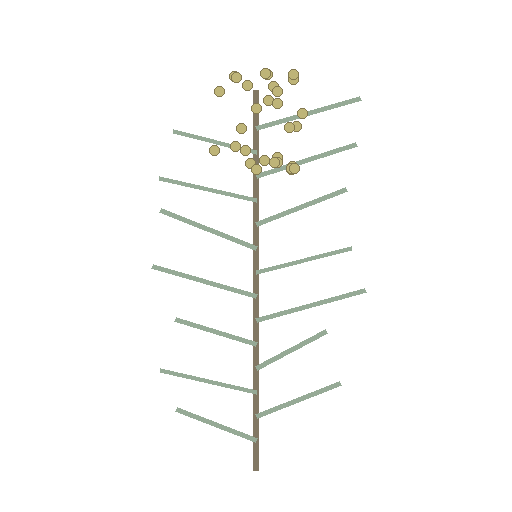 Mugwort Leaves and Tops1 དུམ་བུ།
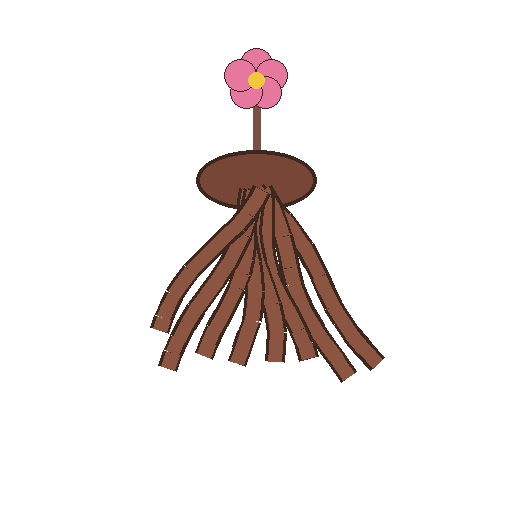 Wild Rose Root1 དུམ་བུ།
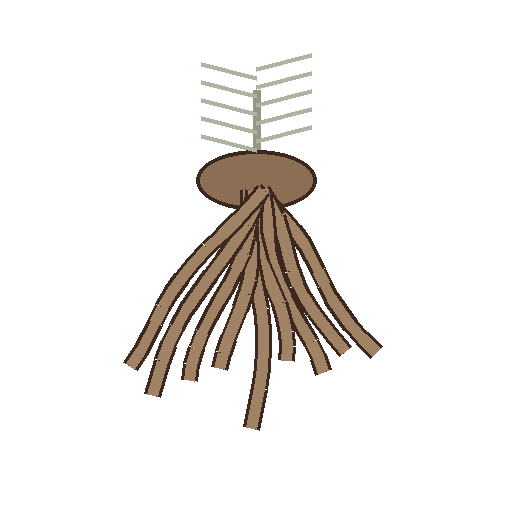 Prairie Sage Root1 དུམ་བུ།
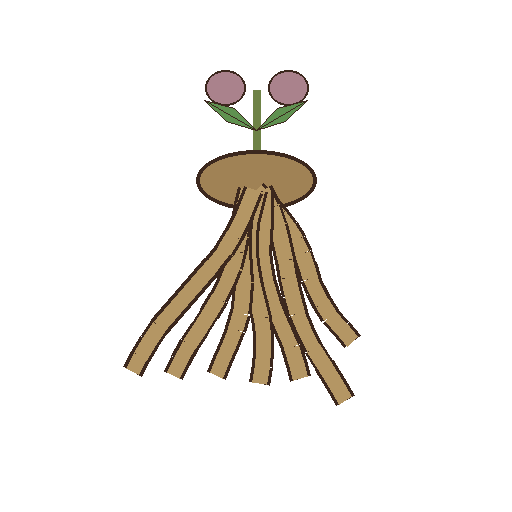 Ground-Plum Root1 དུམ་བུ།
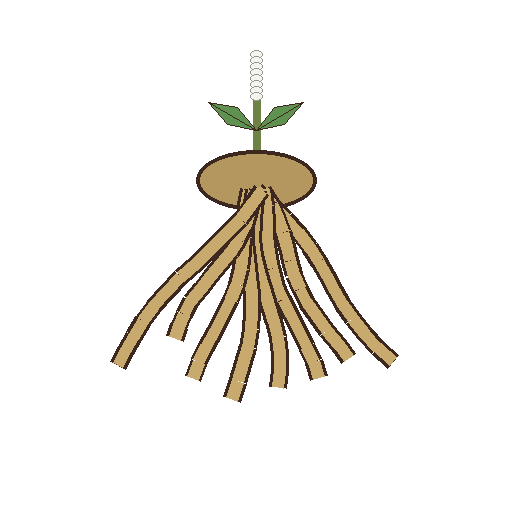 Seneca Snakeroot1 དུམ་བུ།ཆུ།1 དུམ་བུ།
ལག་ཆས་དགོས་མཁོ:
བརྐོ་ཤིང།ས་སྣོད།མེའི་དོང་། ཆུར་བའི་རས།
6
6
Cup plant compress
Cup plant compress
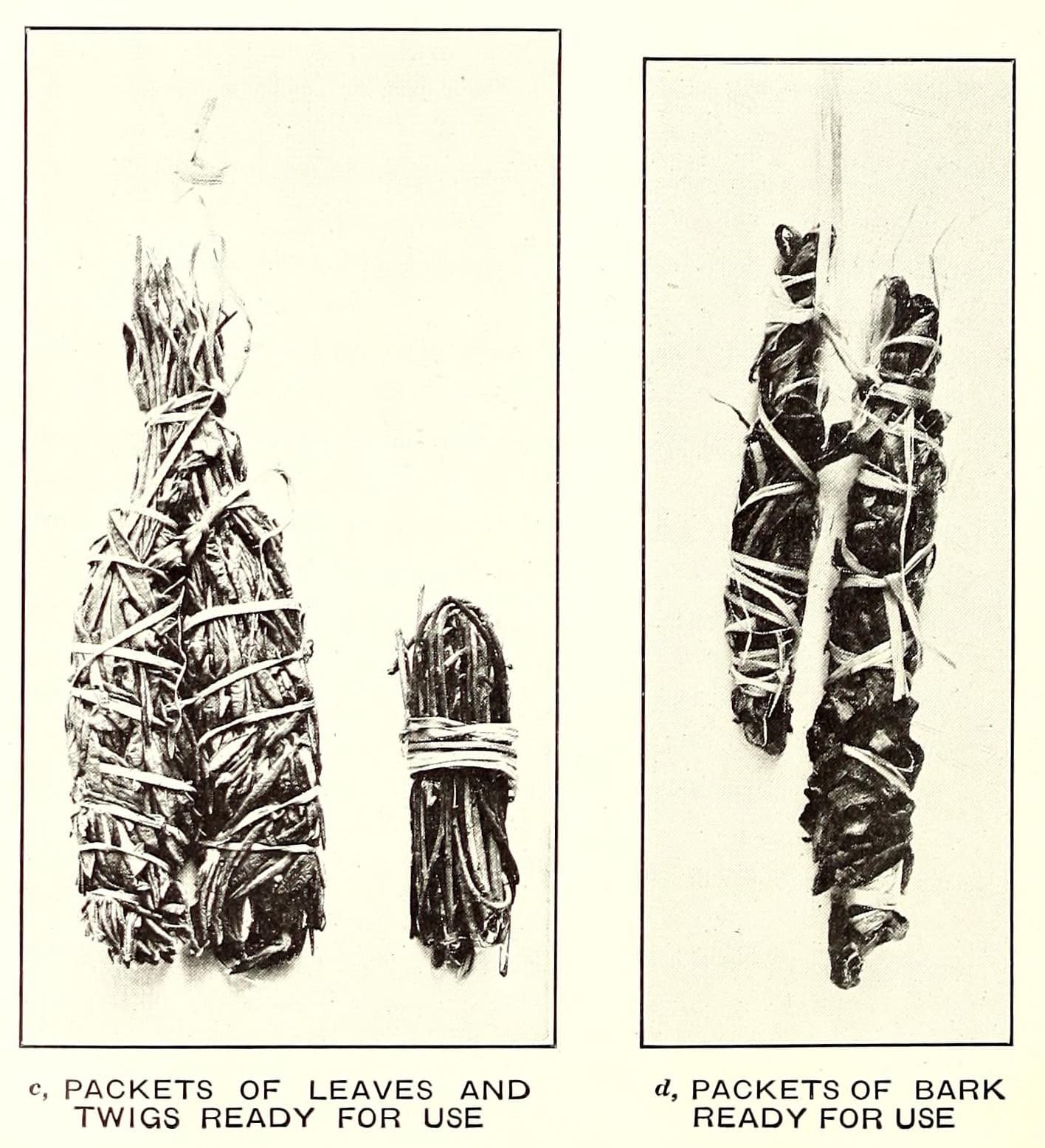
Dry a large part of the root; cut up and pound it; use as a moist compress.
གོམ་པ་འདིའི་རྫས་རིགས:
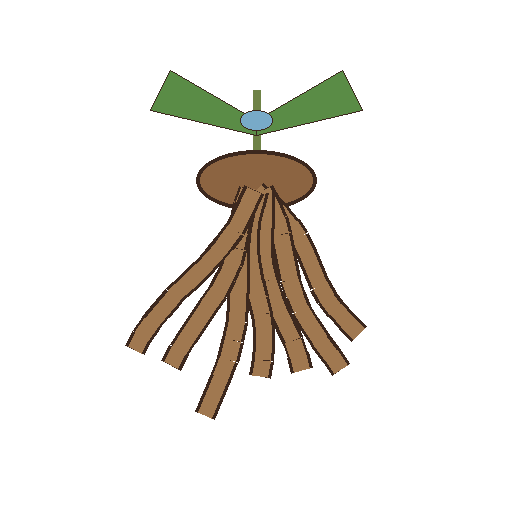 Cup Plant Root1 དུམ་བུ།ཆུ།1 དུམ་བུ།རས་བལ་གྱི་གཱོསི།1 དུམ་བུ།
ལག་ཆས་དགོས་མཁོ:
བརྐོ་ཤིང།གྲི།སྐམ་སའི་སྟེགས་བུ། རྡུང་རྡོ།
7
7
Troubleshooting
Troubleshooting
Bleeding safety.
Flow
Loading...
8
8
History and honest limits
History and honest limits
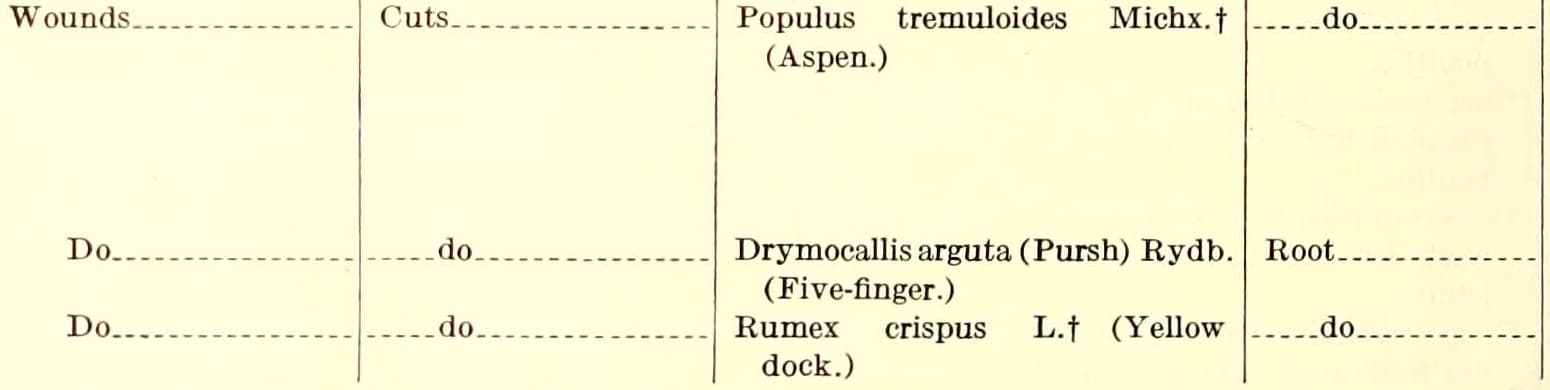
From Frances Densmore, *Uses of Plants by the Chippewa Indians*, **44th Annual Report of the Bureau of American Ethnology** (1928), pp. 356-357 (checked on the archive.org scan usesofplantsbych00dens). Chippewa remedies were mostly Midewiwin knowledge, shared so a record would survive. Left out: a dogbane root plug for the nose (poisonous plant). Safety lines are ours. Recorded use, not medical advice.
རྫས་རིགས
14- 1 དུམ་བུ།ས་ཆ་འཛིན
- 1 དུམ་བུ།ས་ཆ་འཛིན
- 1 དུམ་བུ།ས་ཆ་འཛིན
- 1 དུམ་བུ།ས་ཆ་འཛིན
- 1 དུམ་བུ།ས་ཆ་འཛིན
- 1 དུམ་བུ།ས་ཆ་འཛིན
- 3 དུམ་བུ།ས་ཆ་འཛིན
- 2 དུམ་བུ།ས་ཆ་འཛིན
- 1 དུམ་བུ།ས་ཆ་འཛིན
- 1 དུམ་བུ།ས་ཆ་འཛིན
- 1 དུམ་བུ།ས་ཆ་འཛིན
- 1 དུམ་བུ།ས་ཆ་འཛིན
- 1 དུམ་བུ།ས་ཆ་འཛིན
- 1 དུམ་བུ།ས་ཆ་འཛིན
བིལུ་པིརིན་ཊི་འདི་གིས་བཟོ་མི
འབྲེལ་ཡོད་བིལུ་པིརིན་ཊི
བིལུ་པིརིན་ཊི་འདི་ཚུ་ཐབས་ལམ་དང་རྫས་རིགས། སྤྱི་ཆོས་བགོ་བཤའ་བྱེད
CC0 སྤྱི་དབང
བིལུ་པིརིན་ཊི་འདི་CC0 འོག་བཀྲམས་ཡོད། ཁྱེད་རང་གིས་ཆོག་མཆན་མ་བཞེས་པར་ཕབ་ལེན་དང་བཟོ་བཅོས། བགོ་བཤའ། དགོས་མཁོ་གང་ལའང་བཀོལ་སྤྱོད་བྱས་ཆོག
བཟོ་མཁན་ལ་རྒྱབ་སྐྱོར་བྱེད་པའི་ཆེད་ཁོང་ཚོའི་བིལུ་པིརིན་ཊི་བརྒྱུད་ཐོན་སྐྱེད་ཉོ། བཟོ་མཁན་གྱིས བཟོ་མཁན་གྱི་ཁེ་ཕོགས ཚོང་པས་གཏན་འཁེལ་བྱས་པ། ཡང་ན་བིལུ་པིརིན་ཊི་འདིའི་པར་གསར་བཟོས་ཏེ་ཁྱེད་རང་གི་བིལུ་པིརིན་ཊི་ནང་མཐུད་སྦྲེལ་བྱས་ཏེ་ཡོང་སྒོ་བགོ་བཤའ་བྱེད།