སྒྱུ་རྩལ
མཛེས་སྡུག་དང་བདེ་ཐང
བཟོ་རིག
རིག་གནས་དང་ལོ་རྒྱུས
དགའ་སྟོན
ཁོར་ཡུག
ཟས་དང་བཏུང་རྫས
ཕྱིར་འཕྲུལ་རིག
ཚན་རིག
རྩེད་འགྲན
རིག་རྩལ
གྱོན་རུང
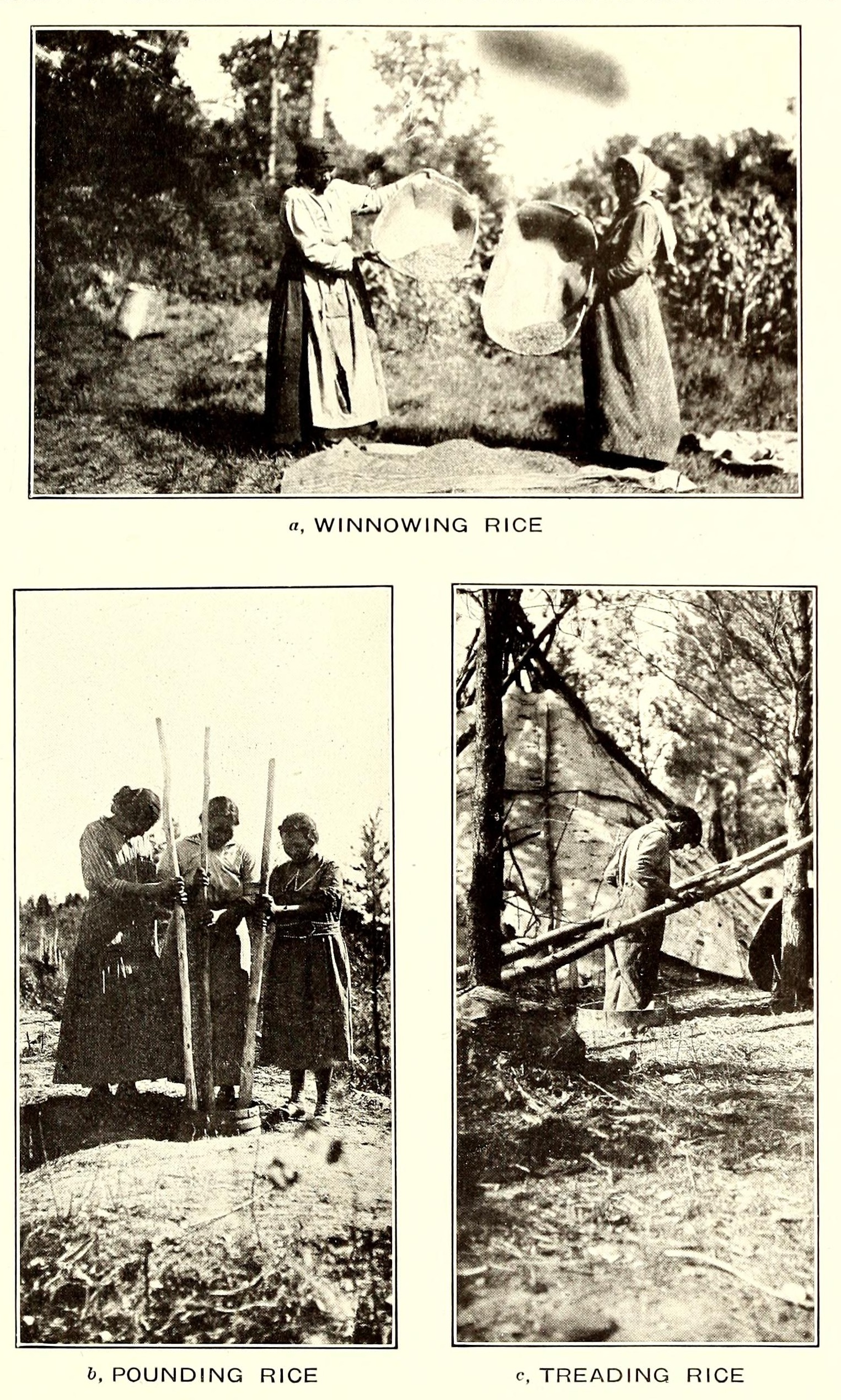


Chippewa Wild Rice: Knocked into the Canoe with Two Sticks, Parched, Pounded, Winnowed and Trodden (Densmore, 1928)
How the Chippewa (Ojibwe) harvested and finished wild rice, from Frances Densmore's account: the ripe kernels knocked into a poled canoe with two rice sticks, dried a day on birch bark, parched a peck at a time in a slanting kettle, pounded with dropped pestles, winnowed in the breeze and trodden in a sunken tub to free the last husk.
བར་མ
A day to gather a canoeful; a day and a half to finish it
ལམ་སྟོན
1
1
Her measures
Her measures
Jupyter ཚང་དེབ་མངོན་གསལ་འབད་དོ་…
2
2
Read Densmore
Read Densmore
"Wild rice constitutes the chief cereal food of the Chippewa."
3
3
Knock the rice
Knock the rice
In warm, still weather, pole a canoe into the rice (a pole forked at the end). From the stern, bend a few stalks over the canoe with one stick and free the kernels with a sweeping, gentle stroke of the other, on both sides. Take only the ripe kernels and come back in a few days for more; leave some to fall as seed. A canoeful is a day's gathering.
ལག་ཆས་དགོས་མཁོ:
 སྐྱ་བའི་གྲུ་ཆུང་།
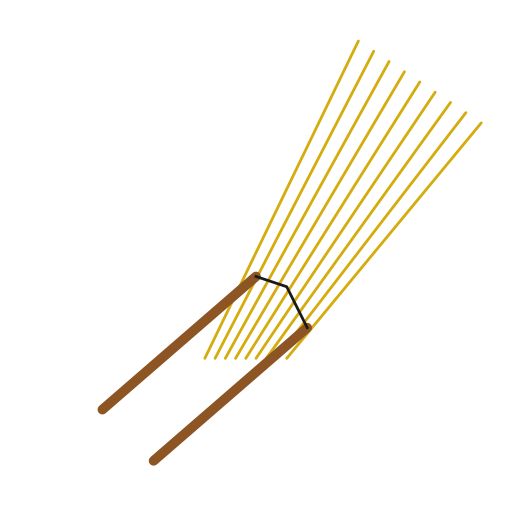 འབྲས་རྡུང་བའི་ཤིང་ཟུང་།
4
4
Dry a day
Dry a day
Spread the rice on sheets of birch bark in the sun, but not so hot that it heats, and stir it often. Allow about 24 hours.
གོམ་པ་འདིའི་རྫས་རིགས:
 གྲོ་གའི་ལེབ་ཤོག1 དུམ་བུ།
ལག་ཆས་དགོས་མཁོ:
 ཤིང་གི་ཀྲུ་ཤིང་།
5
5
Parch it
Parch it
Prop a large kettle slanting over a carefully kept fire and stir about a peck (9 L) at a time with a slender paddle for about an hour, without burning it. This loosens the husk and gives the flavour. (Oldest way, "hard rice": spread it about 3 in., 8 cm, deep on hay over a frame above a slow fire: greenish black, keeps indefinitely and can be sown.)
གོམ་པ་འདིའི་རྫས་རིགས:
 རྩྭ་སྐམ།1 དུམ་བུ།
ལག་ཆས་དགོས་མཁོ:
 ལྕགས་ཀྱི་ཇམ་སྦྱིས།
 མེའི་དོང་།ཤིང་གི་ཀྲུ་ཤིང་།
 སྐམ་སའི་སྟེགས་བུ།
6
6
Pound it
Pound it
Put the rice in a barrel or a wooden mortar with sloping sides. Work wooden pestles about 5 1/2 ft (1.7 m) long up and down near the edge, letting them drop of their own weight, never forcing them, so the husk loosens and the kernel stays whole.
ལག་ཆས་དགོས་མཁོ:
 ཤིང་གི་ཟོ་བ།
 ཤིང་གི་གཏུན་ཤིང
7
7
Winnow
Winnow
Where a breeze blows, toss the rice in a winnowing tray, or pour it slowly from the tray onto birch bark on the ground; the wind takes the chaff.
ལག་ཆས་དགོས་མཁོ:
 གཡབ་མོ།
8
8
Tread it
Tread it
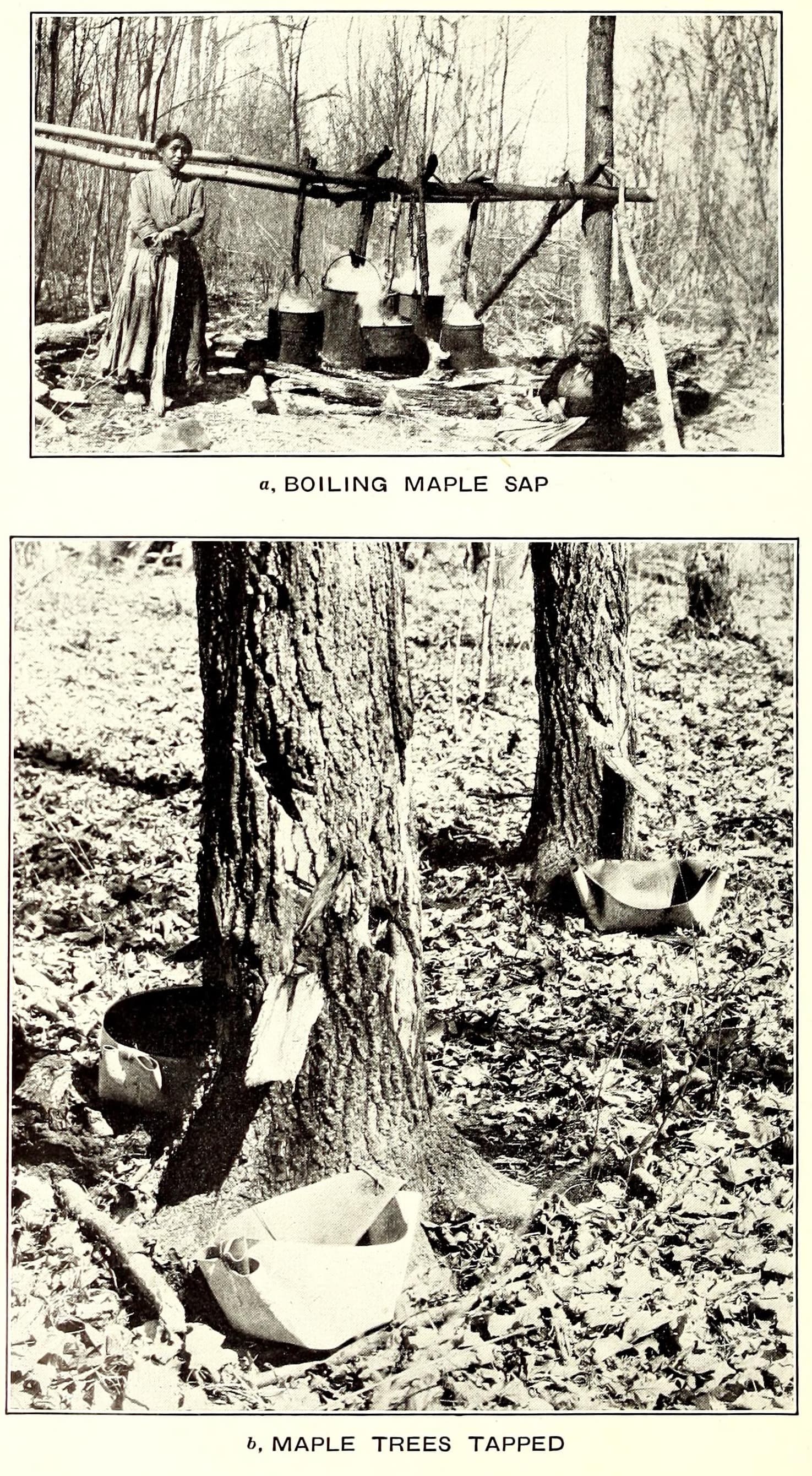
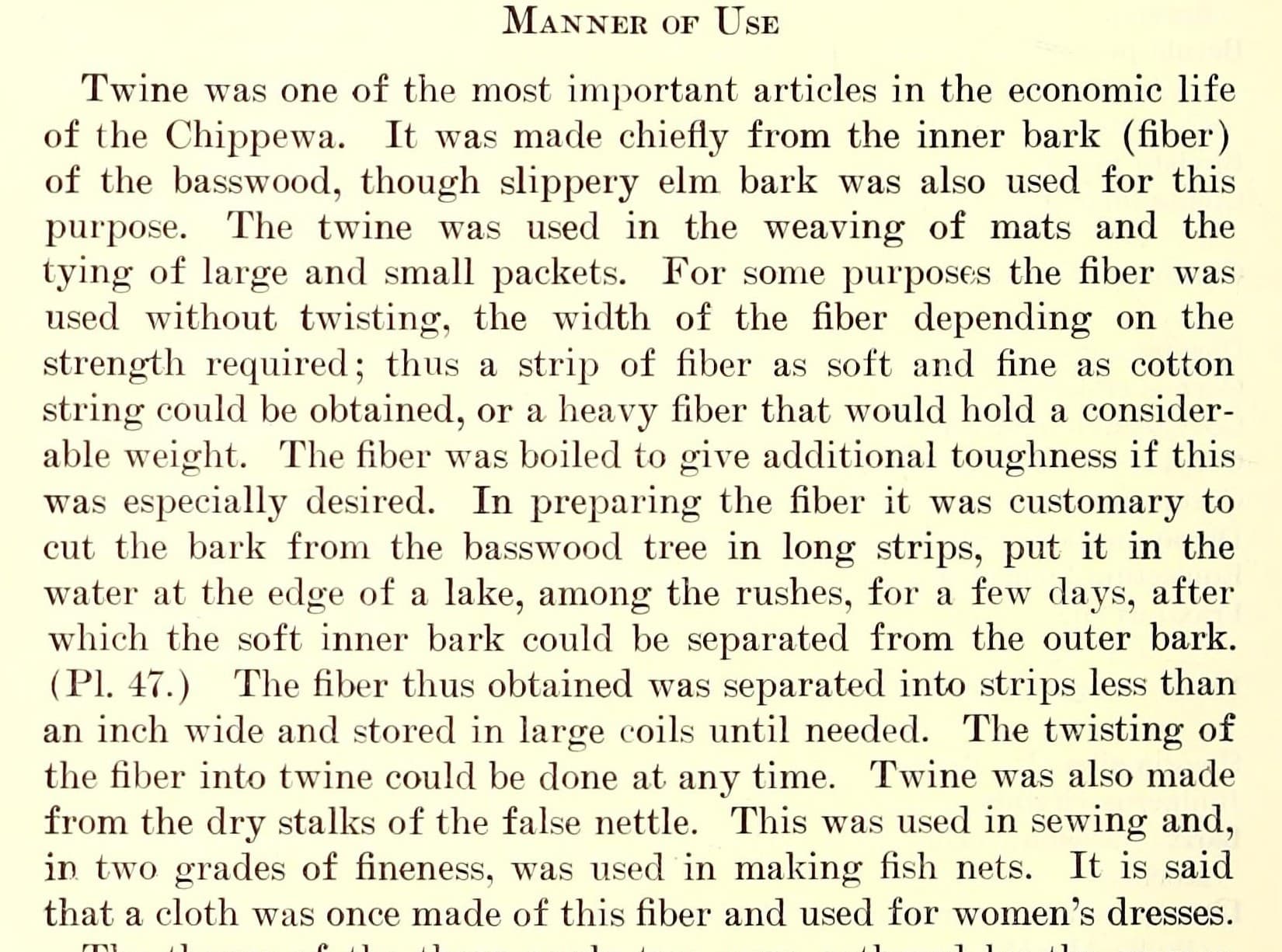
Sink a small wooden tub of about a bushel partly into the ground, with a stout pole either side fixed to a tree about 4 ft (1.2 m) up. In clean moccasins, lean on the poles and tread lightly, like dancing, to free the last bits of husk. Winnow again. Keep the chaff: it cooks like rice. Store the rice in bags with straw on top, sewn shut with basswood twine.
གོམ་པ་འདིའི་རྫས་རིགས:
 སོག་མ།1 དུམ་བུ།
 ཐག་པ།1 དུམ་བུ།
ལག་ཆས་དགོས་མཁོ:
ཤིང་གི་ཟོ་བ། མོ་ཀ་སིན་ལྷམ།གཡབ་མོ།
9
9
Troubleshooting
Troubleshooting
Wild rice troubleshooting.
Flow
Loading...
10
10
History and honest limits
History and honest limits
From Frances Densmore, *Uses of Plants by the Chippewa Indians*, **44th Annual Report of the Bureau of American Ethnology** (1928), pp. 313-316 (checked on the archive.org scan usesofplantsbych00dens). A woman could also claim her rice about 10 days before it ripened by tying it in small sheaves with basswood fiber, drawn to her with a rice hoop; tied rice tasted slightly different and needed longer boiling. In old times the treading pit was lined with deerskin. Metric is ours.
རྫས་རིགས
4- 1 དུམ་བུ།ས་ཆ་འཛིན
- 1 དུམ་བུ།ས་ཆ་འཛིན
- 1 དུམ་བུ།ས་ཆ་འཛིན
- 1 དུམ་བུ།ས་ཆ་འཛིན
ལག་ཆས་དགོས་མཁོ
10- ས་ཆ་འཛིན
- ས་ཆ་འཛིན
- ས་ཆ་འཛིན
- ས་ཆ་འཛིན
- ས་ཆ་འཛིན
- ས་ཆ་འཛིན
- ས་ཆ་འཛིན
- ས་ཆ་འཛིན
- ས་ཆ་འཛིན
- ས་ཆ་འཛིན
བིལུ་པིརིན་ཊི་འདི་གིས་བཟོ་མི
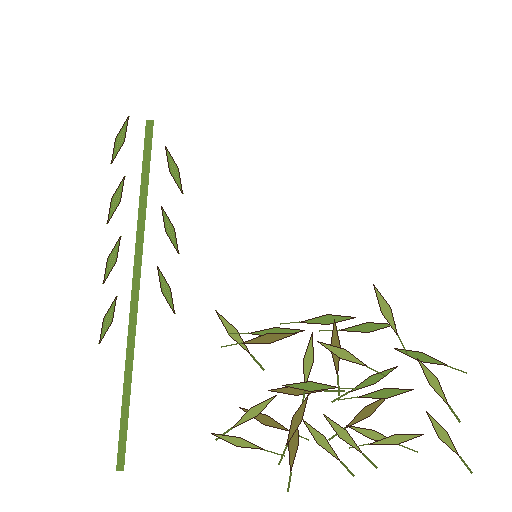
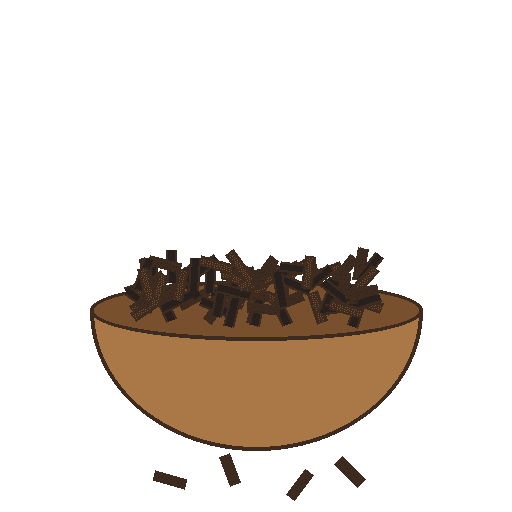
འབྲེལ་ཡོད་བིལུ་པིརིན་ཊི
བིལུ་པིརིན་ཊི་འདི་ཚུ་ཐབས་ལམ་དང་རྫས་རིགས། སྤྱི་ཆོས་བགོ་བཤའ་བྱེད

CC0 སྤྱི་དབང
བིལུ་པིརིན་ཊི་འདི་CC0 འོག་བཀྲམས་ཡོད། ཁྱེད་རང་གིས་ཆོག་མཆན་མ་བཞེས་པར་ཕབ་ལེན་དང་བཟོ་བཅོས། བགོ་བཤའ། དགོས་མཁོ་གང་ལའང་བཀོལ་སྤྱོད་བྱས་ཆོག
བཟོ་མཁན་ལ་རྒྱབ་སྐྱོར་བྱེད་པའི་ཆེད་ཁོང་ཚོའི་བིལུ་པིརིན་ཊི་བརྒྱུད་ཐོན་སྐྱེད་ཉོ། བཟོ་མཁན་གྱིས བཟོ་མཁན་གྱི་ཁེ་ཕོགས ཚོང་པས་གཏན་འཁེལ་བྱས་པ། ཡང་ན་བིལུ་པིརིན་ཊི་འདིའི་པར་གསར་བཟོས་ཏེ་ཁྱེད་རང་གི་བིལུ་པིརིན་ཊི་ནང་མཐུད་སྦྲེལ་བྱས་ཏེ་ཡོང་སྒོ་བགོ་བཤའ་བྱེད།