སྒྱུ་རྩལ
མཛེས་སྡུག་དང་བདེ་ཐང
བཟོ་རིག
རིག་གནས་དང་ལོ་རྒྱུས
དགའ་སྟོན
ཁོར་ཡུག
ཟས་དང་བཏུང་རྫས
ཕྱིར་འཕྲུལ་རིག
ཚན་རིག
རྩེད་འགྲན
རིག་རྩལ
གྱོན་རུང
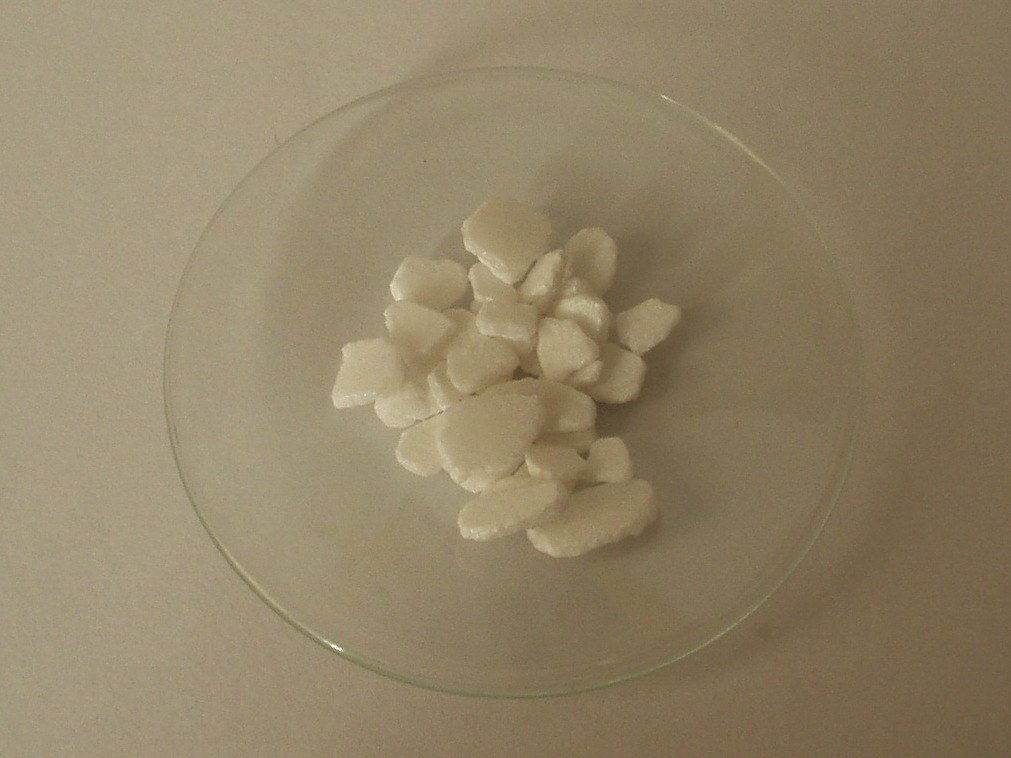


Chloride of Calcium from Marble and Spirit of Salt
Calcium chloride is the salt left when marble or limestone dissolves in hydrochloric acid. George Fownes's chemistry manual (1856) gives exactly that as the usual way to make it. The crystals that separate from a strong solution draw water from the air so greedily that, dried hard or fused, the salt is used to dry gases; in solution it is used in refining borax.
བར་མ
A day, plus drying
ལམ་སྟོན
1
1
Weigh marble and acid
Weigh marble and acid
Weigh the marble and the hydrochloric acid. The notebook (step 6) works out the amounts: 1 kg of marble takes about 2.3 kg of acid at specific gravity 1.162.
གོམ་པ་འདིའི་རྫས་རིགས:
 རྡོ་དཀར་གྱི་ཕྱེ་མ1 kg
 ཧའི་ཌོ་རོ་ཀོ་ལོ་རིག་སྐྱུར་རྫས།2.3 kg
ལག་ཆས་དགོས་མཁོ:
 སྲང་།
སྲང་།2
2
Dissolve the marble in the acid
Dissolve the marble in the acid
Put the acid in a large glass jar and add the marble a little at a time, stirring. It fizzes as carbon dioxide escapes, so leave plenty of room in the jar. When a fresh pinch no longer fizzes, the acid is used up; let any undissolved marble settle and pour the clear solution off.
ལག་ཆས་དགོས་མཁོ:
 ཤེལ་སྣོད།
 ཤེལ་གྱི་དཀྲུག་ཤིང་།
 རྫས་སྦྱོར་འཐོར་སྲུང་མིག་ཤེལ།
 ལ་སྟིག་གི་ལག་ཤུབས།
3
3
Boil it down to a strong solution
Boil it down to a strong solution
Evaporate the solution in a pan until it is strong. On cooling, the salt separates as colourless prismatic crystals, which hold 6 parts of water to each part of the chloride (Fownes).
གོམ་པ་འདིའི་རྫས་རིགས:
 སོལ་བ།1 as required
ལག་ཆས་དགོས་མཁོ:
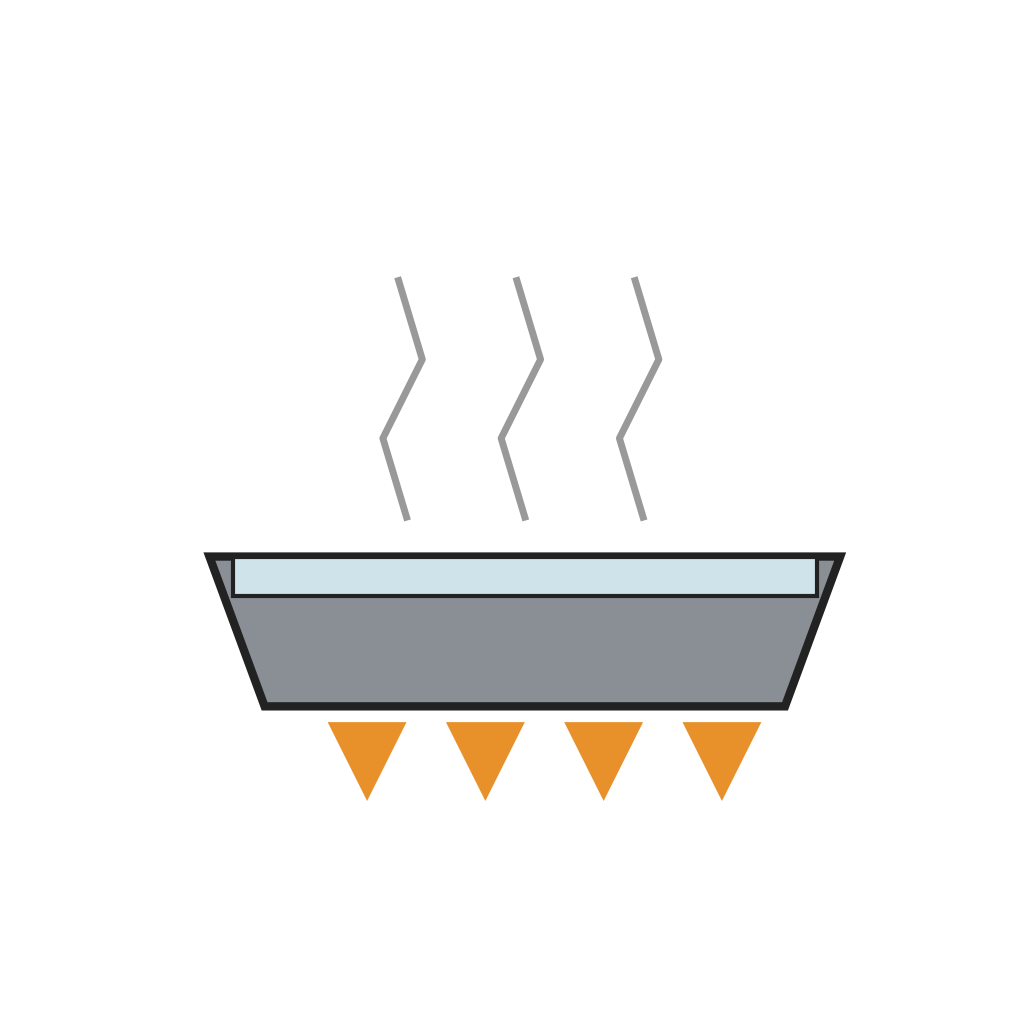 རླངས་འཐེན་ལང་ཀོ།
 སོལ་བའི་མེ་ཐབ།ཤེལ་གྱི་དཀྲུག་ཤིང་།རྫས་སྦྱོར་འཐོར་སྲུང་མིག་ཤེལ།ལ་སྟིག་གི་ལག་ཤུབས།
4
4
Drive off the water, or fuse it
Drive off the water, or fuse it
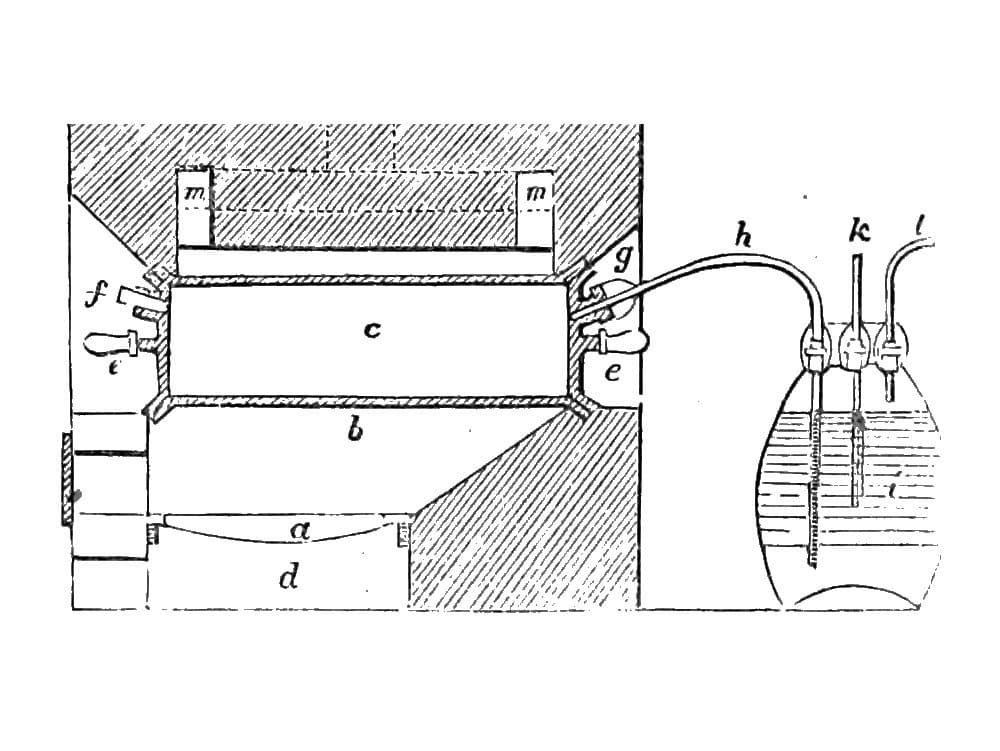
Heat the crystals to expel their water. Raised to a strong red heat in a crucible, the dry salt fuses; cast or broken into pieces, fused chloride is the form used to dry gases.
གོམ་པ་འདིའི་རྫས་རིགས:
སོལ་བ།1 as requiredལག་ཆས་དགོས་མཁོ:
 འཇིམ་གྱི་ཞུན་སྣོད — མེ་བཟོད།སོལ་བའི་མེ་ཐབ།
 བཞུ་སྣོད་ཀྱི་གཟེར་ཆས།
 ཚ་བཟོད་ཀྱི་ལག་ཤུབས།
5
5
Keep it shut away from the air
Keep it shut away from the air
The crystals are exceedingly deliquescent: left open they take water from the air and run to a liquid. Store the salt hot from drying in a stoppered jar.
ལག་ཆས་དགོས་མཁོ:
ཤེལ་སྣོད།6
6
Marble in, chloride out
Marble in, chloride out
Jupyter ཚང་དེབ་མངོན་གསལ་འབད་དོ་…
7
7
Troubleshooting
Troubleshooting
Calcium chloride troubleshooting.
Flow
Loading...
8
8
History and honest limits
History and honest limits
Fownes (1856) names marble dissolved in hydrochloric acid as the usual source and adds that calcium chloride is also a by-product of several manufactures; Ure (1839) notes it as the residue of making ammonia from sal ammoniac and lime. Fownes gives no quantities; those in the notebook come from the equation. Testing for the end of the fizzing, and leaving room in the jar, are ordinary practice, not his words.
རྫས་རིགས
3- ས་ཆ་འཛིན
- ས་ཆ་འཛིན
- 1 as requiredས་ཆ་འཛིན
ལག་ཆས་དགོས་མཁོ
10- ས་ཆ་འཛིན
- ས་ཆ་འཛིན
- ས་ཆ་འཛིན
- ས་ཆ་འཛིན
- ས་ཆ་འཛིན
- ས་ཆ་འཛིན
- ས་ཆ་འཛིན
- ས་ཆ་འཛིན
- ས་ཆ་འཛིན
- ས་ཆ་འཛིན
བིལུ་པིརིན་ཊི་འདི་གིས་བཟོ་མི
འབྲེལ་ཡོད་བིལུ་པིརིན་ཊི
བིལུ་པིརིན་ཊི་འདི་ཚུ་ཐབས་ལམ་དང་རྫས་རིགས། སྤྱི་ཆོས་བགོ་བཤའ་བྱེད
CC0 སྤྱི་དབང
བིལུ་པིརིན་ཊི་འདི་CC0 འོག་བཀྲམས་ཡོད། ཁྱེད་རང་གིས་ཆོག་མཆན་མ་བཞེས་པར་ཕབ་ལེན་དང་བཟོ་བཅོས། བགོ་བཤའ། དགོས་མཁོ་གང་ལའང་བཀོལ་སྤྱོད་བྱས་ཆོག
བཟོ་མཁན་ལ་རྒྱབ་སྐྱོར་བྱེད་པའི་ཆེད་ཁོང་ཚོའི་བིལུ་པིརིན་ཊི་བརྒྱུད་ཐོན་སྐྱེད་ཉོ། བཟོ་མཁན་གྱིས བཟོ་མཁན་གྱི་ཁེ་ཕོགས ཚོང་པས་གཏན་འཁེལ་བྱས་པ། ཡང་ན་བིལུ་པིརིན་ཊི་འདིའི་པར་གསར་བཟོས་ཏེ་ཁྱེད་རང་གི་བིལུ་པིརིན་ཊི་ནང་མཐུད་སྦྲེལ་བྱས་ཏེ་ཡོང་སྒོ་བགོ་བཤའ་བྱེད།