སྒྱུ་རྩལ
མཛེས་སྡུག་དང་བདེ་ཐང
བཟོ་རིག
རིག་གནས་དང་ལོ་རྒྱུས
དགའ་སྟོན
ཁོར་ཡུག
ཟས་དང་བཏུང་རྫས
ཕྱིར་འཕྲུལ་རིག
ཚན་རིག
རྩེད་འགྲན
རིག་རྩལ
གྱོན་རུང
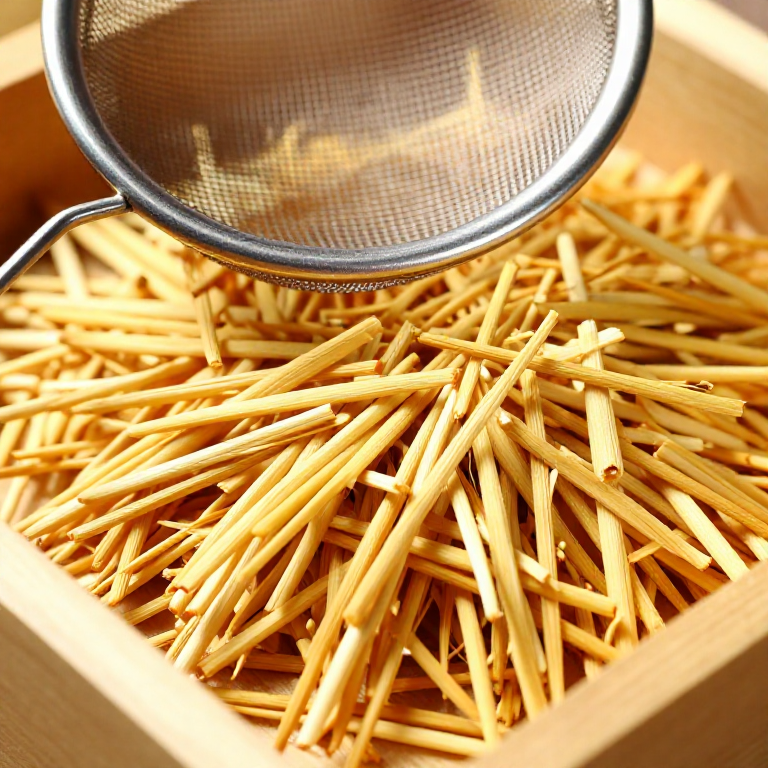


Chopped Straw for Plaster and Cob
Straw gives clay plasters, cob and mud bricks tensile strength: its fibres hold the clay together as it shrinks and stop cracks. Natural builders cut it short for plaster, about 6 to 25 mm, and longer for structural cob, about 25 to 75 mm. Dry, clean wheat or rye straw is best.
འགོ་བཙུགས
1 hour per sack
ལམ་སྟོན
1
1
Choose the length
Choose the length
Plaster: 6–25 mm. Cob: 25–75 mm. Decide before you start.
ལག་ཆས་དགོས་མཁོ:
 འཇལ་ཐག
2
2
Chop on a block
Chop on a block
Lay a handful of straw across a log end and chop it into lengths with the machete or billhook, feeding the bundle forward a length at a time.
གོམ་པ་འདིའི་རྫས་རིགས:
 སོག་མ།5 kg
ལག་ཆས་དགོས་མཁོ:
 པ་ཏང་།
 ལྕགས་ཀྱུ་ཅན་གྱི་གྲི།
 ཀོ་བའི་ལས་ལག་ཤུབས།
 ཉེན་སྲུང་མིག་ཤེལ།
3
3
Sieve for plaster
Sieve for plaster
For plaster, shake the chopped straw over a coarse wire sieve: what passes is plaster straw, what stays goes to cob or back to the block.
ལག་ཆས་དགོས་མཁོ:
 ལྕགས་སྐུད་ཀྱི་དྲ་མིག་སྦོམ་གྱི་ཚགས་མ།
 པ་ལས་ཊིཀ་གི་ཟོ་སྦོམ་ ལི་ཊར་ ༡༠༠
 ཐལ་བའི་ཁ་རས།
4
4
Bag it dry
Bag it dry
Store in sacks somewhere dry; damp straw goes mouldy.
ལག་ཆས་དགོས་མཁོ:
 ཡོབ་ཀྱི་ཁུག་མ།
ལག་ཆས་དགོས་མཁོ
9- 1 vendor sell this, none ship to you yetས་ཆ་འཛིན
- ས་ཆ་འཛིན
- ས་ཆ་འཛིན
- ས་ཆ་འཛིན
- ས་ཆ་འཛིན
- ས་ཆ་འཛིན
- ས་ཆ་འཛིན
- ས་ཆ་འཛིན
བིལུ་པིརིན་ཊི་འདི་གིས་བཟོ་མི


CC0 སྤྱི་དབང
བིལུ་པིརིན་ཊི་འདི་CC0 འོག་བཀྲམས་ཡོད། ཁྱེད་རང་གིས་ཆོག་མཆན་མ་བཞེས་པར་ཕབ་ལེན་དང་བཟོ་བཅོས། བགོ་བཤའ། དགོས་མཁོ་གང་ལའང་བཀོལ་སྤྱོད་བྱས་ཆོག
བཟོ་མཁན་ལ་རྒྱབ་སྐྱོར་བྱེད་པའི་ཆེད་ཁོང་ཚོའི་བིལུ་པིརིན་ཊི་བརྒྱུད་ཐོན་སྐྱེད་ཉོ། བཟོ་མཁན་གྱིས བཟོ་མཁན་གྱི་ཁེ་ཕོགས ཚོང་པས་གཏན་འཁེལ་བྱས་པ། ཡང་ན་བིལུ་པིརིན་ཊི་འདིའི་པར་གསར་བཟོས་ཏེ་ཁྱེད་རང་གི་བིལུ་པིརིན་ཊི་ནང་མཐུད་སྦྲེལ་བྱས་ཏེ་ཡོང་སྒོ་བགོ་བཤའ་བྱེད།