སྒྱུ་རྩལ
མཛེས་སྡུག་དང་བདེ་ཐང
བཟོ་རིག
རིག་གནས་དང་ལོ་རྒྱུས
དགའ་སྟོན
ཁོར་ཡུག
ཟས་དང་བཏུང་རྫས
ཕྱིར་འཕྲུལ་རིག
ཚན་རིག
རྩེད་འགྲན
རིག་རྩལ
གྱོན་རུང
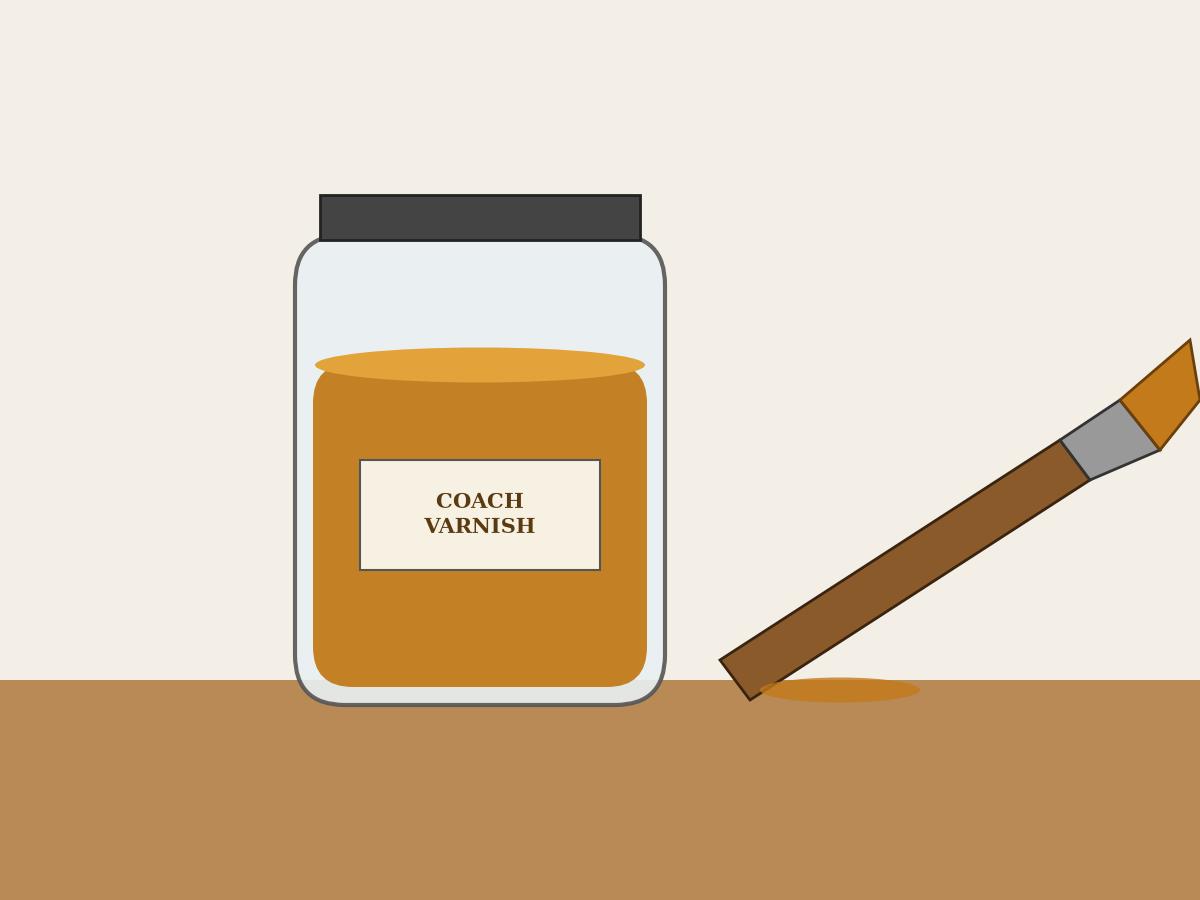


Coach Varnish: Copal Melted, Boiled with Linseed Oil and Thinned with Turpentine (Neil's, in Brannt, 1893)
A clear, pliant oil varnish for carriages, rods and woodwork: copal resin melted, boiled with five times its weight of linseed oil until viscid, then thinned with turpentine and filtered. It is Neil's carriage varnish, as William Brannt printed it in 1893.
མཐོ་རིམ
About half a day
ལམ་སྟོན
1
1
Cooking an oil varnish
Cooking an oil varnish
Resin cooked into linseed oil to make varnish (Emily Jones).
2
2
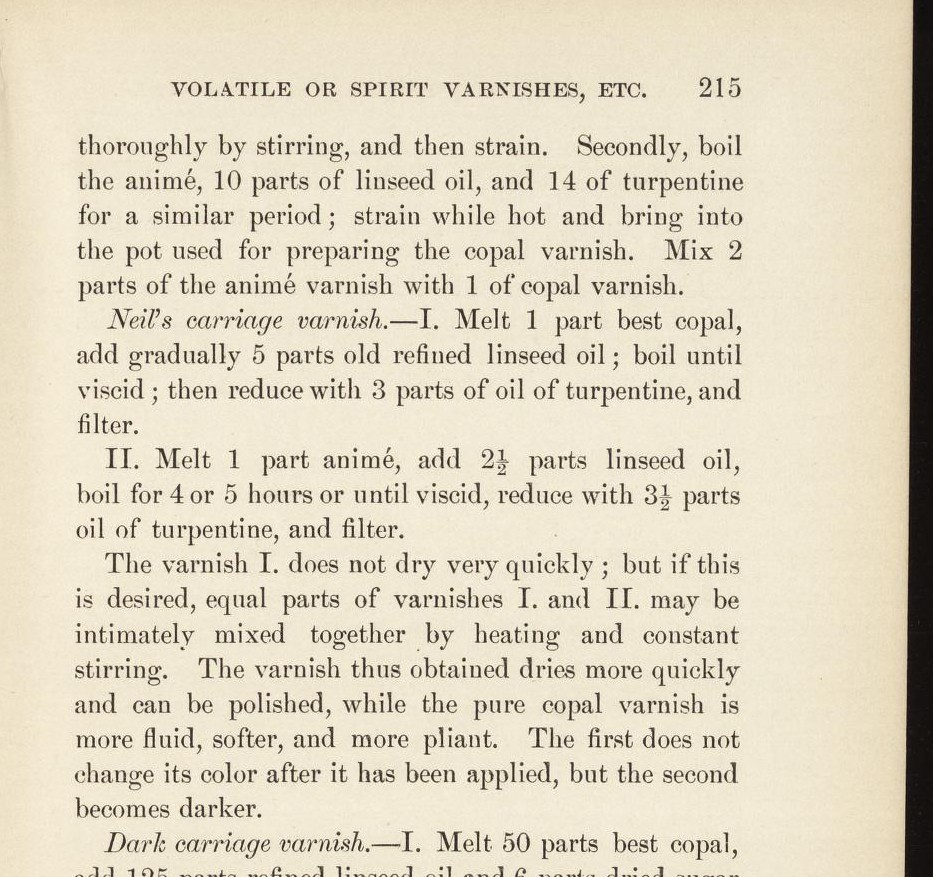
Neil's carriage varnish, 1893
Neil's carriage varnish, 1893
Brannt (p. 215): "Melt 1 part best copal, add gradually 5 parts old refined linseed oil; boil until viscid; then reduce with 3 parts of oil of turpentine, and filter." It "does not dry very quickly"; mixed with his anime varnish (II) it dries faster, "while the pure copal varnish is more fluid, softer, and more pliant".
3
3
Weigh out and set up outdoors
Weigh out and set up outdoors
Weigh 100 g copal, 500 g linseed oil and 300 g turpentine (Brannt's 1 : 5 : 3, taken by weight, ours). Set the stove up outdoors on bare ground with nothing that can burn nearby, the pot lid and fire blanket at hand (ours).
ལག་ཆས་དགོས་མཁོ:
 ལག་པ་འདྲ་མཉམ་གྱི་སྲང་།
 སོལ་བའི་ཐབ།
 མེ་གསོད་ཀྱི་ཁེབས།
 ཀོ་བའི་ལག་ཤུབས།
4
4
Melt the copal
Melt the copal
Melt the copal alone in the pot over the fire, stirring, until it is all liquid.
གོམ་པ་འདིའི་རྫས་རིགས:
 Copal Resin100 g
ལག་ཆས་དགོས་མཁོ:
 ཁུ་བའི་ཧོད་ཆེན།སོལ་བའི་ཐབ།
 ཤིང་གི་ཐུར་མ།ཀོ་བའི་ལག་ཤུབས།
5
5
Add the oil and boil until viscid
Add the oil and boil until viscid
Add the old refined linseed oil gradually, stirring, and keep it boiling until it is viscid. Ours: test a drop on a cold glass slide; when it draws out into a thread between finger and glass, it is done.
གོམ་པ་འདིའི་རྫས་རིགས:
 ལིན་སིཊ་སྣུམ།500 g
ལག་ཆས་དགོས་མཁོ:
ཁུ་བའི་ཧོད་ཆེན།ཤིང་གི་ཐུར་མ། ཕྲ་ཤེལ་གྱི་ཤེལ་ལེབ།
6
6
Thin with turpentine, off the fire
Thin with turpentine, off the fire
Take the pot well away from the fire and let it cool until it stops smoking (ours). Then stir in the oil of turpentine a little at a time.
གོམ་པ་འདིའི་རྫས་རིགས:
 ཐང་སྣུམ300 g
ལག་ཆས་དགོས་མཁོ:
ཤིང་གི་ཐུར་མ།ཀོ་བའི་ལག་ཤུབས།7
7
Filter and store
Filter and store
Filter the warm varnish through a piece of flannel into clean jars (ours) and close them.
ལག་ཆས་དགོས་མཁོ:
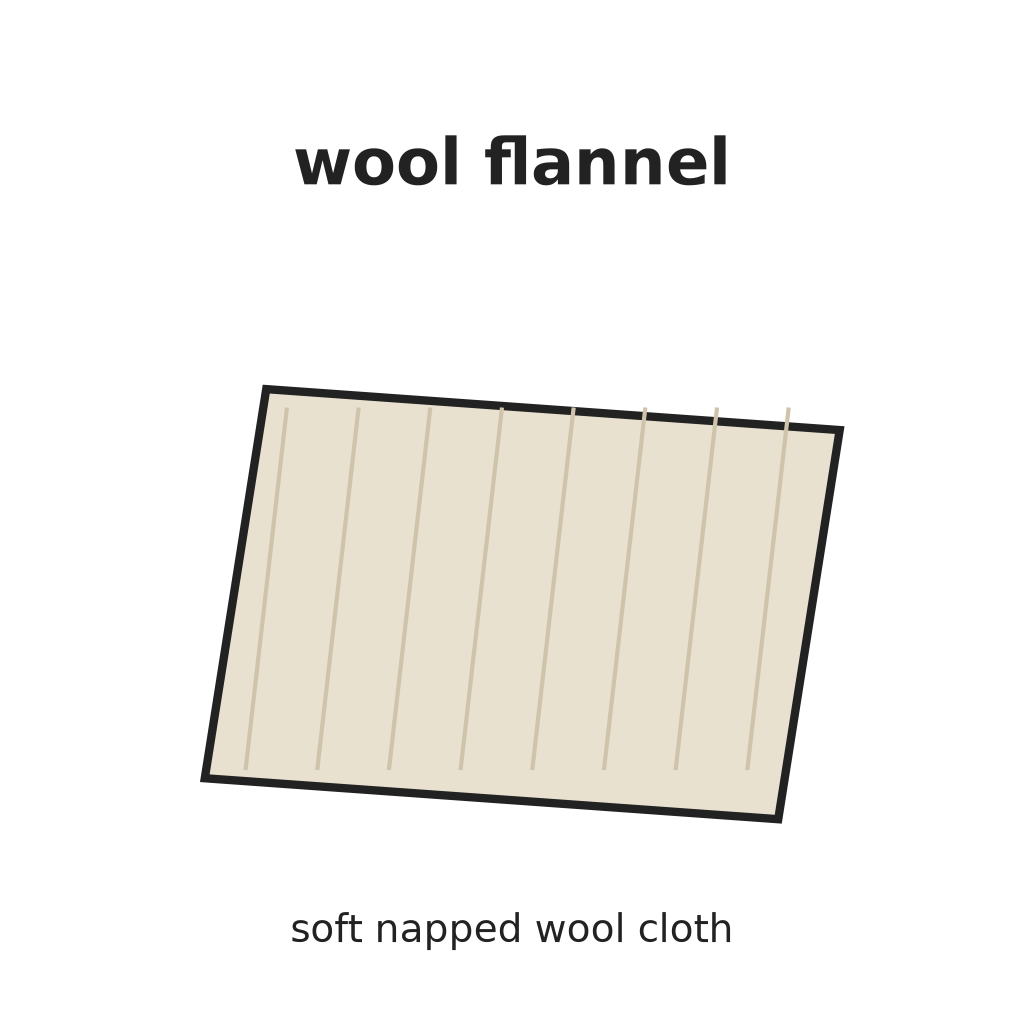 བལ་གྱི་ཕལ་ནེལ།
 ཁ་བཅད་ཡོད་པའི་ཤེལ་སྣོད།
8
8
Troubleshooting
Troubleshooting
Varnish problems and fixes.
Flow
Loading...
9
9
History and honest limits
History and honest limits
William T. Brannt, Varnishes, Lacquers, Printing Inks and Sealing-Waxes (Henry Carey Baird & Co., Philadelphia, 1893), pp. 214-215, Neil's carriage varnish I. Brannt gives no temperatures; the batch size, the drop test and the safety steps are ours. Hot oil and turpentine catch fire easily: work outdoors and never leave the pot. For a faster-drying varnish he mixes it with an anime varnish (his II). Not made by us yet.
རྫས་རིགས
3- 100 gས་ཆ་འཛིན
- 500 gས་ཆ་འཛིན
- 300 gས་ཆ་འཛིན
ལག་ཆས་དགོས་མཁོ
9- ས་ཆ་འཛིན
- ས་ཆ་འཛིན
- ས་ཆ་འཛིན
- ས་ཆ་འཛིན
- ས་ཆ་འཛིན
- ས་ཆ་འཛིན
- ས་ཆ་འཛིན
- ས་ཆ་འཛིན
- ས་ཆ་འཛིན
བིལུ་པིརིན་ཊི་འདི་གིས་བཟོ་མི
CC0 སྤྱི་དབང
བིལུ་པིརིན་ཊི་འདི་CC0 འོག་བཀྲམས་ཡོད། ཁྱེད་རང་གིས་ཆོག་མཆན་མ་བཞེས་པར་ཕབ་ལེན་དང་བཟོ་བཅོས། བགོ་བཤའ། དགོས་མཁོ་གང་ལའང་བཀོལ་སྤྱོད་བྱས་ཆོག
བཟོ་མཁན་ལ་རྒྱབ་སྐྱོར་བྱེད་པའི་ཆེད་ཁོང་ཚོའི་བིལུ་པིརིན་ཊི་བརྒྱུད་ཐོན་སྐྱེད་ཉོ། བཟོ་མཁན་གྱིས བཟོ་མཁན་གྱི་ཁེ་ཕོགས ཚོང་པས་གཏན་འཁེལ་བྱས་པ། ཡང་ན་བིལུ་པིརིན་ཊི་འདིའི་པར་གསར་བཟོས་ཏེ་ཁྱེད་རང་གི་བིལུ་པིརིན་ཊི་ནང་མཐུད་སྦྲེལ་བྱས་ཏེ་ཡོང་སྒོ་བགོ་བཤའ་བྱེད།