སྒྱུ་རྩལ
མཛེས་སྡུག་དང་བདེ་ཐང
བཟོ་རིག
རིག་གནས་དང་ལོ་རྒྱུས
དགའ་སྟོན
ཁོར་ཡུག
ཟས་དང་བཏུང་རྫས
ཕྱིར་འཕྲུལ་རིག
ཚན་རིག
རྩེད་འགྲན
རིག་རྩལ
གྱོན་རུང
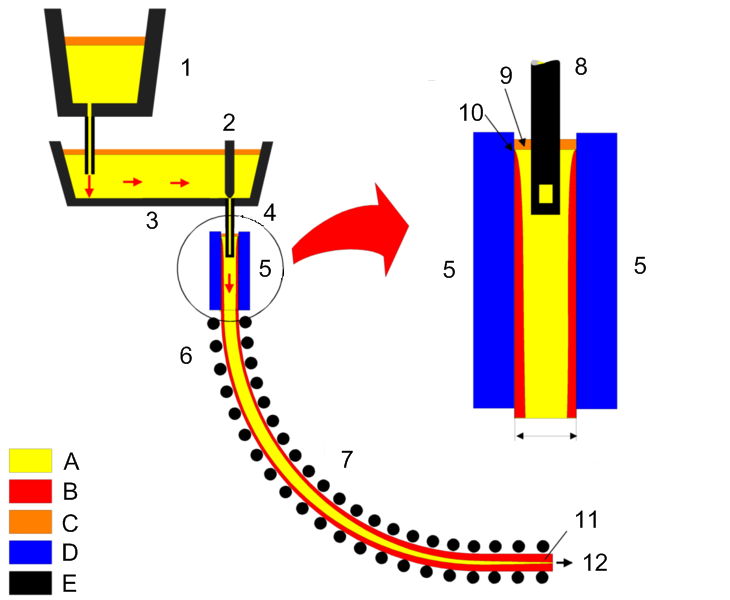


Continuous Casting of Steel Billets
In continuous casting, molten steel is poured without stop into a short, open-bottomed copper mould and drawn out below as a solid strand. The steel goes from the ladle to a tundish, which holds a reserve while ladles are changed and steadies the flow, and from there into the water-cooled mould. The mould oscillates so the steel does not stick, and a lubricating powder melts on the surface and traps slag. A thin skin freezes against the copper; the strand leaves the mould still liquid inside, is held by water-cooled rolls and sprayed with water until it is solid, then straightened and cut to length. Billet casters cast sections under 200 mm square, up to 12 m long, at up to 4 m a minute.
མཐོ་རིམ
Factory process
ལམ་སྟོན
1
1
Ladle to tundish
Ladle to tundish
Bring the ladle of molten steel to the casting machine and pour through a refractory shroud into the tundish, which buffers the metal while ladles are changed and smooths the flow.
གོམ་པ་འདིའི་རྫས་རིགས:
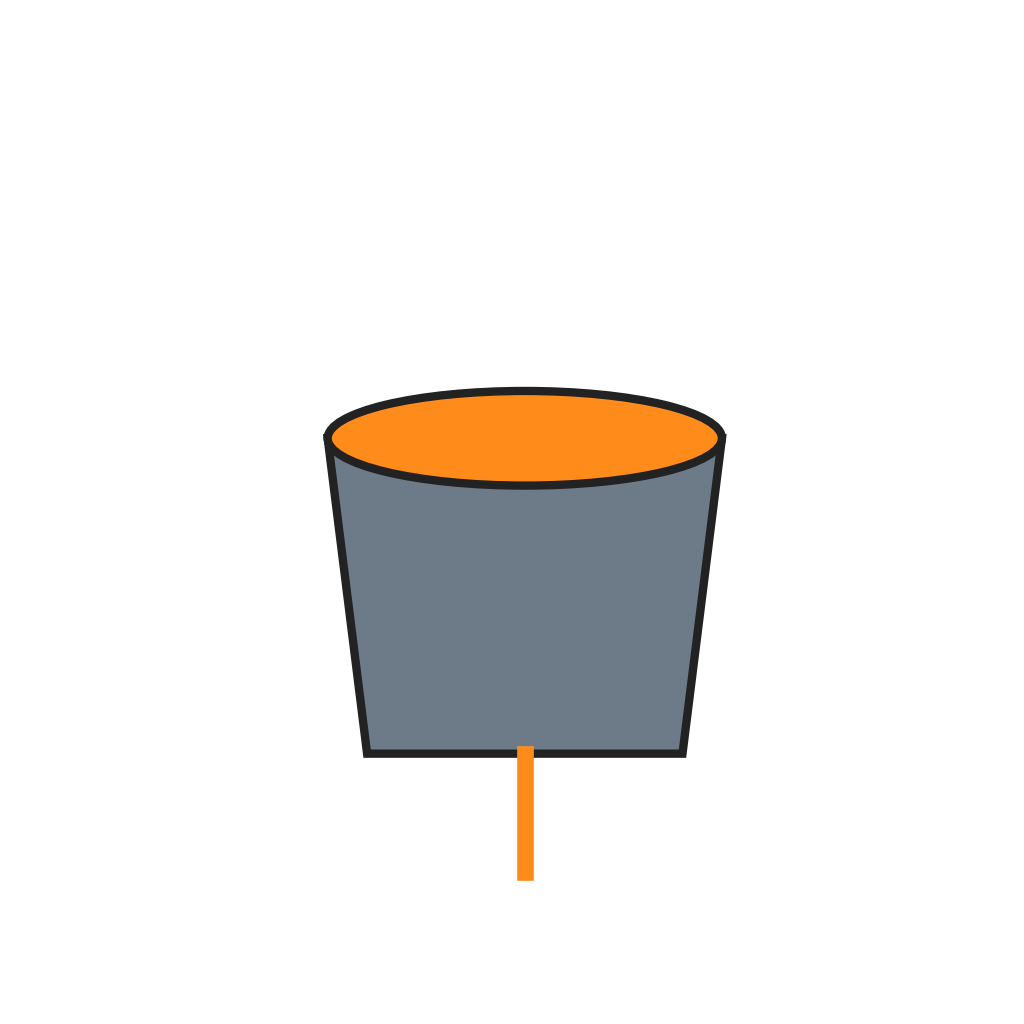 ཞུན་པའི་ལྕགས།1 as required
ལག་ཆས་དགོས་མཁོ:
 ལྕགས་བླུགས་ནིའི་སྐྱོགས
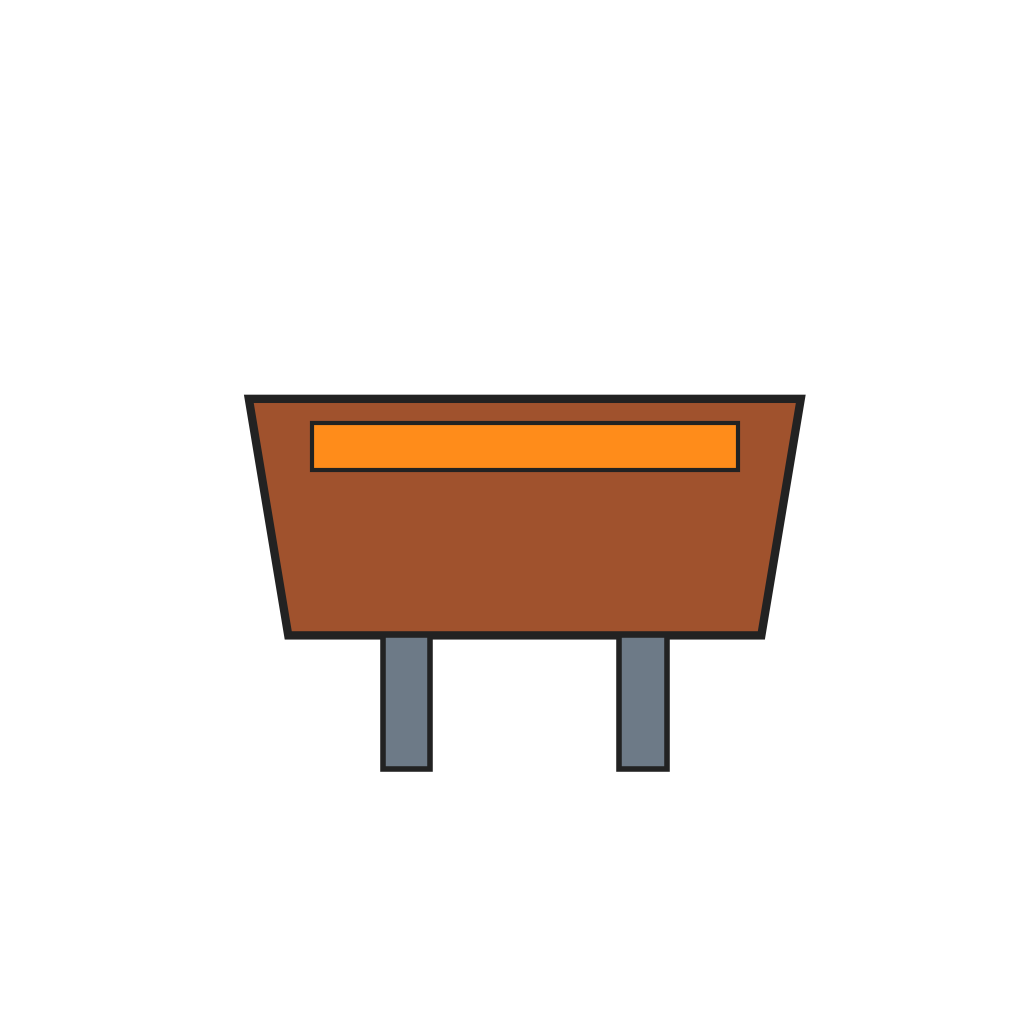 བར་གྱི་ཞུན་སྣོད།
2
2
Mould
Mould
Let the steel run from the tundish through a submerged entry nozzle into the open-base copper mould, 0.5–2 m deep, cooled by water and oscillating vertically. Add the lubricant powder, which melts, stops sticking and floats slag to the top.
གོམ་པ་འདིའི་རྫས་རིགས:
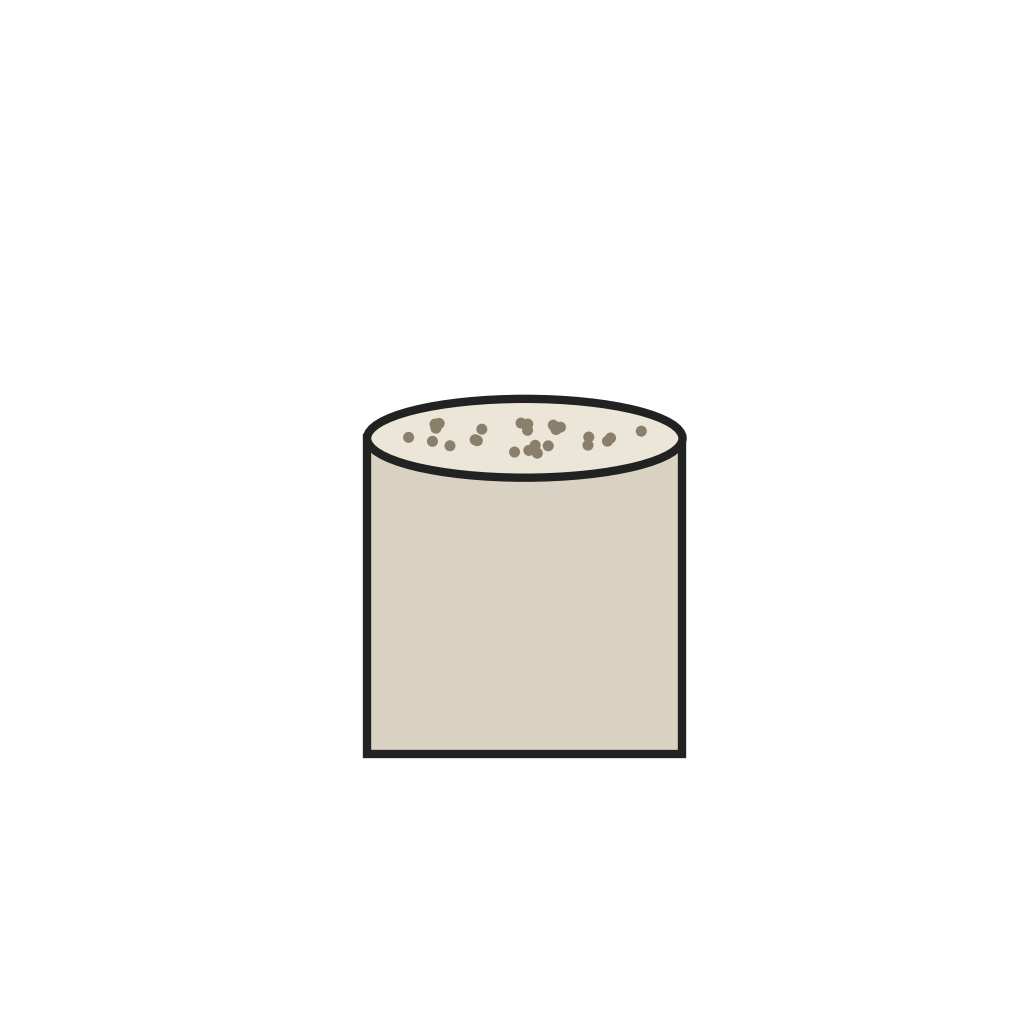 པར་གྱི་ཕྱེ་མ།1 as required
ལག་ཆས་དགོས་མཁོ:
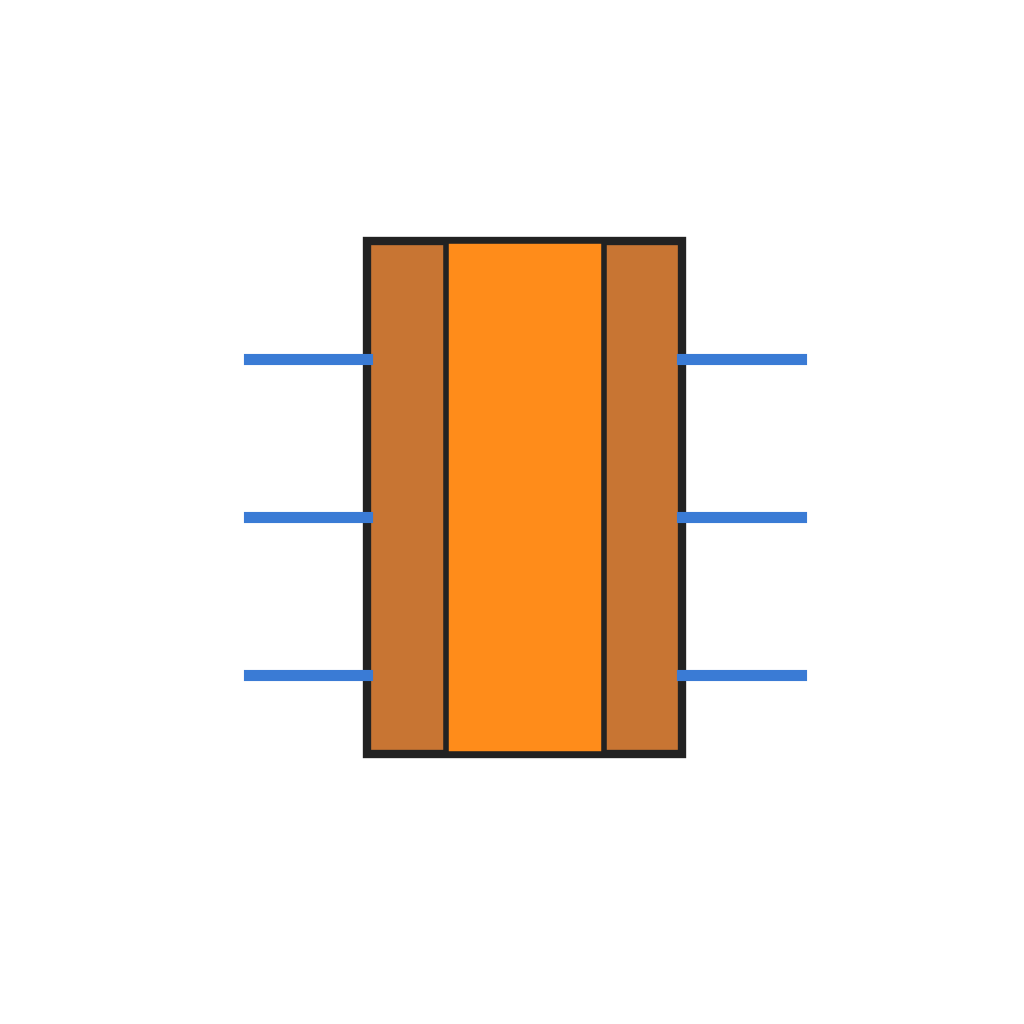 ཆུ་གིས་གྲང་བཟོ་བའི་ ཟངས་ཀྱི་བླུགས་པར།
3
3
Spray chamber
Spray chamber
The strand leaves the mould with a solid shell and a liquid core. Support it on closely spaced water-cooled rolls and spray it with water until it solidifies.
ལག་ཆས་དགོས་མཁོ:
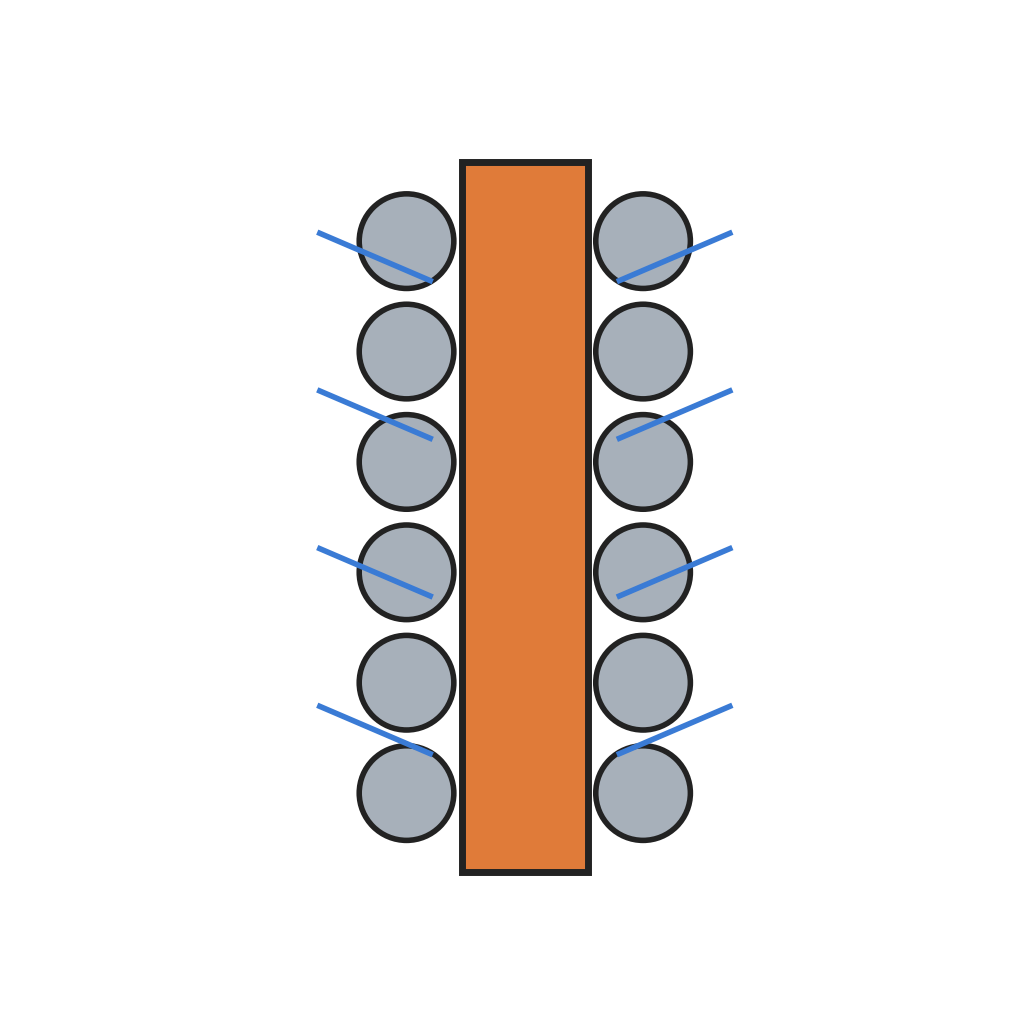 རྒྱབ་རྟེན་སྒྲིལ་ཤིང་ཡོད་པའི་ ཆུ་འཐོར་ཁང་མིག
4
4
Straighten, withdraw and cut
Straighten, withdraw and cut
Pass the strand through the straightening and withdrawal rolls, then cut it into billets of set length with shears or a travelling oxyacetylene torch, and mark them.
ལག་ཆས་དགོས་མཁོ:
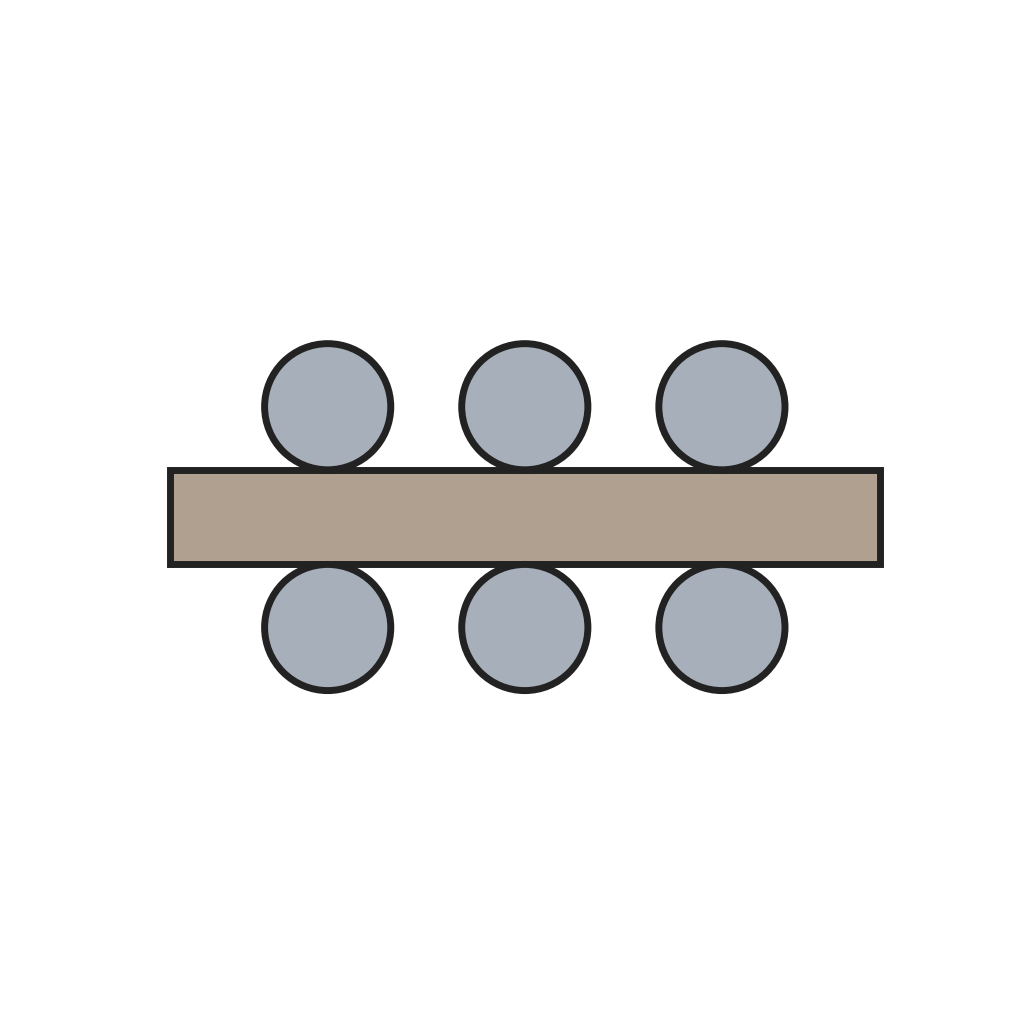 ཐད་བཟོ་དང་ འཐེན་བཏོན་སྒྲིལ་ཤིང་།
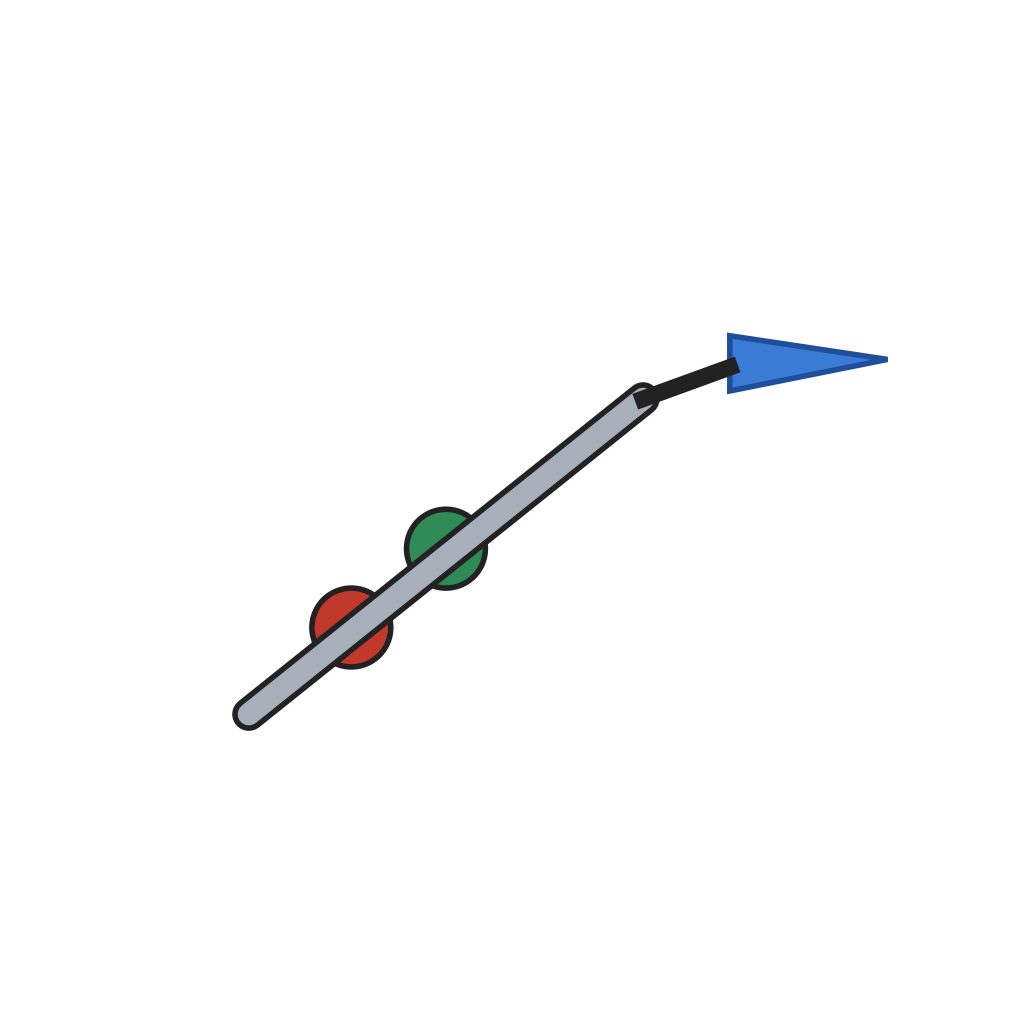 ཨོག་སི་ཨེ་སི་ཊི་ལིན་གཏུབ་ཆས་མེ་ལྕེ།
རྫས་རིགས
2- 1 as requiredས་ཆ་འཛིན
- 1 as requiredས་ཆ་འཛིན
ལག་ཆས་དགོས་མཁོ
6- ས་ཆ་འཛིན
- ས་ཆ་འཛིན
- ས་ཆ་འཛིན
བིལུ་པིརིན་ཊི་འདི་གིས་བཟོ་མི
འབྲེལ་ཡོད་བིལུ་པིརིན་ཊི
བིལུ་པིརིན་ཊི་འདི་ཚུ་ཐབས་ལམ་དང་རྫས་རིགས། སྤྱི་ཆོས་བགོ་བཤའ་བྱེད


CC0 སྤྱི་དབང
བིལུ་པིརིན་ཊི་འདི་CC0 འོག་བཀྲམས་ཡོད། ཁྱེད་རང་གིས་ཆོག་མཆན་མ་བཞེས་པར་ཕབ་ལེན་དང་བཟོ་བཅོས། བགོ་བཤའ། དགོས་མཁོ་གང་ལའང་བཀོལ་སྤྱོད་བྱས་ཆོག
བཟོ་མཁན་ལ་རྒྱབ་སྐྱོར་བྱེད་པའི་ཆེད་ཁོང་ཚོའི་བིལུ་པིརིན་ཊི་བརྒྱུད་ཐོན་སྐྱེད་ཉོ། བཟོ་མཁན་གྱིས བཟོ་མཁན་གྱི་ཁེ་ཕོགས ཚོང་པས་གཏན་འཁེལ་བྱས་པ། ཡང་ན་བིལུ་པིརིན་ཊི་འདིའི་པར་གསར་བཟོས་ཏེ་ཁྱེད་རང་གི་བིལུ་པིརིན་ཊི་ནང་མཐུད་སྦྲེལ་བྱས་ཏེ་ཡོང་སྒོ་བགོ་བཤའ་བྱེད།