སྒྱུ་རྩལ
མཛེས་སྡུག་དང་བདེ་ཐང
བཟོ་རིག
རིག་གནས་དང་ལོ་རྒྱུས
དགའ་སྟོན
ཁོར་ཡུག
ཟས་དང་བཏུང་རྫས
ཕྱིར་འཕྲུལ་རིག
ཚན་རིག
རྩེད་འགྲན
རིག་རྩལ
གྱོན་རུང
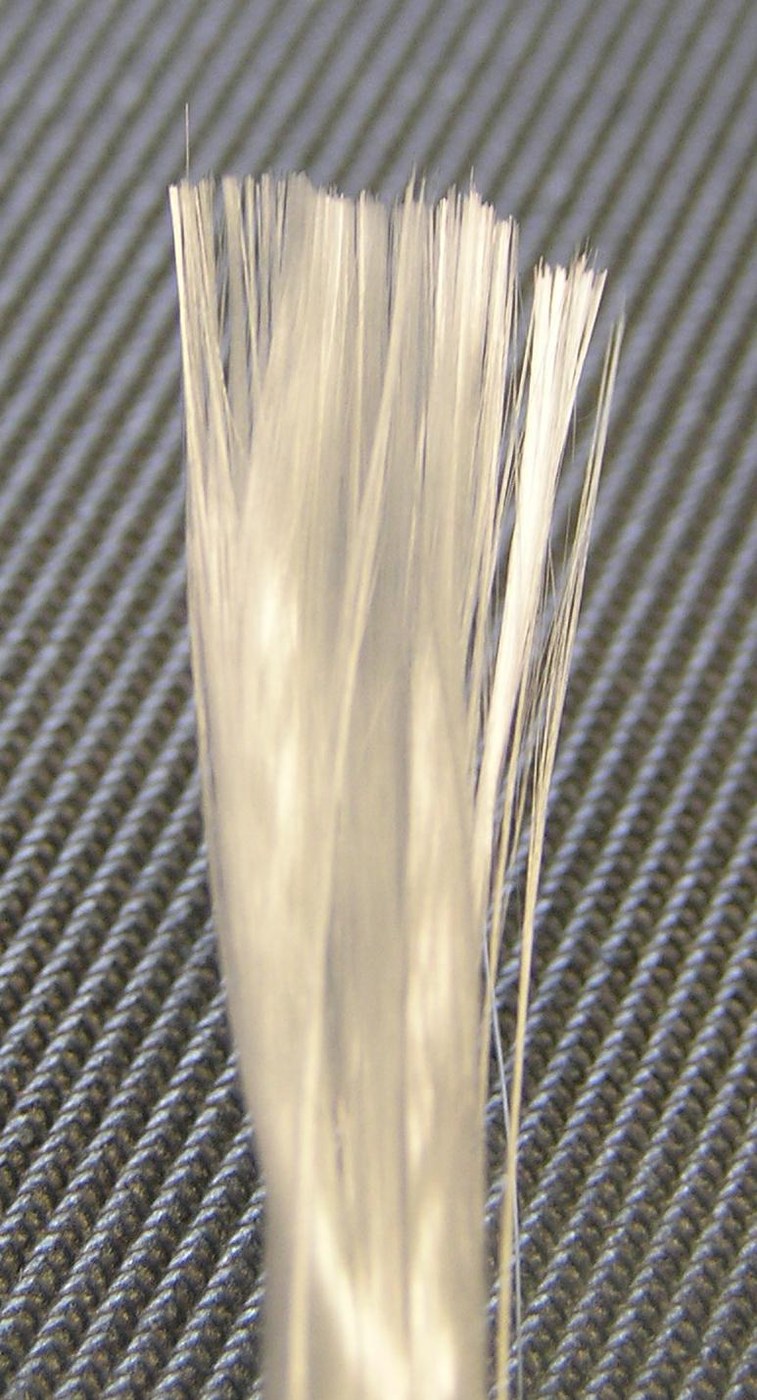


Continuous Glass Fibre Strand Drawn from a Platinum Bushing
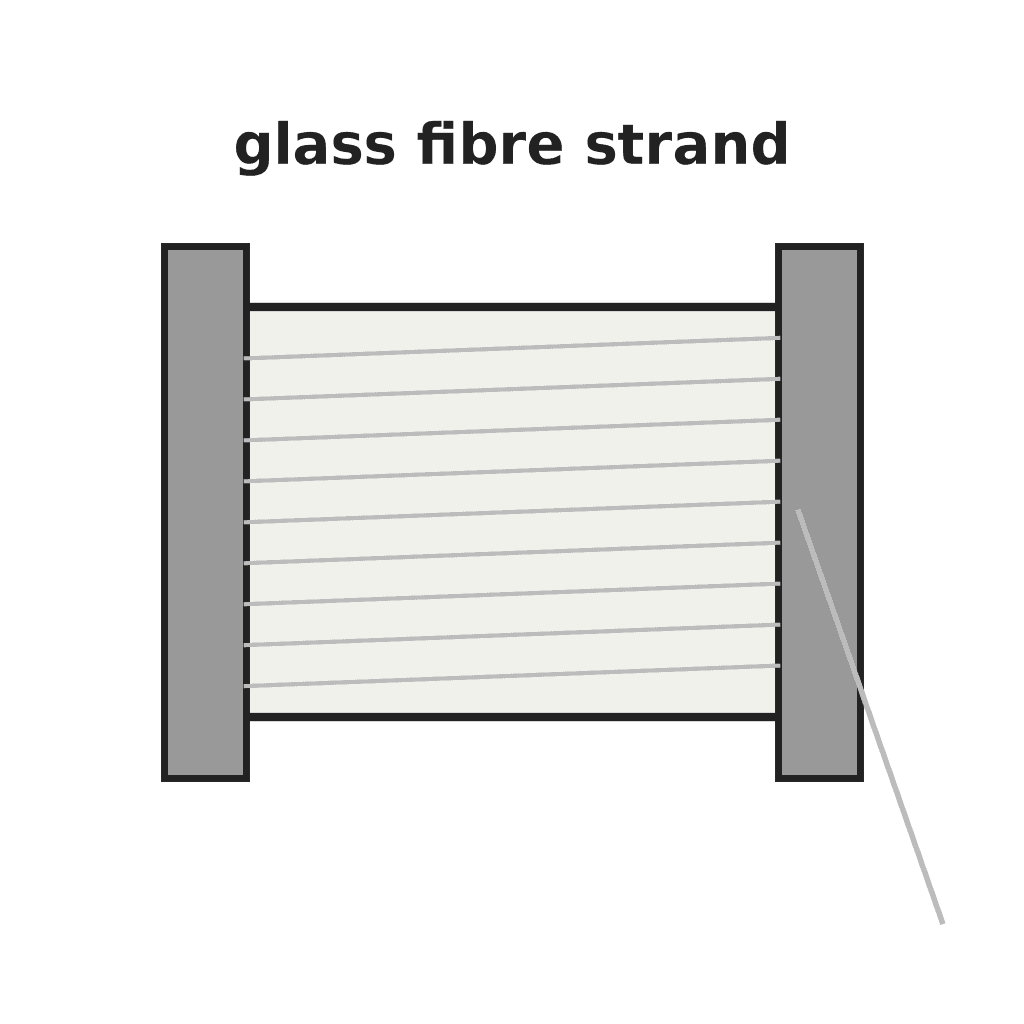
Glass fibre for cloth is not spun like wool: hundreds of fine filaments are pulled at once from small nozzles in a hot platinum box and wound up as one strand. This is the method of Slayter and Thomas's Owens-Corning patent (US 2,234,986, 1941): an electrically heated platinum-rhodium thimble melts glass cullet, a blower freezes each filament just below its nozzle, a size is put on, and a drum pulls and winds the strand. The faster the drum, the finer the fibre.
The picture: a glass fibre roving (NoiseD, Wikimedia Commons, CC BY-SA 3.0).
མཐོ་རིམ
1 day
ལམ་སྟོན
1
1
Charge the bushing with cullet
Charge the bushing with cullet
Fill the platinum-rhodium thimble (90 % platinum, 10 % rhodium) with broken soda-lime glass. Its floor has rows of staggered nipples .02–.08 in (0.5–2 mm) wide; .04 in (1 mm) is best.
གོམ་པ་འདིའི་རྫས་རིགས:
 སོ་ཌ-རྡོ་ཞའི་ཤེལ་གས་ཁ1 as required
ལག་ཆས་དགོས་མཁོ:
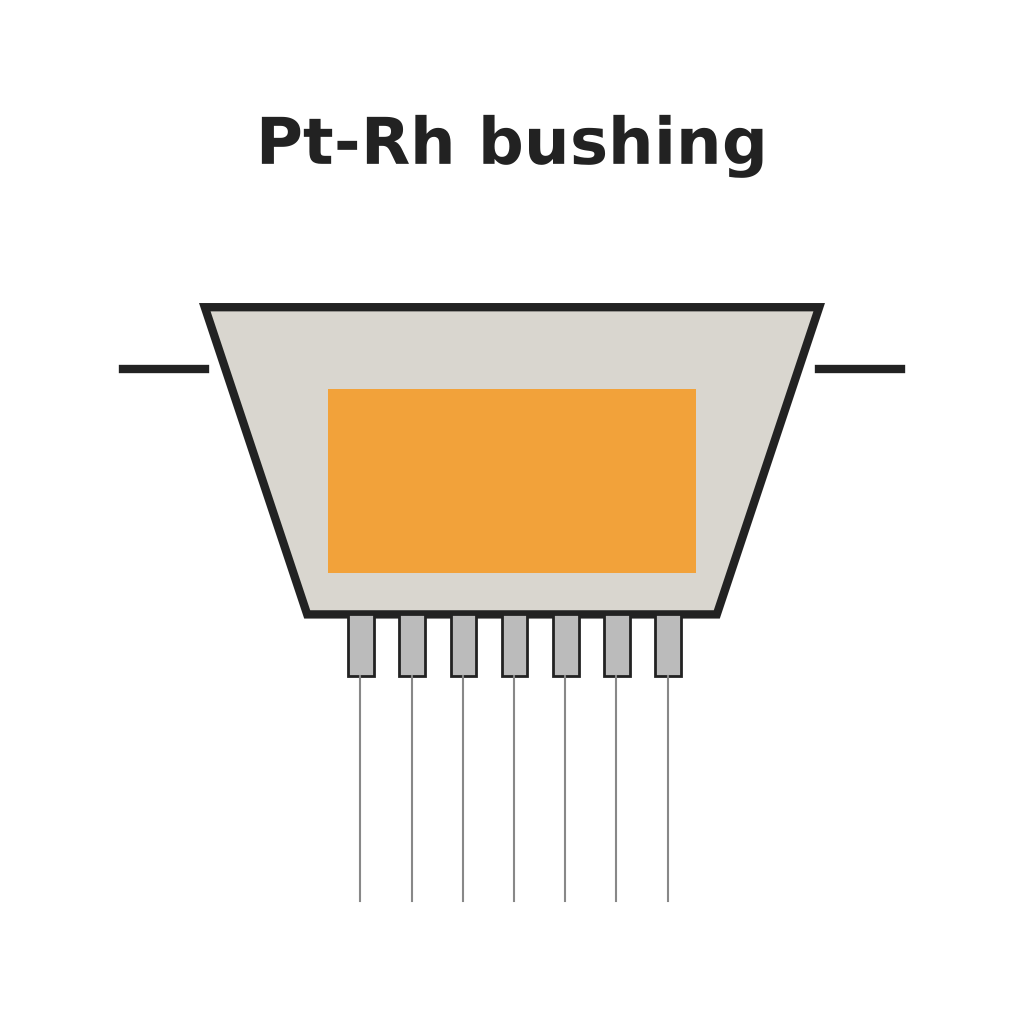 པ་ལ་ཊི་ནམ་-རོ་ཌི་ཡམ་ སྐུད་འཐེན་སྒམ
 ཚ་བཟོད་ཀྱི་ལག་ཤུབས།
 ཉེན་སྲུང་མིག་ཤེལ།
2
2
Melt it with an electric current
Melt it with an electric current
Pass an adjustable current through the thimble to melt the glass. Ordinary lime glass is pulled from about 2,100–2,500 °F (about 1,150–1,370 °C).
ལག་ཆས་དགོས་མཁོ:
པ་ལ་ཊི་ནམ་-རོ་ཌི་ཡམ་ སྐུད་འཐེན་སྒམ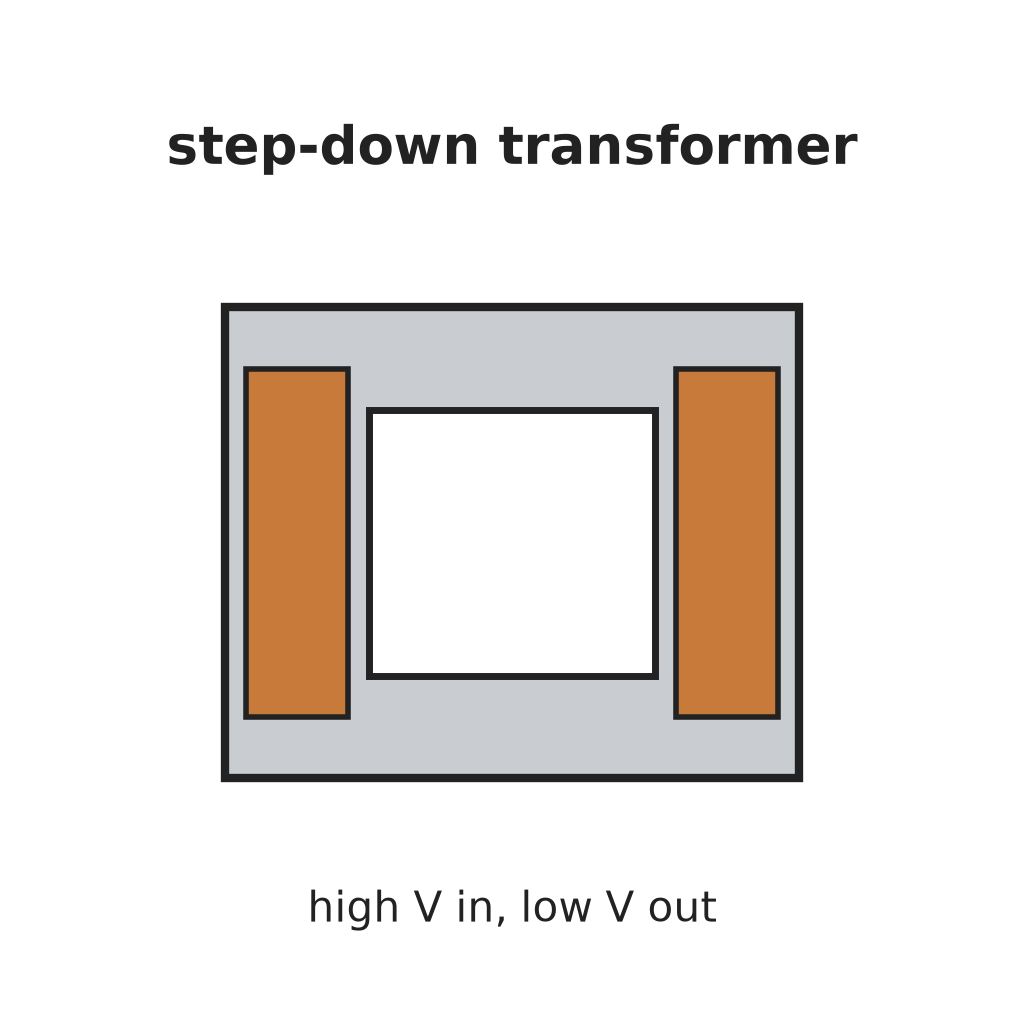 གློག་ཤུགས་འབབ་བཏང་གི་ཊྲཱནས་ཕོར་མར
 པཱའི་རོ་མི་ཊརཚ་བཟོད་ཀྱི་ལག་ཤུབས།
3
3
Start the cooling blower
Start the cooling blower
Blow cool air across the nipple tips from a blower a short distance below them. Each filament sets within a small fraction of an inch of its nipple.
ལག་ཆས་དགོས་མཁོ:
 རླུང་འཕུ་འཕྲུལ་ཆས།
4
4
Gather the filaments through a sized guide
Gather the filaments through a sized guide
Draw all the filaments together through one guide eye kept wet with size. Here the size is wax, kept molten with a burner; the patent also names oil, starch, gum and resin. An air jet dries off the excess size.
གོམ་པ་འདིའི་རྫས་རིགས:
 པེ་ར་ཕིན་གྱི་སྤོས་དཀར་1 as required
ལག་ཆས་དགོས་མཁོ:
 བུན་སེན་གྱི་མེ་ཐབ།རླུང་འཕུ་འཕྲུལ་ཆས།
5
5
Pull and wind on a drum
Pull and wind on a drum
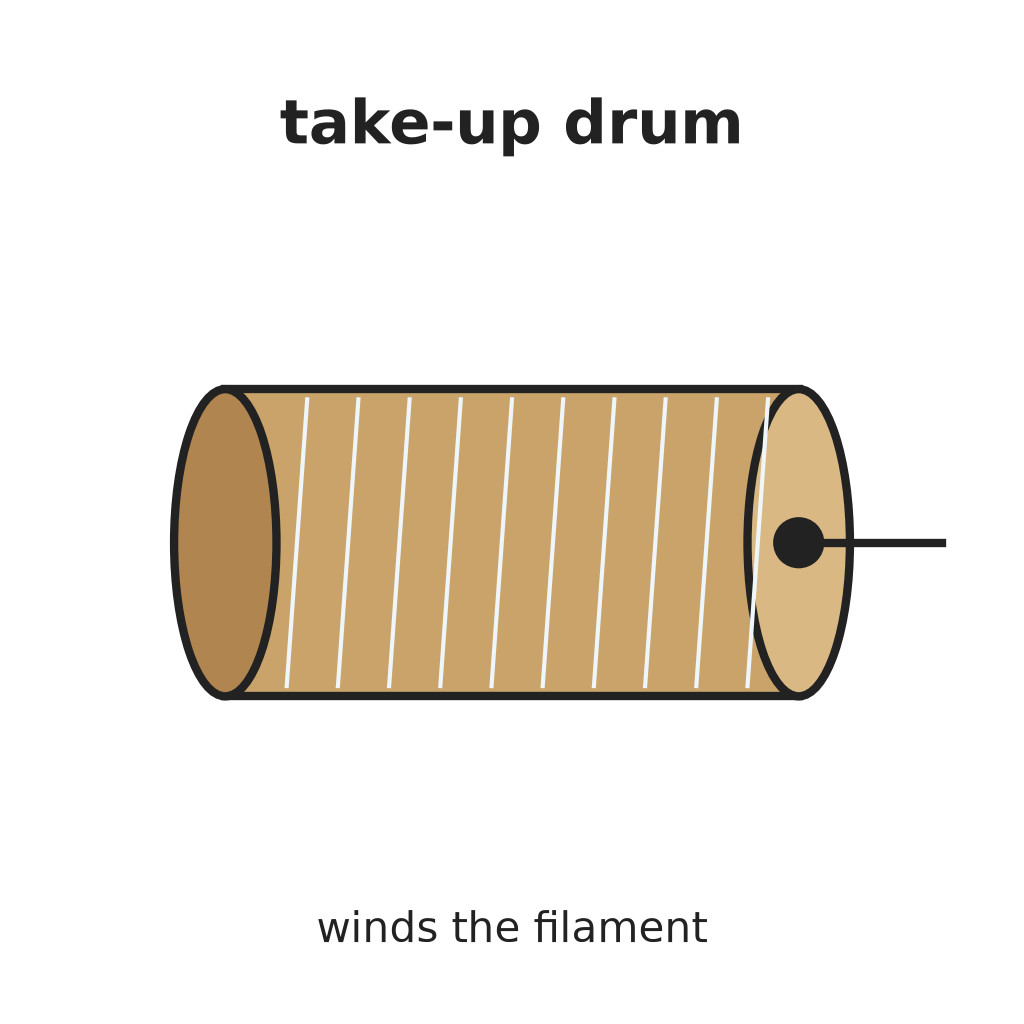
Wind the strand on a fast drum that moves back and forth so it lays evenly. Draw at a few hundred to a few thousand feet per minute: the faster you draw, the finer the fibre.
ལག་ཆས་དགོས་མཁོ:
 ཐག་ལེན་འཁོར་ལོ།
རྫས་རིགས
2- 1 as requiredས་ཆ་འཛིན
- 1 as requiredས་ཆ་འཛིན
ལག་ཆས་དགོས་མཁོ
8- ས་ཆ་འཛིན
- ས་ཆ་འཛིན
- ས་ཆ་འཛིན
- ས་ཆ་འཛིན
- ས་ཆ་འཛིན
- ས་ཆ་འཛིན
བིལུ་པིརིན་ཊི་འདི་གིས་བཟོ་མི
CC0 སྤྱི་དབང
བིལུ་པིརིན་ཊི་འདི་CC0 འོག་བཀྲམས་ཡོད། ཁྱེད་རང་གིས་ཆོག་མཆན་མ་བཞེས་པར་ཕབ་ལེན་དང་བཟོ་བཅོས། བགོ་བཤའ། དགོས་མཁོ་གང་ལའང་བཀོལ་སྤྱོད་བྱས་ཆོག
བཟོ་མཁན་ལ་རྒྱབ་སྐྱོར་བྱེད་པའི་ཆེད་ཁོང་ཚོའི་བིལུ་པིརིན་ཊི་བརྒྱུད་ཐོན་སྐྱེད་ཉོ། བཟོ་མཁན་གྱིས བཟོ་མཁན་གྱི་ཁེ་ཕོགས ཚོང་པས་གཏན་འཁེལ་བྱས་པ། ཡང་ན་བིལུ་པིརིན་ཊི་འདིའི་པར་གསར་བཟོས་ཏེ་ཁྱེད་རང་གི་བིལུ་པིརིན་ཊི་ནང་མཐུད་སྦྲེལ་བྱས་ཏེ་ཡོང་སྒོ་བགོ་བཤའ་བྱེད།