སྒྱུ་རྩལ
མཛེས་སྡུག་དང་བདེ་ཐང
བཟོ་རིག
རིག་གནས་དང་ལོ་རྒྱུས
དགའ་སྟོན
ཁོར་ཡུག
ཟས་དང་བཏུང་རྫས
ཕྱིར་འཕྲུལ་རིག
ཚན་རིག
རྩེད་འགྲན
རིག་རྩལ
གྱོན་རུང
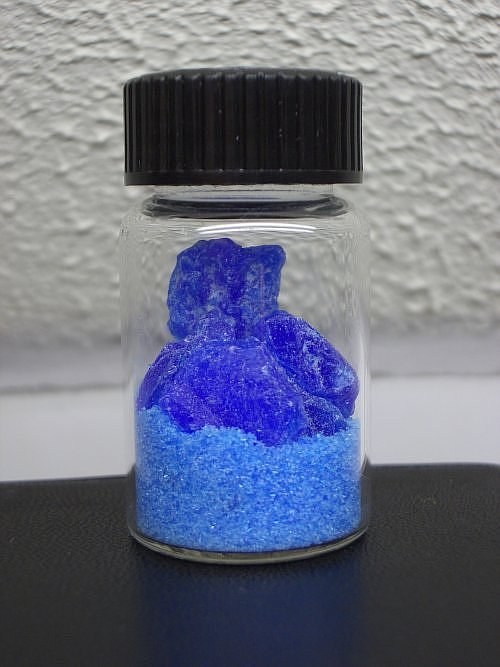


Copper Sulfate from Copper Oxide and Dilute Sulfuric Acid
Copper sulfate is made industrially by dissolving copper oxides in dilute sulfuric acid (or copper metal in hot concentrated acid). CuO + H₂SO₄ → CuSO₄ + H₂O. From the solution it crystallises in its blue hydrous form, the pentahydrate, which is about 25% copper, 38% sulfate and 36% water by mass. Commercial copper sulfate is about 98% pure. It is used as a fungicide, for etching zinc, aluminium and copper printing plates, and to make ferrous sulfate.
བར་མ
1–2 days
ལམ་སྟོན
1
1
Dissolve the oxide
Dissolve the oxide
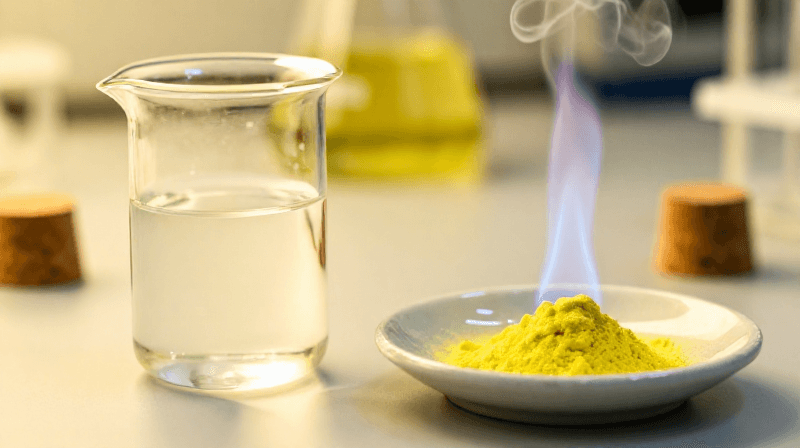
Stir copper(II) oxide into dilute sulfuric acid until no more dissolves. CuO + H₂SO₄ → CuSO₄ + H₂O; the solution turns blue.
གོམ་པ་འདིའི་རྫས་རིགས:
 ཟངས་ཀྱི་ཨོག་སི་ཌི1 as required
 སལ་ཕིའུ་རིཀ་སྐྱུར་རྫས་སླ་བ།1 as required
ལག་ཆས་དགོས་མཁོ:
 སྙིགས་མ་བབ་སའི་སྣོད།
2
2
Filter
Filter
Filter off any undissolved oxide.
ལག་ཆས་དགོས་མཁོ:
 ཆུར་བའི་རས།
3
3
Crystallise
Crystallise
Concentrate the blue solution and let the copper sulfate crystallise in its blue hydrous form.
ལག་ཆས་དགོས་མཁོ:
 རླངས་འགྱུར་ཅ་ཆས།
རྫས་རིགས
2- 1 as requiredས་ཆ་འཛིན
- 1 as requiredས་ཆ་འཛིན
ལག་ཆས་དགོས་མཁོ
3- ས་ཆ་འཛིན
- ས་ཆ་འཛིན
- ས་ཆ་འཛིན
བིལུ་པིརིན་ཊི་འདི་གིས་བཟོ་མི

འབྲེལ་ཡོད་བིལུ་པིརིན་ཊི
བིལུ་པིརིན་ཊི་འདི་ཚུ་ཐབས་ལམ་དང་རྫས་རིགས། སྤྱི་ཆོས་བགོ་བཤའ་བྱེད
CC0 སྤྱི་དབང
བིལུ་པིརིན་ཊི་འདི་CC0 འོག་བཀྲམས་ཡོད། ཁྱེད་རང་གིས་ཆོག་མཆན་མ་བཞེས་པར་ཕབ་ལེན་དང་བཟོ་བཅོས། བགོ་བཤའ། དགོས་མཁོ་གང་ལའང་བཀོལ་སྤྱོད་བྱས་ཆོག
བཟོ་མཁན་ལ་རྒྱབ་སྐྱོར་བྱེད་པའི་ཆེད་ཁོང་ཚོའི་བིལུ་པིརིན་ཊི་བརྒྱུད་ཐོན་སྐྱེད་ཉོ། བཟོ་མཁན་གྱིས བཟོ་མཁན་གྱི་ཁེ་ཕོགས ཚོང་པས་གཏན་འཁེལ་བྱས་པ། ཡང་ན་བིལུ་པིརིན་ཊི་འདིའི་པར་གསར་བཟོས་ཏེ་ཁྱེད་རང་གི་བིལུ་པིརིན་ཊི་ནང་མཐུད་སྦྲེལ་བྱས་ཏེ་ཡོང་སྒོ་བགོ་བཤའ་བྱེད།