སྒྱུ་རྩལ
མཛེས་སྡུག་དང་བདེ་ཐང
བཟོ་རིག
རིག་གནས་དང་ལོ་རྒྱུས
དགའ་སྟོན
ཁོར་ཡུག
ཟས་དང་བཏུང་རྫས
ཕྱིར་འཕྲུལ་རིག
ཚན་རིག
རྩེད་འགྲན
རིག་རྩལ
གྱོན་རུང
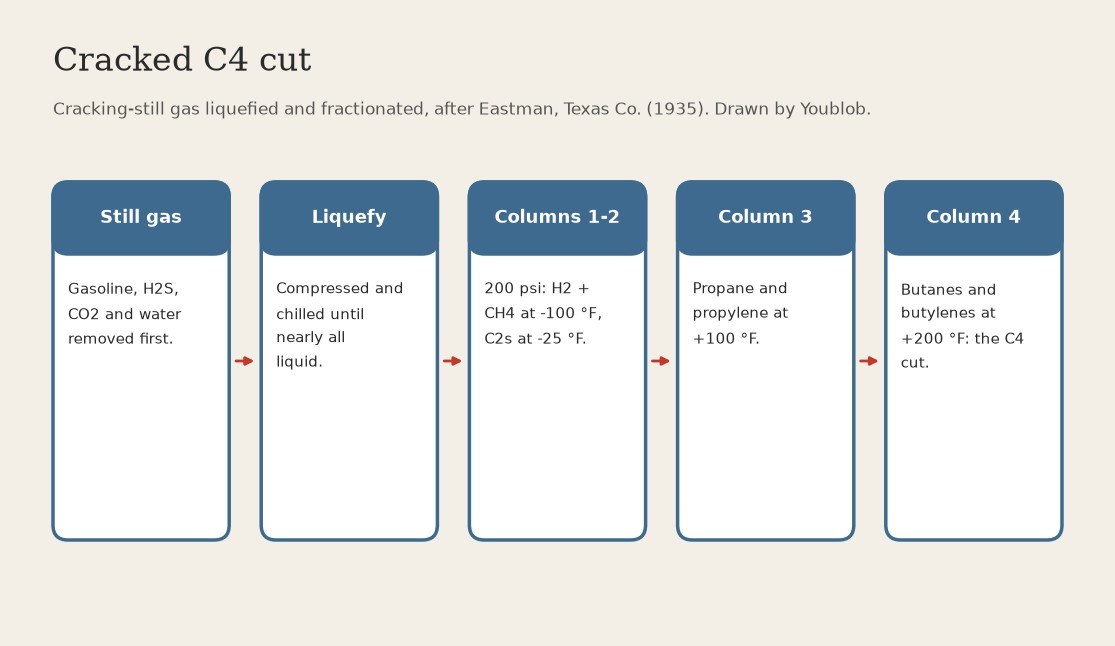


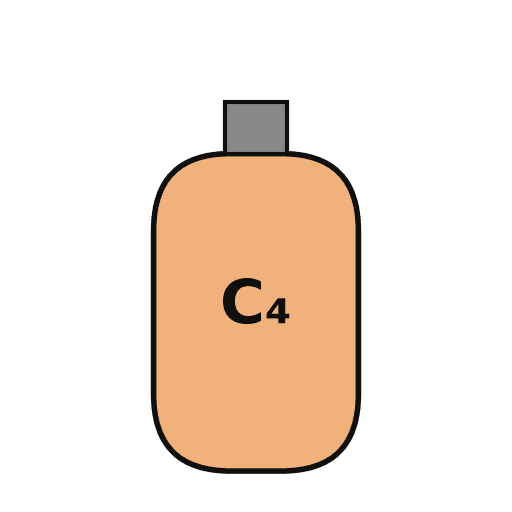
Cracked C4 Cut: Cracking-Still Gas Liquefied and Split in Four Columns at 200 psi (Eastman, Texas Co., US 2,014,724)
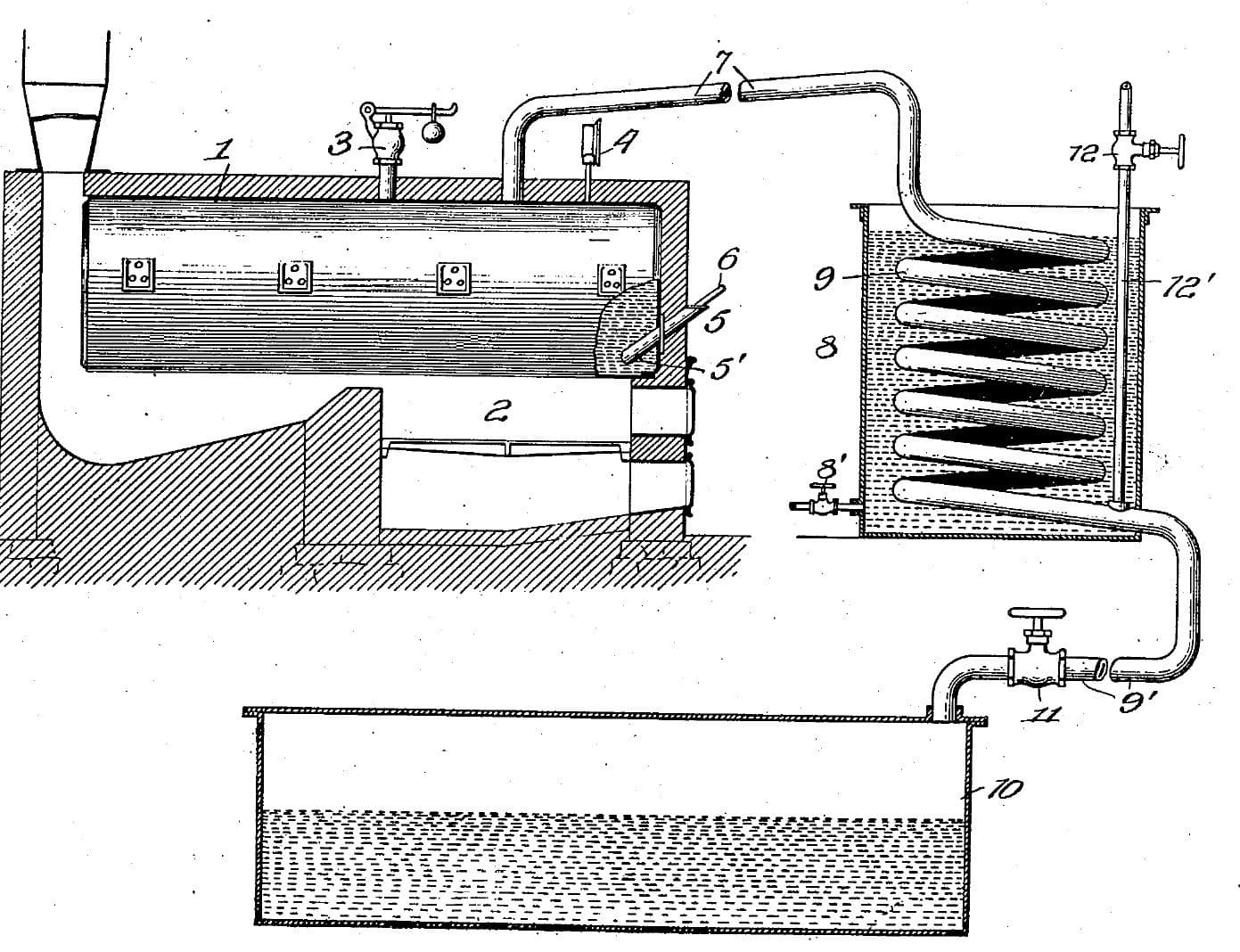
The gas from a cracking still is a mixture of light hydrocarbons. Compress it, chill it until it liquefies, and run it through four columns in turn: each column sends one group off its top, and the fourth gives the butanes and butylenes together, the C4 cut.
Result: a liquefied butane-butylene cut. Eastman does not give its composition.
Source: Eastman, US 2,014,724 (1935). Not given: the cut's make-up, how the impurities are removed, the refrigerant. The gas from Burton's still is used here as the same kind of cracking-still gas. Extremely flammable gases under pressure. Picture drawn by Youblob.
ཆེས་མཁས་པ
1 day
ལམ་སྟོན
1
1
Clean the cracking-still gas
Clean the cracking-still gas
Take the gas from a cracking still, preferably after its gasoline has been separated and impurities such as hydrogen sulfide, carbon dioxide and water removed. Eastman does not say how they are removed.
གོམ་པ་འདིའི་རྫས་རིགས:
 སྣུམ་ཀེ་རེག་གི་རླུང་རྫས།1 as required
ལག་ཆས་དགོས་མཁོ:
 གནོན་ཤུགས་ཀྱི་རླུང་རྫས་སྣོད།
2
2
Compress and chill it until it liquefies
Compress and chill it until it liquefies
Compress the gas, then cool it far enough that it liquefies almost completely.
ལག་ཆས་དགོས་མཁོ:
 རླུང་རྫས་གནོན་འཕྲུལ་ཆས།
 གྲང་ཚད་ཆེན་པོའི་བཅུ་ཐབས་ཀ་བ།
 གནོན་ཤུགས་འཇལ་ཆས།
3
3
Take off methane and hydrogen, then the C2s
Take off methane and hydrogen, then the C2s
Run the liquid through a series of fractionating columns at about 200 lbs per square inch. Methane and hydrogen escape from the top of the first column, at about -100 °F; ethylene and ethane from the second, at about -25 °F. Eastman burns the methane and hydrogen as fuel in his cracking furnaces.
ལག་ཆས་དགོས་མཁོ:
གྲང་ཚད་ཆེན་པོའི་བཅུ་ཐབས་ཀ་བ།གནོན་ཤུགས་འཇལ་ཆས།4
4
Take off propane and propylene
Take off propane and propylene
Propane and propylene leave the top of the third column, at about +100 °F.
ལག་ཆས་དགོས་མཁོ:
 ཆ་ཤས་བཙག་བཏོན་ཆསགནོན་ཤུགས་འཇལ་ཆས།
5
5
Take the butanes and butylenes from the fourth column
Take the butanes and butylenes from the fourth column
The butane and butylene come off the top of the fourth column, at about +200 °F under the same pressure. This is the C4 cut. Ours: condense it into pressure cylinders.
ལག་ཆས་དགོས་མཁོ:
ཆ་ཤས་བཙག་བཏོན་ཆསགནོན་ཤུགས་འཇལ་ཆས།གནོན་ཤུགས་ཀྱི་རླུང་རྫས་སྣོད།རྫས་རིགས
1- 1 as requiredས་ཆ་འཛིན
བིལུ་པིརིན་ཊི་འདི་གིས་བཟོ་མི
འབྲེལ་ཡོད་བིལུ་པིརིན་ཊི
བིལུ་པིརིན་ཊི་འདི་ཚུ་ཐབས་ལམ་དང་རྫས་རིགས། སྤྱི་ཆོས་བགོ་བཤའ་བྱེད
CC0 སྤྱི་དབང
བིལུ་པིརིན་ཊི་འདི་CC0 འོག་བཀྲམས་ཡོད། ཁྱེད་རང་གིས་ཆོག་མཆན་མ་བཞེས་པར་ཕབ་ལེན་དང་བཟོ་བཅོས། བགོ་བཤའ། དགོས་མཁོ་གང་ལའང་བཀོལ་སྤྱོད་བྱས་ཆོག
བཟོ་མཁན་ལ་རྒྱབ་སྐྱོར་བྱེད་པའི་ཆེད་ཁོང་ཚོའི་བིལུ་པིརིན་ཊི་བརྒྱུད་ཐོན་སྐྱེད་ཉོ། བཟོ་མཁན་གྱིས བཟོ་མཁན་གྱི་ཁེ་ཕོགས ཚོང་པས་གཏན་འཁེལ་བྱས་པ། ཡང་ན་བིལུ་པིརིན་ཊི་འདིའི་པར་གསར་བཟོས་ཏེ་ཁྱེད་རང་གི་བིལུ་པིརིན་ཊི་ནང་མཐུད་སྦྲེལ་བྱས་ཏེ་ཡོང་སྒོ་བགོ་བཤའ་བྱེད།