སྒྱུ་རྩལ
མཛེས་སྡུག་དང་བདེ་ཐང
བཟོ་རིག
རིག་གནས་དང་ལོ་རྒྱུས
དགའ་སྟོན
ཁོར་ཡུག
ཟས་དང་བཏུང་རྫས
ཕྱིར་འཕྲུལ་རིག
ཚན་རིག
རྩེད་འགྲན
རིག་རྩལ
གྱོན་རུང
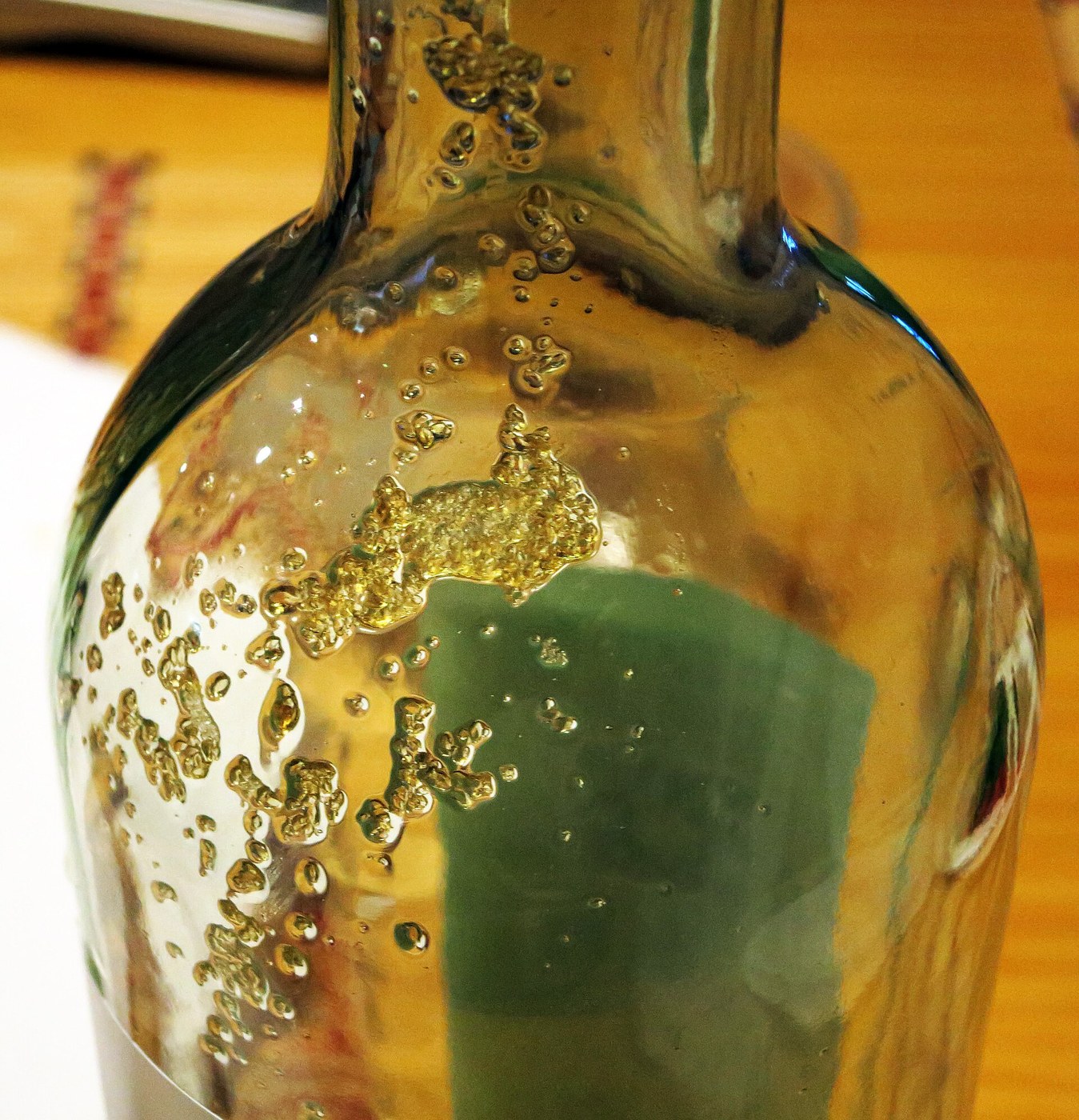


Cream of Tartar from Wine Lees
Cream of tartar is potassium bitartrate, a by-product of winemaking. It forms naturally in grapes and, because it dissolves poorly, it crystallises in wine casks during fermentation and settles with the lees, the sediment left when the young wine is racked off. Its solubility rises steeply with temperature, so the lees are dissolved in hot water, filtered, and cooled: the potassium bitartrate crystallises out and is filtered off again. Purified, it is the white, odourless, acidic powder used in cooking.
འགོ་བཙུགས
1–2 days
ལམ་སྟོན
1
1
Collect the lees
Collect the lees
After fermentation, rack the wine off and keep the sediment, the lees.
གོམ་པ་འདིའི་རྫས་རིགས:
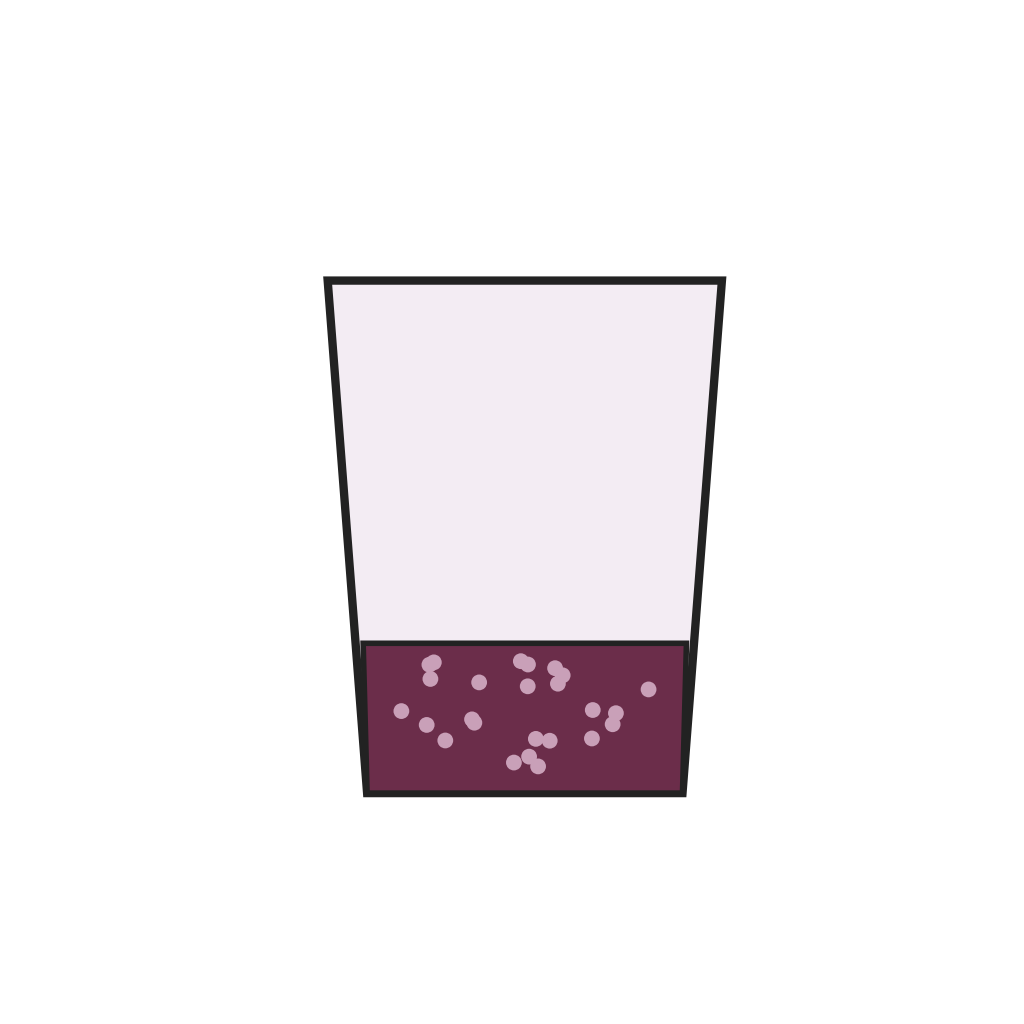 རྒུན་ཆང་གི་སྙིགས་མ།1 as required
2
2
Dissolve hot and filter
Dissolve hot and filter
Dissolve the lees in hot water and filter out the solids.
གོམ་པ་འདིའི་རྫས་རིགས:
 ཆུ།1 as required
ལག་ཆས་དགོས་མཁོ:
 ཁུ་བའི་ཧོད་ཆེན།
 ཆུར་བའི་རས།
3
3
Cool and crystallise
Cool and crystallise
Let the filtered solution cool. As it cools the potassium bitartrate crystallises out; collect the crystals by filtering again.
ལག་ཆས་དགོས་མཁོ:
ཆུར་བའི་རས།4
4
Dry and powder
Dry and powder
Dry the crystals; the purified salt is a white, odourless, acidic powder.
ལག་ཆས་དགོས་མཁོ
2- ས་ཆ་འཛིན
- ས་ཆ་འཛིན
བིལུ་པིརིན་ཊི་འདི་གིས་བཟོ་མི

འབྲེལ་ཡོད་བིལུ་པིརིན་ཊི
བིལུ་པིརིན་ཊི་འདི་ཚུ་ཐབས་ལམ་དང་རྫས་རིགས། སྤྱི་ཆོས་བགོ་བཤའ་བྱེད

CC0 སྤྱི་དབང
བིལུ་པིརིན་ཊི་འདི་CC0 འོག་བཀྲམས་ཡོད། ཁྱེད་རང་གིས་ཆོག་མཆན་མ་བཞེས་པར་ཕབ་ལེན་དང་བཟོ་བཅོས། བགོ་བཤའ། དགོས་མཁོ་གང་ལའང་བཀོལ་སྤྱོད་བྱས་ཆོག
བཟོ་མཁན་ལ་རྒྱབ་སྐྱོར་བྱེད་པའི་ཆེད་ཁོང་ཚོའི་བིལུ་པིརིན་ཊི་བརྒྱུད་ཐོན་སྐྱེད་ཉོ། བཟོ་མཁན་གྱིས བཟོ་མཁན་གྱི་ཁེ་ཕོགས ཚོང་པས་གཏན་འཁེལ་བྱས་པ། ཡང་ན་བིལུ་པིརིན་ཊི་འདིའི་པར་གསར་བཟོས་ཏེ་ཁྱེད་རང་གི་བིལུ་པིརིན་ཊི་ནང་མཐུད་སྦྲེལ་བྱས་ཏེ་ཡོང་སྒོ་བགོ་བཤའ་བྱེད།