སྒྱུ་རྩལ
མཛེས་སྡུག་དང་བདེ་ཐང
བཟོ་རིག
རིག་གནས་དང་ལོ་རྒྱུས
དགའ་སྟོན
ཁོར་ཡུག
ཟས་དང་བཏུང་རྫས
ཕྱིར་འཕྲུལ་རིག
ཚན་རིག
རྩེད་འགྲན
རིག་རྩལ
གྱོན་རུང
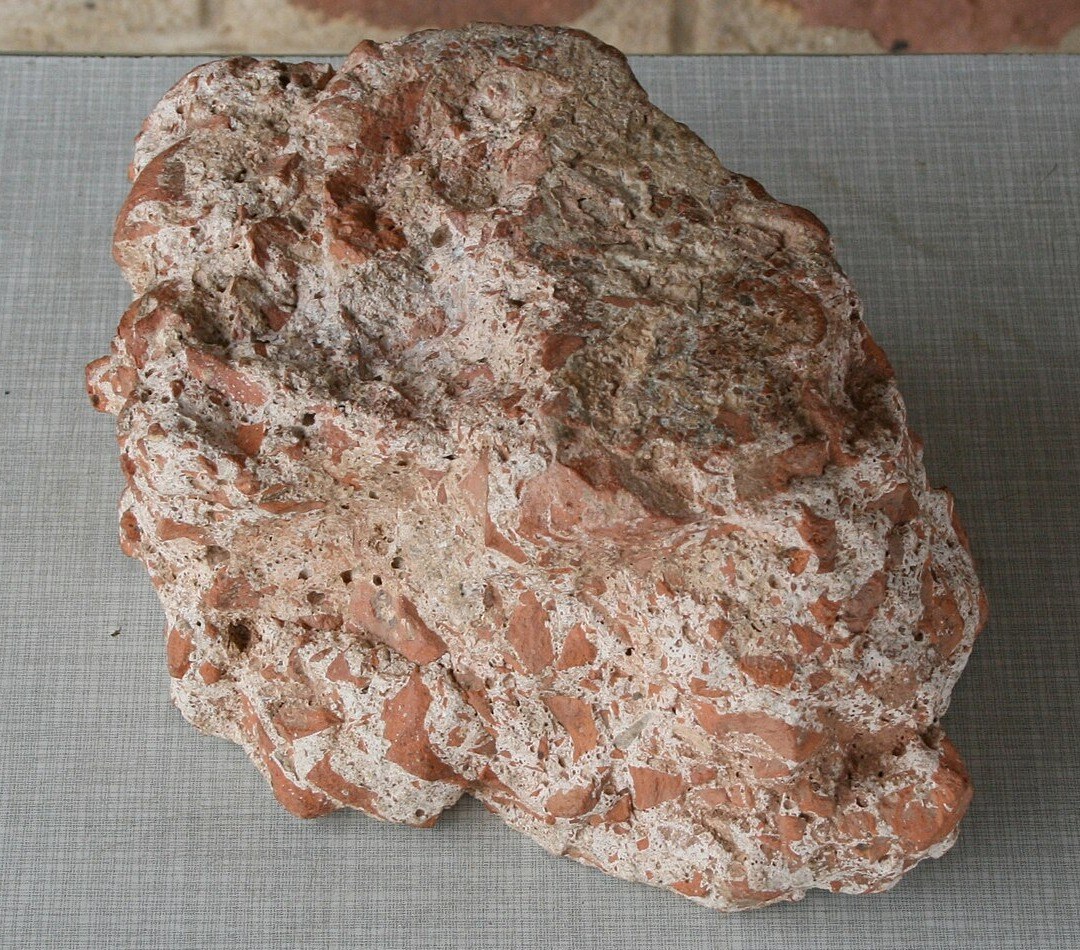


Crushed Terracotta for Cocciopesto, Coarse and Fine
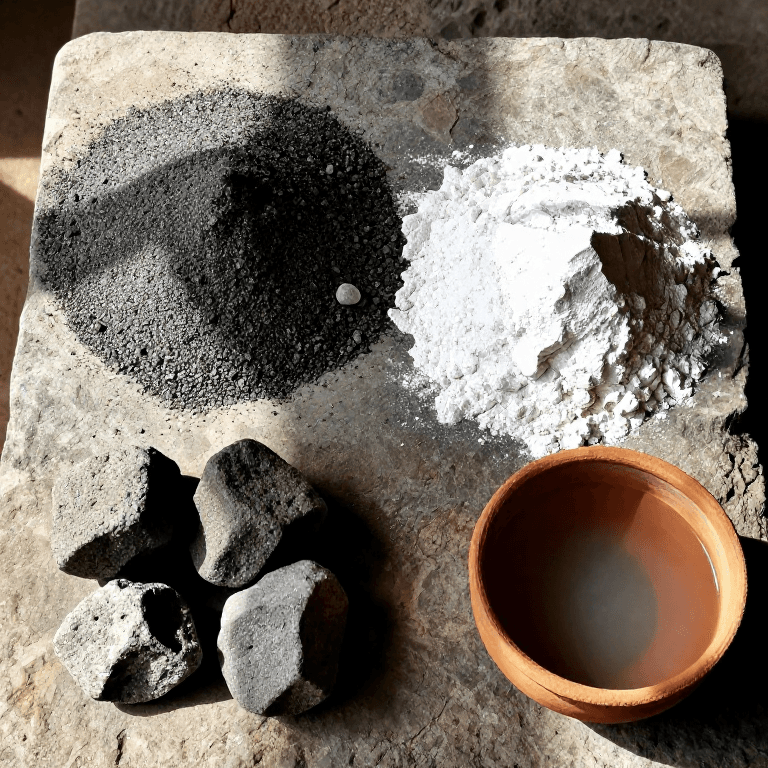
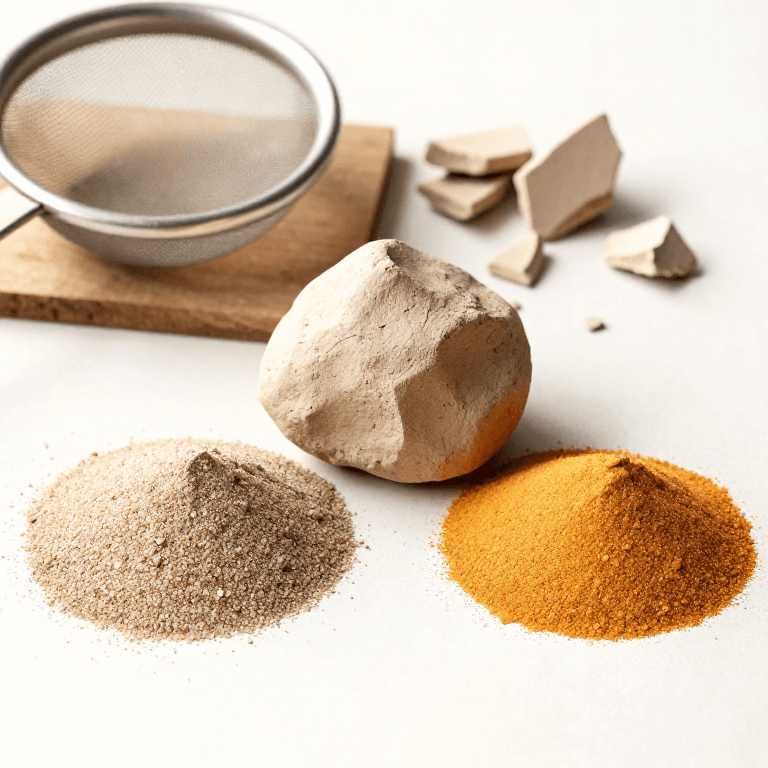
Broken pottery, tile or brick, crushed and mixed with lime, made the Roman waterproof mortar opus signinum (cocciopesto), used for baths, aqueducts and cisterns. Pliny says the broken pottery was beaten to powder. Crush fired brick or tile and sieve it into a coarse grade and a fine powder.
The picture: a fragment of Roman pavement, broken pottery set in lime.
འགོ་བཙུགས
Half a day
ལམ་སྟོན
1
1
Break it up
Break it up
Put fired bricks or tile pieces in a sack and break them with the sledgehammer into pieces smaller than a walnut. Wear glasses.
གོམ་པ་འདིའི་རྫས་རིགས:
 བསྲེགས་ཡོད་པའི་འཇིམ་པའི་ས་ཕག3 དུམ་བུ།
ལག་ཆས་དགོས་མཁོ:
 ཇུཊ་ཀྱི་སྒྱེ་མ།
 ཐོ་བ་ཆེན།
 ཉེན་སྲུང་མིག་ཤེལ།
2
2
Sieve the coarse grade
Sieve the coarse grade
Shake the crush through the sieve. What passes is the coarse grade; what stays goes back in the sack to be crushed again.
ལག་ཆས་དགོས་མཁོ:
 ཚགས་མ་རྩུབ་པ།
 ཟོམ།
ཟོམ།3
3
Pound to powder
Pound to powder
Pound some of the coarse grade in the mortar and shake it through the fine sieve. What passes is the fine powder.
ལག་ཆས་དགོས་མཁོ:
 རྡོའི་གཏུན་ཁུང་དང་གཏུན་ཤིང་།
 དྲ་ཕྲ་བའི་ཚག་མ།ཟོམ།ཉེན་སྲུང་མིག་ཤེལ།
4
4
Store
Store
Keep each grade dry in its own bucket, ready to mix with lime.
ལག་ཆས་དགོས་མཁོ:
ཟོམ།5
5
Sorting the crush
Sorting the crush
Jupyter ཚང་དེབ་མངོན་གསལ་འབད་དོ་…
རྫས་རིགས
1- 3 དུམ་བུ།ས་ཆ་འཛིན
བིལུ་པིརིན་ཊི་འདི་གིས་བཟོ་མི



འབྲེལ་ཡོད་བིལུ་པིརིན་ཊི
བིལུ་པིརིན་ཊི་འདི་ཚུ་ཐབས་ལམ་དང་རྫས་རིགས། སྤྱི་ཆོས་བགོ་བཤའ་བྱེད


CC0 སྤྱི་དབང
བིལུ་པིརིན་ཊི་འདི་CC0 འོག་བཀྲམས་ཡོད། ཁྱེད་རང་གིས་ཆོག་མཆན་མ་བཞེས་པར་ཕབ་ལེན་དང་བཟོ་བཅོས། བགོ་བཤའ། དགོས་མཁོ་གང་ལའང་བཀོལ་སྤྱོད་བྱས་ཆོག
བཟོ་མཁན་ལ་རྒྱབ་སྐྱོར་བྱེད་པའི་ཆེད་ཁོང་ཚོའི་བིལུ་པིརིན་ཊི་བརྒྱུད་ཐོན་སྐྱེད་ཉོ། བཟོ་མཁན་གྱིས བཟོ་མཁན་གྱི་ཁེ་ཕོགས ཚོང་པས་གཏན་འཁེལ་བྱས་པ། ཡང་ན་བིལུ་པིརིན་ཊི་འདིའི་པར་གསར་བཟོས་ཏེ་ཁྱེད་རང་གི་བིལུ་པིརིན་ཊི་ནང་མཐུད་སྦྲེལ་བྱས་ཏེ་ཡོང་སྒོ་བགོ་བཤའ་བྱེད།