སྒྱུ་རྩལ
མཛེས་སྡུག་དང་བདེ་ཐང
བཟོ་རིག
རིག་གནས་དང་ལོ་རྒྱུས
དགའ་སྟོན
ཁོར་ཡུག
ཟས་དང་བཏུང་རྫས
ཕྱིར་འཕྲུལ་རིག
ཚན་རིག
རྩེད་འགྲན
རིག་རྩལ
གྱོན་རུང
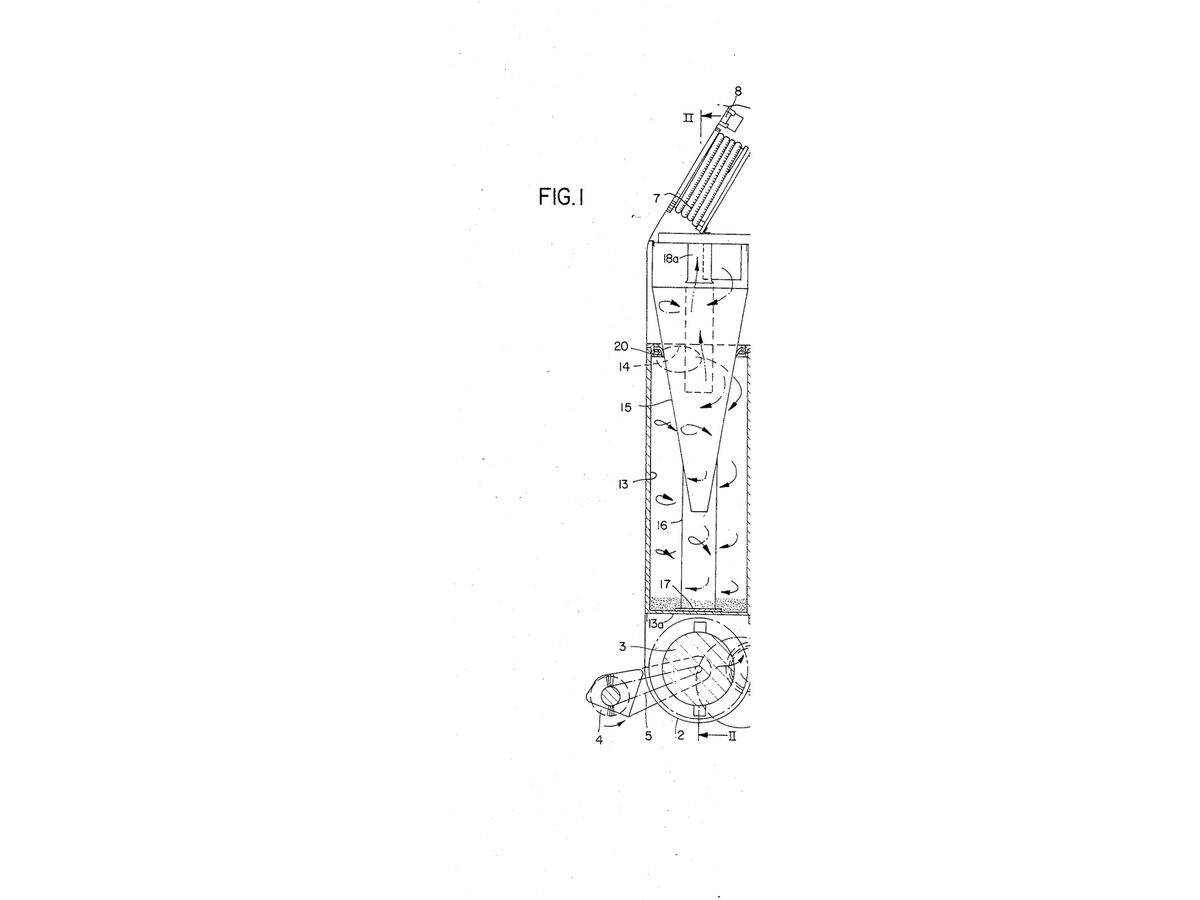


Cyclone Vacuum Separator
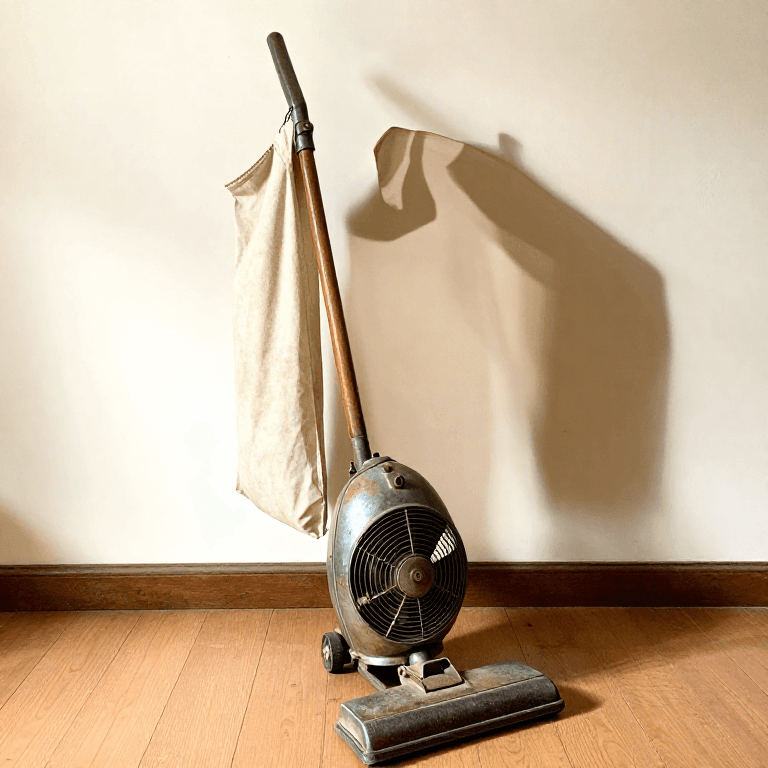
Spangler's cleaner, already published, pulls air through a bag: the bag is both the filter and the bin, so suction falls away as it fills. James Dyson, who had used industrial cyclones in a sawmill, put the same idea in a cleaner - and then a second, finer cyclone behind the first, so both grit and dust come out of the air before any filter.
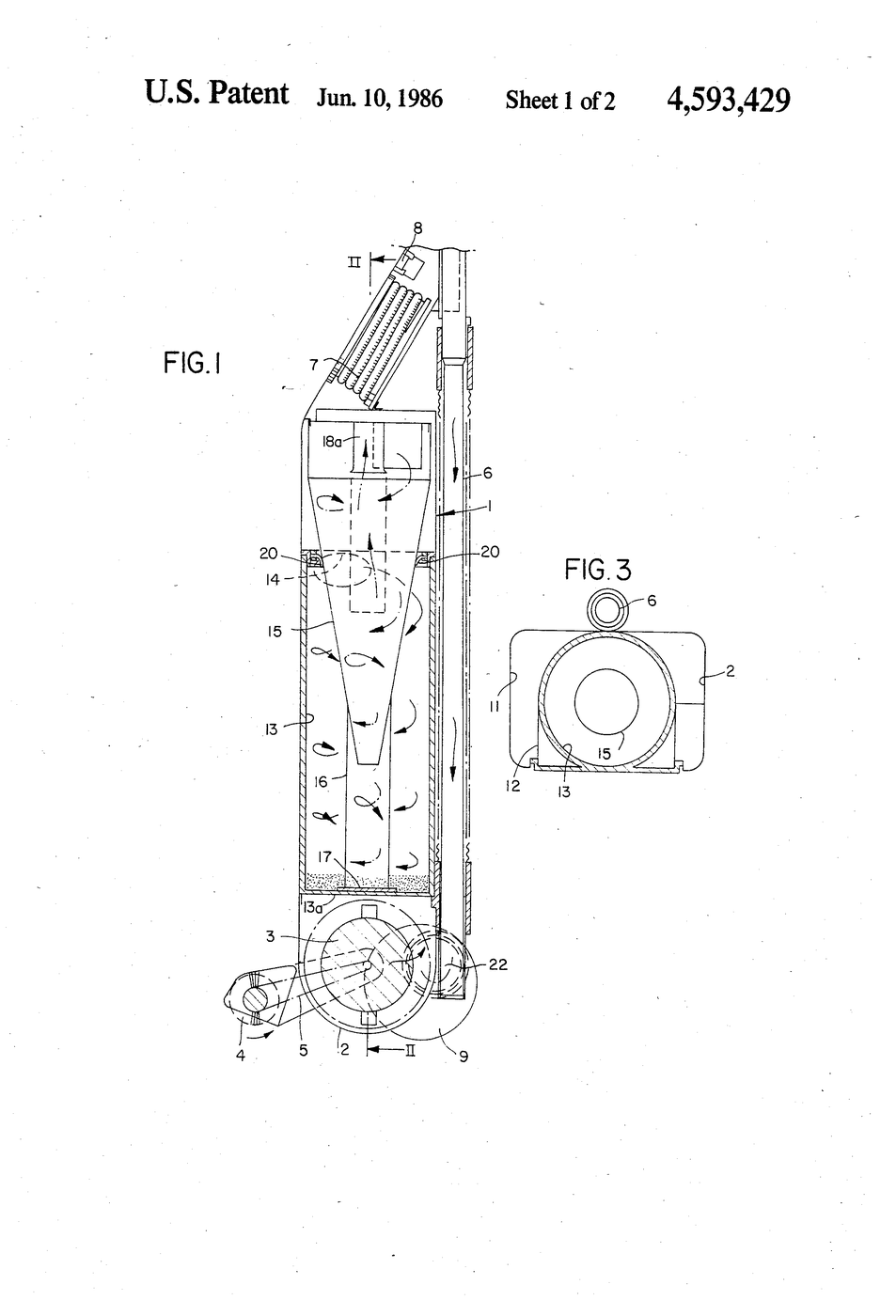
**US 4,593,429**, "Vacuum cleaning appliance", Dyson, filed 14. August 1984, granted 10. June 1986: a lower-efficiency outer cyclone and a high-efficiency inner cyclone in series, so "dust bags are not required".
**You build the outer cyclone** from a bottle and pipe on a workshop vacuum, and weigh what it separates - sawdust and flour - to find where it stops working, and how far a home-made cyclone falls short of the textbook.
བར་མ
3 hours
ལམ་སྟོན
1
1
Cut the body
Cut the body
Cut the bottom from a 2 litre bottle: that is the cone, open end down into a jar. The neck end carries the outlet.
གོམ་པ་འདིའི་རྫས་རིགས:
 ཕའི་ལཱསི་ཊིག་བཏུང་ཆུའི་ཤེལ་དམ། (ལི་ཊར་ ༢)1 དུམ་བུ།
 ཤེལ་སྣོད།1 དུམ་བུ།
ལག་ཆས་དགོས་མཁོ:
 ལག་བཟོའི་གྲི་གུ
 གསལ་བའི་ཉེན་སྲུང་མིག་ཤེལ།
2
2
Tangential inlet
Tangential inlet
Cut a 20 x 45 mm slot high on the bottle's side and glue in a short PVC pipe so the air enters along the wall, not towards the middle. This is what makes the air spin.
གོམ་པ་འདིའི་རྫས་རིགས:
 PVC སྦུག་མ།1 དུམ་བུ།
 སི་ལི་ཀོན་གྱི་ཁ་རྒྱ།20 ml
ལག་ཆས་དགོས་མཁོ:
ལག་བཟོའི་གྲི་གུ ཐིག་ཤིང་།
3
3
Vortex finder
Vortex finder
Fit a pipe down the centre from the neck so it reaches just below the inlet slot: clean air leaves up this tube. Seal round it. Connect the vacuum to the tube and the inlet to the hose.
གོམ་པ་འདིའི་རྫས་རིགས:
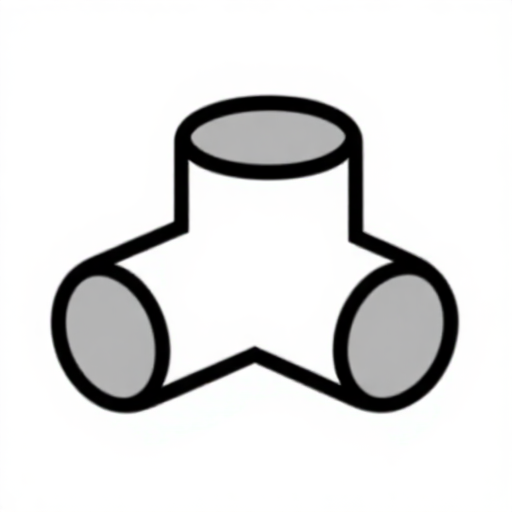 PVC སྦུག་མའི་མཐུད་ཆས་ཆ་ཚན།1 ཚན་པ།
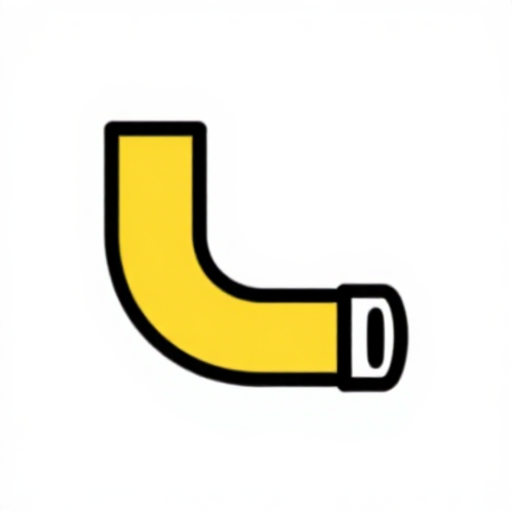 དྭངས་གསལ་གྱི་ཝི་ནཱིལ་སྦུག་མ།1 མི་ཊར།
ལག་ཆས་དགོས་མཁོ:
 སྤྱིན་ཚ་བའི་མེ་མདའ།
 ཁེབས་ནིའི་སྦྱར་ཤོག།
4
4
A filter you can weigh
A filter you can weigh
Tape a weighed coffee filter paper over the vacuum's own inlet as a catch filter. Everything the cyclone misses lands there.
གོམ་པ་འདིའི་རྫས་རིགས:
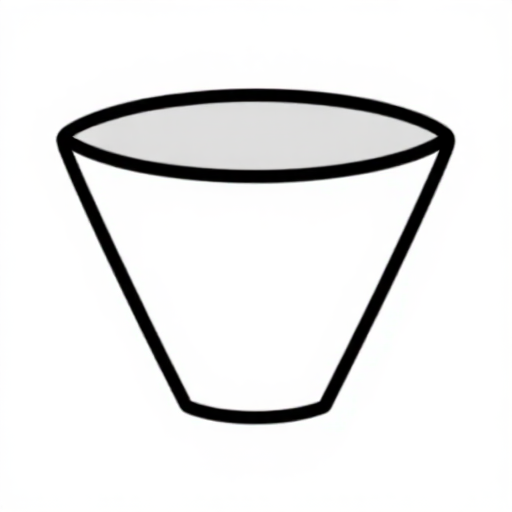 ཀོ་ཕིའི་ཚགས་ཤོག / ཚགས་ཤོག།2 དུམ་བུ།
ལག་ཆས་དགོས་མཁོ:
 ཏག་ཏག་གི་ཨང་རྟགས་སྲང་།
5
5
Feed it two dusts
Feed it two dusts
Weigh 50 g of sawdust and feed it slowly into the hose with the vacuum running. Weigh what lands in the jar and what the stocking gained. Repeat with 50 g of flour, and once more with the cyclone bypassed.
གོམ་པ་འདིའི་རྫས་རིགས:
 སོག་ལེའི་ཕྱེ་མ།50 g
 གྲོ་ཕྱེ་རྐྱང་པ།50 g
ལག་ཆས་དགོས་མཁོ:
 བཟོ་ཁང་གི་རླུང་འཐེན་གཙང་བཟོ་འཕྲུལ་ཆས།ཏག་ཏག་གི་ཨང་རྟགས་སྲང་།
6
6
Cut size and your efficiency
Cut size and your efficiency
Jupyter ཚང་དེབ་མངོན་གསལ་འབད་དོ་…
7
7
History & Context
History & Context
**What the patent specifies:** two cyclones in series - a coarse one and a fine one - so no dust bag is needed and the air leaving is substantially clean. **Modern build (derived):** the coarse stage alone, on a workshop vacuum, with a weighed filter behind it.
Cyclones were old in industry - sawmills and cement works had used them for a century - and the invention was bringing them, in series, into a domestic cleaner. Their limits: fine dust below the cut size still needs a filter, cyclones cost pressure drop, and a full bin upsets the flow.
རྫས་རིགས
9- ས་ཆ་འཛིན
- 1 དུམ་བུ།ས་ཆ་འཛིན
- 1 དུམ་བུ།ས་ཆ་འཛིན
- 20 mlས་ཆ་འཛིན
- 1 ཚན་པ།ས་ཆ་འཛིན
- 1 མི་ཊར།ས་ཆ་འཛིན
- 2 དུམ་བུ།ས་ཆ་འཛིན
- 50 gས་ཆ་འཛིན
- 50 gས་ཆ་འཛིན
ལག་ཆས་དགོས་མཁོ
7- ས་ཆ་འཛིན
- ས་ཆ་འཛིན
- ས་ཆ་འཛིན
- ས་ཆ་འཛིན
- ས་ཆ་འཛིན
- ས་ཆ་འཛིན
བིལུ་པིརིན་ཊི་འདི་གིས་བཟོ་མི
འབྲེལ་ཡོད་བིལུ་པིརིན་ཊི
བིལུ་པིརིན་ཊི་འདི་ཚུ་ཐབས་ལམ་དང་རྫས་རིགས། སྤྱི་ཆོས་བགོ་བཤའ་བྱེད

CC0 སྤྱི་དབང
བིལུ་པིརིན་ཊི་འདི་CC0 འོག་བཀྲམས་ཡོད། ཁྱེད་རང་གིས་ཆོག་མཆན་མ་བཞེས་པར་ཕབ་ལེན་དང་བཟོ་བཅོས། བགོ་བཤའ། དགོས་མཁོ་གང་ལའང་བཀོལ་སྤྱོད་བྱས་ཆོག
བཟོ་མཁན་ལ་རྒྱབ་སྐྱོར་བྱེད་པའི་ཆེད་ཁོང་ཚོའི་བིལུ་པིརིན་ཊི་བརྒྱུད་ཐོན་སྐྱེད་ཉོ། བཟོ་མཁན་གྱིས བཟོ་མཁན་གྱི་ཁེ་ཕོགས ཚོང་པས་གཏན་འཁེལ་བྱས་པ། ཡང་ན་བིལུ་པིརིན་ཊི་འདིའི་པར་གསར་བཟོས་ཏེ་ཁྱེད་རང་གི་བིལུ་པིརིན་ཊི་ནང་མཐུད་སྦྲེལ་བྱས་ཏེ་ཡོང་སྒོ་བགོ་བཤའ་བྱེད།