སྒྱུ་རྩལ
མཛེས་སྡུག་དང་བདེ་ཐང
བཟོ་རིག
རིག་གནས་དང་ལོ་རྒྱུས
དགའ་སྟོན
ཁོར་ཡུག
ཟས་དང་བཏུང་རྫས
ཕྱིར་འཕྲུལ་རིག
ཚན་རིག
རྩེད་འགྲན
རིག་རྩལ
གྱོན་རུང
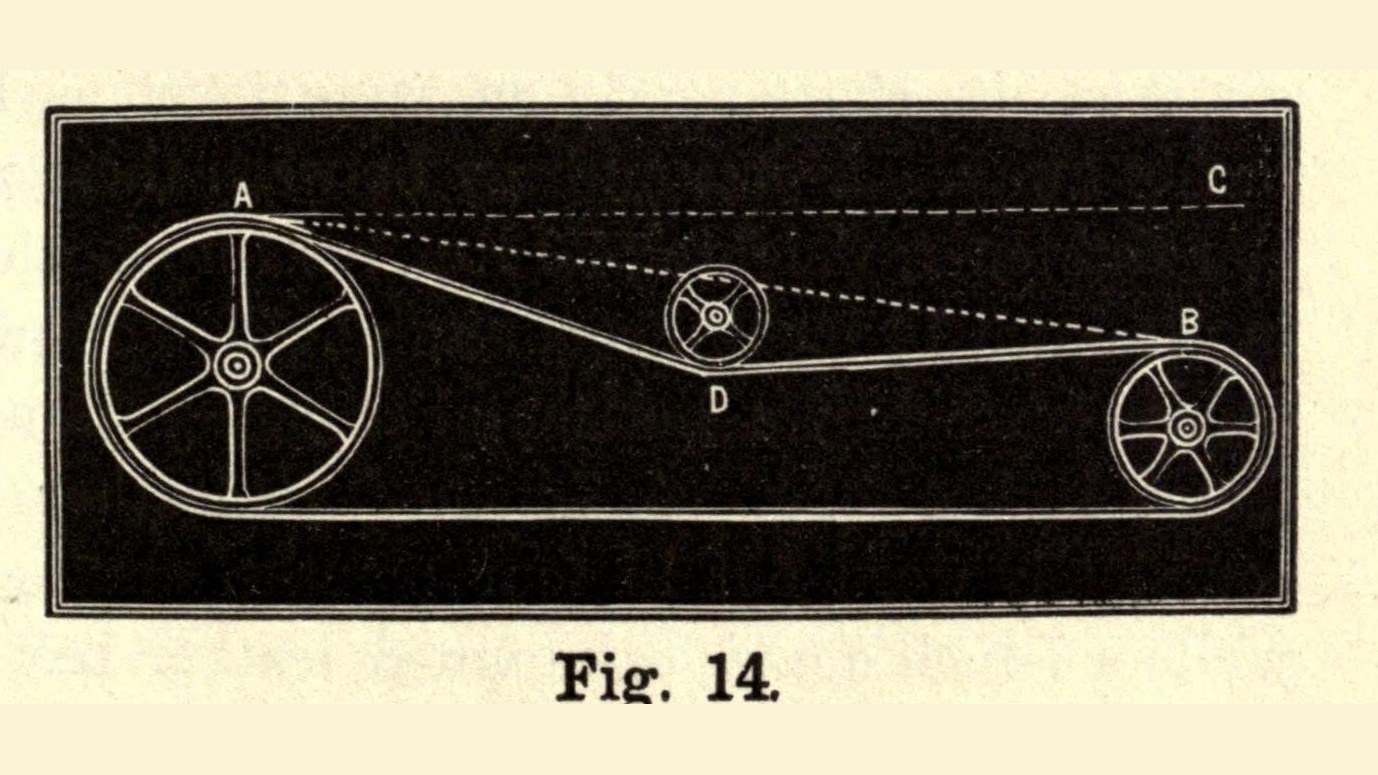


Drive Belt: a Flat Leather Belt of Oak-Tanned Butts, Spliced, Cemented and Sewn (Cooper, 1888)
Before rubber and V-belts, machines were driven by flat leather belts running on crowned pulleys. J. H. Cooper's Treatise on the Use of Belting (1888) quotes how the best English belts were made: only the butt of an oak-bark tanned ox-hide, stretched by machinery and dried stretched, cut in strips joined by feather-edged splices that are cemented and then sewn with strong waxed hemp. Single belts are 3/16 to 1/4 inch thick; heavy double belts, two layers cemented and sewn their whole length, 5/16 to 7/16 inch.
The cement, the width, the splice length and the stitching are not given; those are unknown here.
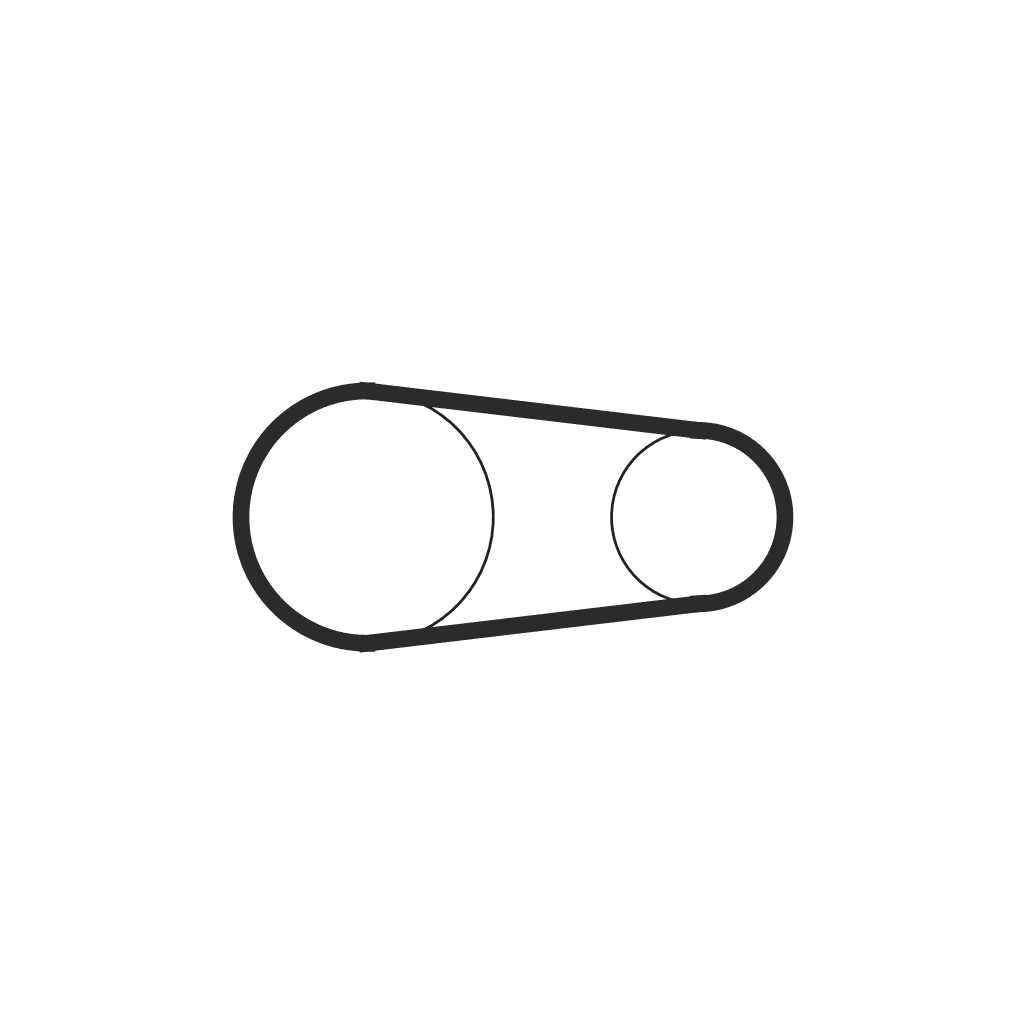
Source: J. H. Cooper, A Treatise on the Use of Belting (1888), pp. 82, 116-117. Picture: his Fig. 14, a belt with a tension roller.
བར་མ
A day for a short belt
ལམ་སྟོན
1
1
Read Cooper
Read Cooper
"For light work, belts of single substance are sufficient, the strips of leather being joined together by feather-edged splices, first cemented and then sewn."
2
2
Choose the butts
Choose the butts
Use only the butt, the prime part of an oak-bark tanned ox-hide; cut the shoulders off, because they stretch in a different direction from the butt and make a belt run crooked. Stretch the butts hard and let them dry while held extended: good strap butts can be lengthened for good by 4 to 5 inches. The stretching machinery is not described (unknown).
གོམ་པ་འདིའི་རྫས་རིགས:
 རྩི་ཤིང་གིས་བཟོ་བའི་པགས་ཀོ།1 butts
ལག་ཆས་དགོས་མཁོ:
 ཀོ་བ་སྲབ་བཟོ་གྱི་གྱི་ཅུང་།
 ངོ་མ་ཤེས་པའི་རྒྱུ་ཆ།
3
3
Cut and splice the strips
Cut and splice the strips
Cut the butts into strips of the belt's width, cutting the ends square. Thin the ends to a feather edge so they overlap without a step, and cement the splices. The cement, the width and the length of the splice are not given (unknown).
གོམ་པ་འདིའི་རྫས་རིགས:
ངོ་མ་ཤེས་པའི་རྒྱུ་ཆ།1 cementལག་ཆས་དགོས་མཁོ:
ཀོ་བ་སྲབ་བཟོ་གྱི་གྱི་ཅུང་། མ་ཤེས་པའི་ཚད།
4
4
Sew the splices
Sew the splices
Sew each cemented splice with strong, well-waxed hemp: wax the hemp cord with beeswax, pierce the stitch holes with an awl and sew through. A single belt is 3/16 to 1/4 inch thick. For heavy work, lay two (or three) thicknesses together, cement them and sew them through their whole length: a double belt is 5/16 to 7/16 inch thick.
གོམ་པ་འདིའི་རྫས་རིགས:
 སོ་མའི་ཐག་པ།1 as required
 སྦྲང་ཞུན།1 to wax the hemp
ལག་ཆས་དགོས་མཁོ:
 ཁབ་ཆེན།
5
5
History and honest limits
History and honest limits
Cooper's treatise gathers makers' and engineers' practice on belting; his sources sewed with waxed hemp or with thin alum-dressed hide, and some riveted double belts with copper or iron rivets by machine. He advises running belts on pulleys crowned slightly in the middle and keeping them supple with a dressing of neat's-foot oil, tallow and rosin.
The cement, belt width, splice length and stitch spacing are not given; vegetable-tanned leather stands for oak-bark tanned butts and beeswaxed hemp cord for waxed hemp.
རྫས་རིགས
4- 1 buttsས་ཆ་འཛིན
- 1 cementས་ཆ་འཛིན
- 1 as requiredས་ཆ་འཛིན
- 1 to wax the hempས་ཆ་འཛིན
ལག་ཆས་དགོས་མཁོ
4- ས་ཆ་འཛིན
- ས་ཆ་འཛིན
- ས་ཆ་འཛིན
- ས་ཆ་འཛིན
བིལུ་པིརིན་ཊི་འདི་གིས་བཟོ་མི
CC0 སྤྱི་དབང
བིལུ་པིརིན་ཊི་འདི་CC0 འོག་བཀྲམས་ཡོད། ཁྱེད་རང་གིས་ཆོག་མཆན་མ་བཞེས་པར་ཕབ་ལེན་དང་བཟོ་བཅོས། བགོ་བཤའ། དགོས་མཁོ་གང་ལའང་བཀོལ་སྤྱོད་བྱས་ཆོག
བཟོ་མཁན་ལ་རྒྱབ་སྐྱོར་བྱེད་པའི་ཆེད་ཁོང་ཚོའི་བིལུ་པིརིན་ཊི་བརྒྱུད་ཐོན་སྐྱེད་ཉོ། བཟོ་མཁན་གྱིས བཟོ་མཁན་གྱི་ཁེ་ཕོགས ཚོང་པས་གཏན་འཁེལ་བྱས་པ། ཡང་ན་བིལུ་པིརིན་ཊི་འདིའི་པར་གསར་བཟོས་ཏེ་ཁྱེད་རང་གི་བིལུ་པིརིན་ཊི་ནང་མཐུད་སྦྲེལ་བྱས་ཏེ་ཡོང་སྒོ་བགོ་བཤའ་བྱེད།