སྒྱུ་རྩལ
མཛེས་སྡུག་དང་བདེ་ཐང
བཟོ་རིག
རིག་གནས་དང་ལོ་རྒྱུས
དགའ་སྟོན
ཁོར་ཡུག
ཟས་དང་བཏུང་རྫས
ཕྱིར་འཕྲུལ་རིག
ཚན་རིག
རྩེད་འགྲན
རིག་རྩལ
གྱོན་རུང
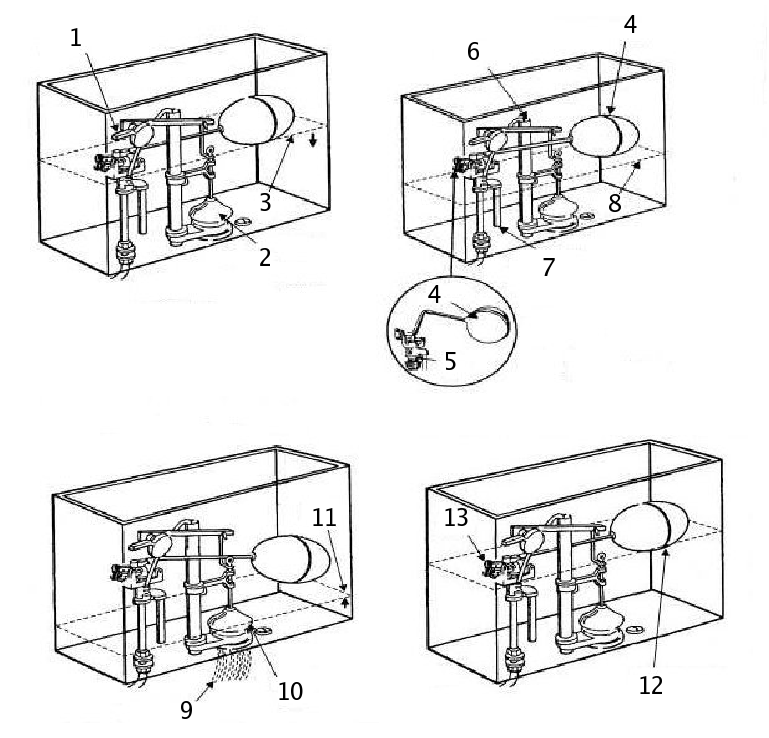


The Drop-Valve Dual-Flush Cistern
This is a sibling of `siphonic-flush-cistern`, and an unusually direct one: that blueprint already has a step comparing itself against the flap valve and finding the trade the flap valve made. This one builds that other approach, measures it, and finds the trade from the other side.
The siphon cannot leak. That is not a claim about manufacturing quality, it is a consequence of geometry: a siphon only passes water while it is primed, and it only primes when deliberately started. Between flushes the water in the cistern has no path to the pan at all. A siphonic cistern that is thirty years old and full of limescale still does not weep, because there is nothing for a seal to fail at.
The drop valve gives that up. It is a flap or a piston seated on an outlet in the bottom of the cistern, held closed by its own weight and by the water above it, and lifted by the handle or button to flush. Water leaves through an open hole for as long as the valve is up, and the valve then falls back onto its seat.
So it has a seal. Seals fail — slowly, silently, and continuously. A drop valve with a worn washer or a fragment of grit on the seat passes water at a rate too low to hear and easily large enough to matter: a weep of a few litres an hour is thousands of litres a month, and nobody notices because the cistern refills as fast as it loses.
What the drop valve buys is control of volume, and that turns out to be worth a great deal. A siphon delivers whatever the siphon delivers — once primed, it runs until it breaks, and the volume is set by the geometry. A drop valve stops when the valve drops, and if you can control WHEN it drops you can control HOW MUCH goes. That is the entire basis of dual flush: a short button press releases the valve early for a reduced flush, a long press holds it up for a full one.
Britain mandated the siphon for decades on exactly the leakage argument and permitted drop valves only in 2001. Most of the world had never banned them. Both positions were defensible, and which one is right depends on whether your binding constraint is water lost to leaks or water used per flush.
You will build both, measure both, and find where the crossover is in litres.
བར་མ
4 hours
ལམ་སྟོན
1
1
Build a drop valve and make it dual
Build a drop valve and make it dual
The mechanism is simpler than a siphon, which is half its appeal.
THE CISTERN. A 12 litre clear container — clear because you must see the water level fall during a flush, which is the whole measurement. Cut a 50 millimetre hole in the base and cement in a short flanged outlet with a flat, smooth upper rim as the seat.
THE VALVE. A disc of 3 millimetre acrylic 65 millimetres across with a 3 millimetre silicone or EPDM washer bonded to its underside. A vertical guide rod through its centre, running in a bush above, so it can rise and fall but not wander off the seat. The mass matters: too light and buoyancy alone lifts it and it will not stay shut; too heavy and it drops before the cistern empties. Aim for something that just sinks in water, then add a small weight and adjust.
THE LIFT. A lever from the handle to a chain or a lift rod on the valve. Lift the valve clear of the seat and water pours out through the 50 millimetre hole.
WHY IT STAYS UP, AND THIS IS THE PART THAT SURPRISES PEOPLE. Once flow is established through the outlet, water rushing past the underside of the disc is moving fast and therefore at reduced pressure — the same Bernoulli effect the venturi blueprint measures — while the water above it is nearly still. The pressure difference holds the valve up on its own. You lift the handle for half a second and let go, and the valve stays raised for the whole flush. It only drops when the cistern level falls far enough that the flow weakens and the effect can no longer support it.
That self-holding is what makes the device practical, and it is also what makes dual flush possible.
NOW MAKE IT DUAL. Add a second, small air chamber or float collar to the valve which admits air and breaks the hold early if the button is released quickly, and holds it if the button stays pressed. In real cisterns this is done several ways — an air-filled cup that vents through a small hole, or a mechanical latch — but the principle is always the same: give the valve a way to fall early, and make the user's button choose whether it does.
Simplest workable version at bench scale: fit a small vent hole in a hollow float collar on the valve stem. A brief lift lets the collar fill through the vent and the valve drops after about two seconds. Holding the handle keeps the valve mechanically raised until you let go, giving the full flush.
CALIBRATE IT. Mark the cistern in litres. Do ten short flushes and ten long ones, recording the volume each time. You want roughly 3 litres and 6 litres, which is the modern dual-flush standard, and you want the SPREAD to be small — a device that sometimes delivers 3 and sometimes 5 for the same button press is not a dual-flush cistern, it is an unreliable one.
གོམ་པ་འདིའི་རྫས་རིགས:
 Acrylic Sheet1 square metre
 Silicone Rubber Sheet (2mm)1 དུམ་བུ།
 Clear PVC Pipe (32mm)2 metre
 PVC Pipe Fittings Assortment (32mm)1 ཚན་པ།
 Silicone Sealant1 དུམ་བུ།
 Buckets (20 liter)2 དུམ་བུ།
 Closed-Cell Foam Block1 དུམ་བུ།
ལག་ཆས་དགོས་མཁོ:
 Cordless Drill/Driver
 Hole Saw Kit
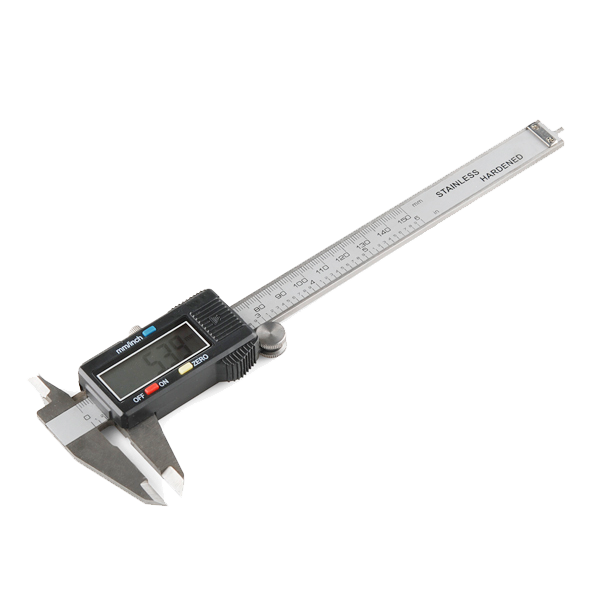 Digital Calipers - 152.4 mm
 Bucket
 Stopwatch
 Precision Digital Scale (0.01g)
2
2
Make it leak, and find out how long it takes to notice
Make it leak, and find out how long it takes to notice
This is the step the sibling blueprint cannot do, because a siphon has nothing to leak past. Do it carefully, because the result is the entire argument between the two designs.
ESTABLISH A BASELINE. With the cistern full and the valve seated, mark the water level precisely and leave it 24 hours with the inlet turned OFF. Measure the drop. A new valve on a clean seat should lose nothing measurable. Record that.
NOW INTRODUCE THE THREE REAL FAULTS, one at a time, and measure the loss rate for each.
GRIT ON THE SEAT. Place a single grain of coarse sand on the seat and lower the valve. Measure the loss over an hour. One grain, perhaps half a millimetre, holds the washer up by that much over a small arc — and the leak is immediately measurable. This is not a contrived fault: grit arrives with the mains, and every cistern in the world gets some.
A DEGRADED WASHER. Take a second washer and age it deliberately — leave it in hot water with a little chlorine bleach for a few days, or simply sand its face lightly to roughen it. Fit it and measure. A hardened, slightly deformed seal is what every drop valve becomes after some years, and it is the commonest cause of a silently running cistern.
A MISALIGNED GUIDE. Bend the guide rod very slightly so the valve lands a millimetre off centre. Measure. A valve that does not land square seals on part of its circumference only.
CONVERT THE NUMBERS INTO SOMETHING MEANINGFUL. Take each loss rate in millilitres per hour and scale it to litres per year. Then compare that with the water the dual flush SAVES: roughly 3 litres saved per short flush, perhaps four short flushes per person per day.
That comparison is the whole engineering argument, and the answer is not obvious in advance. A dual-flush cistern saving 12 litres per person per day is saving around 4,400 litres a year per person. A slow leak of 100 millilitres per hour is 876 litres a year. So a modest leak eats a fifth of the saving, and a leak you can actually hear — several litres an hour — wipes it out completely and then some.
HOW LONG BEFORE ANYONE NOTICES? That is the real problem. A cistern leaking into the pan is refilled continuously by its own inlet valve, so the level never falls, nothing overflows, and there is no puddle. The only signs are a faint continuous trickle in the pan and a water bill. Dye-test it: put food colouring in the cistern, do not flush, and come back in fifteen minutes. Colour in the pan means it is leaking. That test takes ten seconds and almost nobody does it, which is why estimates of leaking cisterns in the housing stock run into the tens of percent.
That is what the siphon was protecting against, and it is why Britain held the line on it for so long.
གོམ་པ་འདིའི་རྫས་རིགས:
Silicone Rubber Sheet (2mm)1 དུམ་བུ། Clean Dry Sand1 kilogram
 Food Colouring (Concentrated)1 དུམ་བུ།
ལག་ཆས་དགོས་མཁོ:
 Graduated Cylinder (100 ml)
 Steel RuleStopwatchPrecision Digital Scale (0.01g)
3
3
Litres saved against litres lost — where the answer flips
Litres saved against litres lost — where the answer flips
Jupyter ཚང་དེབ་མངོན་གསལ་འབད་དོ་…
ལག་ཆས་དགོས་མཁོ:
 Desktop Computer
རྫས་རིགས
9- 1 square metreས་ཆ་འཛིན
- 1 དུམ་བུ།ས་ཆ་འཛིན
- 2 metreས་ཆ་འཛིན
- ས་ཆ་འཛིན
- 1 དུམ་བུ།ས་ཆ་འཛིན
- 2 དུམ་བུ།ས་ཆ་འཛིན
- 1 དུམ་བུ།ས་ཆ་འཛིན
- 1 kilogramས་ཆ་འཛིན
- 1 དུམ་བུ།ས་ཆ་འཛིན
ལག་ཆས་དགོས་མཁོ
9- ས་ཆ་འཛིན
- ས་ཆ་འཛིན
- Digital Calipers - 152.4 mmཁེ་ཕོགས 10%$14.53
- ས་ཆ་འཛིན
- ས་ཆ་འཛིན
- ས་ཆ་འཛིན
- ས་ཆ་འཛིན
- ས་ཆ་འཛིན
- ས་ཆ་འཛིན
འབྲེལ་ཡོད་བིལུ་པིརིན་ཊི
བིལུ་པིརིན་ཊི་འདི་ཚུ་ཐབས་ལམ་དང་རྫས་རིགས། སྤྱི་ཆོས་བགོ་བཤའ་བྱེད

CC0 སྤྱི་དབང
བིལུ་པིརིན་ཊི་འདི་CC0 འོག་བཀྲམས་ཡོད། ཁྱེད་རང་གིས་ཆོག་མཆན་མ་བཞེས་པར་ཕབ་ལེན་དང་བཟོ་བཅོས། བགོ་བཤའ། དགོས་མཁོ་གང་ལའང་བཀོལ་སྤྱོད་བྱས་ཆོག
བཟོ་མཁན་ལ་རྒྱབ་སྐྱོར་བྱེད་པའི་ཆེད་ཁོང་ཚོའི་བིལུ་པིརིན་ཊི་བརྒྱུད་ཐོན་སྐྱེད་ཉོ། བཟོ་མཁན་གྱིས བཟོ་མཁན་གྱི་ཁེ་ཕོགས ཚོང་པས་གཏན་འཁེལ་བྱས་པ། ཡང་ན་བིལུ་པིརིན་ཊི་འདིའི་པར་གསར་བཟོས་ཏེ་ཁྱེད་རང་གི་བིལུ་པིརིན་ཊི་ནང་མཐུད་སྦྲེལ་བྱས་ཏེ་ཡོང་སྒོ་བགོ་བཤའ་བྱེད།