སྒྱུ་རྩལ
མཛེས་སྡུག་དང་བདེ་ཐང
བཟོ་རིག
རིག་གནས་དང་ལོ་རྒྱུས
དགའ་སྟོན
ཁོར་ཡུག
ཟས་དང་བཏུང་རྫས
ཕྱིར་འཕྲུལ་རིག
ཚན་རིག
རྩེད་འགྲན
རིག་རྩལ
གྱོན་རུང
ཉེན་ཁ་ཅན།

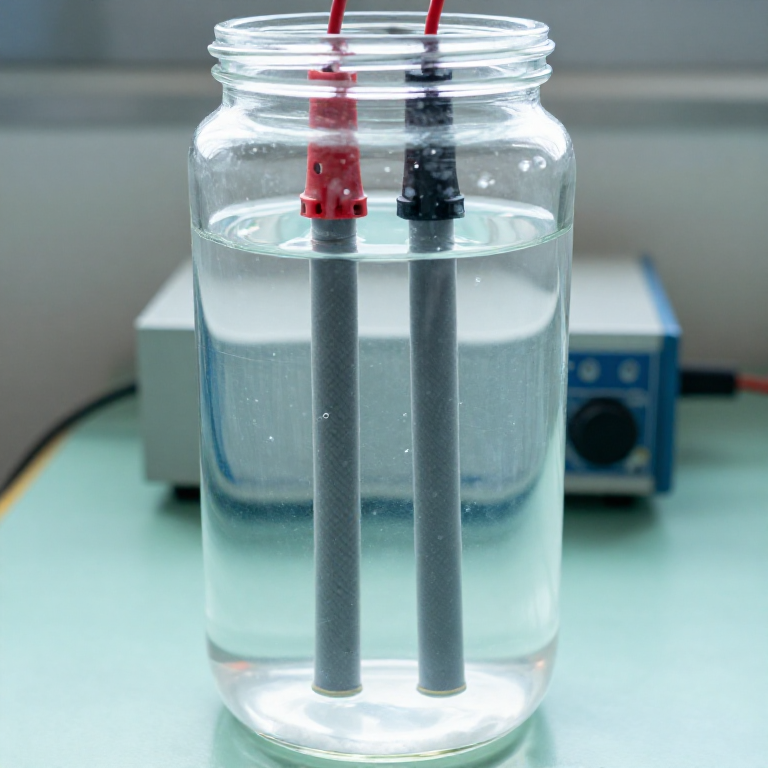
Electrolytic Hypochlorite Generator
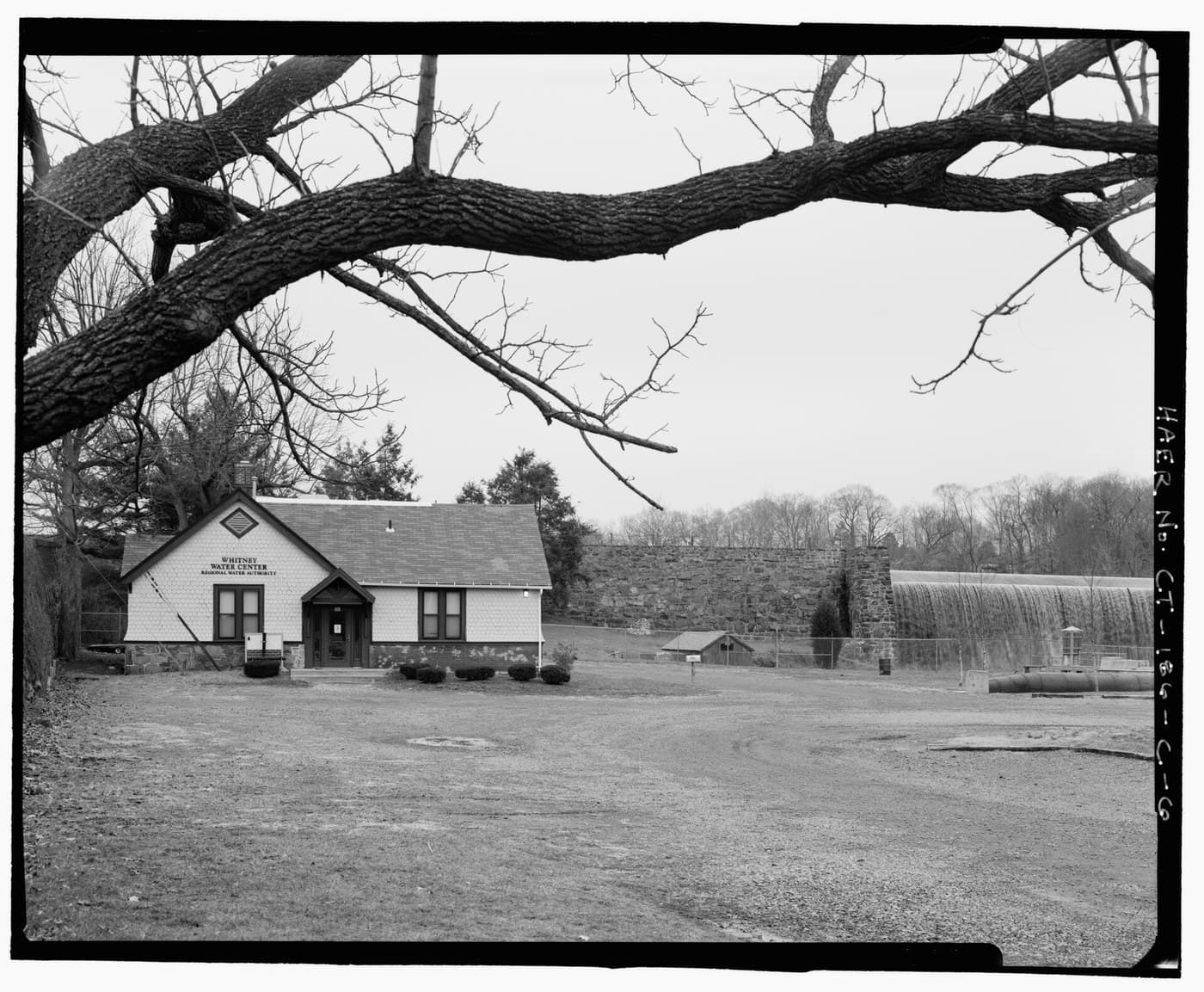
Chlorination and the Residual, already published here, explains why a trace of chlorine left in the water is what keeps it safe all the way to the tap. It assumes you can buy the chlorine.
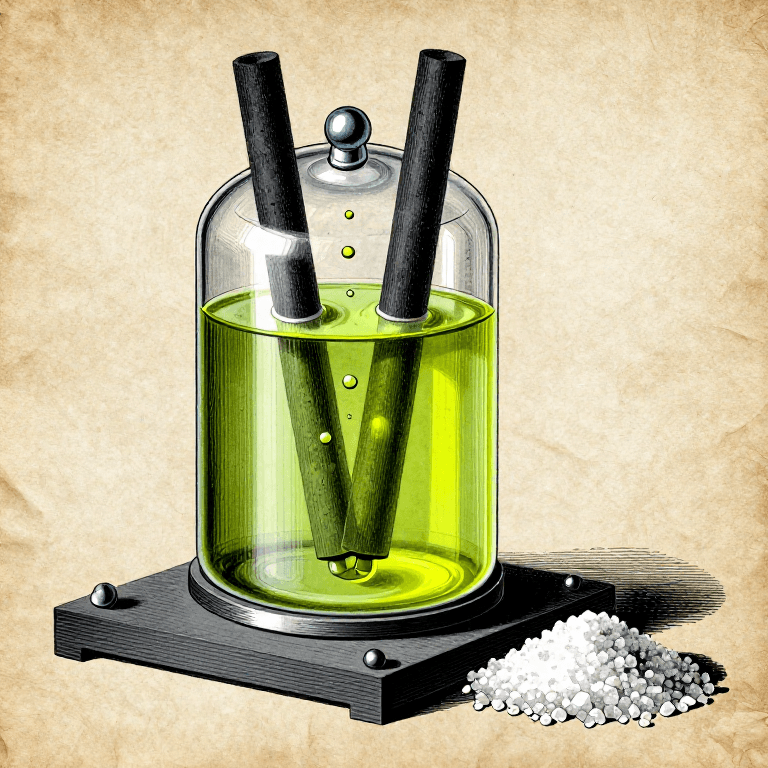
This is how you make it from salt, water and electricity. Pass a current through brine and chlorine forms at one electrode and hydrogen at the other; let the chlorine mix back into the alkaline solution rather than escape, and it becomes sodium hypochlorite — ordinary bleach, the same thing a works dozes into a supply. The method runs everywhere the supply chain does not, from village kiosks to ships.
⚠ This blueprint makes chlorine gas and hydrogen gas. Chlorine damages lungs at concentrations you can barely smell, and hydrogen burns explosively in air. Outdoors or in a fume hood, never in a closed room, and never with the two gases allowed to collect.
མཐོ་རིམ
3 hours
ཉེན་ཁ་ཅན་ནང་དོན
བིལུ་པིརིན་ཊི་འདིའི་ནང་ཉེན་ཁ་ཅན་ལག་ལེན་ཡོད། གོམ་པ་རེ་རེའི་ལམ་སྟོན་བལྟ་ནིའི་ཆེད་ནང་འཛུལ་གནང་ཞིང་ཉེན་ཁ་ཅན་ནང་དོན་ལྕོགས་གནང།
འབྲེལ་ཡོད་བིལུ་པིརིན་ཊི
བིལུ་པིརིན་ཊི་འདི་ཚུ་ཐབས་ལམ་དང་རྫས་རིགས། སྤྱི་ཆོས་བགོ་བཤའ་བྱེད

CC0 སྤྱི་དབང
བིལུ་པིརིན་ཊི་འདི་CC0 འོག་བཀྲམས་ཡོད། ཁྱེད་རང་གིས་ཆོག་མཆན་མ་བཞེས་པར་ཕབ་ལེན་དང་བཟོ་བཅོས། བགོ་བཤའ། དགོས་མཁོ་གང་ལའང་བཀོལ་སྤྱོད་བྱས་ཆོག
བཟོ་མཁན་ལ་རྒྱབ་སྐྱོར་བྱེད་པའི་ཆེད་ཁོང་ཚོའི་བིལུ་པིརིན་ཊི་བརྒྱུད་ཐོན་སྐྱེད་ཉོ། བཟོ་མཁན་གྱིས བཟོ་མཁན་གྱི་ཁེ་ཕོགས ཚོང་པས་གཏན་འཁེལ་བྱས་པ། ཡང་ན་བིལུ་པིརིན་ཊི་འདིའི་པར་གསར་བཟོས་ཏེ་ཁྱེད་རང་གི་བིལུ་པིརིན་ཊི་ནང་མཐུད་སྦྲེལ་བྱས་ཏེ་ཡོང་སྒོ་བགོ་བཤའ་བྱེད།