སྒྱུ་རྩལ
མཛེས་སྡུག་དང་བདེ་ཐང
བཟོ་རིག
རིག་གནས་དང་ལོ་རྒྱུས
དགའ་སྟོན
ཁོར་ཡུག
ཟས་དང་བཏུང་རྫས
ཕྱིར་འཕྲུལ་རིག
ཚན་རིག
རྩེད་འགྲན
རིག་རྩལ
གྱོན་རུང
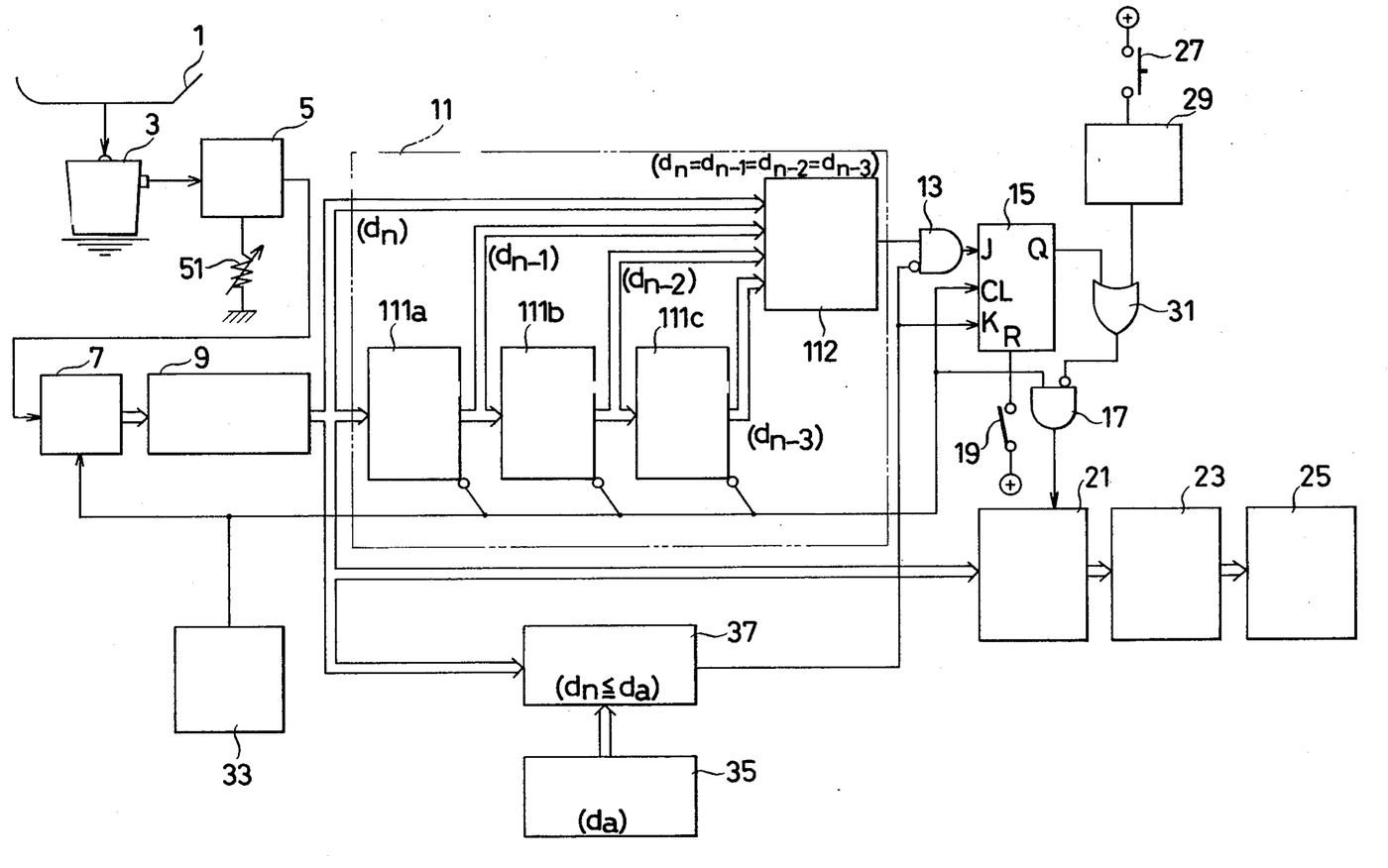


Electronic Baby Scale That Holds a Steady Reading: Hino & Itani, 1981
Masamichi Hino and Seiichi Itani of Kubota Ltd., Osaka, patented this electronic weighing apparatus in 1981, US 4,285,411. A strain-gauge load cell barely moves, so a baby on the pan is not frightened, but babies seldom lie still and the displayed weight keeps changing. Here the scale keeps showing each new reading until it has stopped changing, then holds that weight on a four-digit display until the baby is lifted off. The patent names baby scales in hospitals, and also price computing scales.
མཐོ་རིམ
Factory process
ལམ་སྟོན
1
1
Pan and load cell
Pan and load cell
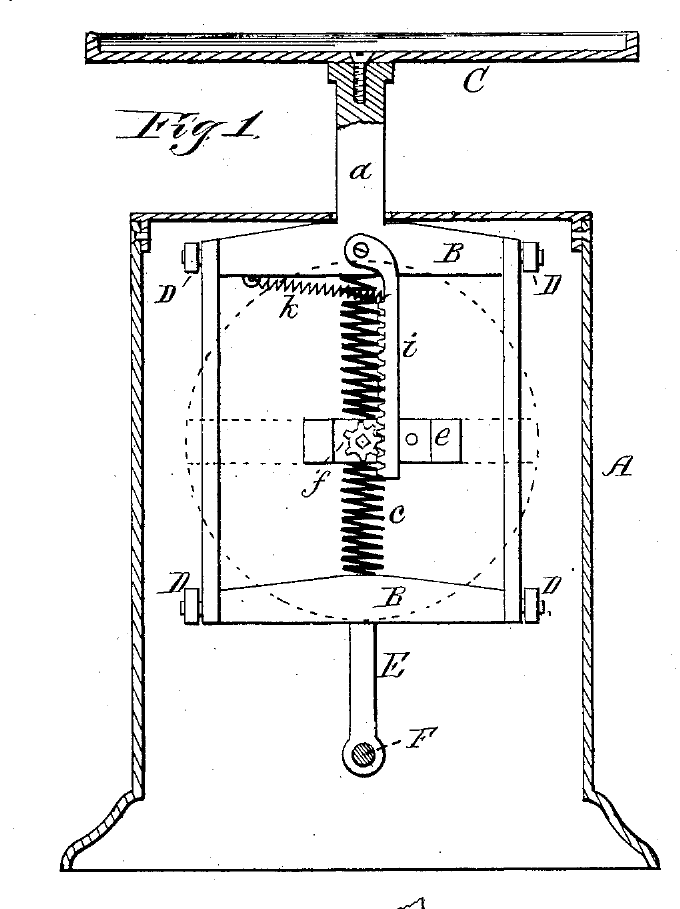
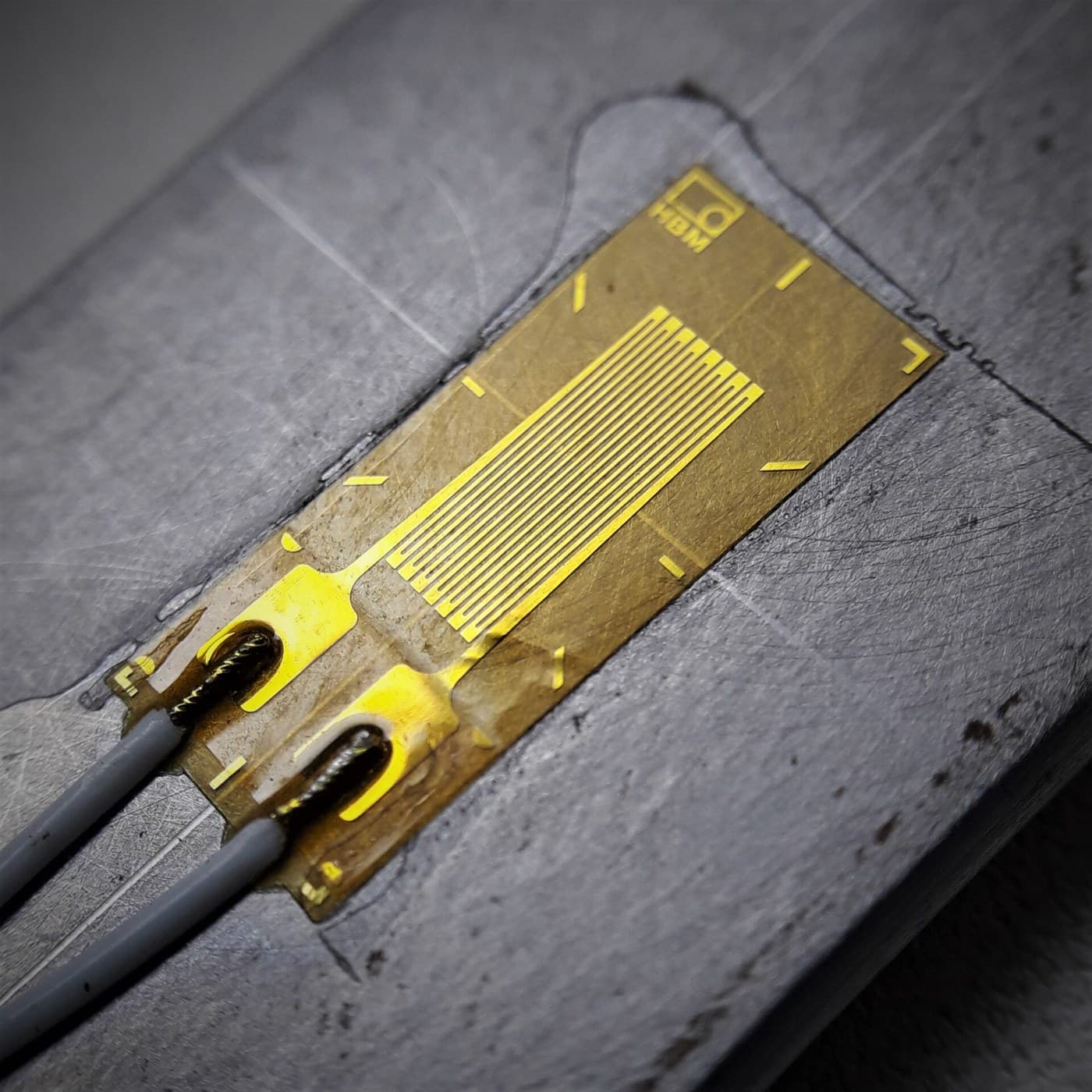
Couple the article placing pan, such as a basket for a baby, mechanically to a strain-gauge load cell in the casing. The load cell gives an analog voltage that follows the weight on the pan; an amplifier, its gain set by a variable resistor, raises it.
གོམ་པ་འདིའི་རྫས་རིགས:
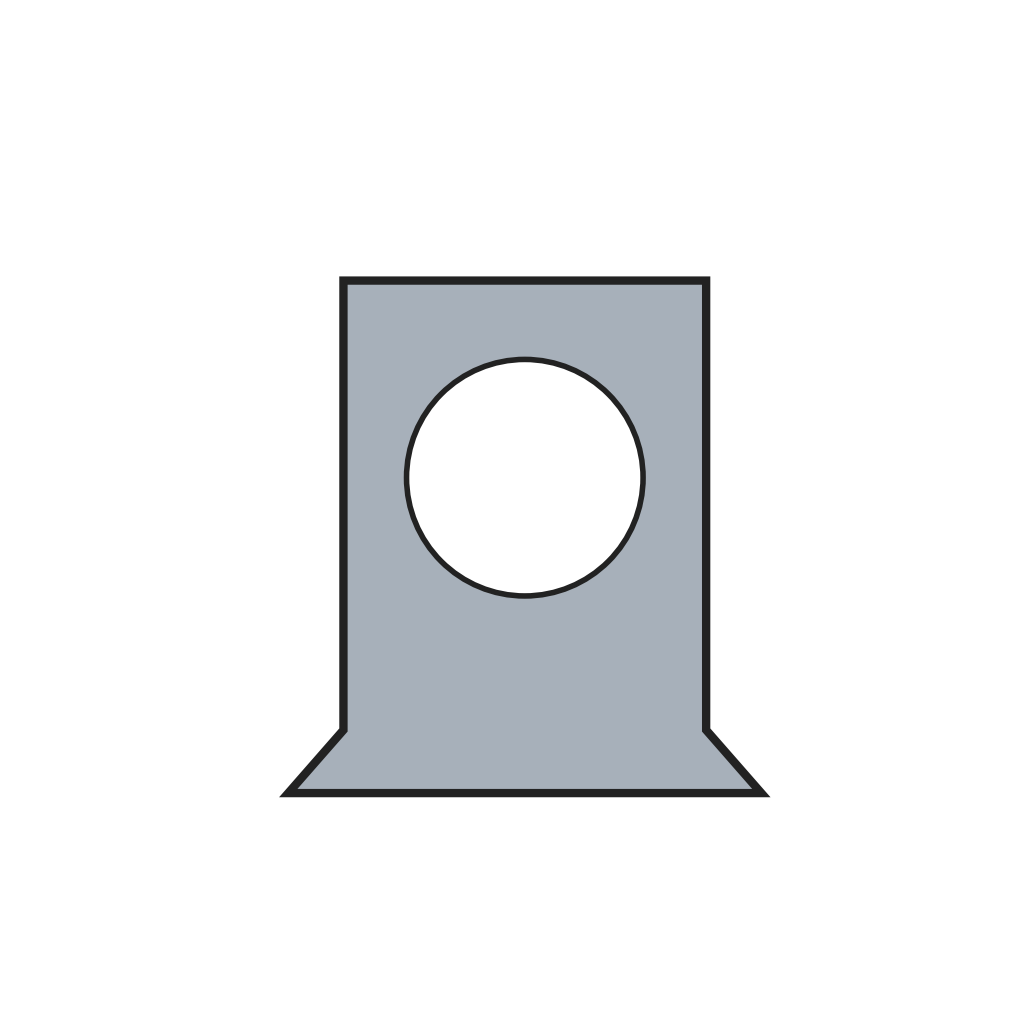 རྒྱ་མའི་ཤུབས།1 དུམ་བུ།
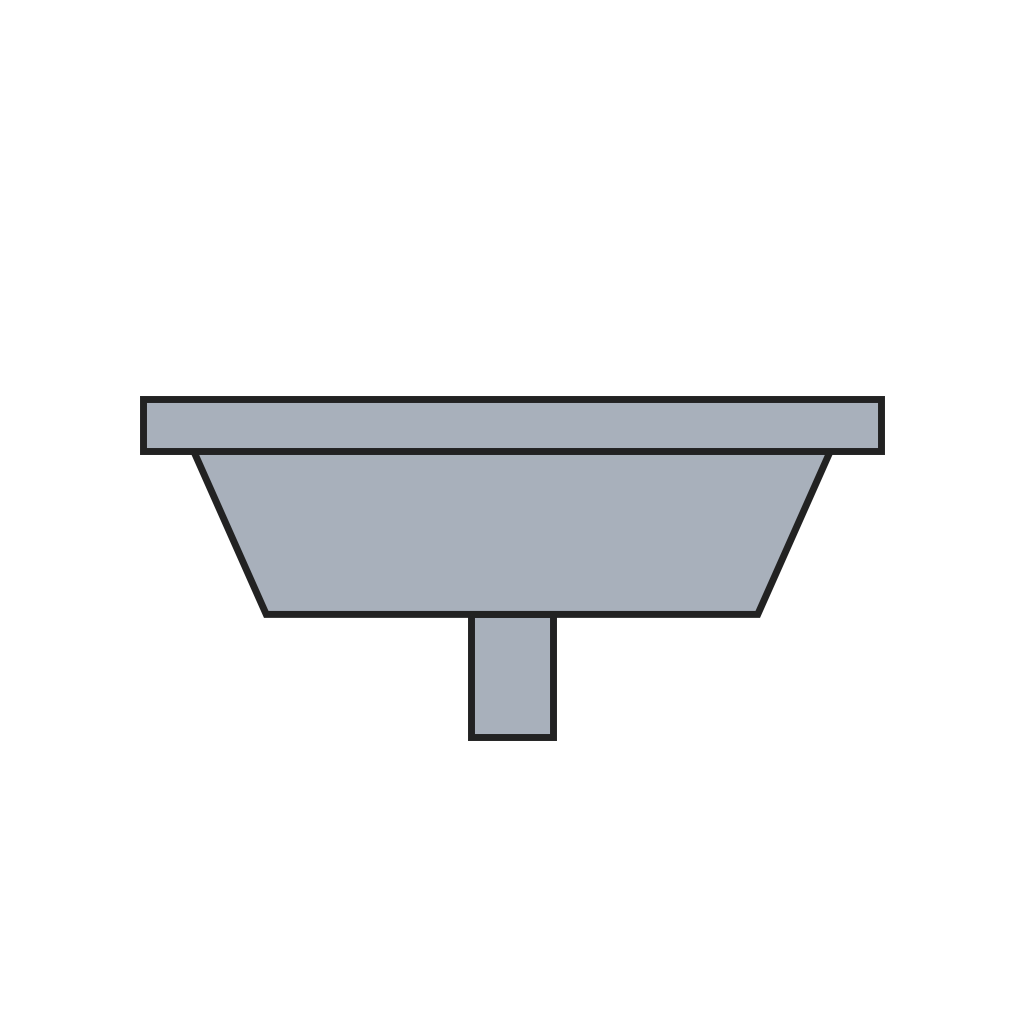 སྲང་གི་སྡེར1 དུམ་བུ།
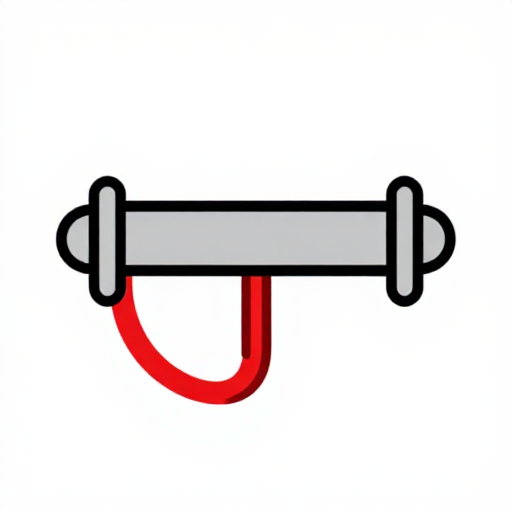 ལྗིད་ཚོར་ཆས།1 དུམ་བུ།
 ལྗིད་ཚོར་ཆས་ཀྱི་ཤུགས་སྐྱེད་ཆས1 དུམ་བུ།
 པོ་ཊེན་ཤོ་མི་ཊར།1 དུམ་བུ།
 མཐུད་ནིའི་ལྕགས་སྐུད།1 as required
 ཞ་སྦྱར་རྫས་ཀྱི་སྐུད་པ1 as required
ལག་ཆས་དགོས་མཁོ:
 གློག་གི་ཞ་སྦྱར་ལྕགས
2
2
Convert to digital
Convert to digital
An analog-to-digital converter turns the amplified voltage into digital data at each pulse from a timing pulse generator.
གོམ་པ་འདིའི་རྫས་རིགས:
 རྒྱུན་ཆགས་ལས་ཨང་ཅན་ལུ་སྒྱུར་ཆས1 དུམ་བུ།
 དུས་ཚོད་གློག་འཕར་བཏོན་ཆས1 དུམ་བུ།
ལག་ཆས་དགོས་མཁོ:
གློག་གི་ཞ་སྦྱར་ལྕགས3
3
Span adjustment
Span adjustment
Pass the data through a digital multiplier. Set the variable resistor so the span is slightly too large, then set a multiplier below 0.9999 on the numerical value setting switch (its two upper digits are fixed at 9, the two lower ones are set) until a known rated weight on the pan reads correctly. The resistor gives the coarse adjustment, the switch the fine one; digital multiplication is not upset by temperature or humidity.
གོམ་པ་འདིའི་རྫས་རིགས:
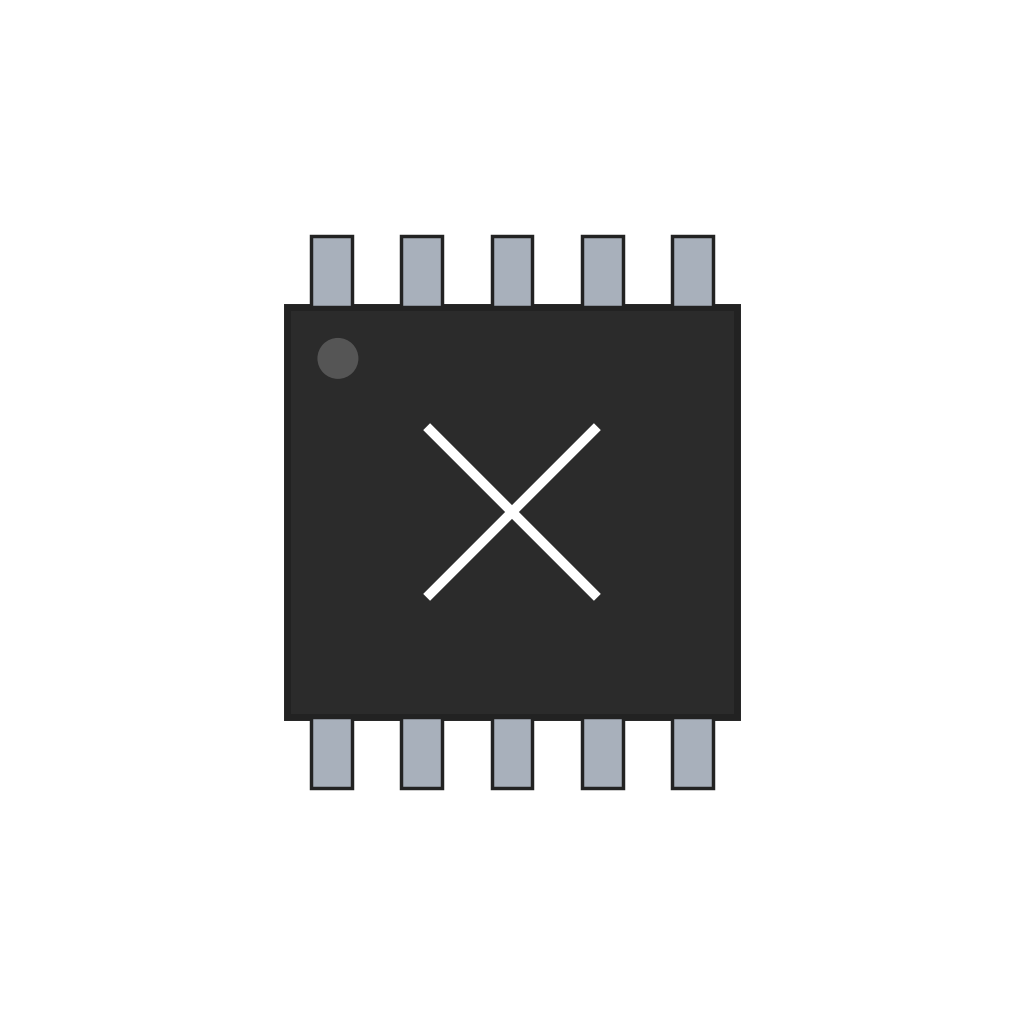 ཨང་ཅན་སྒྱུར་རྩིས་ཆས1 དུམ་བུ།
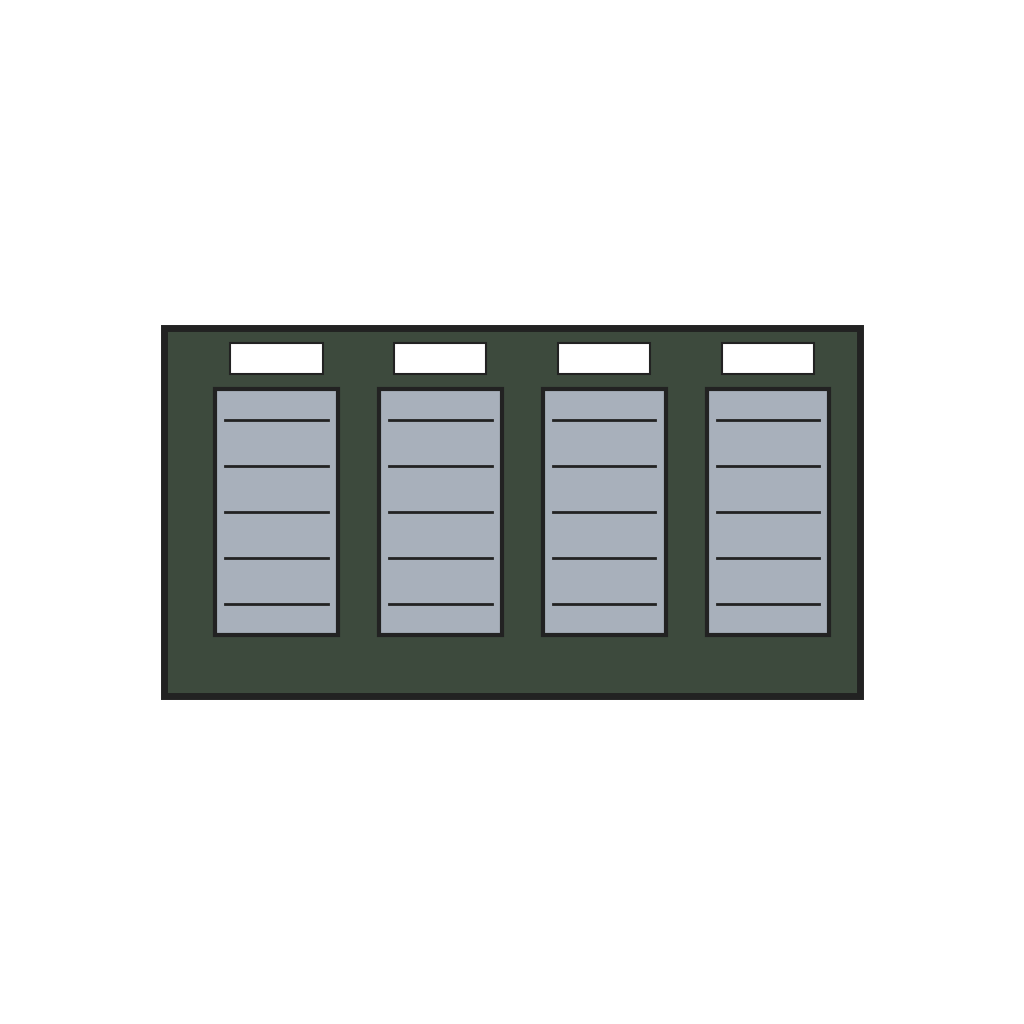 ཨང་གྲངས་ཀྱི་གནས་གོང་སྒྲིག་པའི་གློག་སྒོ1 དུམ་བུ།
ལག་ཆས་དགོས་མཁོ:
གློག་གི་ཞ་སྦྱར་ལྕགས ལྗིད་ཚད
4
4
Stable-state detector
Stable-state detector
Feed the data into three registers in cascade that shift it on at each timing pulse, so they hold the three previous readings. A coincidence detecting circuit (exclusive-NOR and AND gates) gives a high output when the newest reading equals all three: the weight is steady. (A second version subtracts the previous reading from the newest and calls it steady when the difference is within a set value, which may be zero.)
གོམ་པ་འདིའི་རྫས་རིགས:
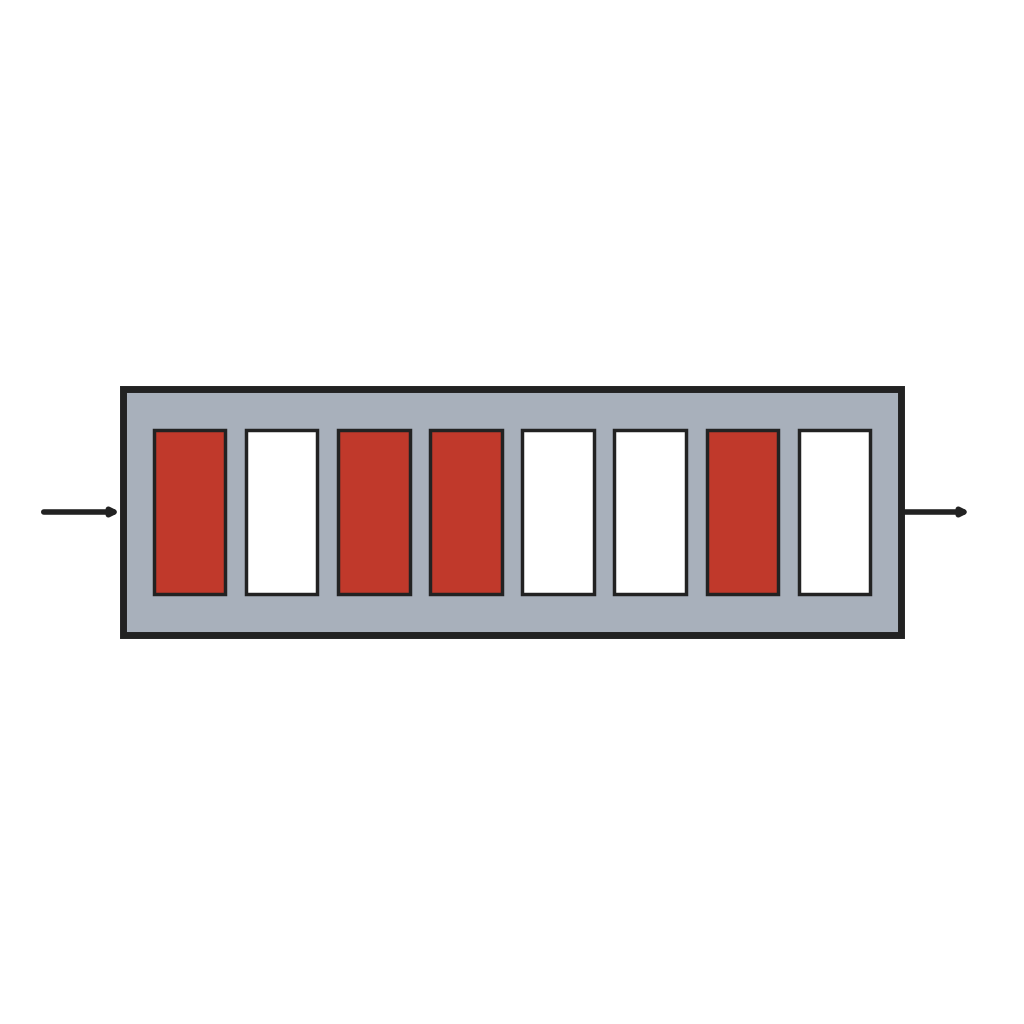 ཨང་ཅན་གནས་སྡུད་ཉར་ཆས3 དུམ་བུ།
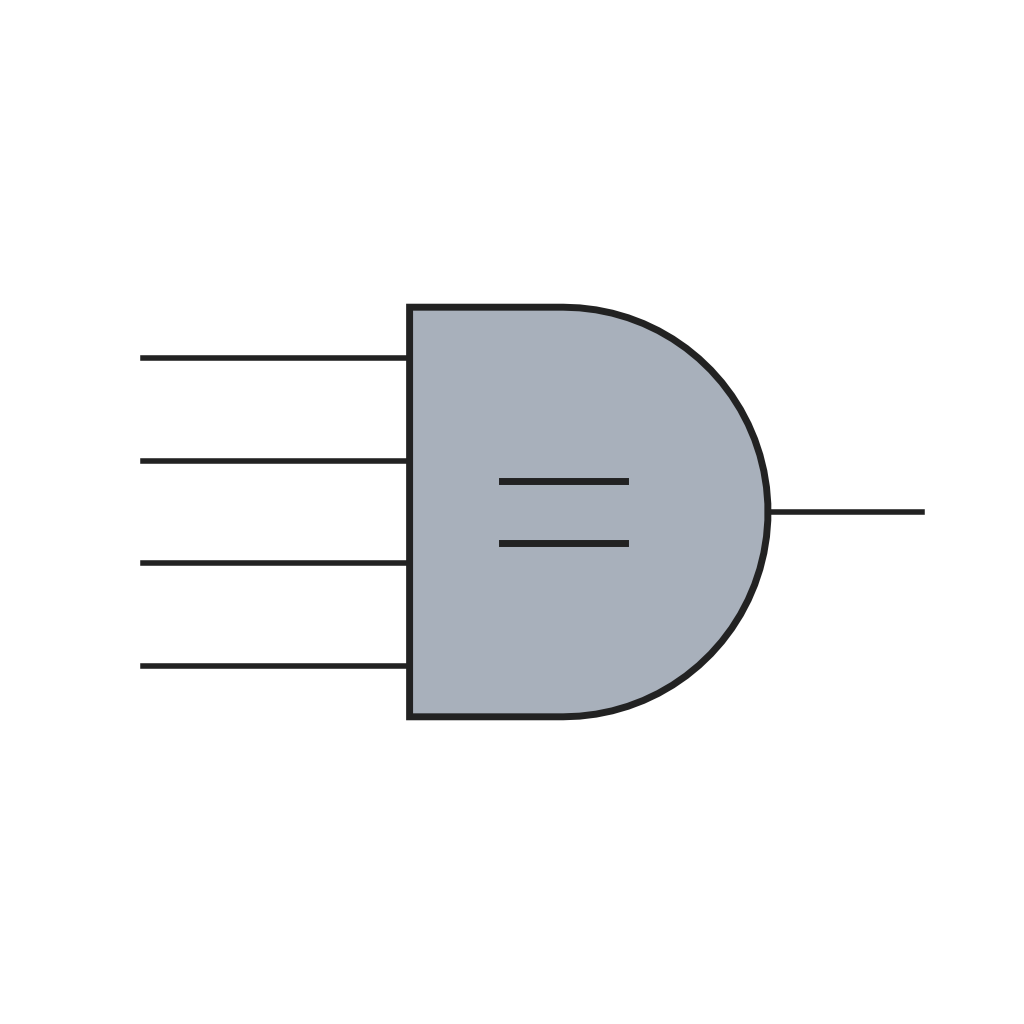 མཐུན་འཛོམས་ངོས་འཛིན་གློག་ལམ1 དུམ་བུ།
ལག་ཆས་དགོས་མཁོ:
གློག་གི་ཞ་སྦྱར་ལྕགས5
5
Hold the reading
Hold the reading
Load the display buffer with each new reading through an inhibit gate. When the detector reports a steady weight, it sets a J-K flip-flop; the flip-flop's output, through an OR gate, closes that inhibit gate, so the buffer keeps the steady weight even if the baby moves. A digital comparator checks each new reading against a reference value, for example 2 grams: when the baby is lifted off and the reading falls to it, the flip-flop resets and the display follows the new readings again. No button is needed to release the hold.
གོམ་པ་འདིའི་རྫས་རིགས:
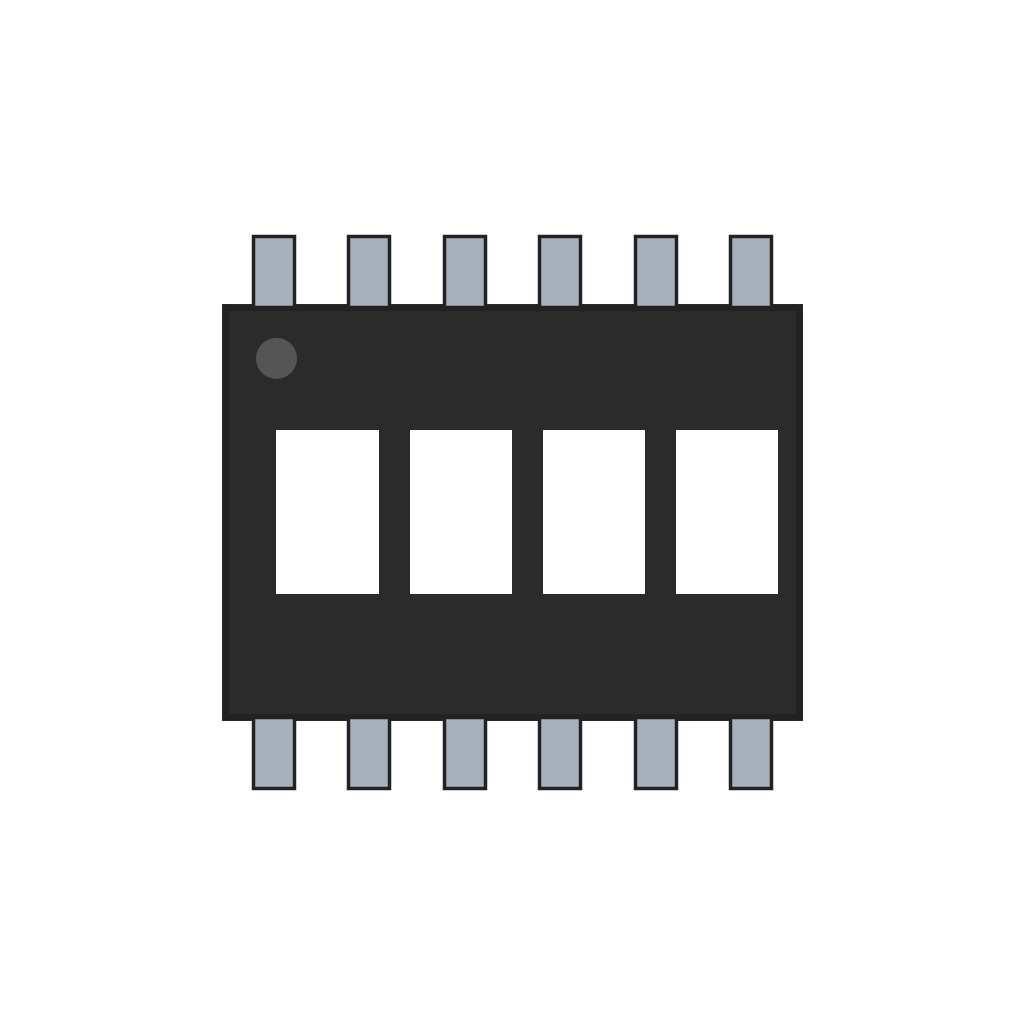 སྟོན་ཆས་གནས་སྐབས་ཉར་ས1 དུམ་བུ།
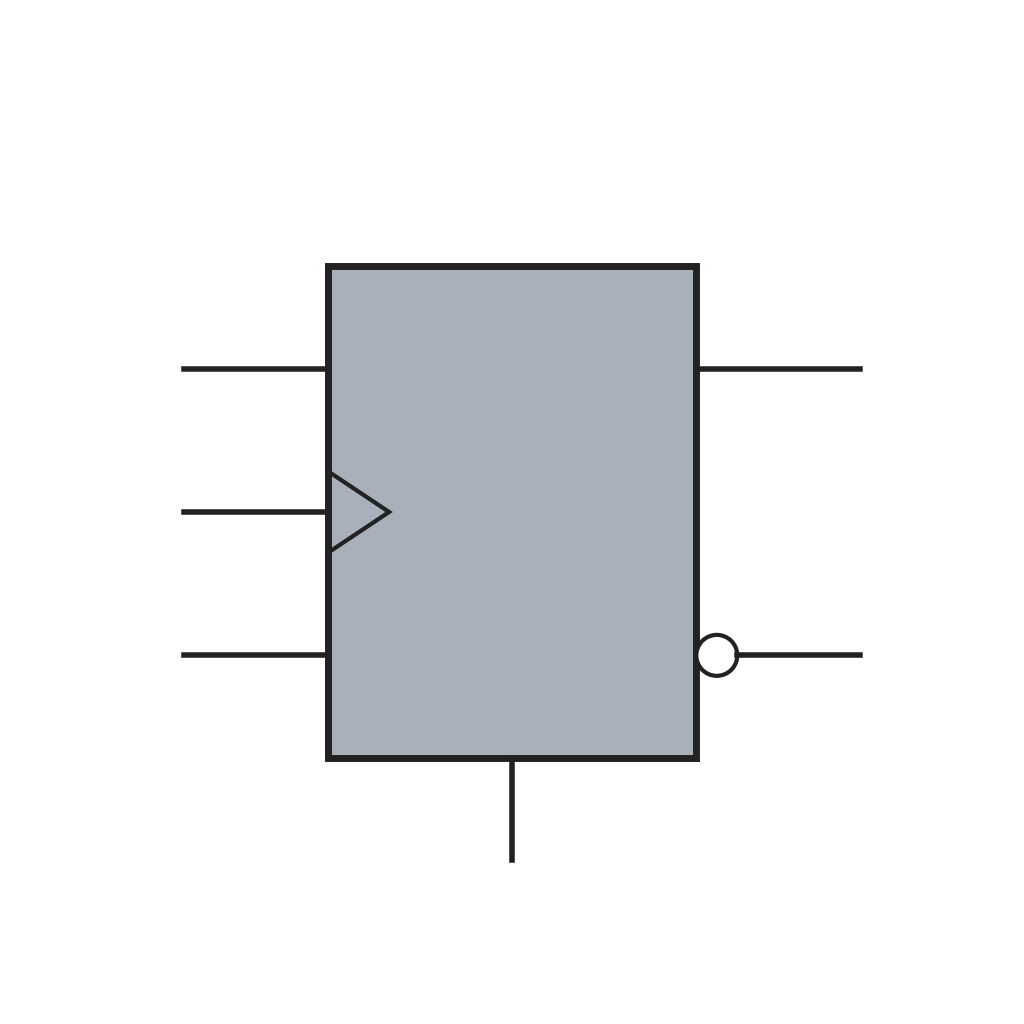 J-K ཕི་ལིབ་ཕོ་ལོབ1 དུམ་བུ།
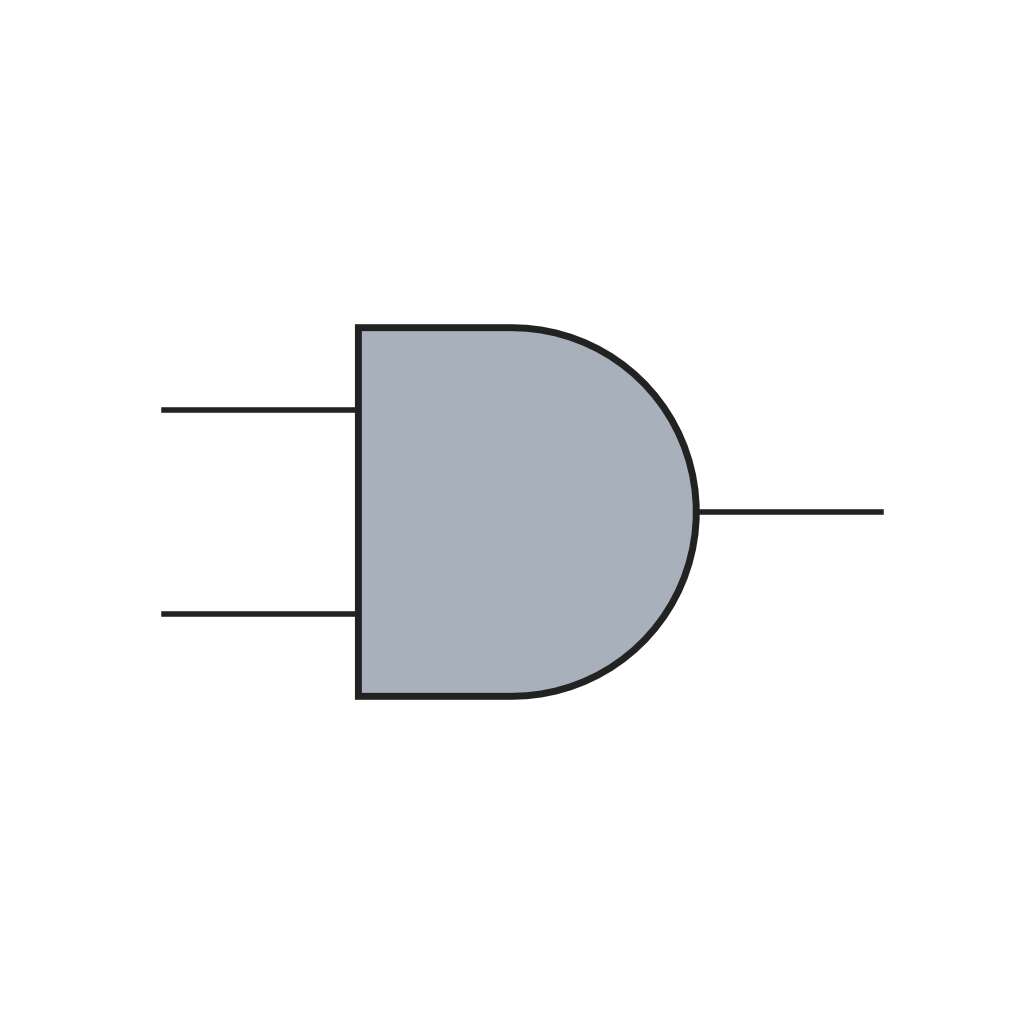 གཏན་ཚིགས་སྒོ3 དུམ་བུ།
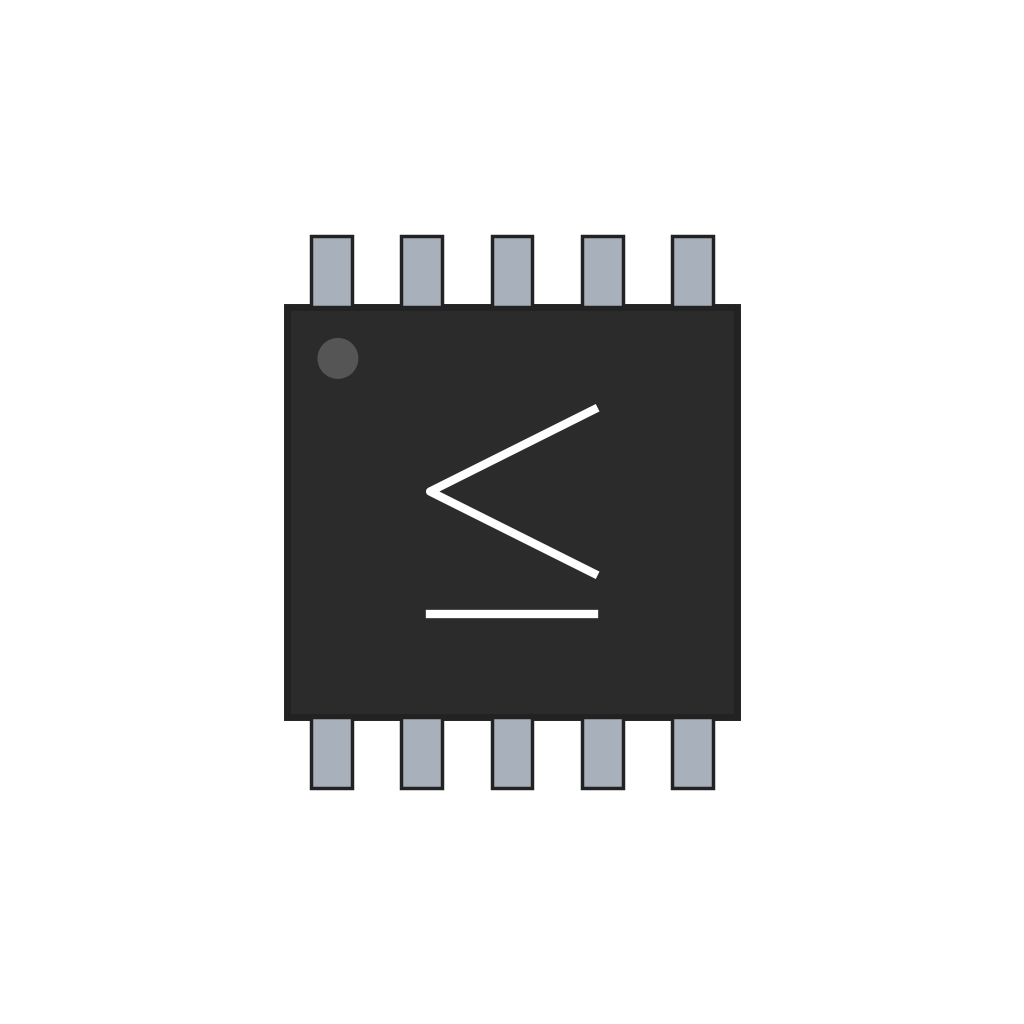 ཨང་ཅན་བསྡུར་ཆས1 དུམ་བུ།
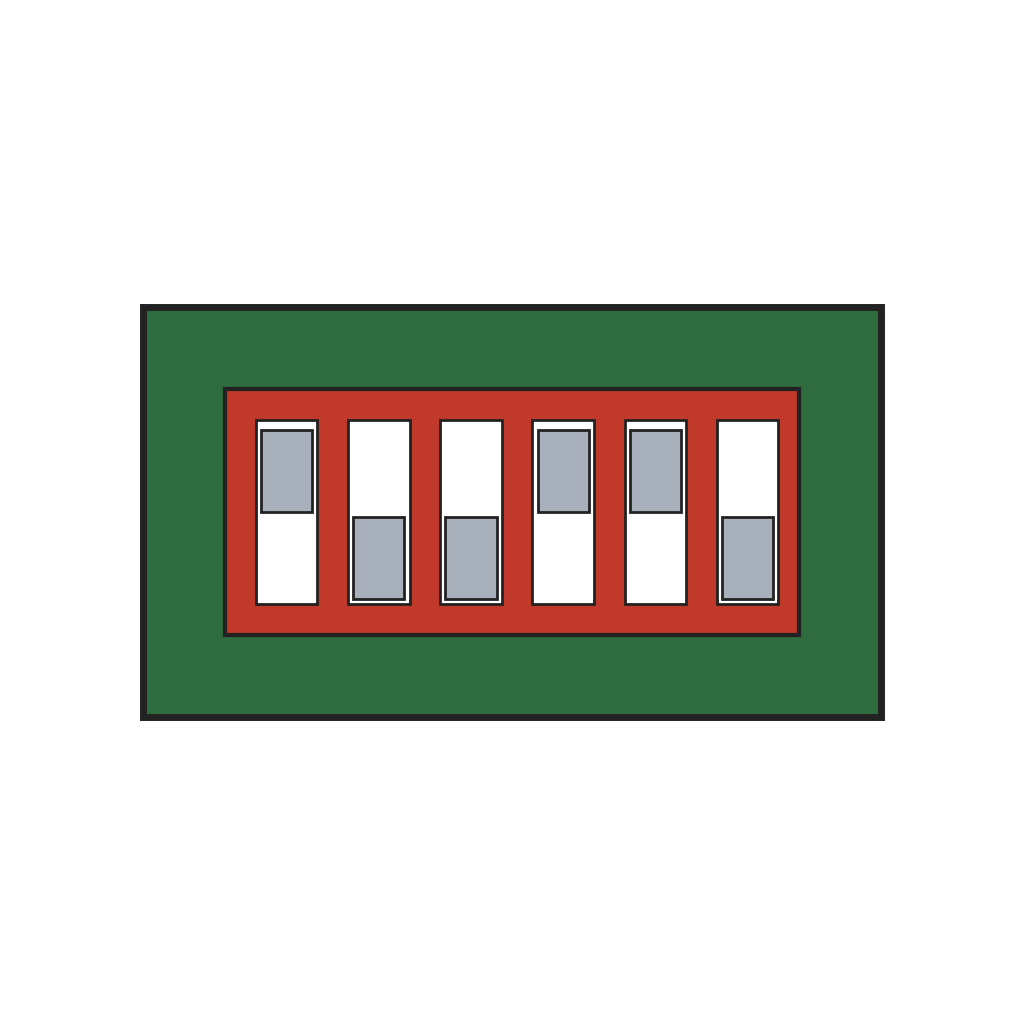 གཞི་བཀོད་གནས་གོང་སྒྲིག་པའི་གློག་ལམ1 དུམ་བུ།
ལག་ཆས་དགོས་མཁོ:
གློག་གི་ཞ་སྦྱར་ལྕགས6
6
Display and switches
Display and switches
Drive a four-digit display of seven-segment numerals from the buffer through a segment decoder. Fit two switches outside the casing: one keeps the flip-flop reset, so the newest weight is always shown; the other starts a timer that freezes the display for a set time, say eight seconds, so the weight can be read and written down without a mistake.
གོམ་པ་འདིའི་རྫས་རིགས:
 ཆ་བདུན་སྟོན་ཆས་ཀྱི་སྐྱོད་ཆས1 དུམ་བུ།
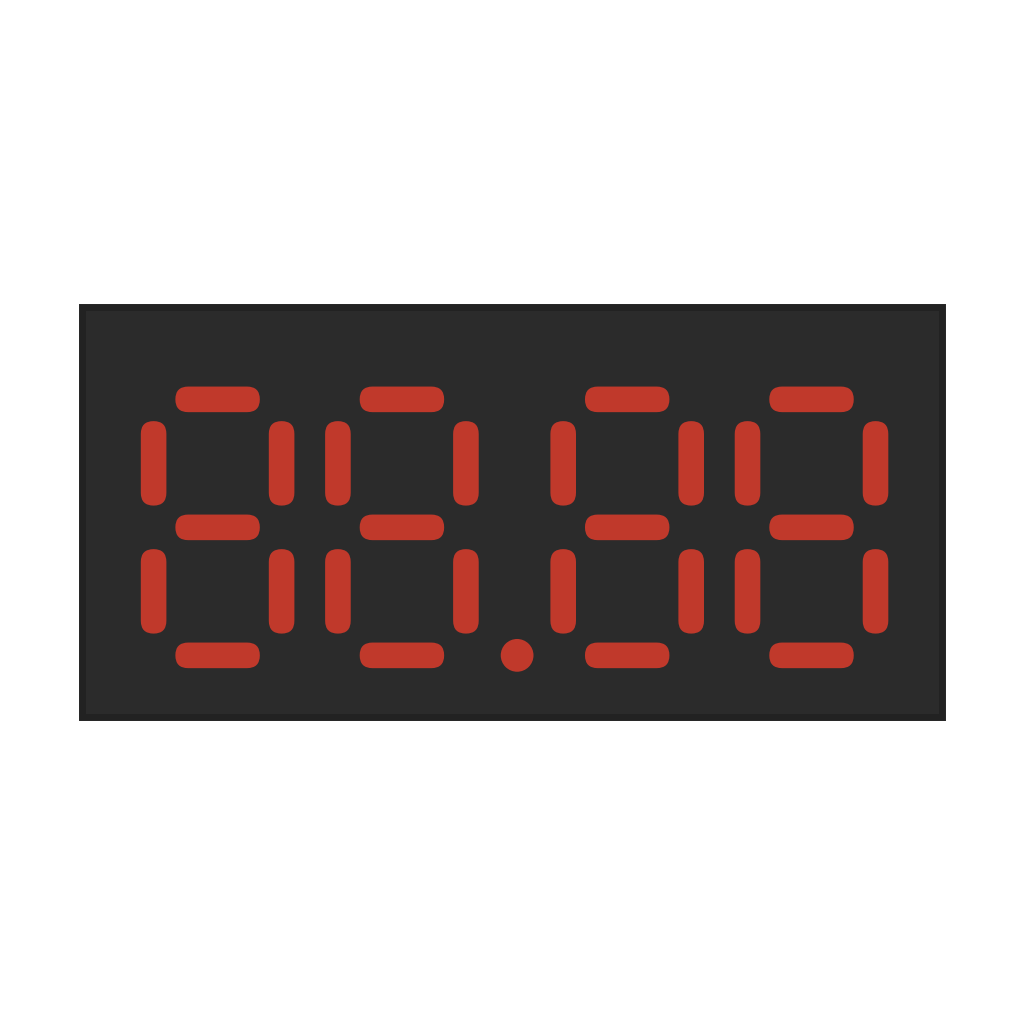 ཨང་ཡིག་བཞི་ཅན་ཆ་བདུན་སྟོན་ཆས1 དུམ་བུ།
 ཁ་ཕྱེ་/ཁ་བསྡམ་ གློག་སྒོ།2 དུམ་བུ།
 སྟོན་ཆས་འཛིན་པའི་དུས་ཚོད་འཕྲུལ་ཆས1 དུམ་བུ།
ལག་ཆས་དགོས་མཁོ:
གློག་གི་ཞ་སྦྱར་ལྕགསརྫས་རིགས
22- 1 དུམ་བུ།ས་ཆ་འཛིན
- 1 དུམ་བུ།ས་ཆ་འཛིན
- 1 དུམ་བུ།ས་ཆ་འཛིན
- 1 དུམ་བུ།ས་ཆ་འཛིན
- ས་ཆ་འཛིན
- 1 as requiredས་ཆ་འཛིན
- 1 as requiredས་ཆ་འཛིན
- 1 དུམ་བུ།ས་ཆ་འཛིན
- 1 དུམ་བུ།ས་ཆ་འཛིན
- 1 དུམ་བུ།ས་ཆ་འཛིན
- ས་ཆ་འཛིན
- 3 དུམ་བུ།ས་ཆ་འཛིན
- 1 དུམ་བུ།ས་ཆ་འཛིན
- 1 དུམ་བུ།ས་ཆ་འཛིན
- 1 དུམ་བུ།ས་ཆ་འཛིན
- 3 དུམ་བུ།ས་ཆ་འཛིན
- 1 དུམ་བུ།ས་ཆ་འཛིན
- 1 དུམ་བུ།ས་ཆ་འཛིན
- 1 དུམ་བུ།ས་ཆ་འཛིན
- 1 དུམ་བུ།ས་ཆ་འཛིན
- 2 དུམ་བུ།ས་ཆ་འཛིན
- 1 དུམ་བུ།ས་ཆ་འཛིན
བིལུ་པིརིན་ཊི་འདི་གིས་བཟོ་མི

འབྲེལ་ཡོད་བིལུ་པིརིན་ཊི
བིལུ་པིརིན་ཊི་འདི་ཚུ་ཐབས་ལམ་དང་རྫས་རིགས། སྤྱི་ཆོས་བགོ་བཤའ་བྱེད


CC0 སྤྱི་དབང
བིལུ་པིརིན་ཊི་འདི་CC0 འོག་བཀྲམས་ཡོད། ཁྱེད་རང་གིས་ཆོག་མཆན་མ་བཞེས་པར་ཕབ་ལེན་དང་བཟོ་བཅོས། བགོ་བཤའ། དགོས་མཁོ་གང་ལའང་བཀོལ་སྤྱོད་བྱས་ཆོག
བཟོ་མཁན་ལ་རྒྱབ་སྐྱོར་བྱེད་པའི་ཆེད་ཁོང་ཚོའི་བིལུ་པིརིན་ཊི་བརྒྱུད་ཐོན་སྐྱེད་ཉོ། བཟོ་མཁན་གྱིས བཟོ་མཁན་གྱི་ཁེ་ཕོགས ཚོང་པས་གཏན་འཁེལ་བྱས་པ། ཡང་ན་བིལུ་པིརིན་ཊི་འདིའི་པར་གསར་བཟོས་ཏེ་ཁྱེད་རང་གི་བིལུ་པིརིན་ཊི་ནང་མཐུད་སྦྲེལ་བྱས་ཏེ་ཡོང་སྒོ་བགོ་བཤའ་བྱེད།